"Box it up" skips the Canada Post rules
Canada Post requires the right parcel service, Proof of Age, a locking device, a locked case, anonymous outer packaging, and a route that stays on the ground.

Storage and transport Open the source map
A Canadian owner asked how to mail firearms to themself. "Box it up and send it" arrived almost immediately.
The current Canada Post firearm page has a longer answer: confirm eligibility, use the prescribed parcel service and delivery option, unload and lock the firearm, lock it inside a sturdy non-transparent case, cover that case with anonymous outer packaging, and keep the shipment off an air route.
I buy most of my firearms online. I know the odd transition from a regulated purchase to cardboard, foam, a label, and a tracking number. The ordinary-looking parcel still carries specialized conditions. Read the carrier page before the tape dispenser gets a vote.
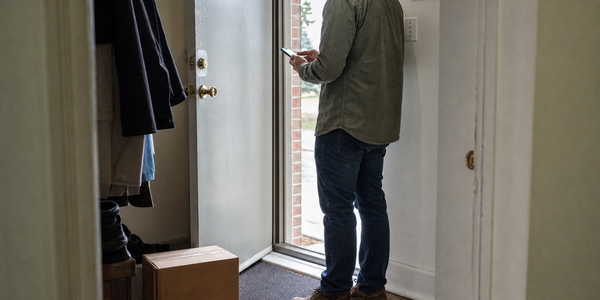
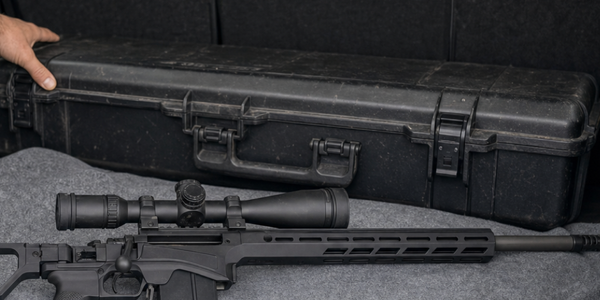
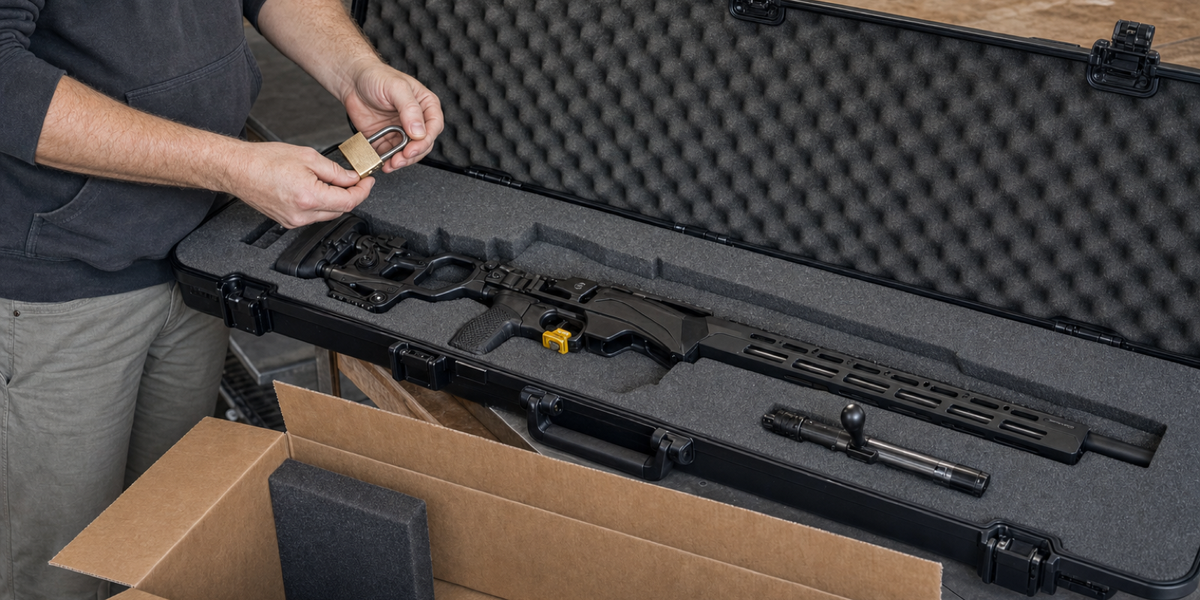
Holdover produced the feature as a fictional pre-closing packing check using official family-level mechanical references. The person, rifle, case, carton, and shipment do not document an actual mailing or a Canada Post acceptance.
Start with eligibility
Section 16 of the federal storage and transport regulations allows an individual to post three classes of firearm: a non-restricted firearm, a restricted firearm, or a prohibited handgun. The destination must be within Canada, and the service must be Canada Post's most secure offered method that requires a signature on delivery.
That list deserves a careful reading. The RCMP mailing section directs other prohibited firearms and all cross-border firearm shipments to an individual or licensed carrier company. Canada Post says firearms cannot be mailed internationally.
Canada Post also tells the sender to contact the Canadian Firearms Program to determine whether a particular firearm may be shipped. That is the first step because a correct box cannot make an ineligible firearm or route eligible.
This article gives the current operating sequence for a domestic individual shipment. Classification, registration, ownership, destination, and any surrounding transfer question still need their own correct answers.
Choose the ground service
Canada Post's consumer page says an individual sender needs a Solutions for Small Business account and must create the firearm label through Snap Ship. The service choice is Regular Parcel or Expedited Parcel. Both stay in the ground lane.
For an ordinary shipment to another adult, add Proof of Age. Canada Post says a firearm sent by an individual produces a Delivery Notice card, and the recipient completes age validation at the post office. Its controlled-items page allows the Signature option in place of Proof of Age only when the destination is an authorized firearms retailer or manufacturer, or law enforcement.
Xpresspost and Priority are excluded because firearms cannot travel by air. Air Stage offices are excluded too. A remote Canadian address can therefore fail the route check even when everything on the packing bench looks right.
The name of the service matters. Faster is the wrong filter for a controlled parcel whose published route stays on the ground.
Pack what Canada Post describes
The physical checklist begins with an unloaded firearm. Canada Post prohibits ammunition anywhere in the same package, including bullets and cartridges.
Attach a secure locking device to the firearm. The consumer page gives a trigger lock or cable lock as examples. Then lock the firearm inside a sturdy non-transparent container, such as a hard firearm case secured with padlocks. Place that case inside anonymous outer packaging with no mark or advertising that reveals the contents.
Cardboard is the outer discretion layer. It does not replace the locking device or the locked case inside it.
Canada Post's two current pages differ on one line. The consumer page says to remove a removable bolt or bolt carrier from any firearm. The controlled-items page says to remove it from an automatic firearm. Follow the broader consumer instruction while Canada Post carries both wordings. For a bolt-action rifle, that means the bolt comes out when it is removable.
The feature photograph stops before the lid closes. The rifle is unloaded and supported in the foam, the action is empty, the bolt sits in its own cutout, the trigger lock is attached, the case padlock is in hand, and the anonymous outer carton waits beside it. That makes the picture a packing check rather than fake evidence of a completed or accepted shipment.
Keep the sources in their lanes
The federal regulation defines when an individual may ship by post and requires the secure signature service. The RCMP page explains the eligible firearm classes and separates domestic post from other prohibited or cross-border shipping. Canada Post sets the account, label, parcel, delivery, packaging, lock, ammunition, bolt, outer-box, and air-route conditions for its network.
Those layers answer different questions. A forum reply can still be useful for finding the official page, learning where a counter process feels awkward, or hearing how somebody protected an optic in transit. It cannot rewrite the carrier's acceptance conditions.
Canada Post leaves responsibility with the sender. Its consumer page also says missing or lost firearms must be reported to police. A sender should therefore save the current page, confirm eligibility, check the route, and build the package against the published list before handing it over.
The tape comes last. Canada Post's firearm checklist starts several decisions earlier.
Sources
- Canada Post, Firearms (including imitation and replica firearms), checked August 12, 2026.
- Canada Post, Ship and receive firearms within Canada, checked August 12, 2026.
- Justice Laws, Storage, Display, Transportation and Handling of Firearms by Individuals Regulations, section 16, current to June 17, 2026 and checked August 12, 2026.
- RCMP Canadian Firearms Program, Authorization to transport - Mailing firearms, checked August 12, 2026.
- Reddit, r/canadaguns, Sending firearms via Canada Post, current community trigger, active August 9-11, 2026.
Keep the first PAL steps in order.
If this piece has you mapping the licence process, keep the official steps and follow-up notes together.
Use the Holdover PAL/RPAL First-Steps Checklist to keep the official forms, course booking, references, photo, fees, and follow-up notes in one place while you work through the process.
Safety note: the checklist is an orientation aid, not legal advice or a substitute for current RCMP/CFP/CFO guidance or instructor direction.