With 36 Olympic places in Doha, Canada entered *six shotgunners*
Canada's published Doha list contains six shotgunners; Lima lists 49 Canadians across three disciplines. The quota routes, new SFC allocation, and finals to follow.
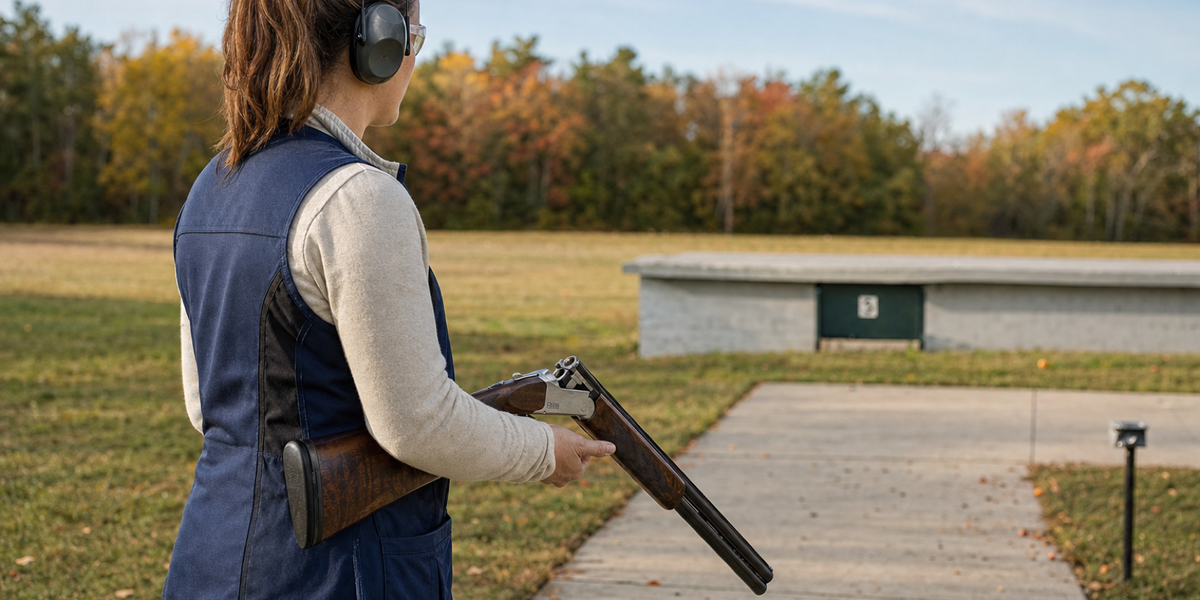
Canada has six names on Doha's published world-championship entry list. Every one is in shotgun. The same championship offers 36 places for the Los Angeles 2028 Olympics across rifle, pistol, and shotgun, making Canada's choice of events worth a closer look.
The ISSF championship period runs November 1-14, with competition starting November 3. Later that month, Canada's published entry list for Lima contains 49 athletes across all three disciplines. Put the two documents together and you get a useful picture of the country's opening Olympic qualification opportunities, with some questions the documents leave unanswered.
Six names on the Doha list
The final entry list names Angad Vir Singh Bajwa, Trysten Curran-Routledge, and Alexander Wong in men's skeet; Madeleine Boyd in women's skeet; and Mackenzie Dedman and Cynthia Meyer in women's trap. Bajwa and Boyd also appear in mixed-team skeet.
No Canadian rifle or pistol entry appears in that final list, linked from the ISSF information page as of October 29. The final-entry deadline was October 2. Start lists and results will tell us who actually competes.
Those six athletes give Canadians three individual events to follow. Their results will also determine whether Canada earns an early Olympic place in those events.
Forty-nine for Lima
The Championship of the Americas runs November 21-December 1 in Lima, Peru. Its October 23 entry list contains 49 Canadians. Counting athletes by their event codes gives 15 in rifle, 18 in pistol, and 16 in shotgun. All six Canadians listed for Doha appear there too.
The rifle entries include Tye Ikeda, Shannon Westlake, and Grzegorz Sych in 50 m three-positions. Tugrul Ozer and Michele Esercitato appear in men's air pistol. Noémis Bélanger, whom Holdover followed ahead of the Cairo World Cup, appears in women's air pistol.
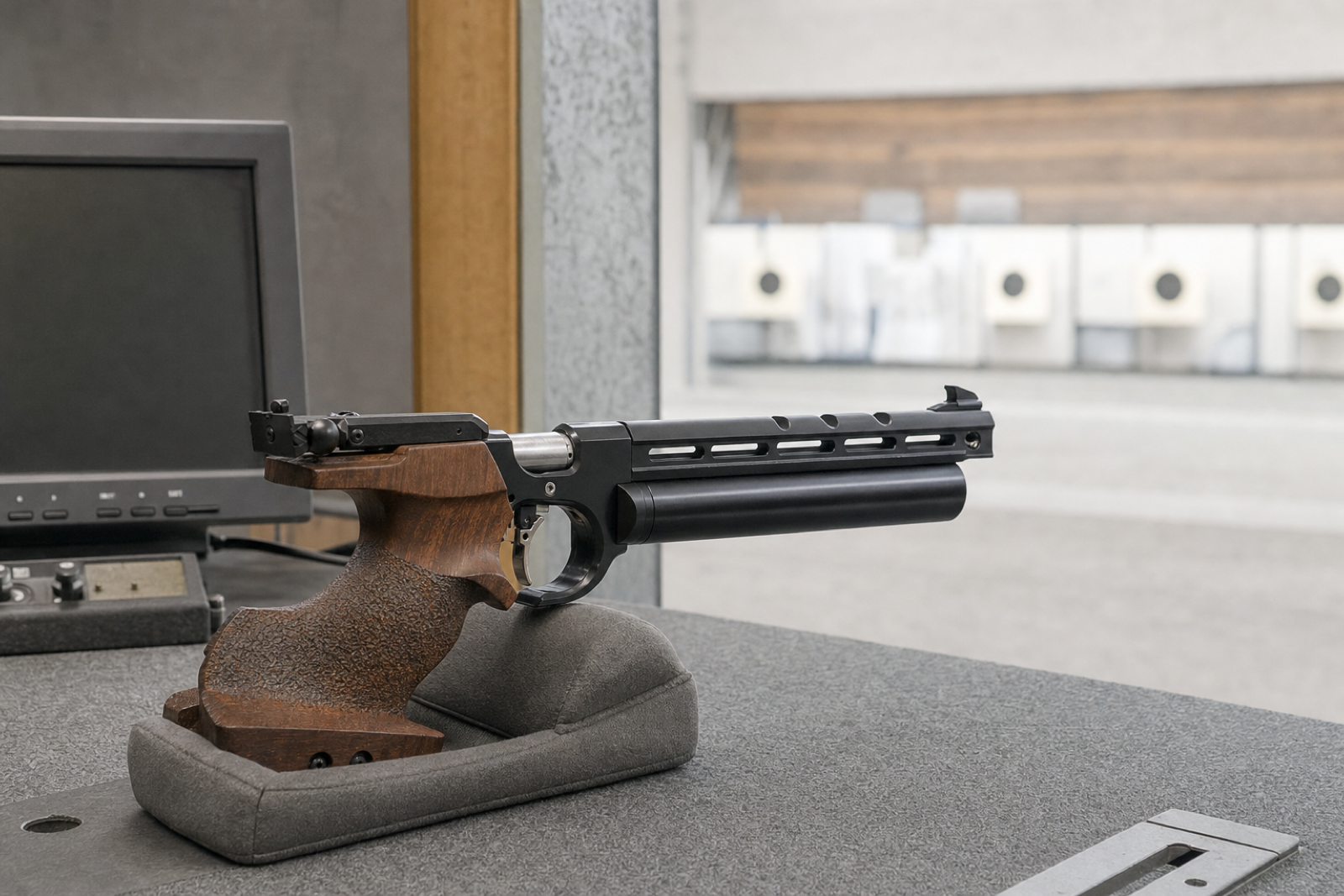
Canada therefore has a substantial rifle and pistol presence on the Lima list. Readers looking for those athletes have a competition to follow later in November. The lists establish entries; they leave travel funding, selection discussions, and late changes outside the picture.
How a quota place works
At either championship, an athlete can earn an Olympic quota place for their national Olympic committee. That secures an entry for the country, with the eventual athlete selection still to follow. The qualification system allows a maximum of two athletes per individual event.
Doha offers three places in each of the twelve individual Olympic events. Lima offers one per event for the Americas. Both demand a qualifying performance, under rules that account for places already earned and country limits. Comparing the numbers alone tells us little about an individual athlete's chances against different fields.
Further opportunities follow. The qualification table includes 2027 World Cups, world championships, and the Pan American Games. A Canadian rifle or pistol shooter absent from Doha still has several possible routes through the cycle. Doha does give its entrants an additional attempt this year.
An extra $330,000 for the federation
On October 22, Canadian Heritage announced a $330,000 supplement for the Shooting Federation of Canada, bringing its Sport Support Program allocation to $715,000 for 2026-27. That is an allocation announcement; the table gives no payment date or Doha travel budget.
SFC's 2025 annual report helps explain the scale. CEO Terry Dillon described $385,000 in annual Sport Canada support, plus membership and insurance revenue, and athletes and coaches who "often self-fund their participation in national and international events." The new supplement equals about 86 per cent of that annual federal figure. It is a meaningful increase, with work beyond the national team competing for it.
The announcement came twenty days after Doha's entry deadline. The public documents inspected for this article do not explain Canada's discipline split or show how SFC will divide the supplement. A budget explanation would need evidence from the federation. Treating the absent entries as proof of one would be unfair.
SFC's current high-performance programme sets goals that include World Cup top-15 results and earning Olympic quota places. Its published national team includes rifle and pistol athletes. Their future competition programmes would be useful places to see the funding at work.
Opinion. After earning my RPAL in 2025, I had to work through access arrangements to begin handgun shooting at the range. That experience makes me pay attention to the cost and access behind a firing-line appearance. At national-team level, athletes need to know which competition costs they can count on having covered.
I would like SFC to explain what the additional allocation changes for them: funded competition opportunities, coaching, or development support, with enough detail to follow the result. An entry list can show participation. An account of athlete support would help explain what made it possible.
Two mornings to watch
The current Doha schedule puts skeet qualification on November 4-6 and the individual finals on November 6. Trap qualification runs November 10-12, with individual finals on November 12.
Viewers in Ontario should plan for early mornings. Doha is eight hours ahead of Eastern Standard Time on those dates. The official schedule separates reporting times from the finals themselves, so check the final's start time before setting the alarm.
Keep the ISSF competition page handy for current start lists, schedule changes, and results. We have six Canadians to follow before the larger Lima entry gets its turn. Those morning finals call for an early coffee.
Sources
- ISSF: Doha 2026 competition information
- ISSF: Doha final entry list by NOC and events, checked October 29, 2026
- ISSF: Doha final competition schedule
- ISSF: Doha summary of deadlines
- ISSF: Lima Championship of the Americas information
- ISSF: Lima entry list by NOC, October 23, 2026
- ISSF: LA28 qualification system, June 19, 2026 version, Asian Shooting Confederation mirror
- Canadian Heritage: 2026-27 Sport Support Program allocations, October 22, 2026
- SFC: Annual report 2025
- SFC: Our teams and current high-performance programme
- Holdover: Noémis Bélanger's Cairo World Cup entry
Keep the range notes worth reading later.
If this piece has you thinking about range time, keep the notes useful enough to read later.
Use the Holdover Range Bench Log Card to record rifle, optic, ammunition, distance, weather, zero, group notes, correction, and next test without turning a range trip into a memory test.
Safety note: the card is a note-taking worksheet, not shooting instruction, load data, legal advice, or a substitute for range rules, official guidance, manufacturer manuals, or qualified instruction.