Twenty-plus helpers behind Carleton's *November range day*
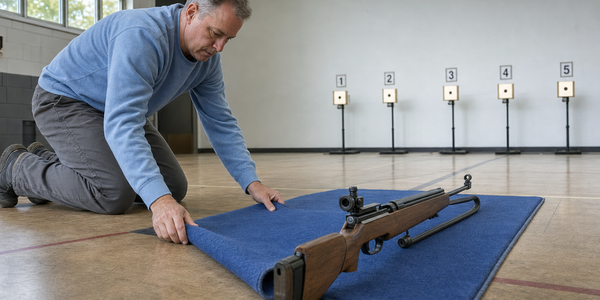
Carleton's firearms association reports more than 40 students and more than 20 helpers at its November range day. Volunteers supplied the equipment and time behind the invitation.

Opinion
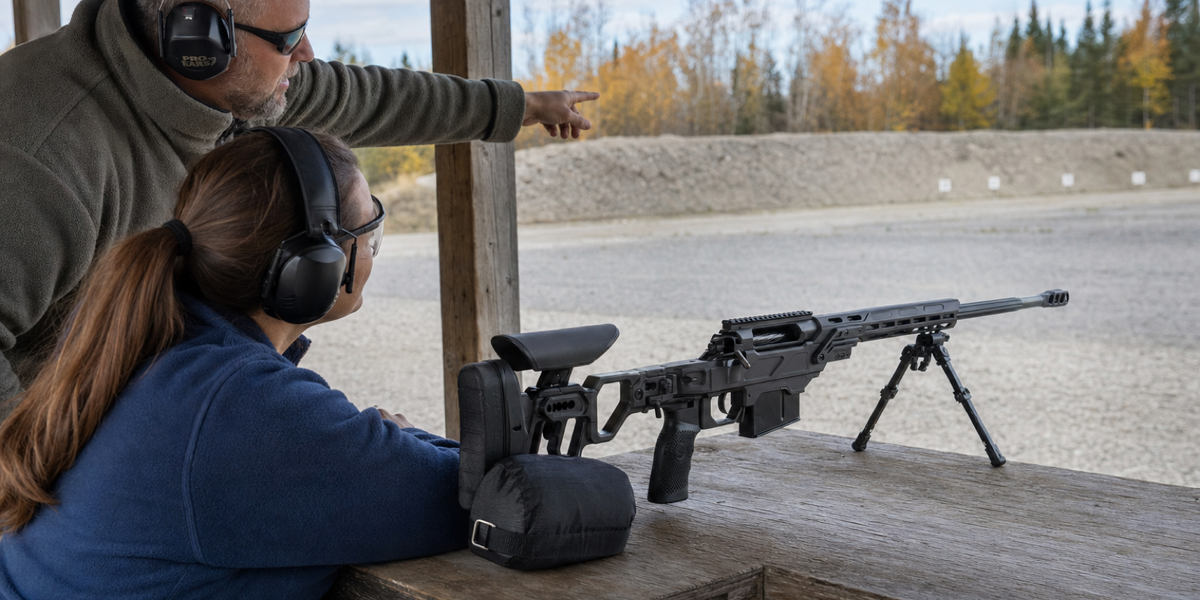
More than 40 students attended the Carleton University Firearms Association's November range day, according to the association's November 16 account. It reports more than 20 volunteers and staff, with more than 30 different firearms available. The organizers thank the people who supplied both the help and the firearms.
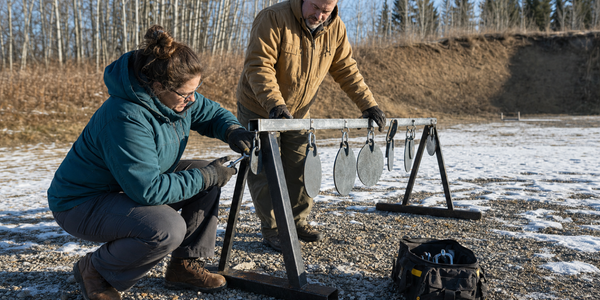
That last part deserves some attention. An invitation to try shooting depends on owners willing to bring their equipment and give up part of their weekend. The visitor gets a place to start. The owner accepts the work of hosting.
The Eastern Ontario Shooting Club's calendar lists a CFA Student Range Day on November 14, from 9 a.m. to 4 p.m., on ranges 8 and 9. That booking provides independent context for the association's report of its November event. The attendance and equipment figures remain the organizers' account.
What the volunteers supplied
The association names volunteers, student staff, and community mentors in its thanks. It says volunteers provided the firearms as well as the people needed for the day. In a reply, the club also credits EOSC for lending its facilities.
A student considering shooting can face an awkward order of operations. Buying equipment makes more sense after getting a little experience, while getting that experience can depend on knowing someone who already owns the equipment. A hosted day gives the visitor a way to try the sport with people prepared to make room.
I like seeing that contribution described in plain terms. The person who brings a rifle is sharing something they have chosen, paid for, and learned to use. They also put themselves beside someone whose questions may start much earlier than an experienced owner's questions. Giving a useful answer takes time.
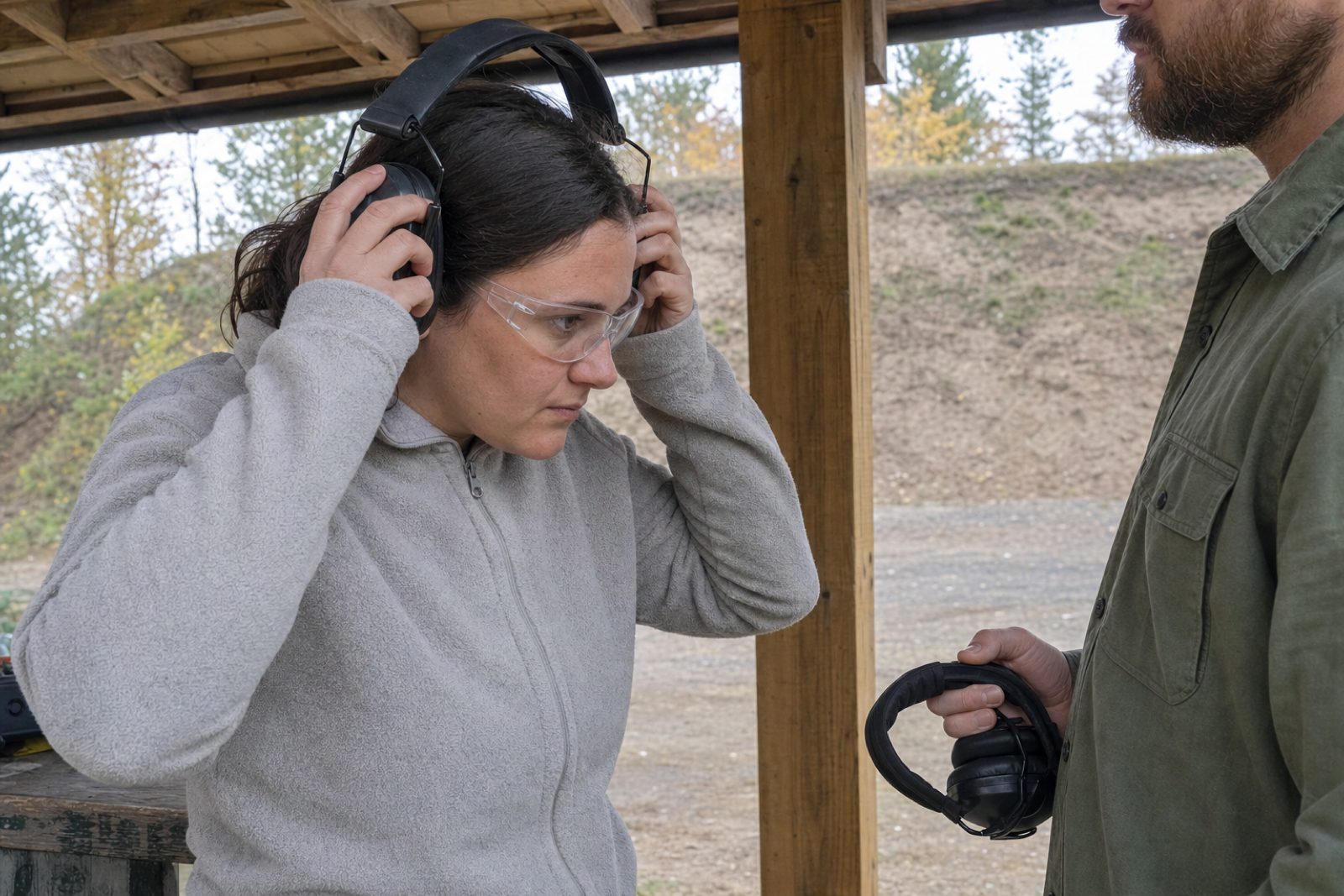
A shared-equipment day asks the host to think about fit, protection, and a clear briefing before a visitor reaches the firing point. Those are things I would want a newcomer to be able to ask about. They belong beside the equipment in any account of what makes a first visit possible.
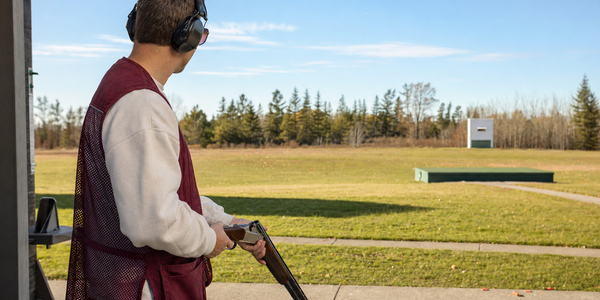
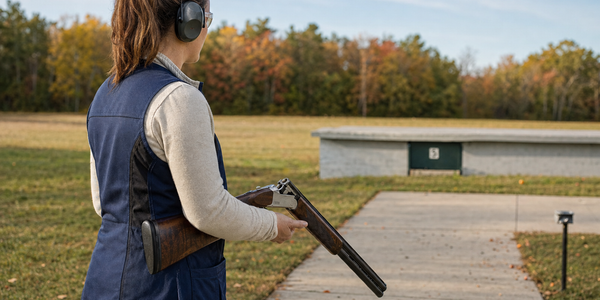
The organizer's posted list ranges from .22 rimfires to centrefire rifles and shotguns. That variety gives an interested student several versions of shooting to ask about. A person attracted by a smallbore rifle may have a different next step from somebody drawn to shotgun sports. A sensible introduction leaves room for both.
I like that an experienced owner can bring a familiar firearm and lend more than the object. The explanation of what it is for, why the owner chose it, and what to try next can help a visitor find an interest of their own.
There is room for a little restraint in the enthusiasm, too. Thirty-plus firearms sounds like an excellent way to discover that the one you like most costs considerably more than you had planned to spend. Trying different types can give a visitor better questions for a later purchase.
A university club with its own purpose
The CUSA club directory describes the association's purpose as helping Carleton students learn about Canadian firearms sports and the community around them. It includes opportunities to experience different firearm types, with an emphasis on competitive shooting. The directory identifies the association as apolitical, non-partisan, and non-profit.
That purpose should stay visible when owners outside the university celebrate its work. A student can be curious about shooting without arriving with a position on every political dispute attached to it. An association can provide a sporting introduction on its own terms.
For Holdover, the owner contribution has value in itself. People who own firearms can make the sport more approachable by offering equipment, patient company, and a place to begin. I would rather give those contributions proper space than enlist the participants in an argument they never agreed to join.
An October invitation and a November report
Our October article followed a different stage of the association's work: an advertised range day, its waitlist, transport arrangements, and the cost of attending. Those details helped a prospective visitor understand an invitation.
The new November report describes a completed event and the resources the organizers say supported it. It gives us a reason to return to the club without assuming the November attendance figure tells us what happened at the October event.
The older invitation also supplies no reliable guide to November's price, transport, or participant conditions. Those terms belong to their own event. Anyone interested in a future day should use the association's current announcement when it appears.
Nor can we count later licence applications, club memberships, or repeat visitors from this post. The available report leaves those outcomes open. A follow-up with documented participation over time would answer a different question.
Credit for the day, clear terms for the next one
For clubs and owners thinking about a similar introduction, the useful example is the relationship between a host facility, organizers, and people willing to share equipment. The association's account gives each a role. A range booking alone cannot supply the volunteers, and a generous equipment list still needs somewhere for visitors to use it.
The next invitation should make those arrangements easy to understand: who may attend, what the host provides, what the visitor pays, and how registration works. Those are practical expectations I would bring to any event asking someone to try an unfamiliar sport.
For this November day, the association has put a substantial volunteer contribution on record. More than 20 helpers, by its count, supported an event for more than 40 students. Those owners and staff deserve credit for offering their time and equipment. The sport needs people prepared to make the introduction.
Follow Canadian shooting and ownership reporting in The Dispatch.
Sources
- Carleton University Firearms Association's November 16 event report and organizer comments, checked November 17, 2026. Attendance and equipment counts are attributed reports.
- EOSC: CFA Student Range Day, November 14, 2026, checked November 17. Scheduled date, time, and range booking.
- CUSA: Carleton University Firearms Association, checked November 17. Club purpose and apolitical identity; its displayed March 2024 event is not a source for November terms.
- Holdover's October invitation and waitlist coverage.
Keep the range notes worth reading later.
If this piece has you thinking about range time, keep the notes useful enough to read later.
Use the Holdover Range Bench Log Card to record rifle, optic, ammunition, distance, weather, zero, group notes, correction, and next test without turning a range trip into a memory test.
Safety note: the card is a note-taking worksheet, not shooting instruction, load data, legal advice, or a substitute for range rules, official guidance, manufacturer manuals, or qualified instruction.