After *altered auction photos*, Landsborough invites affected bidders to write
Landsborough says it has replaced photographs altered by background-removal software. Affected bidders have a lot-specific enquiry route, with no blanket outcome promised.

Reporting and commentary
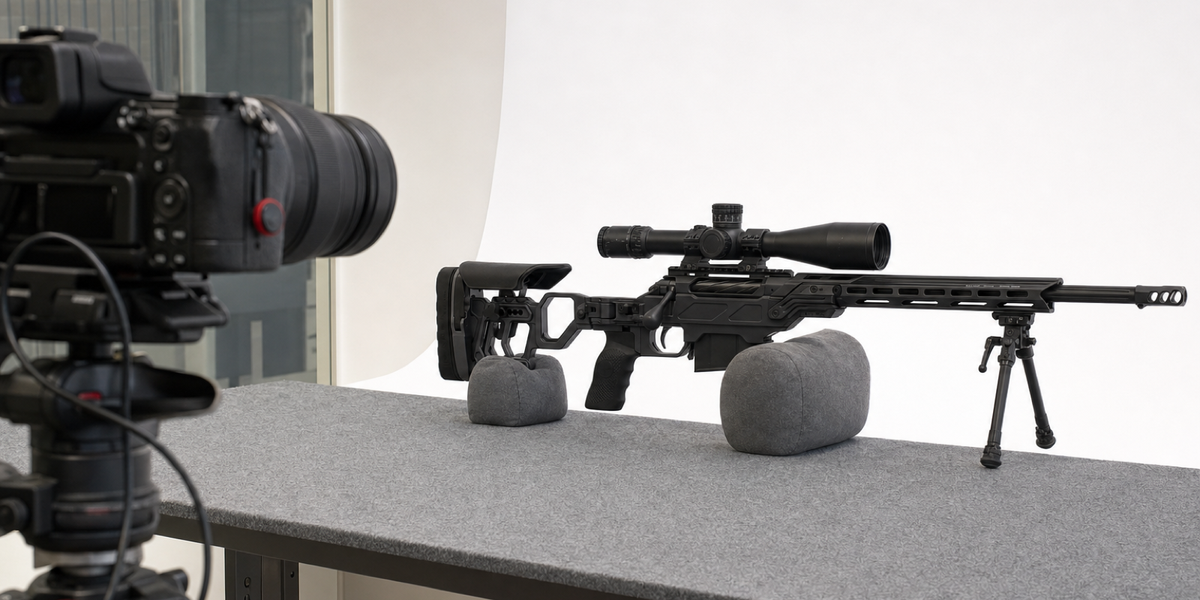
Landsborough Auctions says it has replaced catalogue photographs after background-removal software altered the items themselves. Ahead of its November 14-16 sale, the Burford, Ontario auctioneer has also given affected bidders a route to customer service: identify the bidder and the lot, then ask for a case-specific answer.
For anyone who placed a bid while relying on an earlier photograph, that leaves a practical job. Revisit the lot, ask which images describe the item faithfully, and get a written answer about the bid already placed. The company's public reply offers consideration of the situation. It promises no particular outcome.
What Landsborough acknowledged
In its November 2 statement on Canadian Gun Nutz, Landsborough said a tool intended to remove the white paper background had altered auction objects in a batch of photographs. The company acknowledged the mistake, apologized, and said it was changing its photography process. An update dated November 3 says the affected photographs have been replaced.
That acknowledgement deserves credit. It gives customers a named business taking responsibility and a dated correction to work from. The remaining verification has to happen at the lot level. We have no complete before-and-after set establishing which details changed, and the statement supplies neither an affected-lot list nor a count. The completed replacement is Landsborough's account of the work.
Readers should also keep the forum's responses in their proper place. Forum commenters' suspicions cannot establish what happened to a particular firearm or what the seller will do about a particular bid. Start with the company's statement and your own records.
The photograph carries condition information
I spend my working life thinking about how people see things on a screen. When I'm considering a used rifle, the worn edges are part of what I want to see. A photograph can save a long drive, or help me decide whether the drive is worth making. It needs to leave the interesting marks alone.
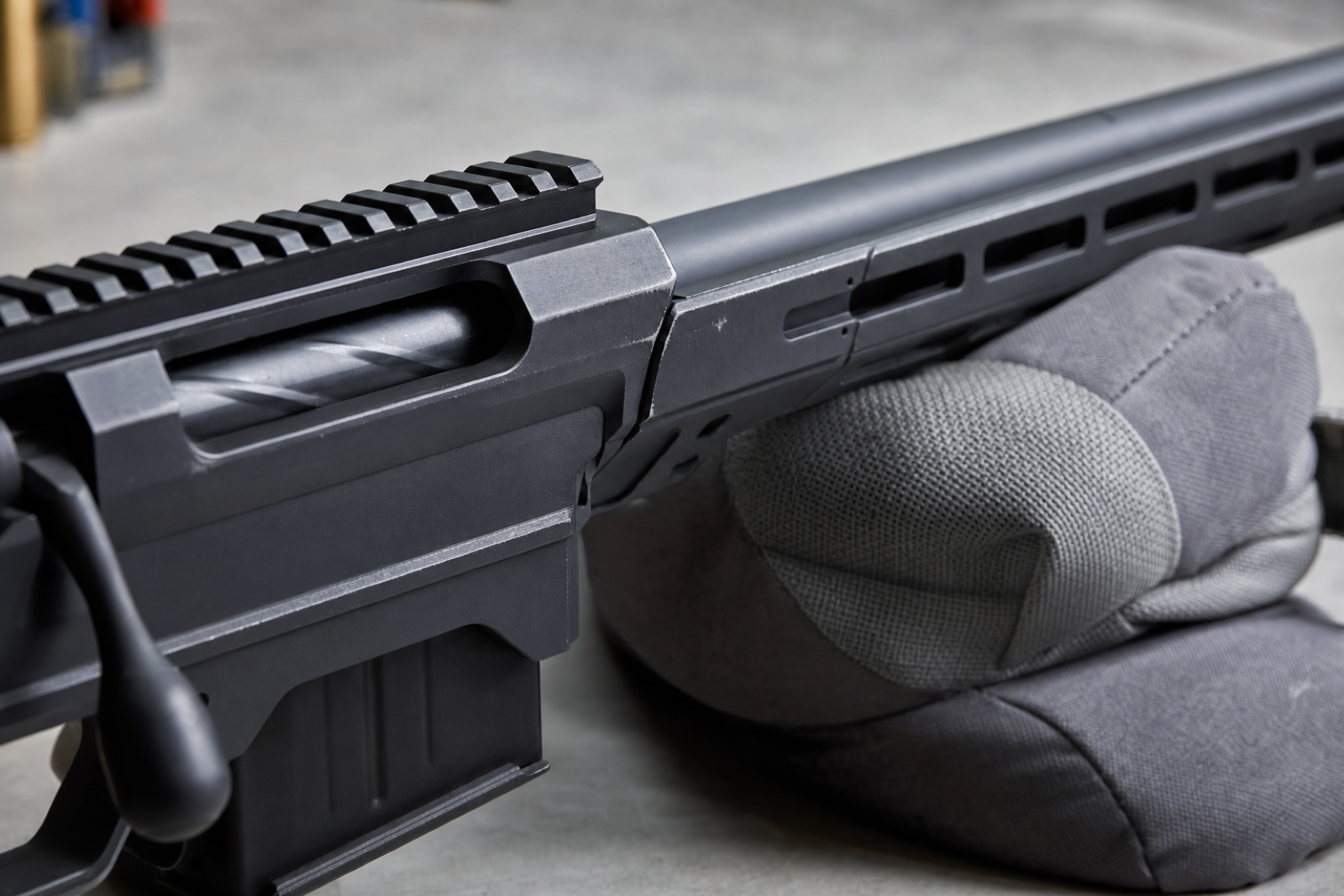
A good catalogue image lets you examine the metal finish, the contact points, and the relationship between parts. Light can reveal a scratch or conceal it. A tight crop can leave a surface beyond the frame. These are reasons to ask for another angle, even when the first photograph looks perfectly ordinary.
Removing a distracting backdrop can help the reader see the item. Once a tool changes the item's shape or surface, the buyer has less reliable information for judging condition. The person preparing the catalogue needs to compare the finished image with the original, including the edges where the object meets its background.
There is room for a very boring production rule here: keep the originals. An untouched file gives the catalogue team a way to check a disputed detail without arguing about what a piece of software probably did. That is useful whether the tool is clever, crude, or simply used badly.
The question for an existing bid
In a November 2 evening reply, Landsborough asked affected bidders to email [email protected] with their bidder number and relevant lot numbers. It said, "we'll see what we can do for you."
Use that route with a precise question. Explain which photograph you relied on and when you placed the bid. Ask whether your lot was affected, which current images the auctioneer considers accurate, and whether it can provide original detail photographs. Then ask it to confirm how it will handle your existing bid.
Keep a copy of the image and description you saw, the lot URL, and the bid confirmation. If the page has changed, say which earlier version concerns you. These records help the auctioneer locate the problem and give you a written account to refer to when it answers.
A reply about one bidder's circumstances applies to that exchange. Someone else's hoped-for cancellation or reset gives you little to work with until the auctioneer confirms its decision about your lot. Leave enough time for that answer before the sale rather than assuming the catalogue correction has settled it.
Inspect the lot you plan to buy
The current sale catalogue links its own terms and preview information. Landsborough's published terms describe sales as final and items as-is, and recommend personal inspection. That wording makes it especially useful to resolve a photo concern in writing ahead of bidding or continuing with an existing bid.
Its bidding FAQ also directs buyers to contact the auctioneer or preview the lot when more information is needed. Check the current preview arrangements if you can attend. If distance keeps you at a screen, request the view you need: the opposite side, a close surface detail, or the part missing from the existing frame. A specific request is easier to answer than asking whether a rifle is in good shape.
Used equipment comes with wear. Buyers can decide how much of it they will accept when the catalogue shows it faithfully. Landsborough has acknowledged the photo problem and says it has corrected the affected images. An affected bidder still needs the exact lot information and a direct written answer about the bid. Those are reasonable things to ask for before the auction begins.
Sources
- Landsborough Auctions, statement and subsequent replies concerning the November 14-16 catalogue, November 2, with a completion update dated November 3; checked November 4, 2026.
- Landsborough, November 14-16 auction catalogue, sale terms, and preview information, checked November 4, 2026.
- Landsborough online bidding FAQ, checked November 4, 2026.
Shortlist the rifle before the checkout page.
If this piece helped you narrow the rifle question, keep the tradeoffs visible before the next tab becomes a shopping cart.
Use the Holdover Rifle Cartridge Shortlist Card to compare use case, distance, recoil, ammunition availability, rifle fit, optics plan, budget, and what you will actually practice.