ZEISS V3: the *cold-weather number* in the manual
ZEISS describes -40°C cold testing. The V3 manual publishes -20°C to +50°C for operation. We follow the exact-model figures for a Canadian winter purchase.

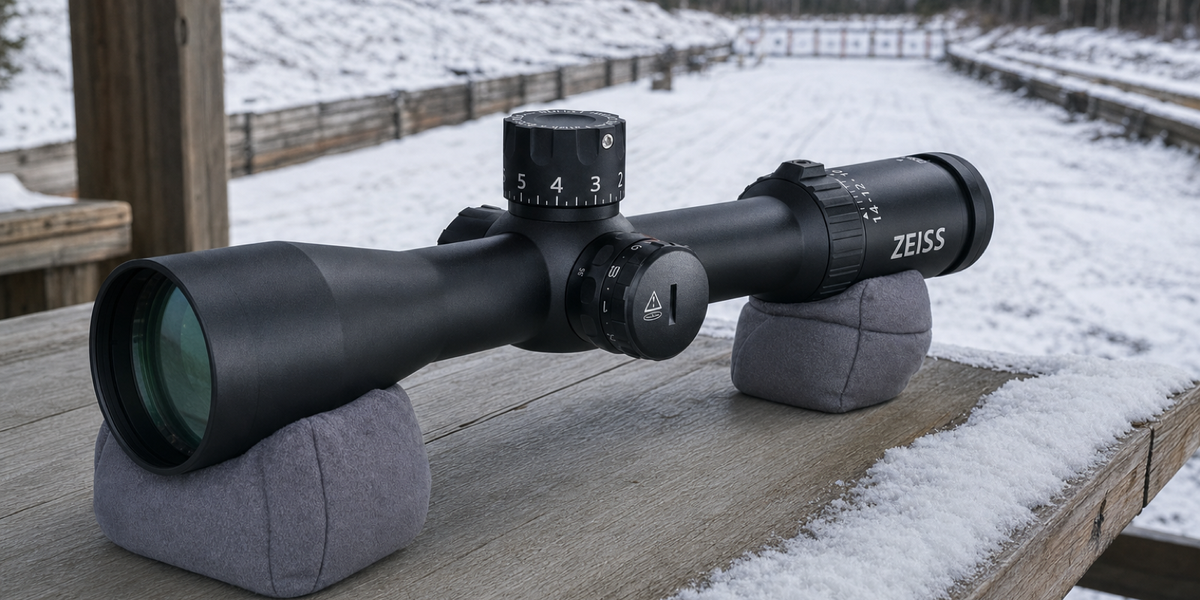
ZEISS describes chilling hunting optics to -40°C in its general test material. Open the company's V3 owner's guide and the operating table gives a range of -20°C to +50°C. For a Canadian winter purchase, I would start with the second figure.
AccurateShooter's November 22 article brought ZEISS's environmental testing back into view: cold, sudden temperature changes, shock, vibration, and water. The programme predates that article. Its current appeal is easy to understand when you're looking at optics for a season that involves gloves and frozen benches.
The useful question is how those test descriptions connect to the exact scope you're buying. ZEISS publishes enough detail to make that comparison. Follow the model through the documents and the numbers become more specific.
The number attached to the model
In its general testing description, ZEISS says it freezes optics to -40°C and changes temperatures from -25°C to +50°C in under five minutes. The company describes testing materials to their limits. That tells a buyer something worthwhile about the stresses its development work considers.
The North American V3 user guide supplies the operating figure for the named product. Across the six models in its specification table, ZEISS prints -4°F to +122°F. Convert those numbers and you get -20°C to +50°C. The current V3 product page carries the same operating range.
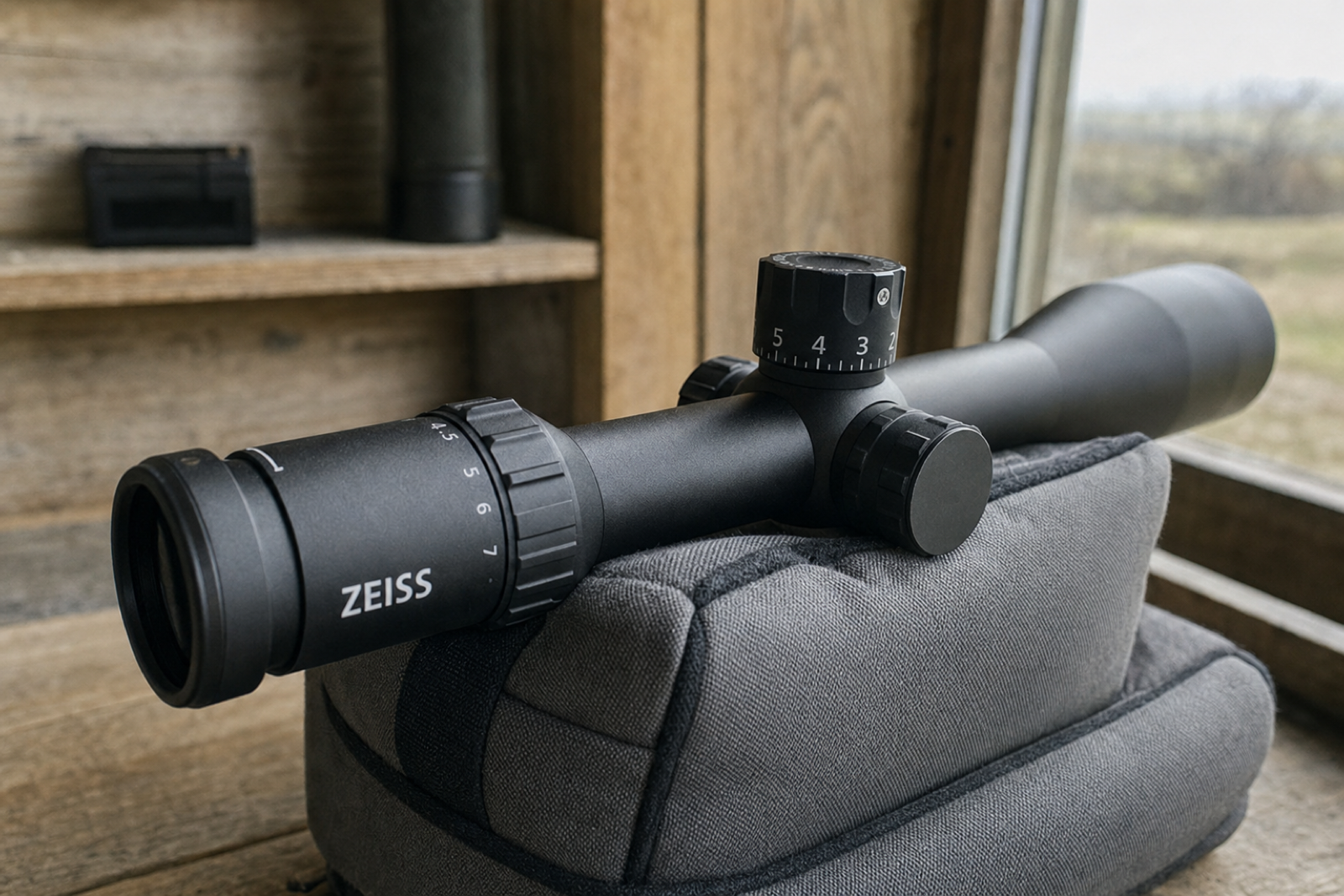
Those documents answer different questions. A material-limit exposure describes a test condition. An operating specification describes the range the manufacturer publishes for use. The general page leaves the reader without a model-by-model test report connecting every cold-chamber exposure to every scope sold under the name.
For a planned session colder than -20°C, the published V3 range gives you a concrete reason to ask ZEISS about that use or compare a different model's specification. It establishes no automatic failure at the next degree below the stated range. It also gives you no basis to extend that range yourself.
A buyer shooting comfortably inside it can reach a different decision. The sensible question is whether the exact scope fits the job, including the conditions you expect to use it in.
Even the shock figures have a model
ZEISS's V3 product information describes different shock tests within the same family. The rimfire model went through more than 800 cycles at 800 g, with final tests at 1,200 g. For the other V3 models, ZEISS lists more than 800 cycles at 1,000 g and final tests at 1,500 g.
Here, g expresses acceleration relative to gravity. The figures belong to the manufacturer's development claims. They give the buyer a more precise account than a broad statement that a brand shock-tests its optics.
They also show the value of keeping the model name attached. The rimfire and centrefire figures differ even within V3. Choosing the largest number from the page would lose that information.
There is a fair case for the manufacturer's approach. ZEISS sets out demanding development tests and publishes an operating table. Buyers can value both, with each statement read on its own terms. The documents inspected here still leave the performance of your particular scope, mounting arrangement, and rifle to be established on that equipment. A development shock figure alone supplies no measurement of how that combination will track or hold zero through your winter.
One metre, one hour
Waterproof claims need the same care. The V3 manual specifies immersion at one metre for one hour, a condition repeated in the July 2026 V3 brochure.
AccurateShooter's general testing article describes a deeper, longer immersion. The exact V3 specification gives a buyer a model-specific depth and duration to use when comparing claims. Carrying the broader demonstration over to the V3 would turn one stated condition into another.
There is plenty of useful information in a specification that names its conditions. Keep the depth and the time together. Keep the model with them. A single word such as waterproof asks the reader to do considerably more guessing.
What I would ask about a winter purchase
For this purchase, I would keep the exact model code and its operating table beside the intended use. If that use extends below the published lower temperature, I would want the manufacturer's answer before paying for the scope.
The answer should identify that model and those conditions. A link to the same general cold-test presentation would leave the original question open. Another model might have a published range that suits the requirement; that comparison needs its own current document check.
Holdover has already examined the V3 rimfire's fixed parallax and Canadian offer. This is another part of choosing the configuration that fits: one buyer can accept fixed parallax, another can need adjustment, and a winter buyer can have a temperature requirement that changes the shortlist.
ZEISS's testing gives you a reason to examine its optics seriously. Keep the V3 manual beside that presentation, then judge the scope against the winter you actually intend to use it in. I would want a specific answer about that use before the purchase.
Follow Canadian gear reporting in The Dispatch, Holdover's free weekly newsletter.
Sources
- AccurateShooter, November 22, 2026, current discussion of the established ZEISS testing programme: https://bulletin.accurateshooter.com/2026/11/zeiss-does-rigorous-optics-testing-in-extreme-conditions/
- ZEISS, current general environmental-testing description: https://www.zeiss.com/photonics-and-optics/us/hunting/content/confidence-in-the-toughest-conditions.html
- ZEISS, V3 North American user guide, specification tables on printed pages 34–35: https://www.zeiss.com/content/dam/pno/downloads/riflescopes/manuals/manual-zeiss-v3.pdf
- ZEISS, current V3 model, testing, and operating specifications: https://www.zeiss.com/photonics-and-optics/us/hunting/products/riflescopes/v3.html
- ZEISS, V3 consumer brochure, version 1, July 2026: https://www.zeiss.com/content/dam/pno/downloads/riflescopes/brochures/brochure-zeiss-v3.pdf