Make the new semi-auto *earn it*
Fresh Canadian threads around BAR-style rifles, Makasi, and Carmel preorders point to the same rule: non-restricted status matters, but it is not a substitute for proof.

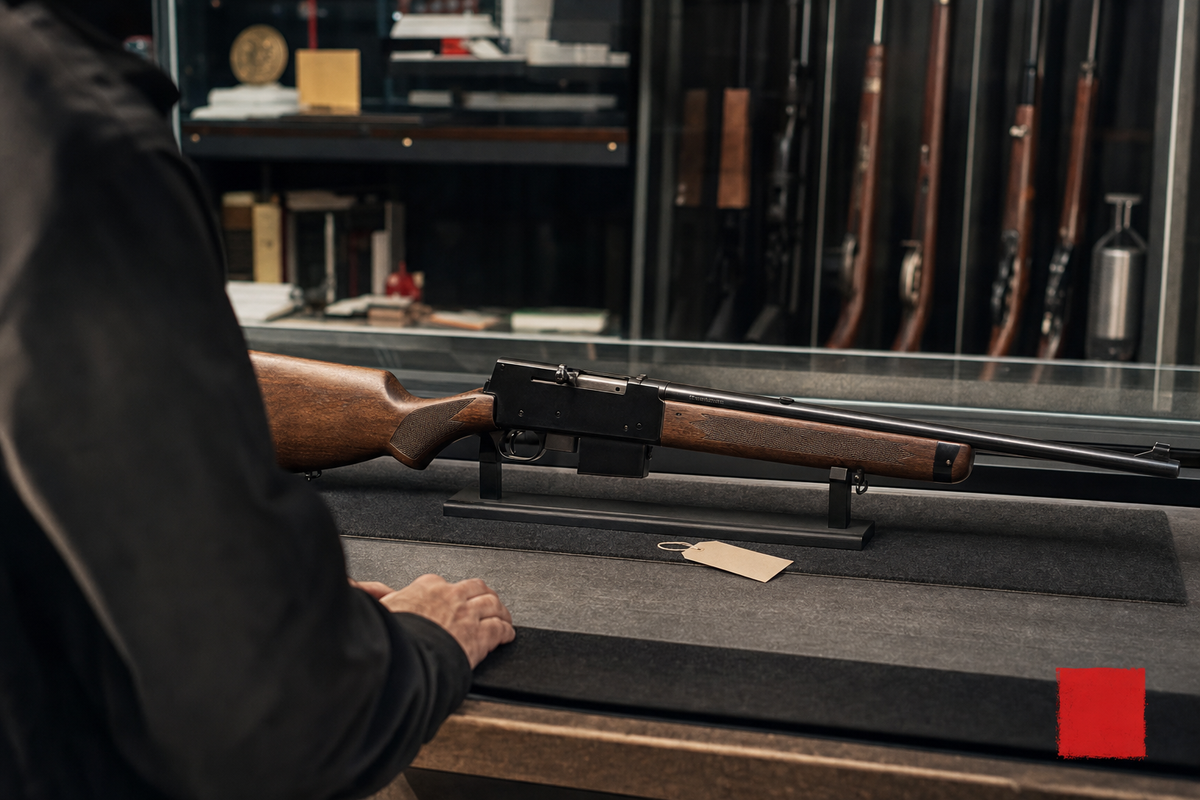
Opinion. A Canadian semi-auto can be legal, interesting, and still unproven.
That is the useful lesson under a fresh r/canadaguns thread about Kodiak Defence reportedly working on a Browning BAR-style rifle with detachable magazines. The same feed is full of another very Canadian question: Makasi, Carmel, both, or neither? Meanwhile, Canadian retailers have preorder pages open for 18.6-inch, non-restricted semi-auto rifles in 5.56, and a limited Canadian Browning BAR MK4 DBM Hunter listing sits there with a Q4 2026 estimate.
The market is trying to breathe again.
Good. Let it.
Just do not confuse breathing with running.
Why the interest is rational
Canadian shooters are not wrong to be interested in this stuff.
Former Bill C-21 codified the national handgun freeze and, in Public Safety Canada's own words, includes measures prohibiting new makes and models of certain firearms. The December 2024 prohibition backgrounder added 324 makes and models to the list while insisting that more than 19,000 non-restricted makes and models remained available for hunting and sport shooting.
That last number sounds comforting until you remember what the market actually feels like at the counter. The legal shelf is still large if you count every bolt-action hunting rifle, rimfire, shotgun, lever gun, and old sporting design. The semi-auto centrefire shelf is narrower, stranger, and more nervous than it was six years ago. Buyers have learned to read a retailer listing the way normal people read a mortgage contract, except with more acronyms and a higher chance of regret.
So when a BAR-style idea appears, or a Makasi preorder page says non-restricted, or the IWI Carmel returns in a Canadian configuration, the interest is not just gear lust. It is a sign that lawful owners still want normal sporting rifles in a country that keeps making normal feel suspicious.
That is not a loophole. That is a market signal.
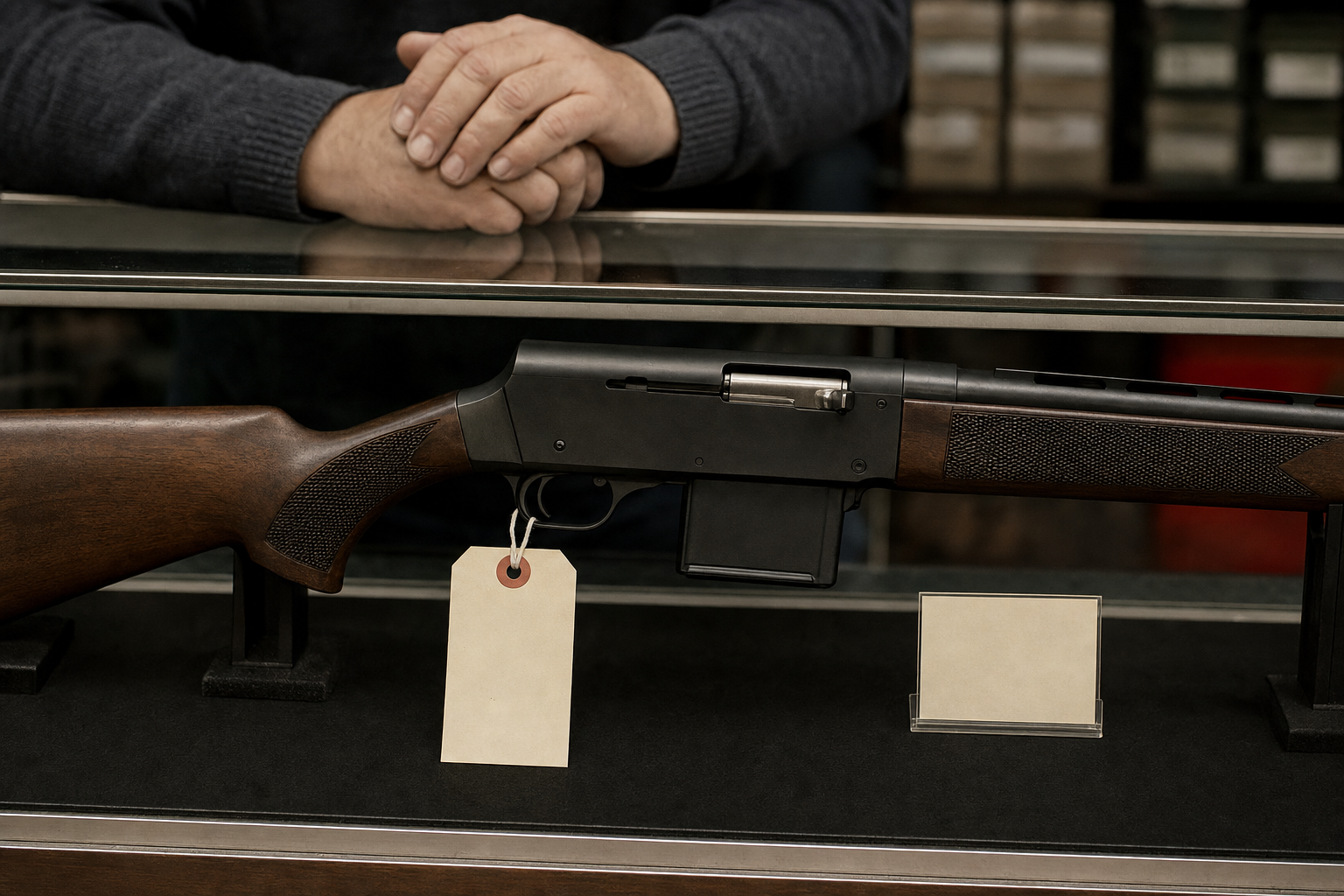
Ordinary does not mean proven
The Browning BAR is a useful anchor because it is not exotic.
I own a BAR MK3 Hunter in .300 Win Mag. It is a sporting semi-auto hunting rifle, not a political manifesto with a recoil pad. It belongs to a long, ordinary category of firearms Canadians have used without anyone needing a press conference to explain why civilization survived the experience.
That is why the BAR-style discussion is interesting. If Canadian manufacturers can build lawful, modern sporting semi-autos around older, accepted operating ideas, that tells us something important. It tells us the industry is still thinking. It tells us there is demand. It tells us designers are trying to find stable ground in a classification system that has made "will this still be here next year?" part of the buying process.
But it does not tell us whether the rifle is good.
That part still has to be earned. Not by a screenshot. Not by a preorder counter. Not by a forum argument where everyone suddenly becomes a firearms engineer after lunch. A rifle earns it by feeding, extracting, locking, holding zero, keeping parts attached, taking normal maintenance, finding magazines, getting warranty support, and doing all of that after enough rounds to make the first-week excitement irrelevant.
Canada has seen the other version. We have watched new semi-autos arrive with hope attached, then spend their first year being debugged by customers who paid full retail for the privilege. The comment thread remembers that. Some of the skepticism around Canadian-made semi-autos is rude. Some of it is earned.
Both things can be true.
Scarcity is not evidence
The dangerous sentence in this market is "when else will I get the chance?"
That sentence has separated Canadian shooters from a lot of money. Sometimes it worked out. Sometimes the rifle became a favourite. Sometimes the buyer ended up owning a very expensive lesson with a sling.
The post-OIC market intensifies that pressure. If a rifle is non-restricted today, listed by a Canadian retailer today, and expected in summer 2026, it starts to feel like a train leaving the station. Add limited allocation, an FRT claim, a deposit button, and a few social posts, and suddenly a normal buying decision starts wearing emergency lighting.
That is when buyers need to slow down.
Ask boring questions. Has the exact configuration landed in Canada? Has anyone outside the sales channel fired it hard enough to find the weak parts? What happens if classification changes before pickup? Is the refund cash, card reversal, or store credit? Who imports parts? What magazines actually ship with it? Is there a Canadian warranty path that does not become a winter hobby? Has the rifle done 500 rounds without turning its owner into a small-claims paralegal?
None of those questions is anti-industry.
They are pro-owner.
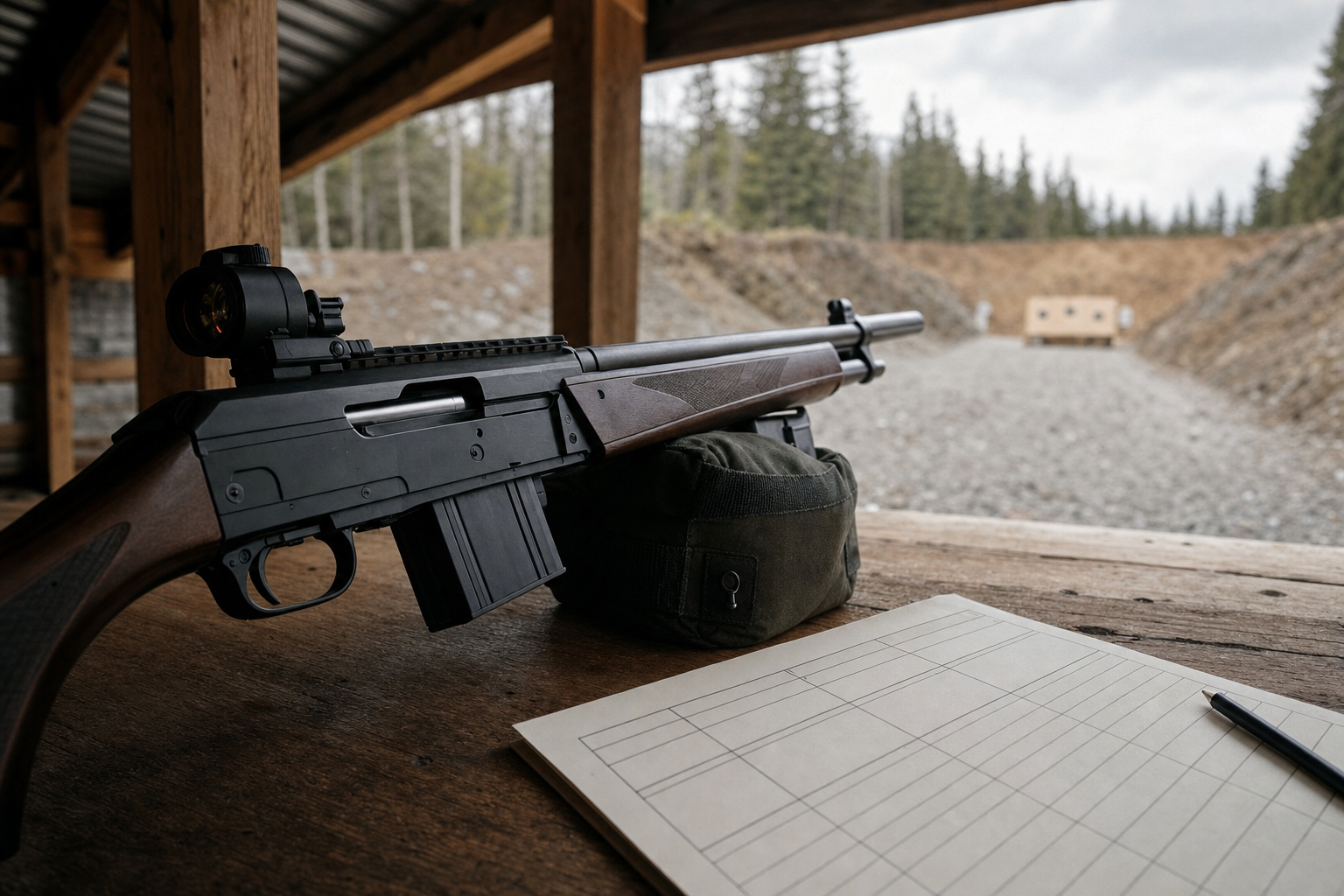
The better argument for ownership
The best case for lawful firearms ownership in Canada has never been that every product deserves applause.
The case is that licensed owners are serious enough to tell the difference between a right direction and a finished rifle. We can want the semi-auto market back without pretending every new option is automatically a victory. We can support Canadian manufacturers without treating quality control as disloyalty. We can criticize bad policy and still expect good engineering.
That matters politically because Ottawa keeps flattening this world into slogans. "Assault-style." "Common sense." "Buyback." "Freeze." The words are built to make categories feel obvious and owners feel suspect.
The actual community is more demanding than that. It argues about gas systems, magazine geometry, barrel length, parts support, classification risk, and whether a rifle will survive ordinary use. It remembers the products that disappointed people. It notices when a manufacturer tries something useful. It knows that being lawful is the floor, not the finish line.
That is the posture newer shooters should inherit.
Welcome more lawful choices, then stay skeptical enough to remain solvent. Scarcity is a sales pitch when judgment gets tired, and politics can turn a normal rifle purchase into a panic exercise. If a new semi-auto is going to live in the safe beside proven rifles, it should earn the space the old-fashioned way: on the range, over time, with fewer excuses than rounds fired.
I want this market to come back.
I also want the rifle to earn it.
Sources
- Reddit / r/canadaguns, Kodiak Defense is working on making browning BAR clones with detachable mags apparently, posted 21 hours before access on June 18, 2026.
- Reddit / r/canadaguns, Makasi, Carmel, Both, or Neither?, accessed June 18, 2026.
- Kodiak Defence, Home, accessed June 18, 2026.
- Browning Canada, 2026 Browning Canada Catalog, BAR magazine page, accessed June 18, 2026.
- Dante Sports, Browning BAR MK4 DBM Hunter, accessed June 18, 2026.
- Bullseye North, PRE-ORDER: Makasi MK-15 5.56 NATO Sporting Rifle 18.6, accessed June 18, 2026.
- RDSC, Brigade MFG Makasi MK-15 preorder, accessed June 18, 2026.
- Public Safety Canada, Former Bill C-21: Keeping Canadians safe from gun crime, accessed June 18, 2026.
- Public Safety Canada, Government of Canada extends list of prohibited assault-style firearms and moves forward on regulatory changes to strengthen gun control, December 5, 2024, accessed June 18, 2026.
- Justice Laws, Regulations Prescribing Certain Firearms and Other Weapons, Components and Parts of Weapons, Accessories, Cartridge Magazines, Ammunition and Projectiles as Prohibited or Restricted, current to May 26, 2026, accessed June 18, 2026.
Shortlist the rifle before the checkout page.
If this piece helped you narrow the rifle question, keep the tradeoffs visible before the next tab becomes a shopping cart.
Use the Holdover Rifle Cartridge Shortlist Card to compare use case, distance, recoil, ammunition availability, rifle fit, optics plan, budget, and what you will actually practice.
Safety note: the card is a planning worksheet, not buying advice, legal advice, hunting guidance, load data, or a substitute for current manufacturer, range, provincial, federal, or qualified-instructor guidance.