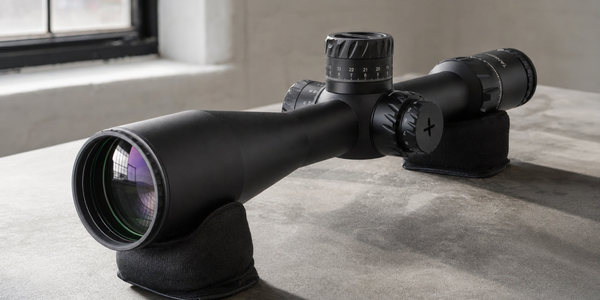
Buy the scope that *teaches*
A current Canadian optics guide and an active new-shooter scope thread point at the same lesson: your first precision scope should teach you repeatability before it teaches you brand loyalty.

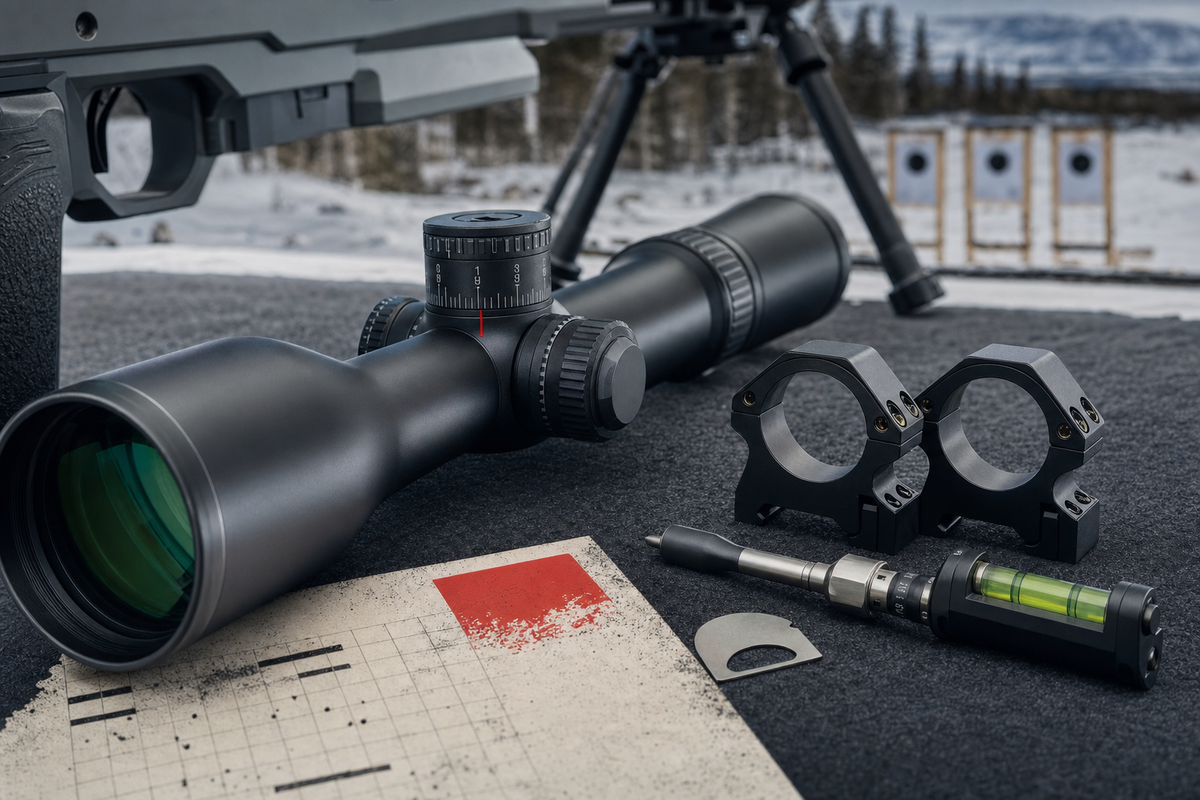
Opinion. A first precision scope should make you harder to fool.
That is the practical lesson sitting under two current Canadian optics conversations: Victory Ridge Sports published a June 16 guide on choosing a rifle scope by use case, magnification, focal plane, budget, and mount quality, while an active Canadian Gun Nutz thread has a newer .223 precision shooter asking the exact question that matters: what should I put on the rifle if I want to learn?
The internet wants that question to become a brand fight. Canadian shooters deserve a better answer.
Buy the scope that teaches.
Magnification is not the purchase
The first trap is thinking you are buying power.
You are buying a way to see, adjust, return, and trust. Magnification is part of that, but it is only one part. A clear 4-16x or 5-25x that tracks properly will teach more than a bargain optic with a giant top number and mushy adjustments. The thread on CGN got there quickly. People were talking about glass, repeatability, reticle stability, eye relief, trying the scope before buying, and whether the budget should chase a used better optic instead of a new weaker one.
That is the right argument.
I have lived with a fairly wide optics shelf here: Vortex Strike Eagle 5-25x56 FFP glass on Cadex rifles, a Vortex Razor HD Gen II on the 6.5 Creedmoor Cadex, a Vortex Diamondback Tactical 4-16x44 on a Benelli Lupo, a Cabela's Covenant 7 5-32x56 on the Lupo HPR, and a Primary Arms SLx 1-6x24 on a .308 Bronco. Those are different tools for different jobs. None of them become better because the magnification ring has a larger number printed on it.
What matters first is whether the scope helps you diagnose what happened.
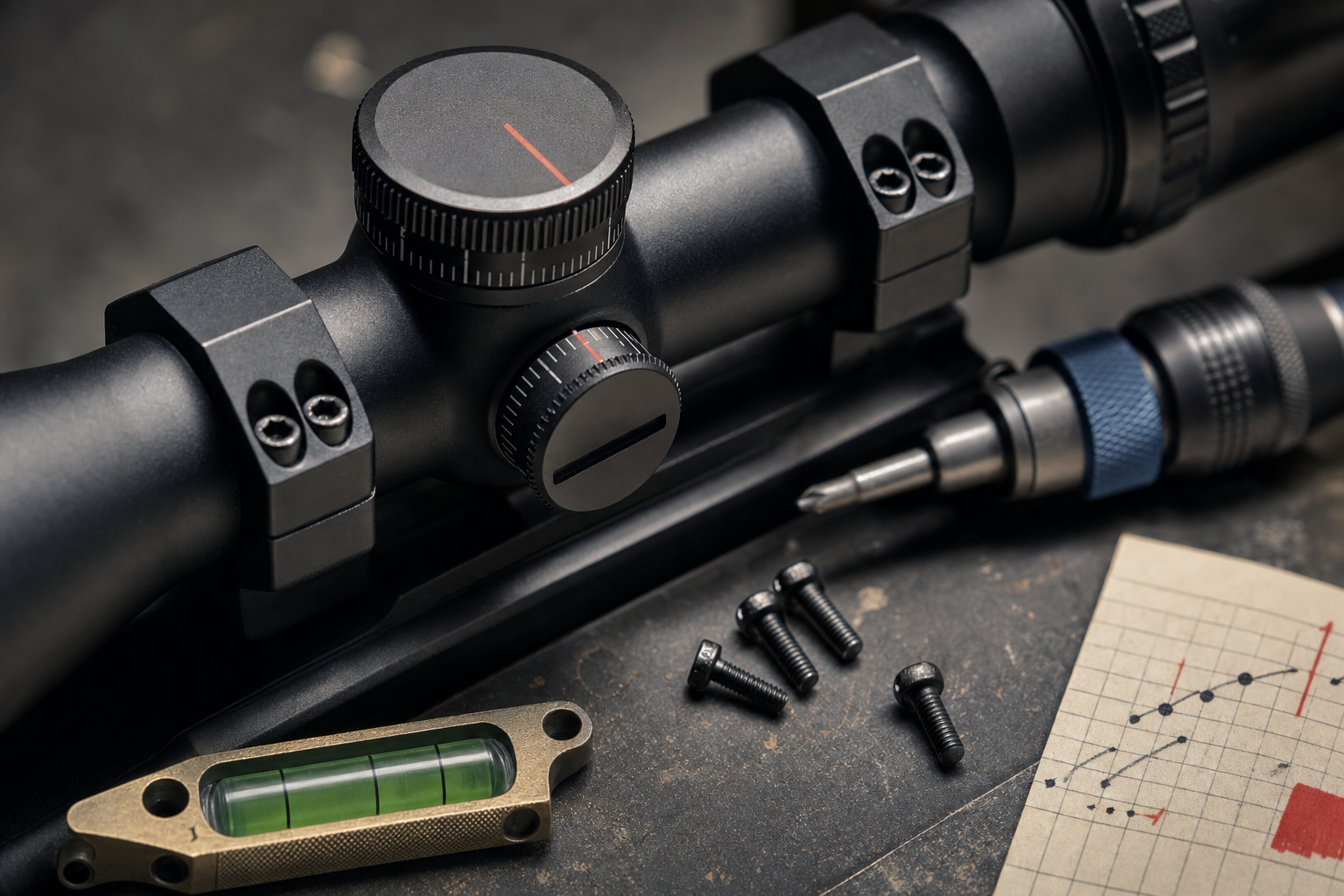
Did the adjustment move what it said it moved? Did it return? Can you see the target well enough to aim consistently without chasing shimmer and wobble? Can you read the reticle under the conditions you actually shoot in? Does the parallax adjustment make sense to your eye? Did the rings and base stop being a variable?
That is the purchase.
Your eye gets a vote
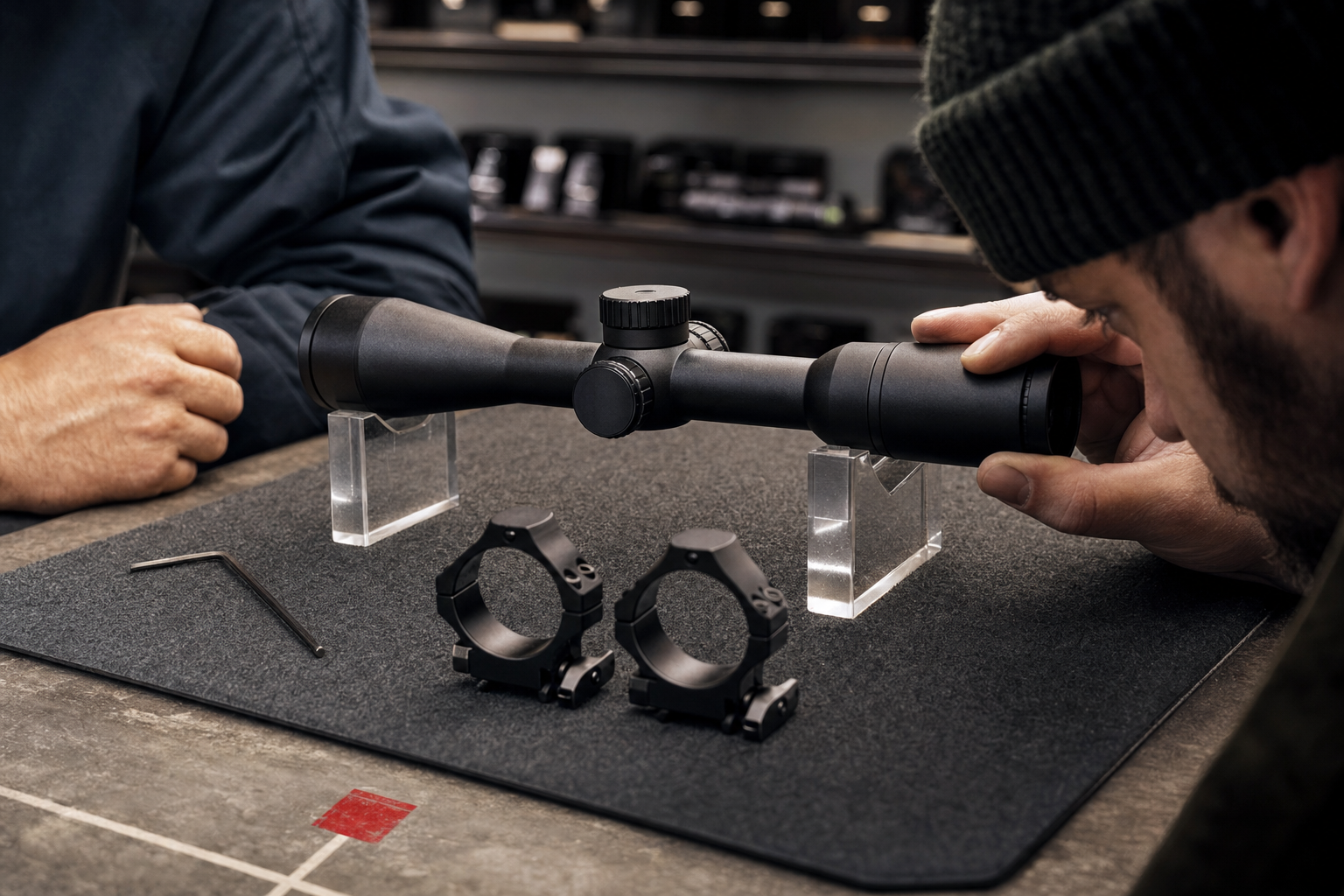
One of the better pieces of forum advice was simple: look through the thing.
That sounds almost too obvious, which is why people skip it. Spec sheets are easy. Eye boxes are not. A reticle that looks perfect in a screenshot can feel busy, faint, thick, or wrong when the light changes and your breathing is making a small problem honest.
Victory Ridge's guide does the useful beginner thing by sorting the decision around the rifle, the hunt or range job, magnification range, first versus second focal plane, and budget. It also points to the parts people forget to price, especially rings and bases. Good. A scope that is under-mounted is not a bargain. It is a future explanation.
For the newer Canadian shooter in that CGN thread, the use case was broad enough to be familiar: .223 precision, paper at 100 to 300, steel farther out, and a budget that could stretch if it had to. That is exactly where the first-scope question gets dangerous. The cheap optic seems tempting because the rifle already cost money. The expensive optic seems tempting because it makes the whole setup feel settled.
Neither feeling is evidence.
The evidence comes after a few range trips, when you find out whether the scope is helping you build a record or just decorating the rifle.
Leave money for the lesson
New shooters should budget for the whole lesson, not only the glass.
That means rings, base, torque tools if needed, a way to take range notes, ammunition, range time, and enough patience to stop changing variables every ten minutes. The boring money matters because a scope is only useful if it lives inside a repeatable setup.
Canada makes that discipline more important, not less. The last six or seven years of federal firearms policy have trained licensed owners to feel like every buying decision might become a deadline, a classification argument, an OIC argument, or a future regret. I understand the pressure. I also think it makes bad gear decisions easier.
Do not let political urgency turn your first optic into a panic buy.
If the scope is for learning precision, buy around repeatability. If the rifle is a .223 trainer, let the optic teach wind calls, clean holds, turret trust, and what your own wobble looks like. If the rifle will later carry a better optic, fine. Start with something that can make your mistakes readable enough that the upgrade has a reason.
The range does not care what brand won the thread.
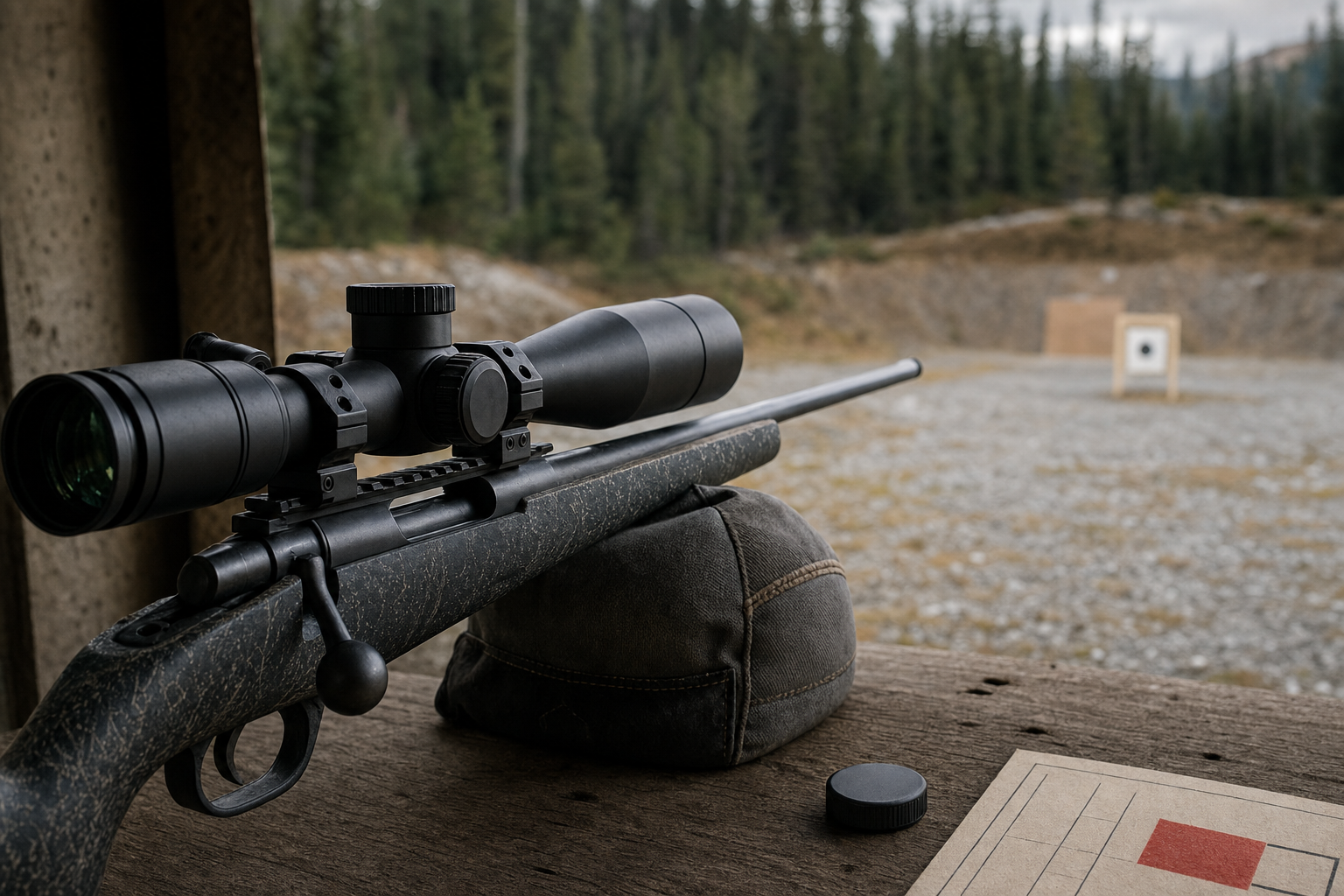
It cares whether the rifle, scope, mount, ammunition, and shooter repeat the same process twice.
The first optic should make you honest
There is a quiet status game in precision gear. Everyone says they are immune to it. Nobody is fully immune.
That is why the first serious scope should be judged by a plain standard: does it make the shooter more honest?
An honest scope reveals the break in your position. It exposes a zero that was only half-confirmed, a mount that should have been better, a parallax setting that got ignored, a reticle choice that does not suit your eye, or a wind call that was a guess wearing a nicer shirt.
That is good. That is the point.
Newer shooters do not need their first precision optic to settle every future question. They need it to create better questions. Why did that group shift? Why did that correction not come back? Why does the reticle disappear on a dark backer? Why does 25x make me feel less stable than 16x? Why did a better ring set make the rifle feel boring in the best possible way?
Those questions are how the hobby gets its hooks in.
The current Canadian optics conversation is useful because it is ordinary. A retailer guide. A forum thread. A new shooter trying to spend the money once instead of twice. No grand announcement. No court filing. No minister standing at a microphone.
Just the culture doing what healthy cultures do: arguing, comparing, warning, helping, and trying to keep the next person from buying the wrong lesson.
So buy the scope that teaches.
Buy enough glass to see. Enough tracking to trust. Enough reticle to learn. Enough mount to stop blaming mystery. Then keep enough money for the ammunition and range time that will make the optic useful.
The best first precision scope is not the one that wins the comment section.
It is the one that makes your next mistake easier to understand.
Sources
- Victory Ridge Sports, How to Choose the Best Rifle Scope for Your Budget, Rifle, and Hunt (2026 Guide), June 16, 2026.
- Canadian Gun Nutz, Which scope for .223 precision target shooting?, accessed June 17, 2026.
- Canadian Gun Nutz, Which scope for .223 precision target shooting? page 2, accessed June 17, 2026.
Keep the range notes worth reading later.
If this piece has you thinking about range time, keep the notes useful enough to read later.
Use the Holdover Range Bench Log Card to record rifle, optic, ammunition, distance, weather, zero, group notes, correction, and next test without turning a range trip into a memory test.
Safety note: the card is a note-taking worksheet, not shooting instruction, load data, legal advice, or a substitute for range rules, official guidance, manufacturer manuals, or qualified instruction.