Two C$500 clay throwers, *two ways* to practise alone
Two Canadian C$499.99 listings answer solo clay practice differently: foot-powered cycling at the machine, or a battery and a remote release pedal.

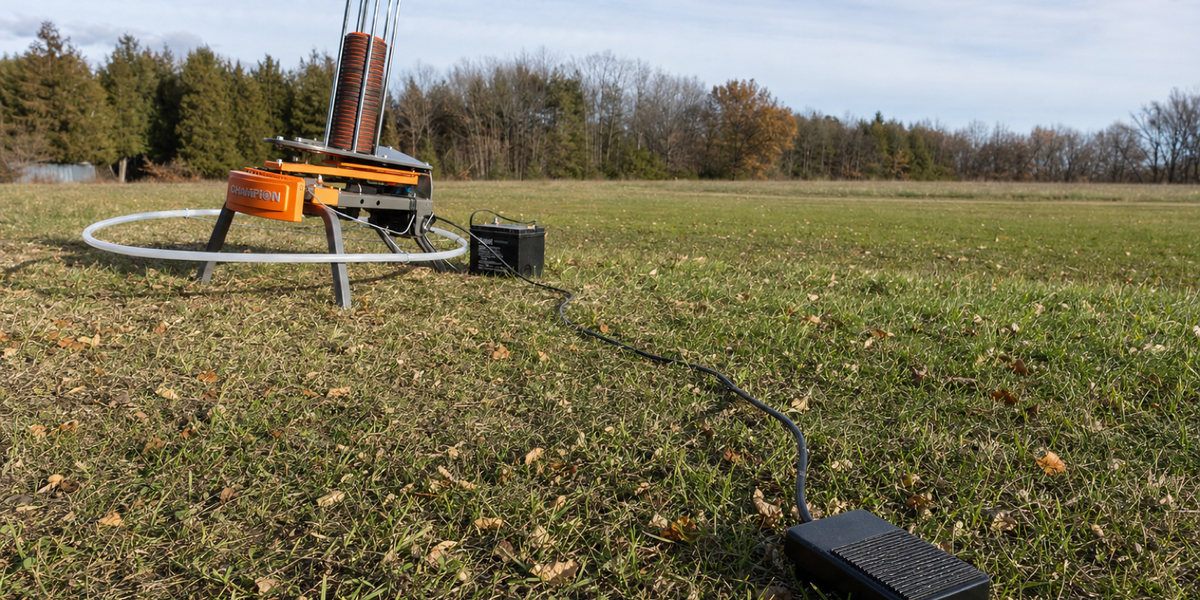
Fifty clays can sit in a magazine while your foot supplies the power. That detail makes a useful starting point for a Canadian shooter trying to get into clays alone. A machine can feed the next target and still leave the work of cocking and releasing it to the person beside it.
A November 1 question on r/canadaguns describes the problem plainly: a box of clays, the nearest suitable range about two hours away, and nobody available to throw. The poster wants something self-triggered and affordable enough to try the activity before committing more money.
Two Canadian listings put the machine price at C$499.99 each. Caldwell's Claymore uses foot power. Champion's Workhorse uses a battery and a corded pedal. Their magazines hold the same number of targets, while the rest of the afternoon takes a different shape.
Fifty targets, two sources of power
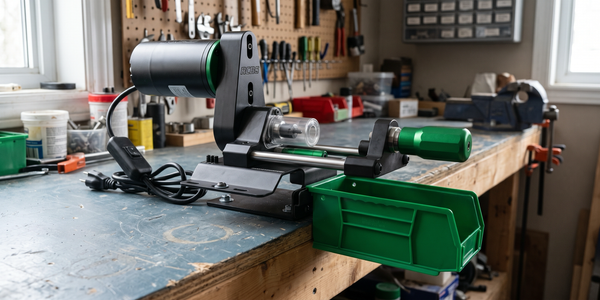
Caldwell describes the Claymore, model 1122187, as a manual machine with foot-operated cocking and release. It holds 50 clays, needs no battery, and folds for transport. The company gives its weight as 35 lb and its throwing range as 55-70 yards.
That combination matters. A magazine takes some target handling out of the session even when the shooter supplies the energy. The pedal belongs to the machine, so the buying decision includes being comfortable with that physical arrangement and repeated foot effort.
Champion's Workhorse operator manual, hosted by a retailer, describes a 50-target magazine and a 25-foot release cord with a foot pedal. It runs from a 12-volt battery; Champion recommends a deep-cycle type. The listed machine weight is approximately 32 lb, with a 2.5-second cycle and a standard throwing range of 55-75 yards.
The motor cycles the machine, and the cord allows the release pedal to sit apart from it. That extra freedom may be worth the battery to someone who expects to use the arrangement often. A shooter who wants to keep the packing list short may prefer supplying the power with a foot.
Those are manufacturer specifications. I have no field test of either machine behind this comparison, so reliability, broken-target rates, and how each feels through a long session remain open.
A Canadian price, with the extras still open
On November 2, Corlane lists the Claymore 1122187 at C$499.99 excluding tax, showing three in stock. Its page also says online and in-store prices may differ.
Trombly's lists the Workhorse 40916 at C$499.99, showing one in stock and directing interested buyers to the store or a phone call. Its shipping information makes oversized items subject to a quote. The advertised machine price leaves the final transaction cost to confirm.
A lower number appears at Dante: C$449.77 for the Workhorse, marked temporarily out of stock. Dante explicitly excludes the 12-volt battery and excludes this item from its free-shipping promotion.
These snapshots show why a Canadian comparison needs the actual offer beside the model name. The cheaper listing may mean waiting. A stocked listing may mean a store visit or a shipping conversation. Taxes, freight, and the power equipment can change the bill after the machine price has done its job of catching your eye.
The rest of the solo setup
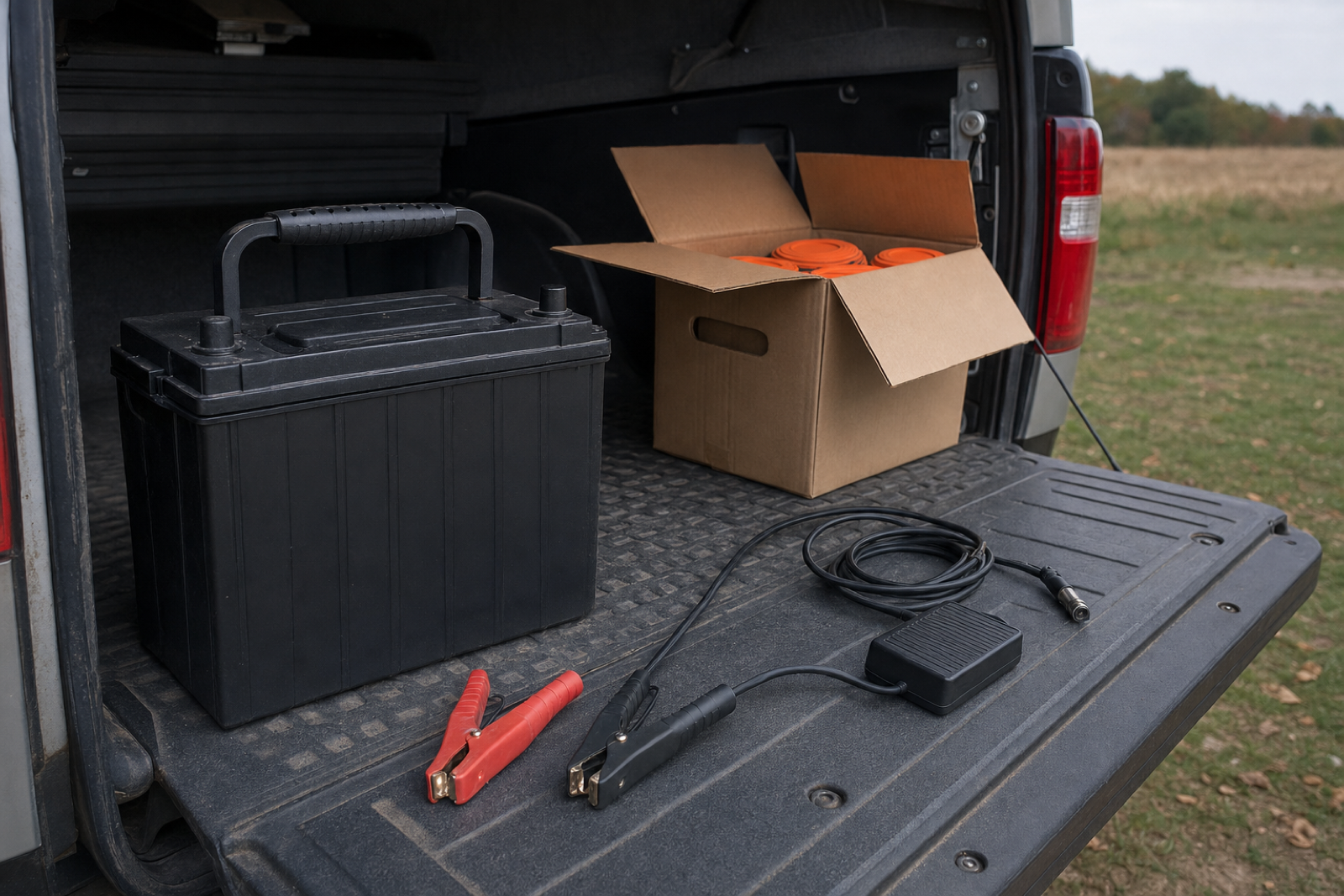
My reloading bench has taught me to look at the work around a tool as closely as the tool itself. Learning the machine is one part of ownership. Finding room for it, gathering what it needs, and getting it ready for the next session all take their turn.
I would bring that same habit to a first clay thrower. With the Workhorse, the complete plan includes the separate battery, a way to keep it charged, and room to carry it alongside the machine. The quoted 32 lb covers the thrower. A battery has its own weight and expense.
The Claymore removes that item from the packing list and puts the effort into the pedal. Its 35 lb still needs to get from storage to the shooting area. Folding legs help with the shape of the load; they leave the carrying to you.
The reader's at-home idea also leaves a separate site question. This equipment comparison assumes a suitable place for the activity already exists. Machine specifications can help compare the arrangements once that decision has been settled.
A used machine needs a complete package
The original question also asks whether a better used thrower might beat a cheaper new one. I would start with the exact model and everything included in the sale. A listing should make clear whether the intended pedal, release cable, and power equipment come with it. Missing pieces can change both the cost and the convenience.
A demonstration of the actual used machine would be more useful than another photograph of its box. Condition and completeness belong in the price comparison alongside age. Neither a manufacturer's catalogue nor a few enthusiastic comments establishes the state of the unit being offered.
For occasional solo use, I'd favour the arrangement I could get into the field most often. Foot power offers a shorter equipment list; battery power offers the Workhorse's separate corded release and automatic cycling. Put the complete bill beside those jobs, then decide which afternoon you want to buy.
Sources
- r/canadaguns: the November 1 solo clay-thrower question.
- Caldwell: Claymore target thrower, model 1122187.
- Champion: Workhorse operator manual, model 40916, retailer-hosted PDF.
- Corlane: Canadian Claymore listing, checked November 2, 2026.
- Trombly's: Canadian Workhorse listing, checked November 2, 2026.
- Dante: Canadian Workhorse listing and offer conditions, checked November 2, 2026.
Keep the range notes worth reading later.
If this piece has you thinking about range time, keep the notes useful enough to read later.
Use the Holdover Range Bench Log Card to record rifle, optic, ammunition, distance, weather, zero, group notes, correction, and next test without turning a range trip into a memory test.
Safety note: the card is a note-taking worksheet, not shooting instruction, load data, legal advice, or a substitute for range rules, official guidance, manufacturer manuals, or qualified instruction.