Twenty clubs, *one Saturday* of Canadian trap
The CTA’s September 12 satellite shoot puts 300 targets on local trap fields and combines the results nationally. Twenty clubs were listed as of August 6.

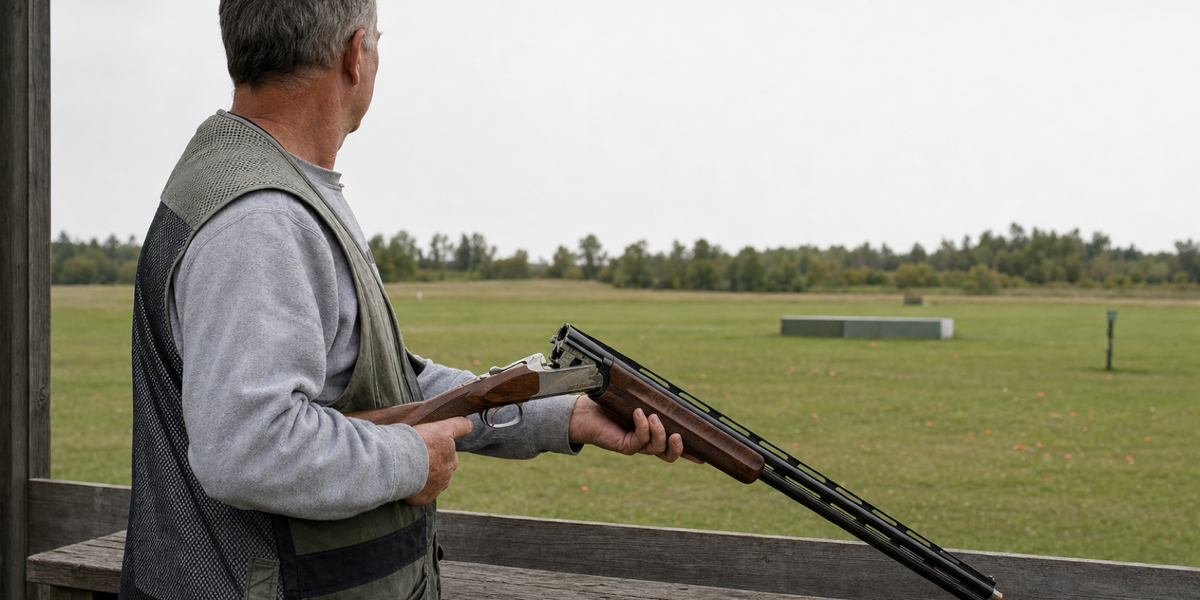
Competition commentary. Canada’s Coast to Coast trap shoot is scheduled for today, September 12. The Canadian Trapshooting Association’s August 6 list named 20 host clubs, giving competitors a national event they can shoot at a participating local range.
That arrangement deserves attention. A national shoot usually brings to mind a destination, time off, and a fair amount of driving. The satellite format spreads the shooting across clubs and brings the scores together afterwards. For an owner deciding whether a match fits into an ordinary weekend, the location can matter as much as the programme.
My own range time has to fit into a weekend calendar. Booking the time is part of getting out to shoot, and I notice arrangements that make that part easier. A competition within reach of home has a practical advantage before anyone opens a shell box. The travel budget has fewer opportunities to develop a personality.
The CTA has already tried this once. Its 2025 report records 266 shooters at 17 clubs. Today’s event gives that local-club model another outing, with an announced host list three clubs longer. Actual participation will have to wait for the results.
Local fields, shared results
The Atlantic association lists September 12 shoots at St. John’s Rod and Gun Club, Highland Gun Club, and Petitcodiac Sportsman’s Club. Petitcodiac’s own calendar places its 300-bird Coast to Coast event at noon. That is one host’s time; shooters elsewhere need their own club’s schedule.
Alberta’s provincial page lists Castor, Calgary, DVine, and High Prairie for the same date. Those regional confirmations give the national invitation some substance. A shooter can identify an actual host instead of finding a national announcement and then trying to work backwards through the country.
The clubs still have work to do. They set their target prices and administer their shoots. Scores then feed the CTA’s national scoreboard, with winners determined after every site reports. The organizer offers several reporting routes, so a club’s software choice does not have to decide whether it can take part.
There is a sensible division of labour here. Local volunteers run a place they know. National organizers assemble a field that no single participating clubhouse has to accommodate.
Three hundred targets and a provincial stake
The programme comprises 100 singles targets, 100 handicap targets, and 50 pairs of doubles. Classes and handicap yardage groups divide the field. The CTA asks hosts to collect $5 per event for cash awards within those groups; target costs remain local.
The provincial challenge gives class and yardage-group leaders a second contribution to make. First and second scores earn points for their province, and the winning province has its 2027 CTA dues covered. That spreads the interest beyond the overall winner. A competitor’s result can help the provincial total while the national field sorts itself out.
Last year supplies a useful example of the standard at the front. James Maclean and Garry Hill finished tied at 290 out of 300. The CTA reported that their final 150 targets resolved the overall title, 147 to 145 in Maclean’s favour. A distributed shoot still produced a close contest and an explained result.
It also required someone to collect the scores, check the tie, and publish the outcome. The 2025 report thanks the participating volunteers alongside the clubs and shooters. They belong in the story. A national scoreboard starts with people doing the unglamorous jobs at a local field.
A date worth keeping locally
The August 6 roster establishes the organizer’s announced reach. It cannot tell us how many clubs will finish today, how many competitors will arrive, or whether attendance will exceed last year’s 266. Those are reporting questions for after the scores come in.
Anyone considering a visit should check the host directly for timing, availability, and local arrangements. A national listing cannot promise a spare place on a squad.
I like the basic proposition: a Canadian shooter can pursue a national result through a club within reach. A travelling championship offers its own experience, and this format gives the calendar another way to work. If today’s shoot helps someone turn an available Saturday into a competition day, that is a useful job for a national association to do.
Sources
- Canadian Trapshooting Association: 2026 event programme and host list. Accessed September 12, 2026; host roster dated August 6.
- CTA: 2026 announcement. Published March 11; updated August 6.
- Atlantic Provinces Trapshooting Association: 2026 calendar. Accessed September 12, 2026.
- Petitcodiac Sportsman’s Club: September 12 event. Accessed September 12, 2026.
- Alberta Provincial Trapshooting Association: September 12 host listing. Accessed September 12, 2026.
- CTA: 2025 results. Published September 15, 2025.
Keep the range notes worth reading later.
If this piece has you thinking about range time, keep the notes useful enough to read later.
Use the Holdover Range Bench Log Card to record rifle, optic, ammunition, distance, weather, zero, group notes, correction, and next test without turning a range trip into a memory test.
Safety note: the card is a note-taking worksheet, not shooting instruction, load data, legal advice, or a substitute for range rules, official guidance, manufacturer manuals, or qualified instruction.