WestJet puts *72-hour notice* in its domestic tariff
A new Canadian parts-packing question led to WestJet’s domestic tariff and an earlier travel condition. The loose-stock answer still needs the carrier.

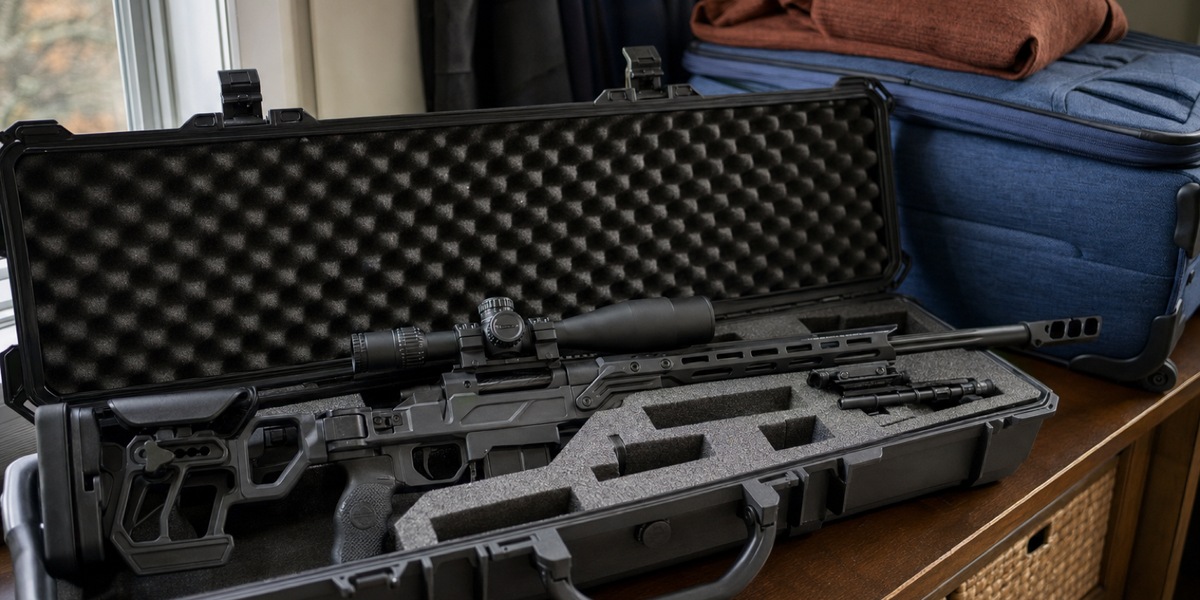
WestJet requires 72-hour firearm or ammunition notice for domestic travel. A Canadian owner asking about loose rifle parts this morning had already reached the packing question. The airline's fuller document puts another task earlier in the trip.
The r/canadaguns post describes a domestic WestJet flight home with 10/22 components bought in Alberta. The poster planned to put the action, barrel and magazines in a small locked case inside a suitcase, then asked whether the separate chassis, stock and grip needed that treatment too.
That is a fair ownership question. Following it through WestJet's current documents also turns up a difference between the public equipment page and the domestic carriage contract. The question is new; no new airline-policy announcement was identified in this source check.
The domestic contract has a wider notice rule
WestJet's fishing and hunting page opens with a 72-hour warning about an international flight operated by a partner airline. A passenger flying entirely within Canada could read that paragraph and move straight to the packing section.
The currently linked domestic tariff, effective June 18, 2026, covers Canadian routes. On printed page 40, Rule 55(F)(2) requires contact with all operating airlines and warns of possible refusal if the notice is missed.
An operating airline is the one actually flying that leg. Check the booking for that name, including connections. The useful conversation concerns the equipment and the flight together, while there is still time to change arrangements.
Rule 5(B) gives the tariff priority over conflicting website terms. That makes the PDF worth opening even after the shorter baggage page appears to answer the question. WestJet's own current-download link is the place to start; an old copy saved on a phone can acquire a surprisingly long career.
Two different lock instructions
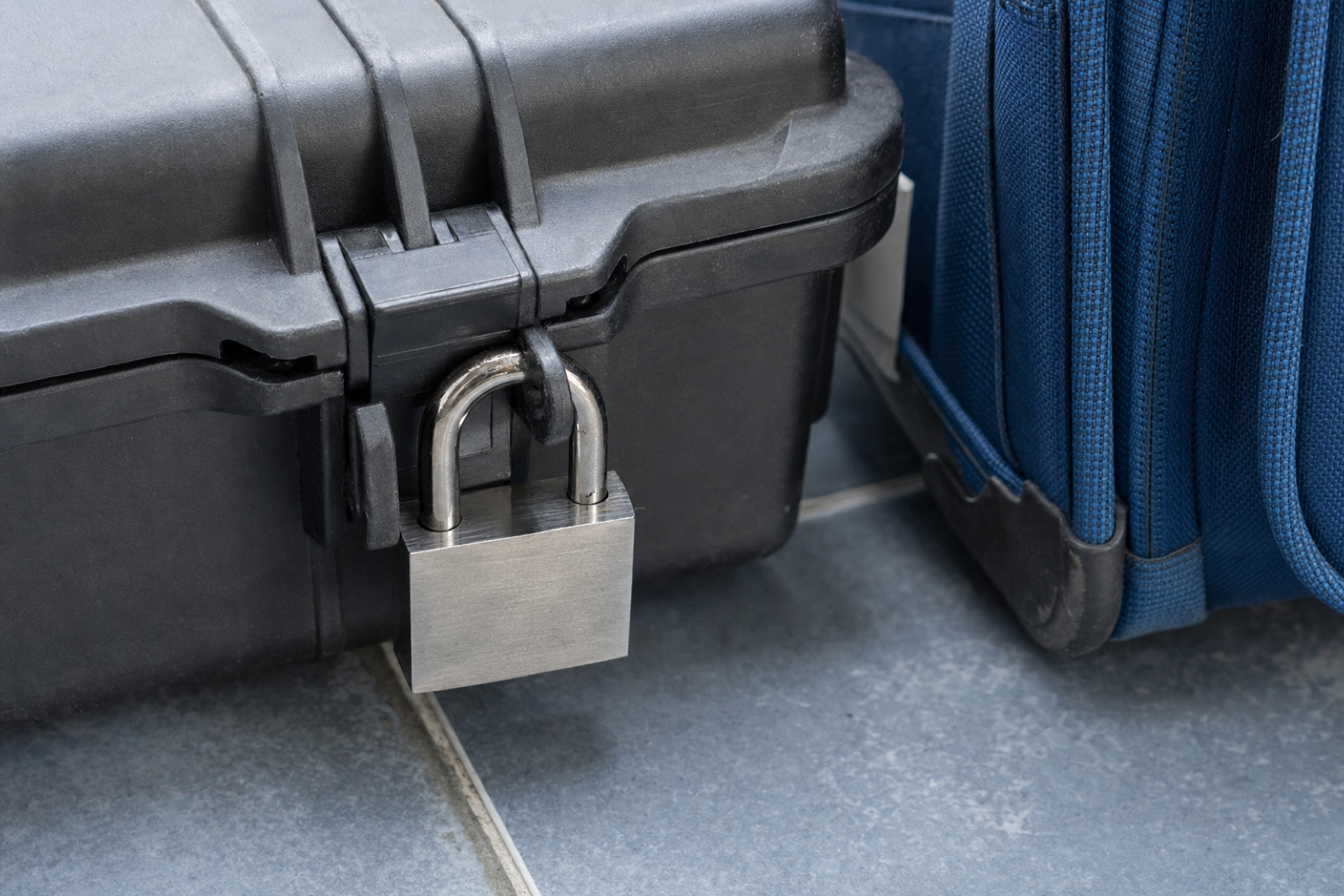
The equipment page says an unloaded firearm must go in a locked hard-sided gun case, which can sit inside standard baggage. It specifically requires a cable or trigger lock for restricted firearms.
Its domestic contract also requires inoperability and a suitable opaque, heavy-duty hard case. A trigger lock appears as one example.
Those instructions concern two physical things: securing the container and making the firearm inoperable. A locked case answers the container question. The owner still needs to establish how the carrier expects the firearm condition to be met. The example in the tariff allows no conclusion about whether this particular collection of disassembled parts would satisfy WestJet.
I would want that conversation finished while the case was still open at home. Once I have worked out how to protect an optic and fit the equipment around the rest of a trip, discovering a different condition at check-in would be an expensive way to finish the research. That is a packing problem I would rather solve with room to move things around.
The loose parts still need an exact answer
CATSA's firearms guidance keeps firearm parts out of carry-on and requires their declaration to the carrier at check-in. For checked-baggage packing details, it directs passengers to the airline. Transport Canada's prohibited-items page makes an exception for telescopic sights in its carry-on parts entry, while also directing passengers to the carrier about checked transport.
A receiver also has its own significance. The Criminal Code's firearm definition includes a frame or receiver. Calling an item a part in a shopping list leaves that definition in place. The poster's description supplies the reporting lead; it does not establish an independent classification assessment of every item in the suitcase.
The pages reviewed here do not give an express component-by-component answer about putting that detached stock, chassis and grip outside the smaller hard case. They leave a precise question for the operating carrier: here is the complete list, here are the proposed containers, and here is the domestic itinerary. Which items must be inside which container, and how must they be declared?
Keep the answer with the booking. A response that identifies the actual equipment and proposed packing gives the next person something useful to check. A general assurance that sporting equipment is accepted leaves the small-case question unfinished.
A usable instruction should be easy to find
WestJet has a reasonable job to do. Its staff need an accurate declaration and equipment packed to its conditions. Owners need enough time to meet those conditions before arriving with a case at the airport. Both sides benefit from the same instruction appearing wherever a passenger is likely to look.
The equipment page could make this easier by putting the domestic advance-contact condition beside the packing rules and linking directly to the applicable tariff passage. It could also explain how its restricted-firearm lock sentence relates to the fuller inoperability condition. That would save owners a document comparison before they can ask their actual equipment question.
For this trip, the useful next step is already clear: contact the operating airline with the full parts list and packing proposal, early enough to meet the published notice period. This check establishes the published conditions. The operating carrier still needs to confirm the specific packing proposal. The remaining stock-and-grip answer belongs with the carrier and the actual case the owner plans to check.
Sources
- r/canadaguns, Flying with firearm parts, posted November 1, 2026; an unverified owner account used as the reporting lead.
- WestJet, Domestic tariff and current-download link, checked November 1, 2026.
- WestJet, Domestic Tariff, effective June 18, 2026, Rule 5(B), printed page 8, and Rule 55(F), printed page 40; checked November 1, 2026.
- WestJet, Fishing and hunting equipment, checked November 1, 2026.
- CATSA, Firearms, checked November 1, 2026.
- Transport Canada, What you can't bring on a plane, checked November 1, 2026.
- Justice Laws, Criminal Code, section 2, firearm definition; checked November 1, 2026.
Keep the range notes worth reading later.
If this piece has you thinking about range time, keep the notes useful enough to read later.
Use the Holdover Range Bench Log Card to record rifle, optic, ammunition, distance, weather, zero, group notes, correction, and next test without turning a range trip into a memory test.
Safety note: the card is a note-taking worksheet, not shooting instruction, load data, legal advice, or a substitute for range rules, official guidance, manufacturer manuals, or qualified instruction.