Alberta's PRS weekend sorts the *range bag*
The Apex Rocky Mountain Challenge is back near Calgary next week. For newer Canadian precision shooters, the useful lesson is not another rifle dream. It is what a match bag has to survive.

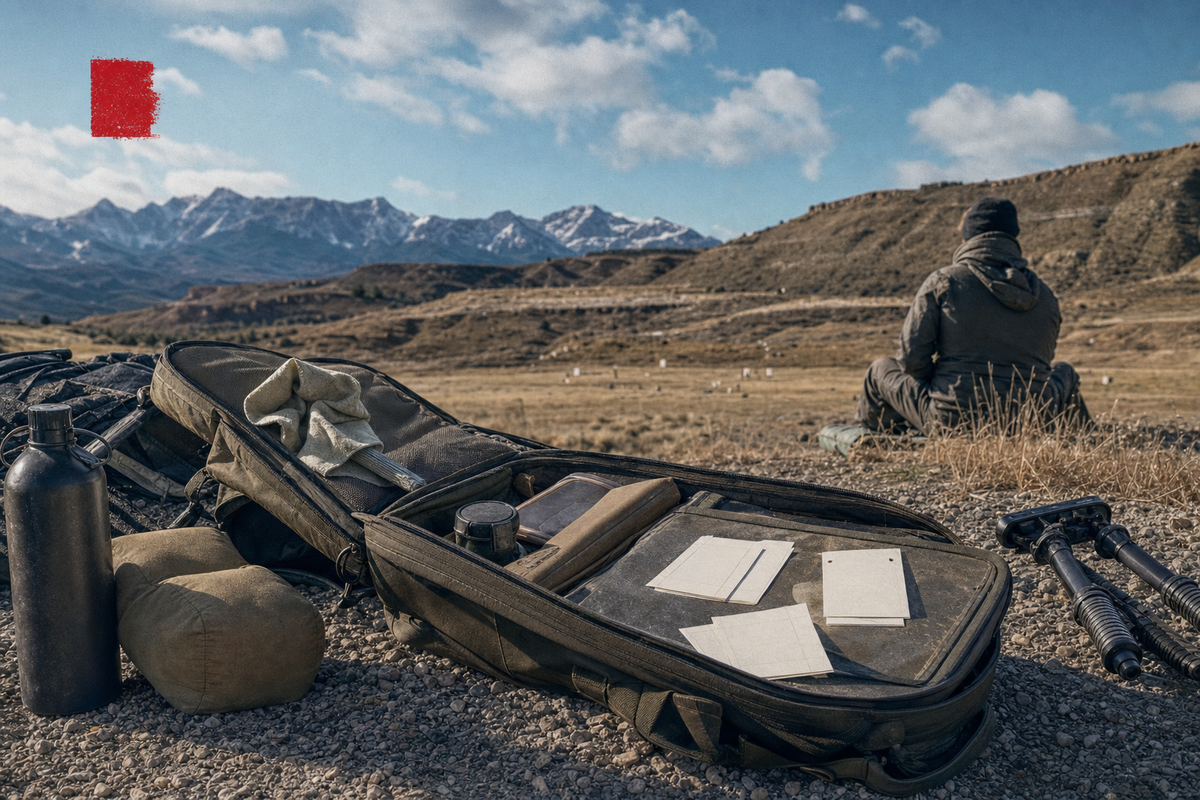
Opinion. The most useful thing about a serious PRS match is that it makes the range bag stop lying.
The 2026 Apex Rocky Mountain Challenge returns near Calgary on July 11-12. Apex Optics describes it as a two-day PRS Pro Series match in the foothills of the Canadian Rockies, with dynamic terrain, shifting conditions, a designed course of fire, a Friday Train-Up Day, and a Sunday awards banquet timed around Stampede week.
That is enough to make it a current Canadian precision story. It is also enough to make it useful to someone who is not going to Alberta next weekend.
A match like this is a logistics test with rifles in it. The rifle matters, obviously. So do the optic, ammunition, support gear, weather, terrain, squad, clock, notes, category, and the owner's ability to find the one small thing that was definitely in the bag at home.
I have made normal Ottawa range mornings complicated before the gate even opened. Too much gear, not enough sequence. The expensive item is rarely the problem. The problem is usually the pen, the card, the water, the tool, the battery, the weather layer, or the fact that yesterday's confidence did not get packed in a labelled pouch.
The parking lot is where competence loves to cosplay as a hard case.
A real match is a logistics test
The Apex page is full of details that sound boring until you imagine being responsible for them. The date is fixed. Payments are non-refundable. Squadding is handled through Impact Scoring. Divisions and categories have to be correct at check-in. Exact match-location details go to registered shooters closer to the event. Hotel blocks, camping notes, family travel suggestions, and border-importation information all sit beside the rifle part of the weekend.
That is not filler. That is the match telling the shooter what kind of day this is.
PRS describes the Pro Series as a national-level centre-fire circuit with roughly 50 two-day matches through the U.S. and Canada, scored through a season-long points race. Its rule summary lists divisions, scoring, and standings. The public image is steel, wind, and rifles. The operating reality adds admin, timing, categories, and a bag that has to support all of it.
For newer shooters, that is the useful correction. A serious match does not begin when the rifle comes out. It begins when the owner stops treating preparation as a mood and starts treating it as equipment.
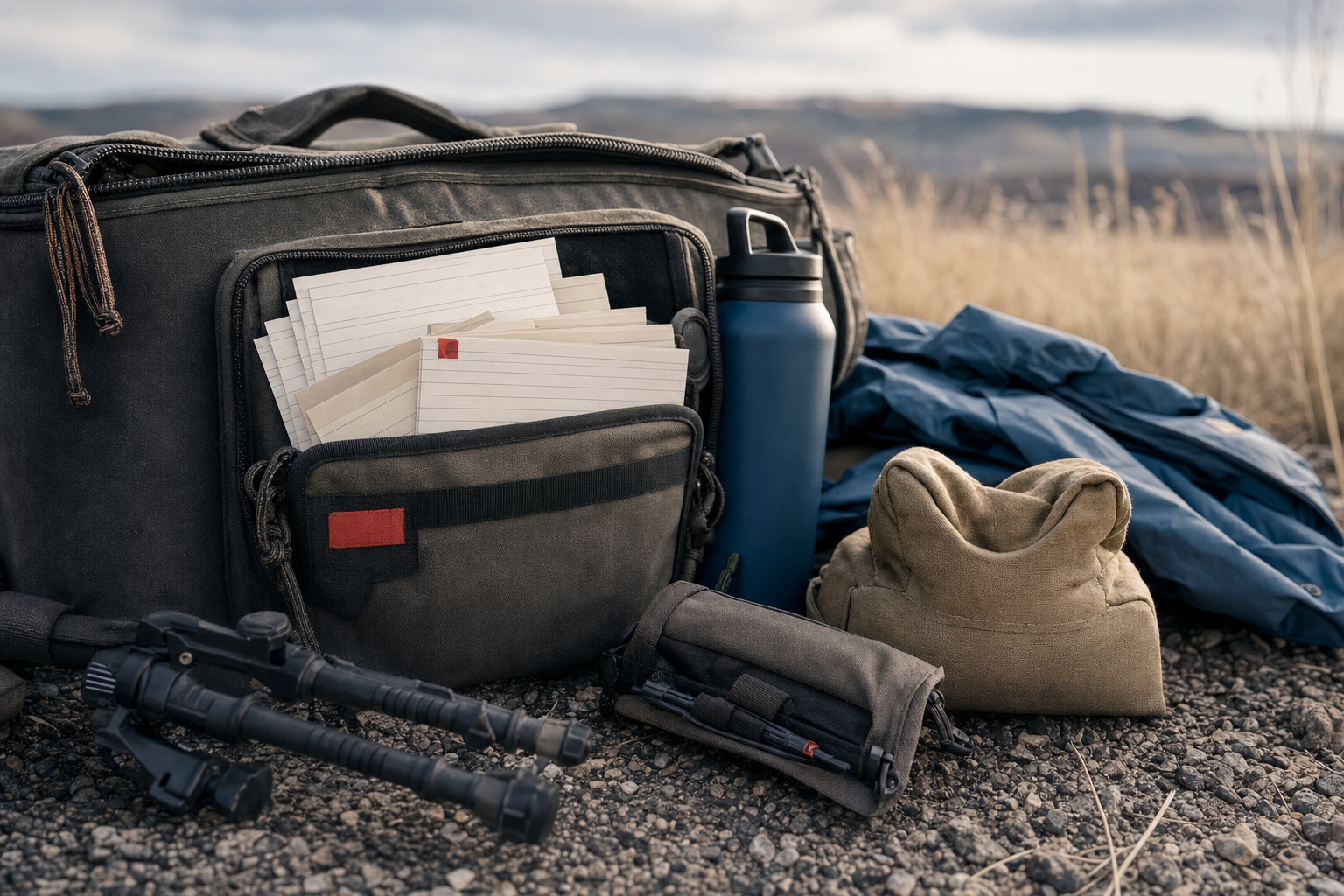
The train-up is the clue
The best detail on the Apex page is the Friday Train-Up Day.
A training day before the match is a quiet admission that the sport is learned under pressure, not purchased into existence. Apex frames it as hands-on instruction in the same challenging environment competitors will face over the weekend. That matters because the environment is not decoration. Natural terrain, changing conditions, and the clock are the point.
This is where the newer shooter gets a better buying lesson than any gear review can provide. If a match offers a day to refine skills before the score starts, the event is telling you that skill is not a sidecar to equipment. It is the operating system.
A perfect rifle can still arrive with an owner who needs more reps building a position, reading a stage, finding a correction, and retrieving the next object without dumping the whole bag into the grass. The stage grades what happens after the beep, not the receipt.
That is not anti-gear. It is pro-sequence.
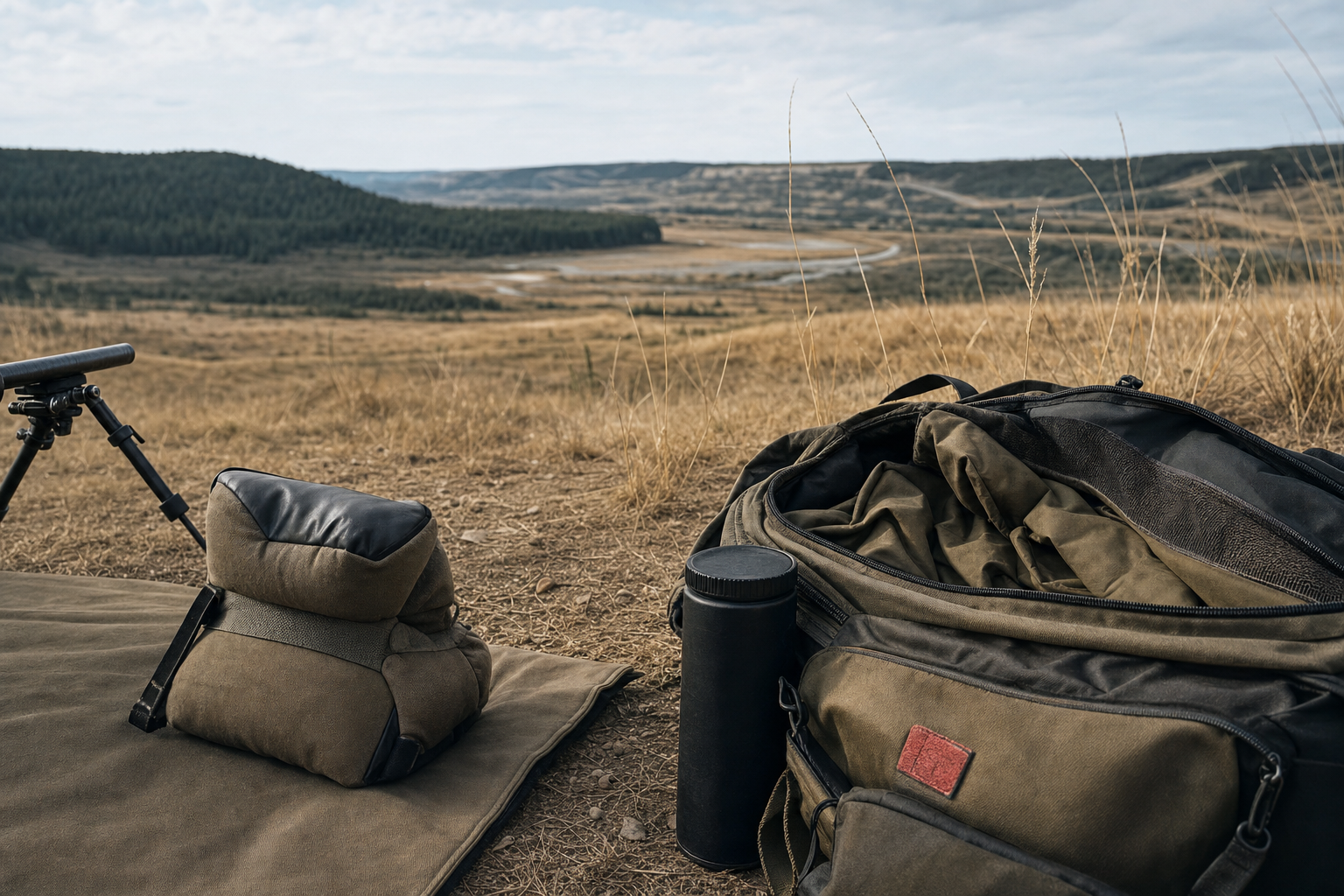
Pack for the stage, not the photo
The wrong lesson from a major PRS match is that a new shooter needs a major PRS rifle before doing anything useful.
The better lesson is that a stage asks for systems. A rifle system, yes, but also a support system: rear bag, bipod, data, weather plan, ammunition count, water, small tools, tape, a way to write down the thing that happened, and enough humility to believe the note later.
That last one is annoyingly expensive in its own way.
Most newer shooters can make progress by asking a plain question before the next purchase: what problem would this solve at the stage? Skip the kitchen-table theatre. The useful question is whether the item makes a timed, positional, wind-affected shot sequence easier to repeat.
If it only makes the bag heavier and the owner more theatrical, it can wait.
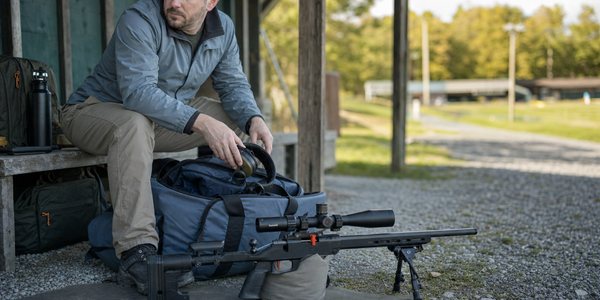
The mature range bag is not the largest one. It is the one that can be used under mild stress. The owner knows where the card is. The water is there before the headache. The weather layer is not in the truck. The rear bag is the one actually practised with. The notebook is legible enough that future Steve does not have to interpret past Steve's hieroglyphics while pretending they were data.
Why this matters in Canada
Canadian precision shooting has had an odd few years. The federal firearms file keeps shrinking the lawful ownership conversation into bans, amnesty dates, compensation, and classification arguments. Those files matter. Holdover follows them because they affect real owners.
But the sport is still being built at ranges, by clubs, match directors, sponsors, volunteers, and shooters who show up with more practical optimism than any federal briefing note deserves.
The Apex Rocky Mountain Challenge is a good example because it is recognizably Canadian without needing to wave a flag at the reader. Alberta foothills. Calgary timing. A Canadian optics company. A PRS Pro Series match credible enough to draw serious competitors and organized enough to think about training, travel, squadding, categories, family logistics, and cross-border visitors.
That is healthy sport infrastructure.
It also gives newer PAL holders a better mental model. Precision shooting grows as a habit stack: a rifle that shoots, ammunition that makes sense, notes that survive a month, a bag that works in weather, a position that can be rebuilt, and a shooter who understands that the first match is not an audition for a sponsorship photo.
The range bag becomes a useful symbol because it is where the fantasy meets the day.
Pack for the clock
The Apex match will be won by people who can shoot. That part is not complicated.
The lesson for the rest of us is that they will also be people who can operate. They will know their categories, their squad, their data, their support gear, their weather plan, their water, their stage routine, and their own limits. They will have made the bag boring before the terrain made the shot interesting.
A newer shooter does not need to copy their rifles. Not yet. Maybe not ever.
Copy the seriousness of preparation first. Pack for the clock, not the photo. Let the next local match, practice day, or ordinary range morning test the bag honestly before another expensive part gets promoted to the cart.
The rifle gets the photograph.
The range bag gets the truth.
Sources
- Apex Optics,
Apex Rocky Mountain Challenge: https://apexoptics.co/apex-rocky-mountain-challenge/ - Precision Rifle Series,
PRS Pro Series: https://www.precisionrifleseries.com/series?id=1 - Precision Rifle Series, home page and competitor overview: https://www.precisionrifleseries.com/
- Sniperology, long-range shooting events listing: https://www.sniperology.com/events
- Impact Scoring, match search: https://www.impactscoring.net/matches
- Impact Scoring,
ORA PPS July 2026 PRS Regional Series Match: https://www.impactscoring.net/match/view?id=9302
Keep the range notes worth reading later.
If this piece has you thinking about range time, keep the notes useful enough to read later.
Use the Holdover Range Bench Log Card to record rifle, optic, ammunition, distance, weather, zero, group notes, correction, and next test without turning a range trip into a memory test.
Safety note: the card is a note-taking worksheet, not shooting instruction, load data, legal advice, or a substitute for range rules, official guidance, manufacturer manuals, or qualified instruction.