Carleton's October range day already has a *waitlist*
Carleton's firearms club advertised 43 places for its October 10 range day. The waitlist, mandatory bus and separate ammunition bill show what a first visit involves.

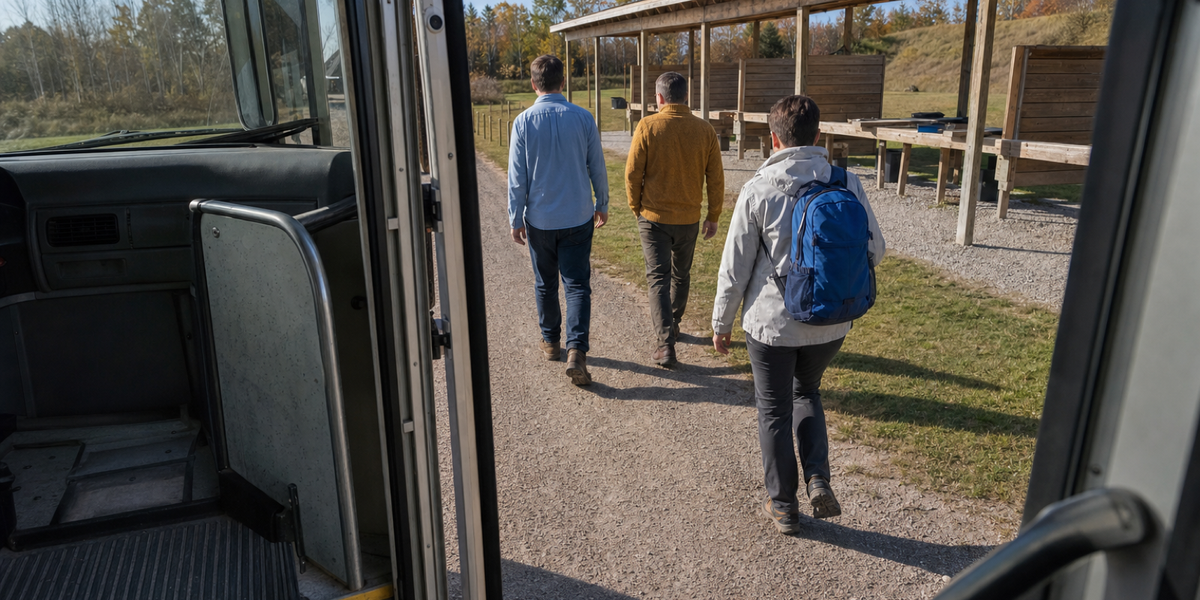
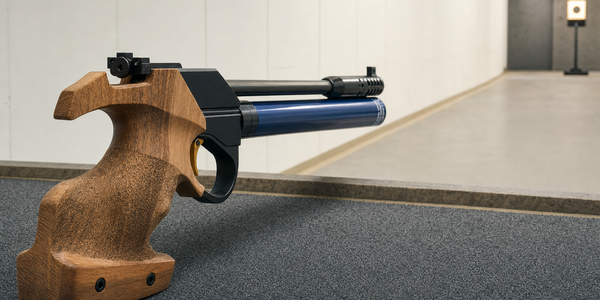
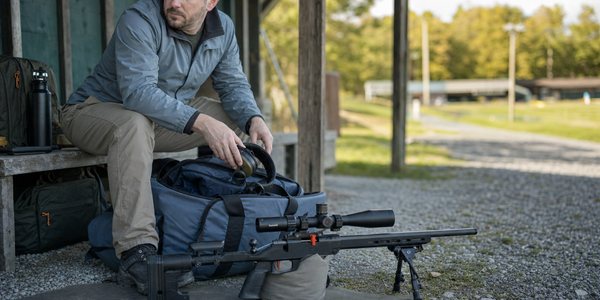
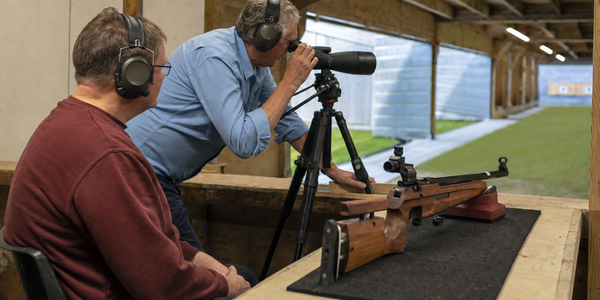
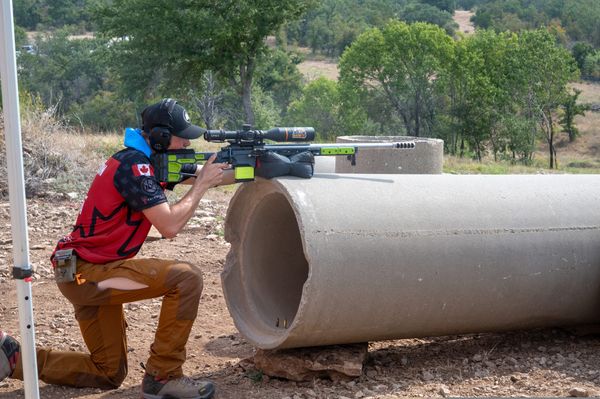
Feature image: generated illustration. No actual Carleton participants, EOSC venue or event depicted.
Opinion
Carleton's firearms club advertised 43 places for an October 10 range day. By the time I checked its invitation this weekend, the event was full and the registration form had become a waitlist.
The ride caught my attention. Everyone attending has to take the bus.
The Carleton University Firearms Association's October 2 announcement offers firearms, ammunition for purchase and supervision at the Eastern Ontario Shooting Club. Its current form welcomes eligible adults without a firearms licence. The organizers have also worked out how they will get there.
I like that part of the plan. After I got my PAL and RPAL, I still wanted one-on-one help before going to the range. I can appreciate an invitation that answers those questions early.
A place, equipment and a ride
The event has a corresponding EOSC booking for October 10, identifying the association's general range day on Range 7. That provides a useful check against an online invitation. There is a named host and a place on the range calendar.
The current form specifies participants aged 18 or older and describes a Carleton audience of students, alumni, staff and significant others. It requires association membership registration. Anyone interested should read those conditions directly, particularly while places depend on somebody withdrawing.
Transport is part of the arrangement. The form gives a campus meeting point, a 9:10 a.m. bus departure and an approximate 2:30 p.m. return. It tells participants arriving by their own vehicles that they will be turned away.
For a prospective visitor, that settles a substantial piece of planning. The invitation supplies a departure point and a route into a place they may never have visited. An experienced owner can take those details for granted. Someone considering a first day has to establish them somehow.
A club also has to make that arrangement work: reserve the bus, coordinate arrival and get people home. Those are ordinary organizing jobs, and they belong in our picture of how shooting sports acquire new participants. The person welcoming a newcomer may spend considerable time arranging the day before anybody reaches a firing point.
Read the price in two parts
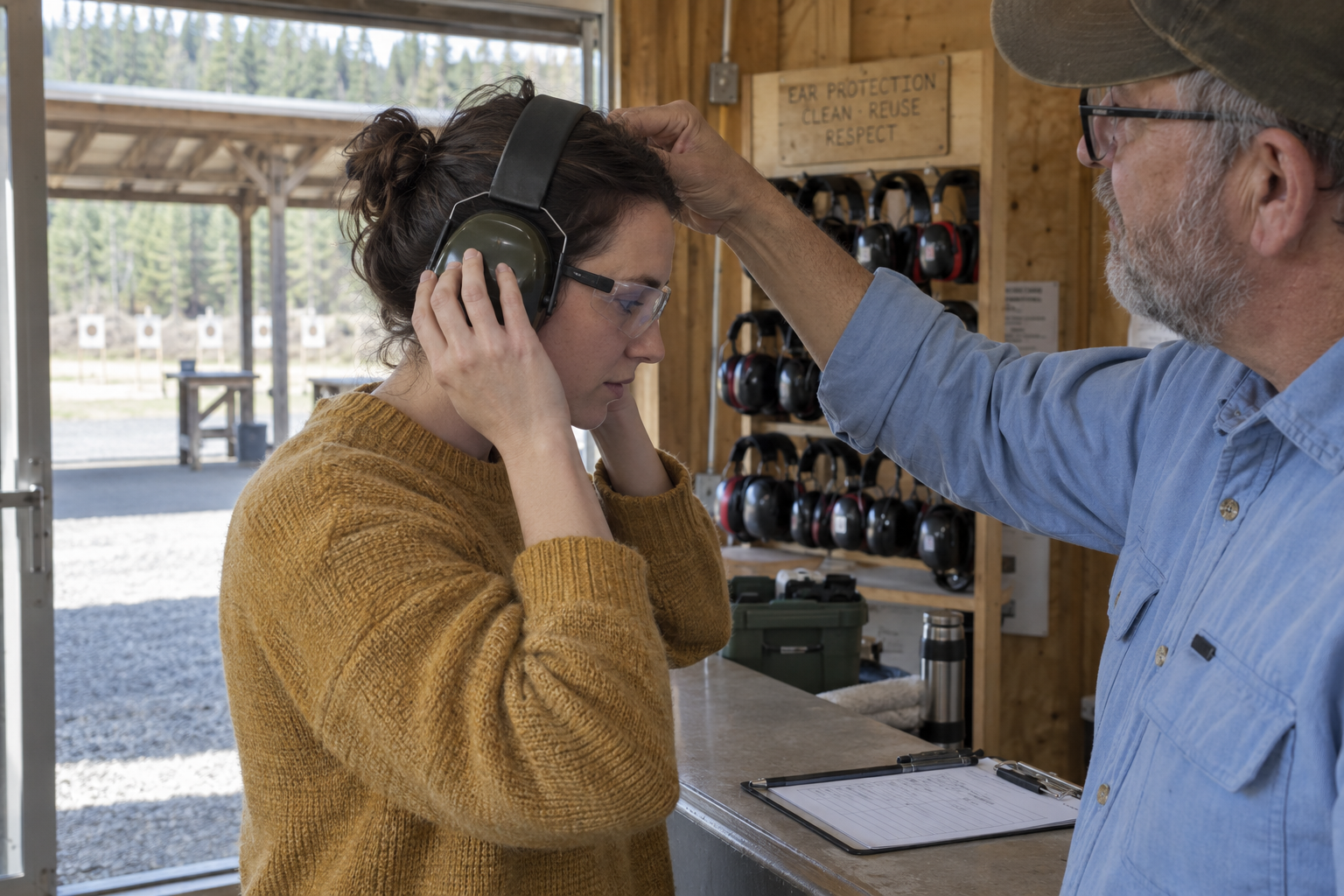
The advertised event fee is $25. The form says it covers insurance, eye and ear protection, bus rental and targets. Ammunition costs extra, with cash tickets sold at the range. It asks people to pay the event fee only after organizers confirm their place.
That last instruction matters when the form is a waitlist. Submitting an entry leaves confirmation with the organizers.
The separate ammunition bill is also worth understanding before the trip. A headline admission price gives someone only part of their likely spending. The form publishes the ammunition prices and payment arrangements, so participants can decide what cash to bring once confirmed.
I would want that information before committing to any new hobby's introductory day. Borrowed equipment can make a first experience possible, while the running costs still deserve a plain explanation. Putting them in the invitation gives a newcomer a chance to ask a useful question before standing at a range counter.
The event also requires visitors to leave their own firearms and ammunition at home. The club is organizing supplied equipment and supervised use. Its published conditions define the visit people are signing up for.
A first visit has its own job
Canada's Firearms Act, section 33, provides a supervised lending route: the borrower uses the firearm under the lender's direct and immediate supervision, in the same manner the lender may lawfully use it. The precise conditions matter. A university invitation alone cannot establish compliance with every requirement at an event.
Formal licensing follows its own process. The RCMP's safety-course guidance says first-time applicants must pass the Canadian Firearms Safety Course before applying for a PAL. A general range-day invitation offers an opportunity to experience the sport; any later licensing plans need the appropriate course and application information.
CUSA's directory entry for the association describes an educational and sporting purpose. This invitation gives that purpose a practical shape. Someone can look at the date, costs, eligibility and transport before deciding whether to put their name forward.
Holdover has previously examined the supervised guest route into range shooting. Carleton's arrangement adds a useful local example of the work surrounding that access.
The waitlist is encouraging on its own terms. Organizers advertised 43 places and now say the event is full. Actual turnout and the visitors' experience will become questions for after October 10. One full invitation gives us a small, specific piece of evidence about interest.
For now, I appreciate how much of the first visit the club has put into writing. Equipment, supervision, a meeting point and a ride make the day easier to picture. I remember wanting somebody to help me take that next step. A student reading this invitation has a clear place to begin, even if this time it means waiting for a space.
Sources
- Association announcement, October 2 and current event form, checked October 4.
- EOSC event booking and CUSA club directory.
- Firearms Act, section 33, and RCMP safety courses.
Keep the range notes worth reading later.
If this piece has you thinking about range time, keep the notes useful enough to read later.
Use the Holdover Range Bench Log Card to record rifle, optic, ammunition, distance, weather, zero, group notes, correction, and next test without turning a range trip into a memory test.
Safety note: the card is a note-taking worksheet, not shooting instruction, load data, legal advice, or a substitute for range rules, official guidance, manufacturer manuals, or qualified instruction.