Fifty *first attempts* at Grenville's One & Done
Grenville's One & Done put one attempt at each target. Its fresh results offer a useful way to understand class choice, equipment, and the meaning of a score.

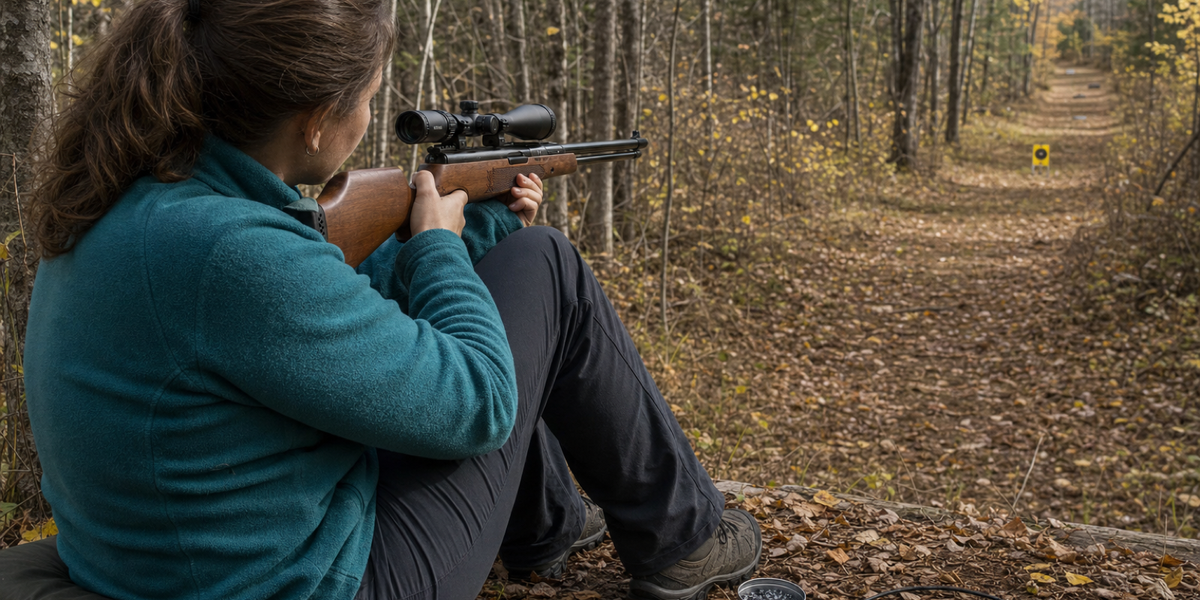
Fifty targets, one attempt at each. Grenville's October 17 One & Done field-target match offered a pleasingly direct constraint: make the decision, take the shot, then carry the result to the next target.
The organiser's newly posted results list nine shooters across five class sections. There are totals out of 50 and totals out of 100 on the same sheet. Read the class beside the number and a small Canadian match becomes a useful introduction to several ways of playing the same sport.
I like that first-attempt idea. Precision shooting offers plenty of opportunities to settle into something familiar. A fresh target asks whether the judgement travels with you. That interests me more than another argument about which rifle someone should buy.
A course built around the first try
The organisers advertised 25 lanes, with two targets in each lane and one shot per target. They described a WFTF-style experience while offering CAFTA classes. Their advance notice also specified .177 rifles for this course.
That gives the match its character. There is no second attempt at the same target in the advertised format. A shooter has to move on with the information available, including whatever the previous shot taught them.
For someone coming from a familiar bench and a familiar distance, the attraction is easy to understand. The equipment still matters, but the course keeps asking for a new decision. Looking through a scope, choosing an aiming point, and settling into position all acquire a consequence that belongs to this particular target.
I would want to know that format before arriving. It changes what I would pay attention to when reading the match notice, and what I would ask an experienced participant. A photograph of a rifle tells me very little about how the course will feel.
The class choice comes first
CAFTA's currently published rules give Hunter shooters a maximum of 16x magnification. Focusing for a sharper image is allowed, with distance markings covered, while turret clicking is disallowed. CAFTA labels this rules page last updated August 2022.
Those details matter to someone looking at the equipment column and making a shopping list. The class determines which features they can use during the match. A scope's impressive adjustment range has a different practical value when the chosen rules leave its turrets alone.
That seems a sensible place to begin a conversation about participation: which class fits the equipment and experience you already have? The answer might save an expensive purchase, or simply explain why two shooters have arrived with different-looking arrangements.
Airgun shooting can acquire the same equipment fever as any other precision discipline. I would rather understand the game first. The catalogue will still be open when the rules page is closed.
The target has two ways to score
Under CAFTA's ordinary scoring, a falling target earns one point. Hunter awards two for a knockdown, one for a hit on the target, and zero for a complete miss. The face and the smaller opening therefore have different consequences on the card.
The Grenville sheet lists Rob W. at 41/50 in WFTF Piston and Blane L. at 88/100 in Hunter PCP. Each number belongs to its own class.
Even a percentage leaves information out. As a purely hypothetical example, 88 points over 50 shots could mean 44 knockdowns and six misses. It could also mean 38 knockdowns and 12 face hits. Both add to 88. The total alone cannot tell us which occurred, and neither example describes Blane's actual shot breakdown.
What the equipment column can tell you
The published sheet includes rifles, scopes, and pellets alongside the scores. That is useful context for a prospective participant. It shows what appeared in this particular small field and gives a reader concrete questions to take to a club.
It offers very little basis for ranking products. The shooters, classes, and equipment differ, and the sheet supplies no controlled comparison separating their effects. A placing cannot tell us how much a particular optic, pellet, or rifle contributed.
My handloading habit is to keep the conditions attached to a measurement. I want the same discipline here. The interesting questions concern how the class works and what the shooter can do with their existing kit. Turning nine entries into a buying verdict would throw away most of the context that makes the sheet useful.
An autumn calendar still worth checking
CAFTA's current calendar lists Port Colborne on October 25, HAHA on November 7, and Port Colborne again on November 14. Those dates give an interested Canadian reader somewhere specific to start looking.
Before travelling, read the individual notice and contact the organiser about available places, access, the classes being offered, and the equipment they expect. The club can answer the practical questions that a national list leaves unresolved.
For me, Grenville's report earns attention because the format is easy to picture and the class distinctions lead somewhere useful. A shooter can read the rules, ask a better question, and decide whether this particular game appeals to them. Fifty first attempts sounds like an engaging way to find out how well a familiar judgement survives a different patch of woods.
Sources
- Grenville One & Done result post and score sheet, posted October 17, 2026, at 21:57 EDT; read October 19.
- Organisers' advance match notice, posted September 25, 2026; read October 19.
- CAFTA rules and classes, currently published page labelled last updated August 2022; read October 19.
- CAFTA current-season calendar, read October 19, 2026. Confirm arrangements with the individual organiser.
Keep the range notes worth reading later.
If this piece has you thinking about range time, keep the notes useful enough to read later.
Use the Holdover Range Bench Log Card to record rifle, optic, ammunition, distance, weather, zero, group notes, correction, and next test without turning a range trip into a memory test.
Safety note: the card is a note-taking worksheet, not shooting instruction, load data, legal advice, or a substitute for range rules, official guidance, manufacturer manuals, or qualified instruction.