On BC Ferries, your *ticket type* changes the firearm rule
BC Ferries section 13 sends vehicle and foot passengers down different firearm paths. Route 11 has a narrow northern exception.

Ownership. A July 18 Canadian owner question asked whether firearms have to be declared on the ferry from Prince Rupert to Skidegate.
The useful answer begins one question earlier: are you boarding in a vehicle or on foot?
BC Ferries puts its firearm procedure in section 13 of the carrier's Rules & Requirements. A vehicle passenger and a foot passenger follow different paths, and Route 11 has a narrow northern exception.
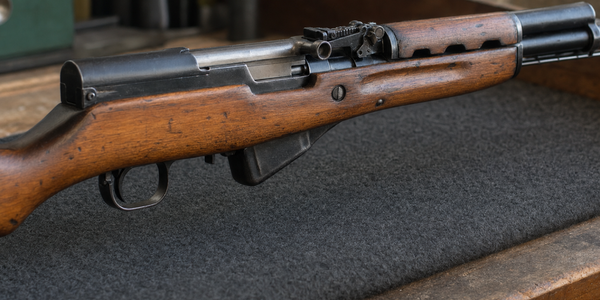
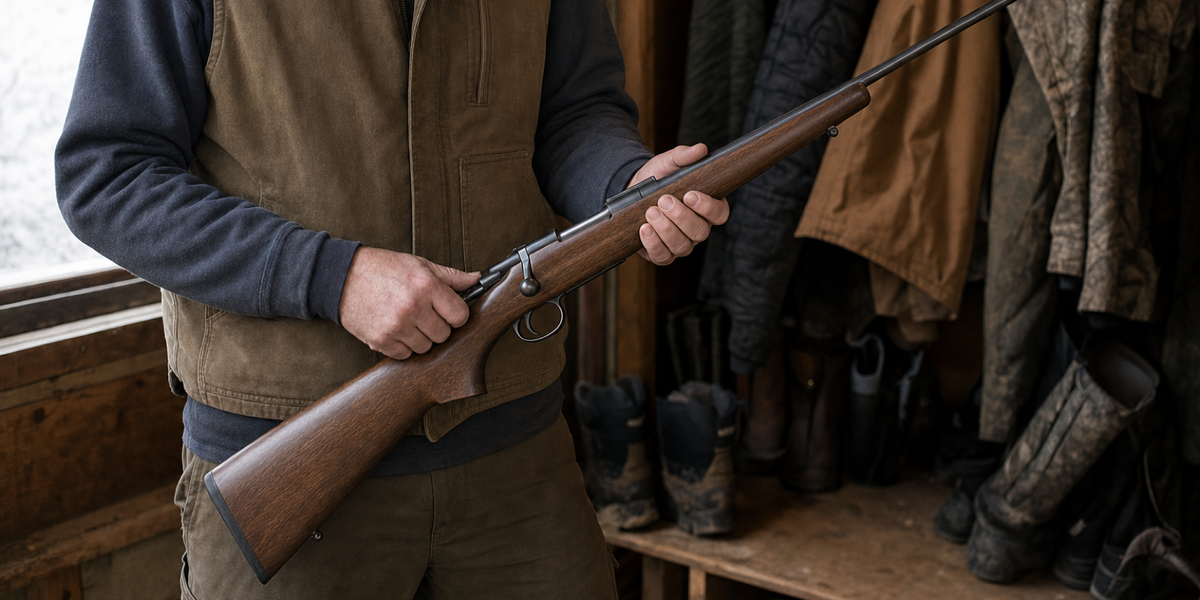
The person, place, trip, and rifle pictured are fictional. Official manufacturer references define conventional bolt-action family geometry only. Original generated editorial photograph.
I have driven cased bolt-action rifles to and from the range enough times that the sequence feels ordinary: confirm the rifle is unloaded, close the case, load the vehicle, and keep the gear out of sight. Add a company carrying that vehicle for seven hours and there is another rulebook to open.
The PAL course gives an owner the federal layer. The ticket tells BC Ferries which carrier procedure applies.
A ticket type changes the carrier rule
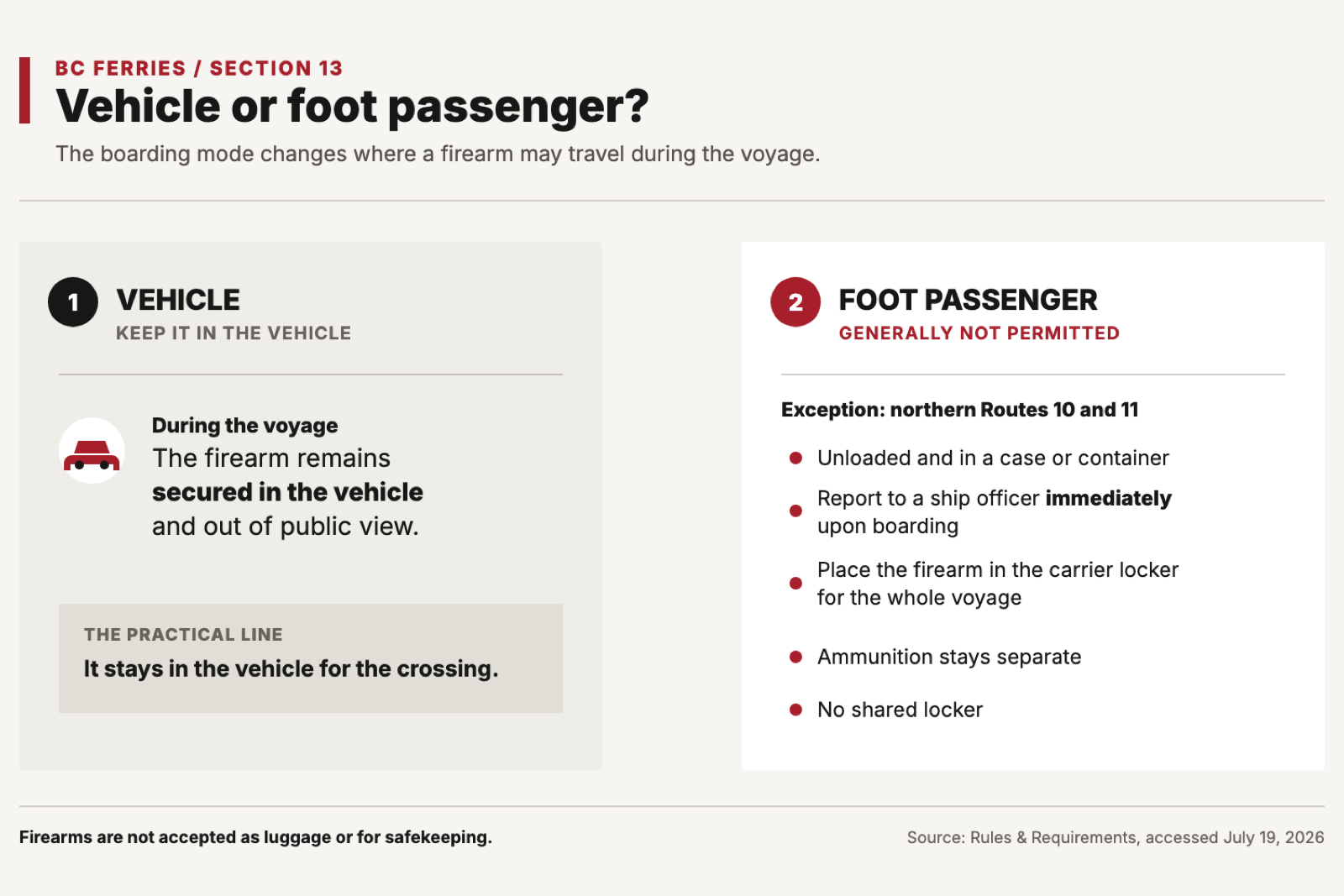
Section 13 says a firearm travelling in a vehicle must remain secured in that vehicle and out of public view during the voyage.
The foot-passenger rule starts from the other direction. BC Ferries generally does not permit foot passengers to transport firearms. Northern Routes 10 and 11 are the exceptions.
For a Route 10 or 11 foot passenger, the firearm must be unloaded and carried in an appropriate case or container, not on the passenger's person. The passenger must report to a ship's officer immediately after boarding. The firearm then stays in a carrier locker for the full voyage.
Ammunition cannot go into that locker with the firearm. Passengers cannot share firearm lockers.
That is the distinction the current Prince Rupert-to-Skidegate question needed. Route 11 is the 93-nautical-mile connection between Haida Gwaii and the mainland, with a scheduled crossing time of seven hours. The carrier has a specific foot-passenger process there. That process applies only to northern Routes 10 and 11.
BC Ferries also says it does not accept firearms for safekeeping and does not carry them as luggage. A foot passenger on the northern exception remains responsible for presenting the firearm in the required condition and following the shipboard handoff.
The ferry rule sits on top of the federal rule
BC Ferries section 13 begins by requiring compliance with federal and provincial firearm-transport laws. Its vehicle or locker instruction does not replace them.
For the non-restricted hunting rifle discussed here, the federal rule starts with unloaded transport. If it is left in an unattended vehicle, the current regulation requires it to be locked in the trunk or a similar compartment. In a vehicle without one, it must be out of sight inside the securely locked vehicle.
That separation matters because the original question used the word “declare.” The carrier document does not support one blanket yes-or-no answer for every passenger and every item.
The firearm procedure turns on passenger mode. Ammunition follows the carrier's dangerous-goods guidance. Federal law controls lawful transport before, during, and after the sailing.
Ammunition needs its own call
BC Ferries' current dangerous-goods page adds an exact ammunition rule for the northern foot-passenger exception. Between Port Hardy and Prince Rupert, and between Prince Rupert and Skidegate, ammunition must be in a separate locked case from the firearm. The case must be identified with the customer's name.
The same page has a separate Prince Rupert process for dangerous goods moving in or out of the terminal. It directs travellers to fax a completed pre-clearance cover and shipping document to the departure terminal at least 48 hours before travel, then apply for a Prince Rupert Port Authority dangerous-goods permit at least 24 hours before the scheduled sailing. The completed shipping document must also be presented to the ticket agent. The port authority is closed on weekends.
For a Route 11 hunting trip, treat the firearm and ammunition as separate checklists. Settle the vehicle-or-foot question from section 13. Lock and identify the ammunition case for the foot-passenger exception. Then confirm with BC Ferries how the Prince Rupert pre-clearance, document, permit, and terminal-specific timing requirements apply to the ammunition package.
The Reddit comments included confident numbers and shorthand. They were useful as evidence of confusion, not as instructions. The carrier and federal documents are the instructions.
Read the carrier document before packing the case
Canadian firearm ownership produces these small jurisdiction changes all the time. The rifle may be packed exactly as it was for the drive to the range, while a ferry, airline, outfitter, or remote carrier adds a separate handoff rule.
The hardest part is often finding the right document before leaving home.
For BC Ferries, section 13 makes the first decision simple. Drive aboard and the secured firearm stays out of public view in the vehicle. Walk aboard and the general answer is no, except on northern Routes 10 and 11, where the unloaded cased firearm goes to a ship's officer and into the carrier locker.
On the Prince Rupert-Skidegate run, the practical firearm question starts with vehicle or foot.
Sources
- BC Ferries, Travel policies
- BC Ferries, Dangerous goods
- BC Ferries, Rules & Requirements, section 13
- BC Ferries, Route 11 overview
- RCMP, Storing, transporting and displaying firearms
- Justice Laws, Storage, Display, Transportation and Handling of Firearms by Individuals Regulations, section 10
- r/canadaguns, “Firearms on BC ferries??? Need to declare??”
The amnesty file is still moving.
If this piece sent you back to government pages, do not wait for the next portal, Gazette, or court move to find you by accident.
The Dispatch follows Public Safety, RCMP, Canada Gazette, court, compensation, collection, and amnesty updates so the next change comes with the source that moved.
Safety note: the tracker is a worksheet for source hygiene, not legal advice or a substitute for current official guidance.