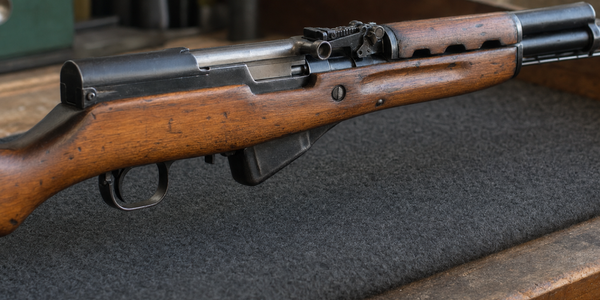
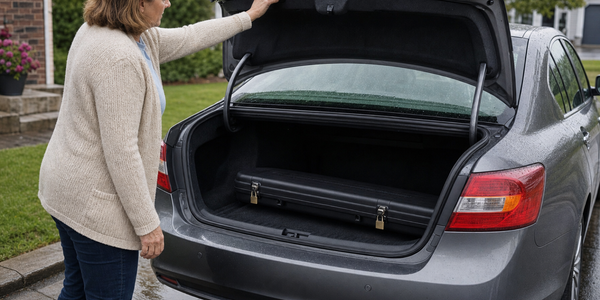
Your ammunition, *someone else's* porch
An ammunition parcel at the wrong door leaves the buyer needing delivery evidence, a retailer contact, and a clear explanation of the coverage terms.

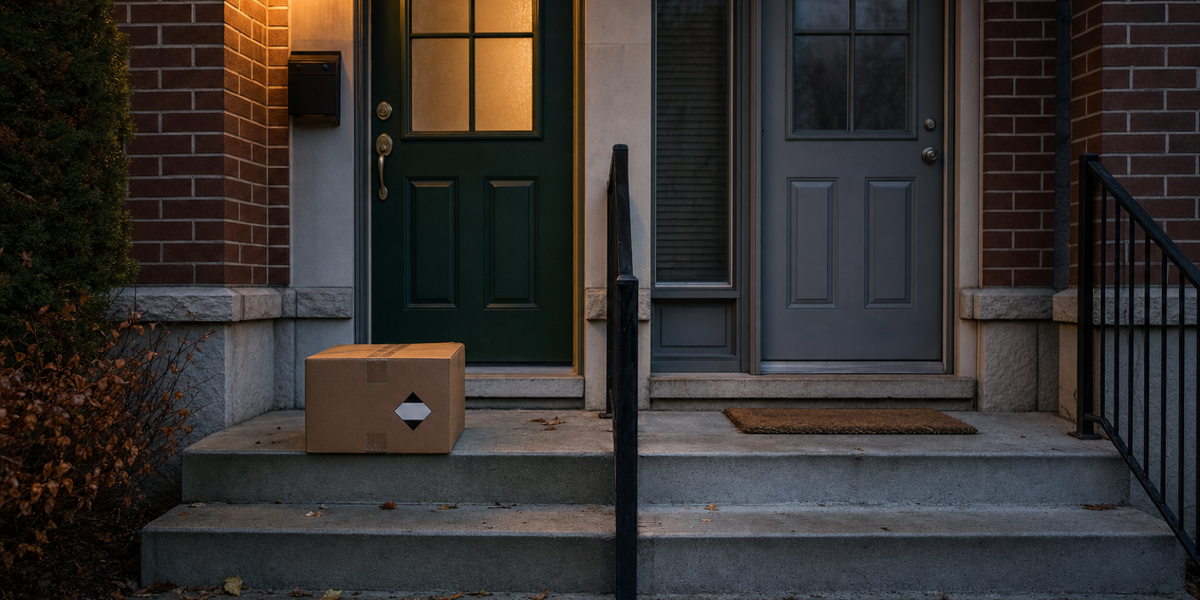
On Monday evening, a question appeared in r/canadaguns asking whether UPS had delivered someone's ammunition to another person. The captured title is all I have. The shop, the delivery record, and the outcome remain unknown.
It is a useful question for anyone ordering ammunition online. A missing parcel puts you between the retailer's order desk, the carrier's investigation, and whatever the shipping-insurance checkbox promised. I would call the shop first, with the order and tracking numbers ready. The published terms explain why.
The licence condition follows the transfer
Section 25(1) of the Firearms Act permits a person to transfer non-prohibited ammunition to an individual only if that individual holds a firearms licence. The Criminal Code's definition of transfer includes shipping and delivery, and section 101 addresses transfers made without lawful authority.
That gives retailers a reason to check the purchaser. Bullseye North asks for a PAL and date of birth for ammunition orders. Tenda also requires those details before processing, and its ammunition policy specifies an adult signature on arrival. These are named retailers' published procedures, checked on October 20.
A disputed delivery still needs its own facts. Those statutory provisions and checkout checks establish no finding about the anonymous parcel, the person who may have received it, or anyone's liability. For the buyer trying to find a box, the immediate questions are its location and who is investigating.
The claim runs through the shipper
UPS Canada's claims page allows recipients to file as guests. It also explains that a shipper can restrict recipients from starting claims, and directs recipients seeking updates back to whoever shipped the parcel. Approved payments go to the shipper of record or its designated payee.
For an ordinary retail shipment, the shop is the sensible starting point. Ask whether it will open the investigation or wants you to file as recipient. Get the claim number and the name of the person handling it. UPS says an existing investigation can prevent another claim from being opened, so coordinate the paperwork.
Keep the invoice and tracking number. UPS points readers to the shipment's country-of-origin terms for reporting deadlines. Ask for the applicable deadline while you have the retailer on the phone; guessing from a search result for another country buys you nothing.
Insurance needs a closer read
Bullseye North's optional shipping insurance covers damage during transit. Its exclusions include "theft or loss after confirmed delivery" and an incorrect address supplied by the customer. Its seven-day claim window applies to damage claims, with photographs of the package as received.
For a parcel you say went to another door, ask the shop how it establishes confirmed delivery and how it applies that wording. A scan can be contested. The published insurance terms alone leave the actual delivery facts and any other remedy unresolved. Keep the retailer's explanation in writing.
Tenda's page deserves a question before checkout. Its ammunition section mentions up to $100 coverage without purchased insurance, while its general insurance section says firearms and ammunition products receive no coverage without insurance. Both statements appear on the page. Ask which applies to your order and save the answer. An insurance checkbox is a poor place for a surprise ending.
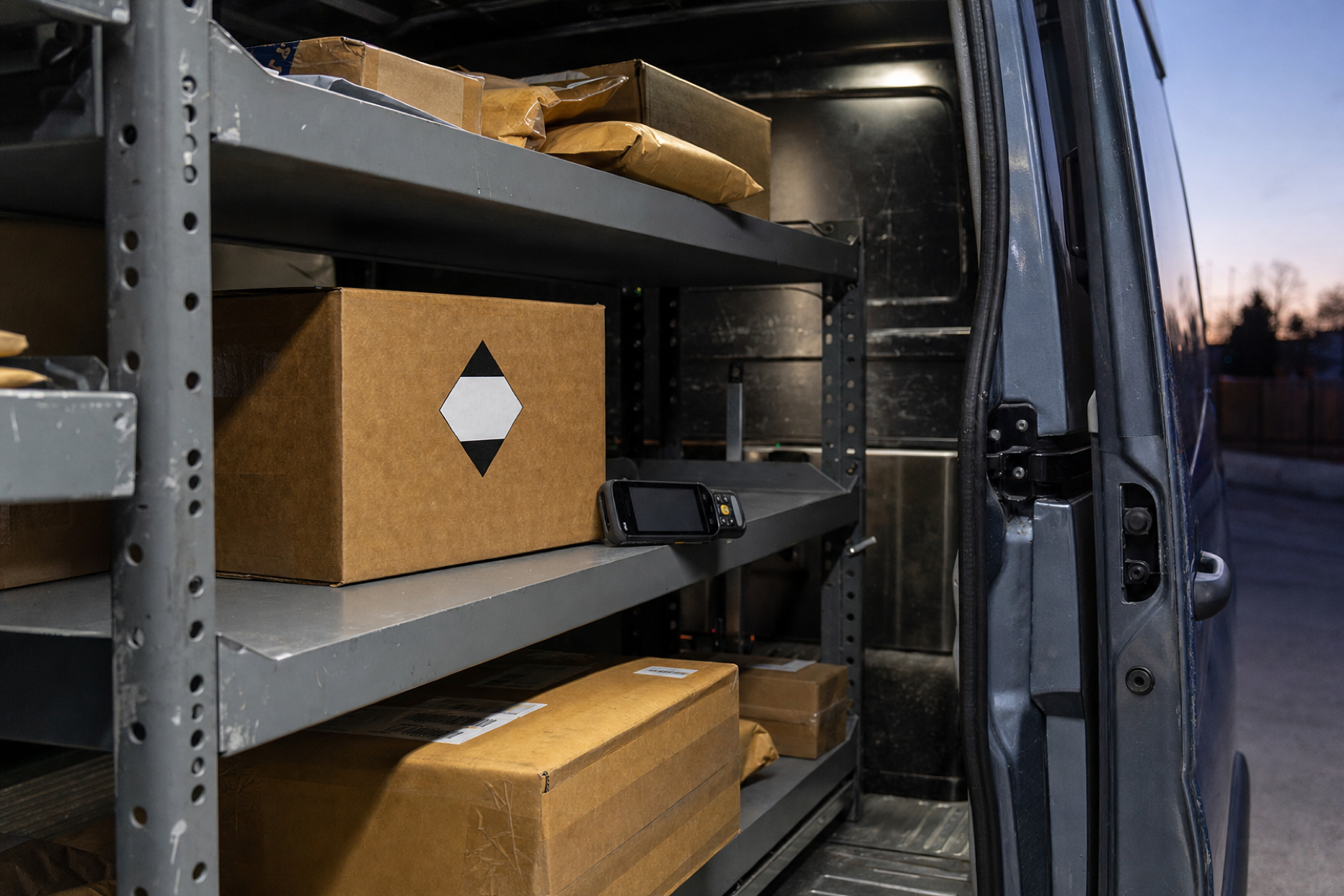
The acceptance rules also affect the delivery service. Canada Post excludes ammunition from the mail. Purolator publishes a ground-shipping route for specified small-arms cartridge classifications under Special Provision 125, requiring the diamond-shaped limited-quantity mark. That is a defined carrier route for qualifying goods; check the service used for the actual order.
Ask for the delivery record
An adult-signature requirement gives you a useful question to ask. Request whatever proof the carrier holds: a signature or name, a delivery photograph, and the recorded location where available. Establish whether the service was performed as ordered. Ask whether anyone signed and whose signature the carrier recorded.
Screenshot the tracking page before it changes. If a delivery photograph is available, compare it with your own entrance. Check the side door, garage area, and immediate neighbours. Save any message that identifies another address. These details give the retailer something concrete to send to the carrier.
I keep my bulk ammunition in locked boxes in humidity-controlled storage. The idea of a case spending the weekend on an unknown doorstep would get my attention rather faster than a missing pair of socks. I would want a person on the phone who could tell me what happens next.
If the parcel turns up, tell the retailer so it can update the investigation. If it remains missing, ask what evidence it needs and when it will respond about replacement or refund. If theft is suspected, ask how to record that concern and whether the investigation needs a police report. Keep the suspected theft separate from an established finding.
Card-payment disputes have their own deadlines and evidence requirements. Holdover's earlier article on a wrong firearm delivery explains why keeping the order record and contacting the issuer early can matter. Describe the actual delivery dispute and ask the issuer which process applies.
Where I land
Opinion. Licensed buyers put care into acquiring and storing ammunition. They deserve delivery terms that make the next step clear when a parcel disappears. A retailer can help by stating who opens the carrier claim, what proof it will request, and how its optional coverage handles a disputed delivery.
Before the next order, confirm the address, the delivery service, and the coverage in writing. After a problem, save the evidence and get a named person handling it. Both take less time than walking the block with a phone flashlight, asking about a brown box with a diamond on it.
For more practical Canadian ownership reporting, The Dispatch arrives weekly.
Sources
- r/canadaguns, October 20, 2026, 01:06 UTC, question title and timestamp only: Reddit.
- Firearms Act, section 25: Justice Laws.
- Firearms Act, section 2(2), definitions shared with the Criminal Code: Justice Laws.
- Criminal Code, definition of transfer and unauthorized transfers, sections 84 and 101: section 84, section 101.
- UPS Canada, claims process and recipient/shipper roles, checked October 20: File a claim.
- Bullseye North, purchaser checks and optional shipping-insurance terms, checked October 20: Shipping information.
- Tenda, ammunition and insurance sections, checked October 20: Shipping policy.
- Canada Post, ammunition among prohibited dangerous goods: Mailing firearms.
- Purolator, specified ammunition classifications and required ground limited-quantity mark: Special Provision 125.
- Transportation of Dangerous Goods Regulations, limited quantities and prescribed mark, section 1.17, and Schedule 2, Special Provision 125: section 1.17, Schedule 2.