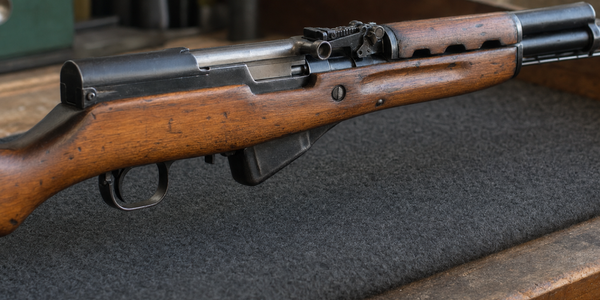
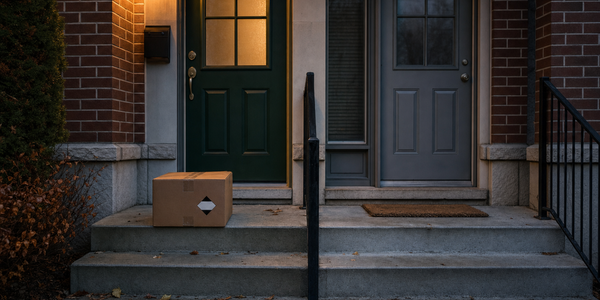
Manitoba sold moose licences. Hunters report *turn-backs*.
Manitoba removed last year's moose buffer zones and opened the season. MWF reports hunters turned back at Bloodvein again. The province owes them usable access information and a durable agreement.

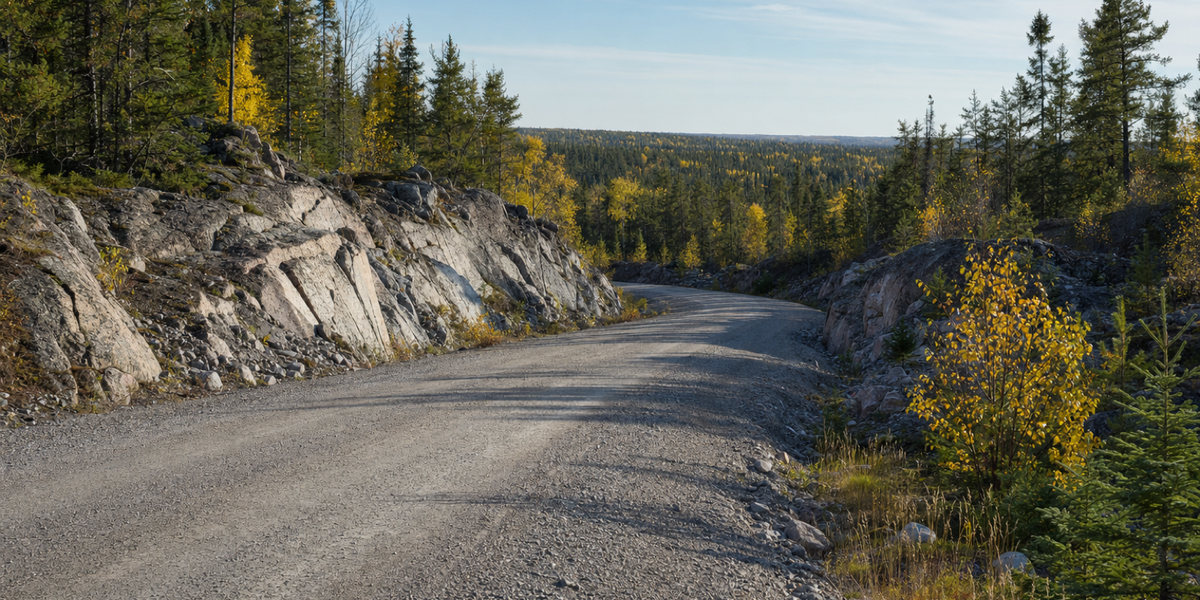
Manitoba opened its fall moose season in game hunting areas 17, 17A and 17B on September 21. The Manitoba Wildlife Federation had received a report the previous day that a party of licensed hunters was turned back at the Bloodvein checkstop and told it could not continue to hunt.
By September 25, The Canadian Press reported that the federation had received five reports of hunters being turned away. Provincial season dates, a purchased licence and a planned route had brought those hunters to an access dispute that continued into a second year.
The immediate problem for someone planning a trip is practical: which arrangements will let them reach the area their licence covers? The public record gives some answers about the season and the parties' positions. It leaves the outcome of an individual journey uncertain.
The season dates and the road
The 2026 Manitoba Hunting Guide says last year's moose buffer zones along roadways and rivers in areas 17A and 17B have been removed. Its season table lists September 21 to October 18 and November 30 to December 13 for the relevant Manitoba-resident licences. Area 17A uses a draw; areas 17 and 17B have general seasons. Canadian residents from outside Manitoba have a different entry in the table, covering the fall season in 17 and 17B.
Those distinctions matter when choosing an area and date. Access arrangements require a separate check.
In its September 21 update, MWF said the province had announced conservation officers would again be present to help licensed hunters pass through the checkstop. That is useful information about the announced arrangement. The statement does not establish who was present when a particular party arrived, or how each reported refusal unfolded.
The Canadian Press reported on September 25 that Premier Wab Kinew said Manitoba had sent a cease-and-desist letter on September 19 and shared it with the RCMP two days later. Police said they were aware of the checkstop on Rice River Road, about 20 kilometres south of Bloodvein, and were working with the province and other stakeholders.
Bloodvein's concerns deserve an answer
Bloodvein has raised conservation and community-safety concerns. In its September 25 account, The Canadian Press reported the First Nation's position that hunting moose in its traditional territory requires a band council permit. That remains an attributed position in an unresolved dispute.
The Assembly of Manitoba Chiefs' September 24 statement describes distinct concerns from Bloodvein, Misipawistik and Pimicikamak, and calls for direct meetings and disclosure of the information behind Manitoba's hunting decisions. Its September 27 response says conservation, treaty rights, jurisdiction and community safety require substantive work with the Nations' leadership. Police enforcement cannot do that work for governments, in the AMC's view.
A serious response has to address those concerns. The province's guide itself distinguishes Indigenous harvesting rights from the licensing requirements for other hunters. Describing conservation as one identical set of rules for everybody would erase a material part of the issue.
What the moose count can establish
Manitoba's 2024 aerial-survey report estimated 462 moose in area 17A, with a 90 per cent confidence interval of 359 to 673. The estimate did not differ significantly from the 2018 result, and the report describes a stable long-term population trend.
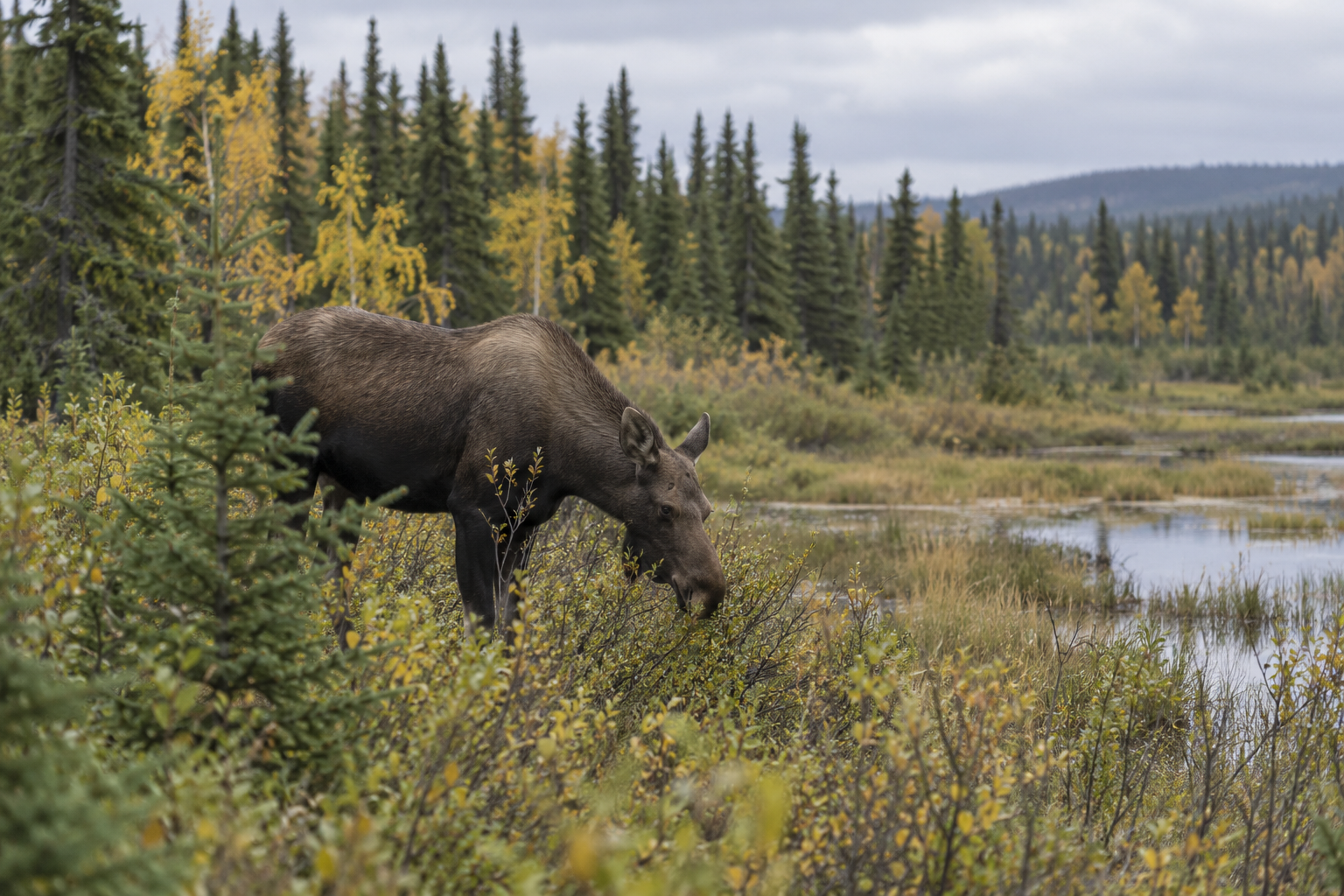
That gives readers a dated regional measurement to examine. It leaves room for questions about present local conditions, the distribution of animals and hunting pressure. A 2024 survey cannot, on its own, settle a 2026 access dispute or establish what a particular community can harvest now. Manitoba should explain how it combines survey evidence and Indigenous knowledge when setting the current season.
The court history also needs care. CBC reported in November 2025 that Justice Theodor Bock dismissed MWF's application for an injunction. CBC's account says he left open whether the checkstop constituted a blockade on the evidence before him. Holdover has not independently retrieved the written judgment. That limited account provides context; it gives a hunter no reliable prediction of what will happen at the road this week.
Opinion: publish usable access information
My RPAL arrived in May 2025. Getting licensed gives you an appreciation for how much of Canadian firearms ownership depends on understanding permission, conditions and paperwork. I have sympathy for a hunter who has done that work for a trip and still cannot get a clear answer about the route.
Manitoba should provide current, specific access information alongside the season it administers. That means explaining the arrangement with conservation officers, identifying who can answer a traveller's question, and saying what remains disputed. Hunters should be able to find that information before arranging time away or loading a vehicle.
MWF has proposed moving the checkstop onto reserve land at the community entrance to preserve its drug-and-alcohol purpose. The federation sets out that proposal in its September 22 letter. The province and Bloodvein need to answer it, or explain the arrangement they can agree on. A roadside conversation is an expensive place to discover that the negotiations are unfinished.
For someone who is turned back, MWF asks for a record of the conversation, who was involved and how access was refused. Its current reporting page lists contacts at MWF, Bloodvein RCMP and the provincial Minister of Justice. Its guidance is to remain calm and respectful.
The next Manitoba-resident period begins November 30. Hunters planning the current fall trip need a usable answer sooner, with a date on it and a public contact who can explain what has changed.
Sources
- Manitoba Wildlife Federation, turn-back report and reporting contacts, September 22, 2026
- Manitoba Wildlife Federation, season and conservation-officer update, September 21, 2026
- Manitoba Wildlife Federation, September 22 RCMP letter, posted September 23, 2026
- Manitoba Hunting Guide 2026, pages 3, 41 and 69
- Manitoba, 2024 Big Game Surveys, area 17A findings
- The Canadian Press via ChrisD, September 25, 2026
- The Canadian Press via CBC, updated September 25, 2026
- Assembly of Manitoba Chiefs, September 24, 2026 statement
- Assembly of Manitoba Chiefs, September 27, 2026 statement
- CBC, reported court decision, November 27, 2025
The amnesty file is still moving.
If this piece sent you back to government pages, do not wait for the next portal, Gazette, or court move to find you by accident.
The Dispatch follows Public Safety, RCMP, Canada Gazette, court, compensation, collection, and amnesty updates so the next change comes with the source that moved.
Safety note: the tracker is a worksheet for source hygiene, not legal advice or a substitute for current official guidance.