Burns Lake gave *0.37 MOA* a scorecard
Endako Blackjack's posted Burns Lake results turn one excellent 0.37 MOA group into a better precision lesson: steel, time, centre error, group shape, and repeatable proof all count.

Opinion. A 0.37 MOA group looks like the whole story until the scorecard starts asking better questions.
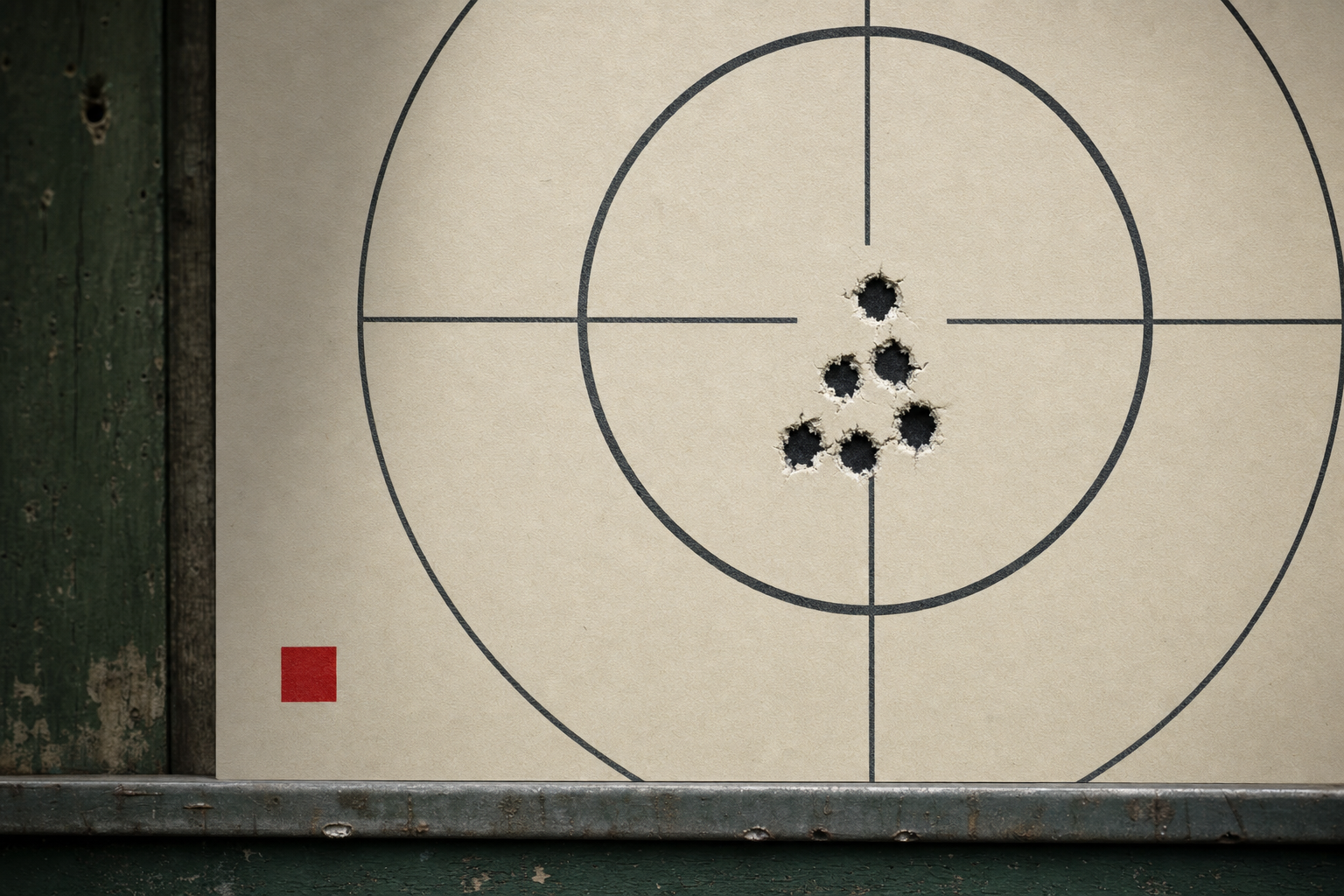
Nechako Outdoors posted the Endako Blackjack results from the June 20 shoot at Tweedsmuir Park Rod & Gun Club near Burns Lake, B.C. The headline number is easy to like: Carolyn Higginson shot a 0.37 MOA five-shot group at 400 yards, listed as 1.55 inches. That is a tidy little problem for anyone who enjoys pretending precision is simple.
The useful part is that the match did not stop there.
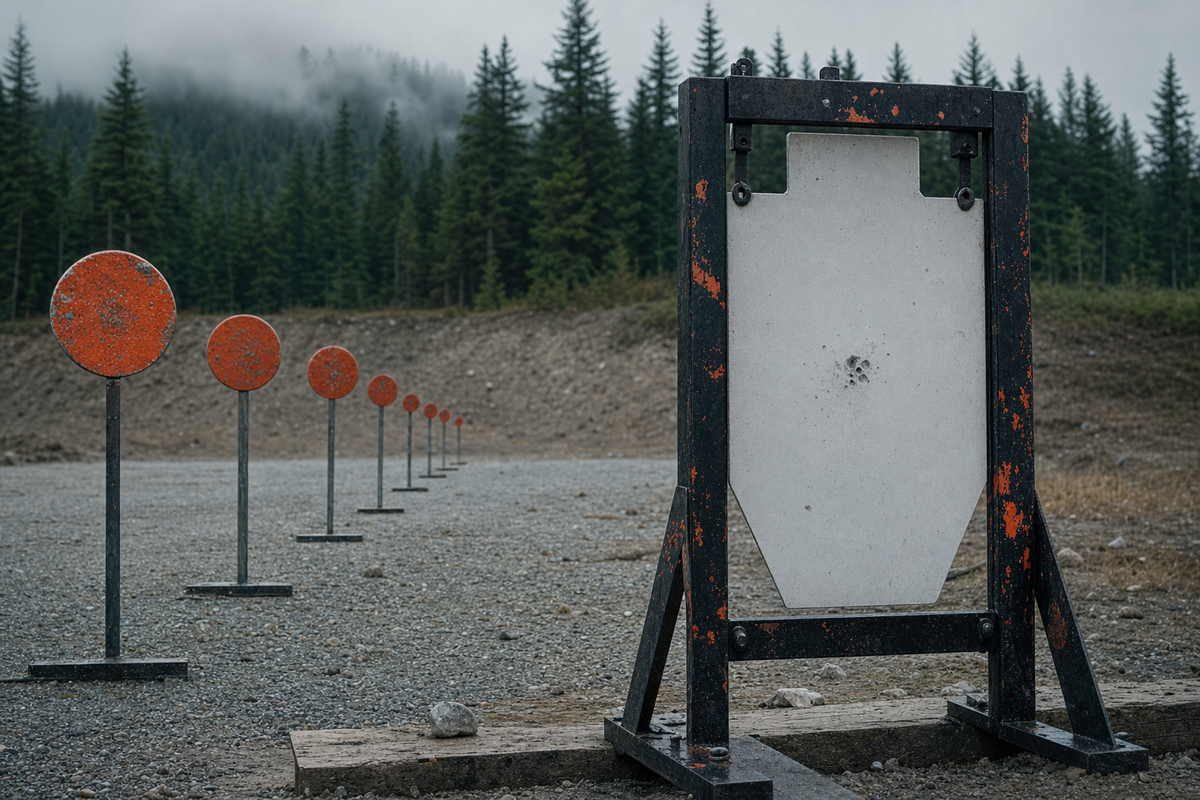
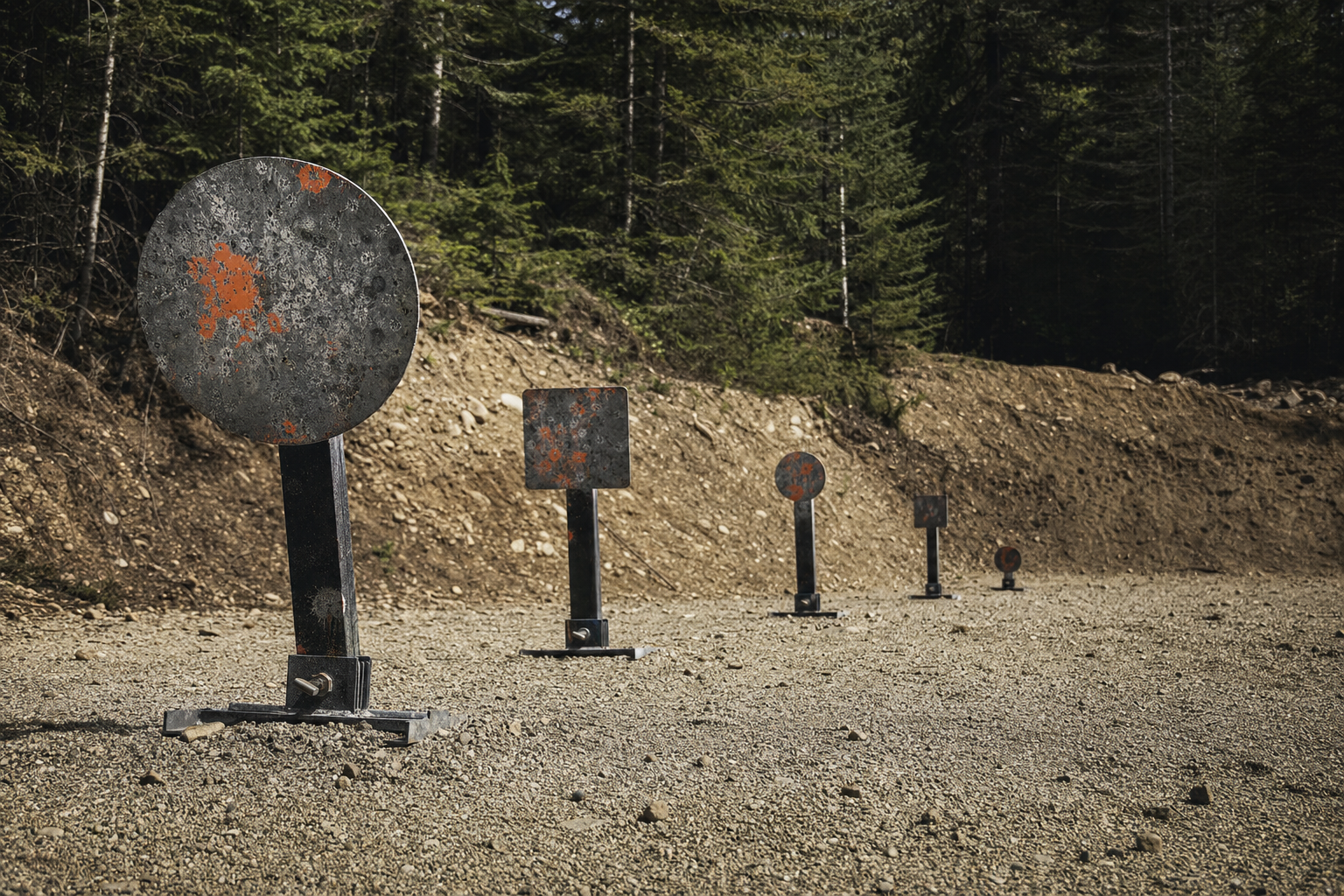
The Endako format put shooters on 300- and 400-yard steel plates, starting at 12 inches and stepping down to 2 inches. The steel stage gave them 12 shots in 2 minutes. The posted results also included a 400-yard ShotMarker event with one sighter plus five-shot groups scored across several categories: scoring ring, group size, elevation from centre, windage from centre, group height, group width, and mean radius.
That is a better precision lesson than one pretty target.
I understand the little romance of one good group. I have come home from normal Ottawa range days with a target that made the whole morning feel smarter than it probably was. The photograph goes in the phone. The note goes in the book. The owner quietly decides the rifle is now a witness for the defence.
Then the next range trip asks a follow-up question.
The steel makes the group behave
The Blackjack part of the match is almost too clean as a teaching tool. Large plate, smaller plate, smaller again. Hit to move on. Twelve shots. Two minutes. Points on the board. The top three posted steel scores all reached 72 points, with Nathan Holmquist listed first at 1:31.88, Jesse Alden second at 1:39.31, and Wally Stogneff third at 1:45.04.
That time detail matters.
A group on paper can flatter patience. Steel under a clock is less sentimental. It asks whether the shooter can make a decision, break a shot, read the result, move to the next demand, and keep the wheels on. A clean rifle/load combination still needs a shooter who can operate it without turning the stage into a small personal paperwork fire.
That is not anti-group-size. Group size is useful. It is just not the only useful question.
The steel asks: can you deliver enough accuracy fast enough to keep moving?
The ShotMarker asks: when the rifle groups well, did it land where it should have landed, and was the shape of the group telling you something useful?
Those are different questions. A better shooter needs both.
A club scorecard beats one internet target
The best thing about the posted Endako results is how unromantic the categories are. Group size gets its place, but it has company. Scoring ring. Elevation. Windage. Height. Width. Mean radius. Total points.
That is how a target becomes evidence instead of decoration.
A five-shot group can be small and still off-centre. It can be tight horizontally and tall vertically. It can look respectable while the mean radius says the shots were not as settled as the owner wants to believe. It can win one category and lose the argument somewhere else.
Good. That is the point.
The internet loves the clean target photo because it removes the irritating context. The club scorecard puts context back. It cares about the group, then it asks whether the group was centred, whether the vertical behaved, whether the windage wandered, and whether another shooter, on the same day, under the same format, solved the problem better.
This is where newer precision shooters can steal the habit without needing to shoot that match. On the next range day, do not just write "good group." Write the things that make the group accountable.
Where was it centred? How much vertical? How much horizontal? What changed in the wind or position? Was the first shot part of the story or a polite warning? Could the result be repeated, or did the rifle and shooter briefly agree to lie together?
The scorecard is not there to make the sport less fun.
It is there to keep the fun from becoming mythology.
The Canadian part is the quiet part
The broader story is not just that one B.C. shooter posted a very good 400-yard group. It is that a local Canadian match had 39 shooters, a simple format, a sponsor/community source willing to post results, a club range with long-distance culture, and enough data to let outsiders learn something from it.
That matters.
Canadian firearms owners spend too much of the public conversation reduced to licence status, prohibitions, compensation files, policy claims, and whatever lazy shorthand happens to be fashionable that week. Meanwhile, places like Burns Lake are doing the ordinary cultural work: setting targets, running relays, tracking scores, thanking volunteers, comparing results, and giving serious people a reason to improve.
There is no need to oversell it. A club match is a club match. It will not fix federal policy, lower powder prices, or make a new shooter suddenly immune to buying the wrong bag twice.
It does something more modest and more believable.
It shows what lawful Canadian shooting culture looks like when it is measured in targets instead of talking points.
The Tweedsmuir Park Rod & Gun Club page adds useful context here. That club has a visible long-range culture, including its 1000-yard shoot history, family attendance, volunteers, sponsors, and the sort of practical community infrastructure that never fits inside a national argument about "guns" as one ugly category.
The local scorecard is better evidence than the national caricature.
What to steal for the next range day
Most Holdover readers will not shoot Endako Blackjack. That is fine. The lesson travels.
Bring the small-group ambition, but do not let it drive alone. Add a timed string. Add a centre check. Add a vertical and horizontal note. Record the condition. Track whether the rifle repeats the result on another day. If you are working from a bench, make the bench answer more than one question. If you are moving toward matches, make the scorecard part of practice before match day makes it public.
The best note in the book is rarely the prettiest one. It is the one that tells future Steve what actually happened, not what current Steve hoped the target would imply.
A 0.37 MOA group at 400 yards deserves respect. It also deserves the discipline around it: the steel, the clock, the centre, the vertical, the horizontal, the mean radius, and the other 38 shooters making their own case.
A pretty group is allowed to be pretty.
It just does not get to be the whole witness.
Sources
- Canadian Gun Nutz,
Endako Blackjack shoot 2026: https://www.canadiangunnutz.com/forum/threads/endako-blackjack-shoot-2026.2582738/ - Canadian Gun Nutz,
Nechako Outdoors Blackjack Challenge 2026: https://www.canadiangunnutz.com/forum/threads/nechako-outdoors-blackjack-challenge-2026.2574437/ - Canadian Gun Nutz,
Tweedsmuir Park Gun Club - Blackjack 2026: https://www.canadiangunnutz.com/forum/threads/tweedsmuir-park-gun-club-blackjack-2026.2583052/ - Tweedsmuir Park Rod & Gun Club,
Current Events & Updates: https://tprg.ca/current-events/
Keep the range notes worth reading later.
If this piece has you thinking about range time, keep the notes useful enough to read later.
Use the Holdover Range Bench Log Card to record rifle, optic, ammunition, distance, weather, zero, group notes, correction, and next test without turning a range trip into a memory test.
Safety note: the card is a note-taking worksheet, not shooting instruction, load data, legal advice, or a substitute for range rules, official guidance, manufacturer manuals, or qualified instruction.