C-21 listened at the *wrong counter*
A fresh look at the C-21 consultation file is a reminder that Canadian firearms policy keeps missing the people already standing inside the law.

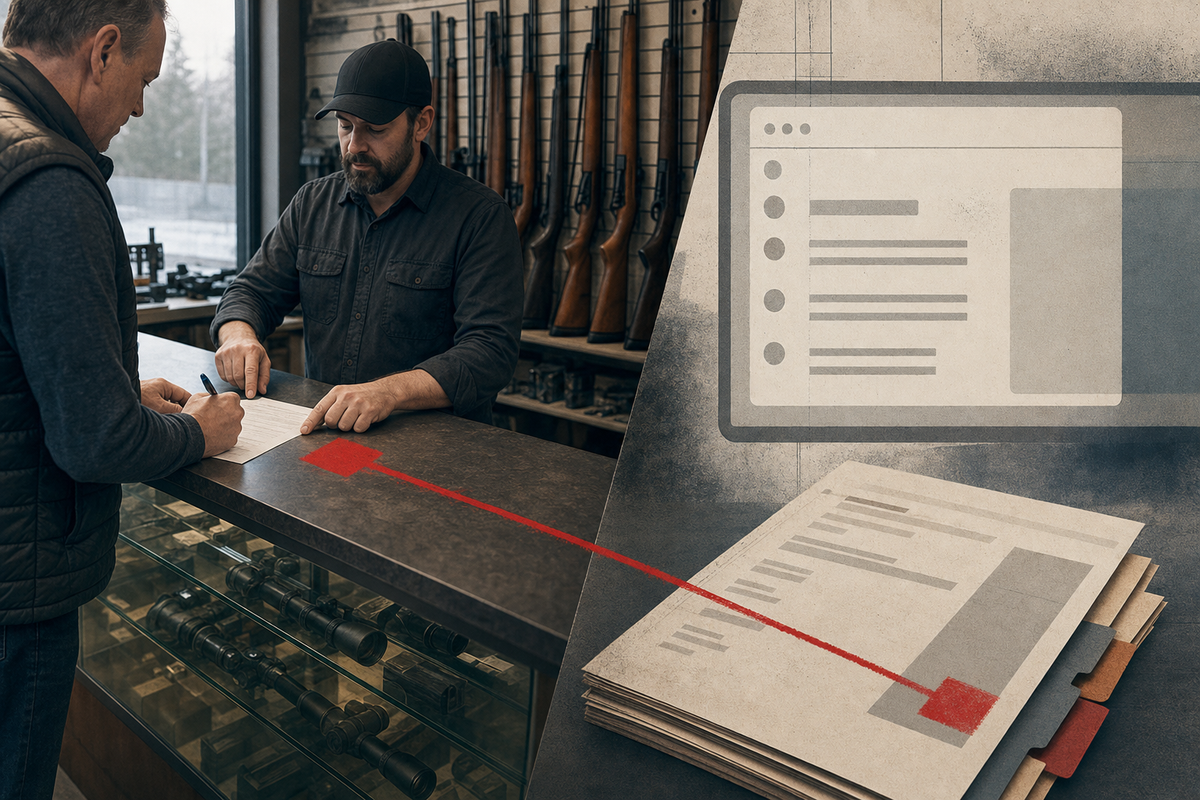
Opinion. The easiest way to get Canadian firearms policy wrong is to talk about a gun sale without talking to the people who actually live at the counter.
That is why Calibre's June 12 report on newly released Bill C-21 consultation documents is worth more than a quick angry share. The headline item is obvious: Calibre reported that invited stakeholders pushed ideas such as banning online firearm sales, limiting handgun target-shooting paths through clubs, and treating lawful owners as if they were a standing risk category waiting to break bad.
But the deeper problem is not one bad line in one document.
It is what happens when Ottawa lets the abstract room outrank the regulated counter.
A stakeholder room is not the whole country
Consultation sounds serious. It can be serious. It can also become a neat way to collect the opinions government already finds convenient, then call the file complete.
Calibre reported that the C-21 material it reviewed included a technical-briefing document prepared around the bill's amendment work, and that this outside consultation appeared in a 435-page response about the proposal and development of amendments to Bill C-21. The story also names gun-control stakeholders and describes their concerns about online sales, clubs, businesses, and handguns.
Take the politics out for a second and look at the shape of that.
If the room talks about firearm sales as if the word "online" magically deletes the law, the room is missing the counter. If it talks about clubs as loophole machines, it is missing the club office, the CFO relationship, the range rules, the sign-in book, and the volunteer who tells a new shooter to stop touching the case before the safety briefing is done.
That is not consultation. That is a cardboard cutout of a community.

Online does not mean unregulated
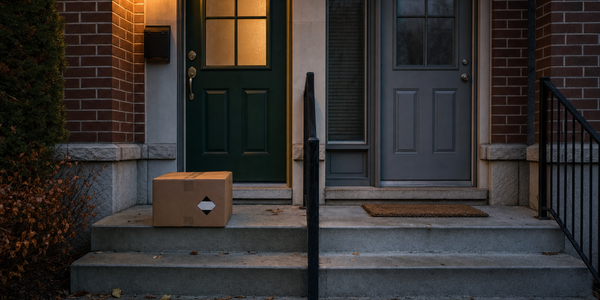
New shooters should learn this early: a Canadian online firearm order is not the same thing as ordering socks.
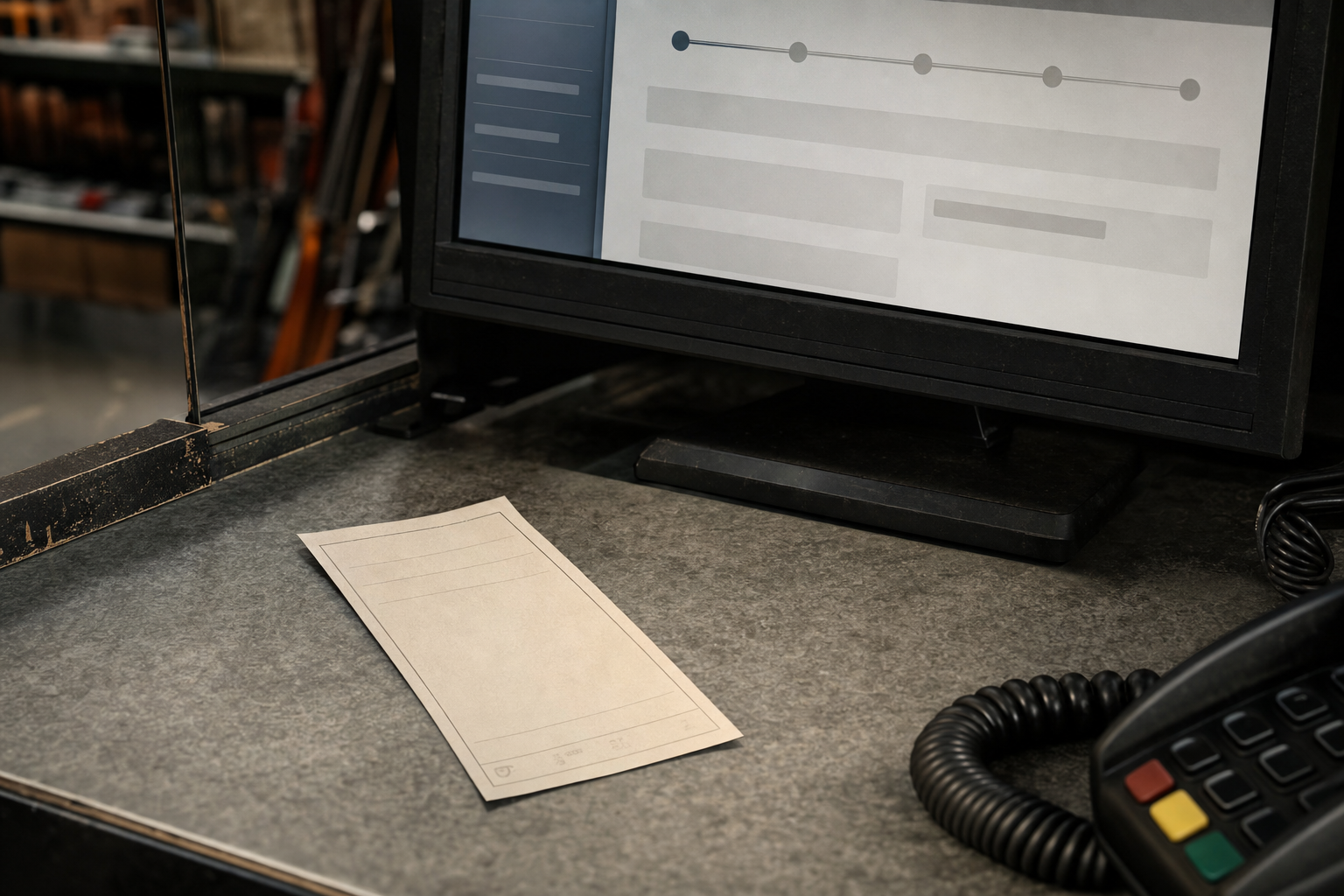
The RCMP's current buying-and-selling guidance says a non-restricted transfer can happen only after the seller gets confirmation from the Registrar that the buyer holds, and remains eligible to hold, the right licence. That confirmation comes through a reference number. For a non-in-person transfer, the RCMP guidance also describes identity-verification steps, including visual comparison or government-issued photo identification when visual comparison is not possible.
That is the part that vanishes when the argument starts with "ban online sales" instead of "what rule is failing?"
A lawful buyer needs the licence. The seller needs the reference-number gate. A restricted or prohibited transfer is tighter again: registration, approval, and paperwork before the gun moves.
This is why ordinary owners get so frustrated with the past six or seven years of Liberal firearm policy. The government keeps speaking as if the most dangerous thing in the country is the lawful channel it can already see.
Meanwhile, the hard files are elsewhere: smuggling, trafficking, straw purchasing, illegal possession, violent repeat offenders, stolen property, and guns that never saw a lawful Canadian counter at all.
I have bought enough gear and rifles through Canadian retailers to know the feeling: the interesting part may be the box on the counter, but the grown-up part is the quiet verification before anything leaves.
The counter is not perfect. Nothing human is. But it is not a hole in the law.
Bill C-21 already moved the walls
Bill C-21 is not a footnote. Parliament's LEGISinfo record shows it received royal assent on December 15, 2023. Public Safety Canada described it as bringing in the national handgun freeze, red-flag provisions, increased penalties for smuggling and trafficking, and new classification rules.
So when a consultation record shows appetite for going after online sales, clubs, businesses, or target-shooting paths, do not treat it as harmless brainstorming. In Canada, brainstorming can become a Gazette notice, a portal message, a frozen market, or a page the rest of us read at midnight to figure out what changed.
That is why words matter.
"Online sales" sounds loose until you include the reference-number gate.
"Gun show" sounds loose until you include the licence check.
"Gun club" sounds loose until you include the CFO, the board, the range officer, the safety culture, the insurance, and the member who can be removed for acting like an idiot.
"Lawful owner" sounds vague until you remember he is the easiest person in the system for government to find.
Ask the people in the system
The best firearms consultation would not just ask people what scares them about guns. It would ask the lawful system where it already has gates, where those gates are slow, where they are useful, where they are cosmetic, and where criminal files ignore them completely.
Ask the retailer who explains reference numbers, the club that turns curiosity into safe behaviour, the instructor who can spot humility in ten minutes, and the newer PAL holder who learned that a first online rifle order still runs through verification, identity checks, shipping rules, storage rules, and adult patience.
Ask the people who actually operate the counter before writing policy about the counter.
That should not be controversial. It is basic source hygiene.

What a newer shooter should take from this
If you are newer to Canadian firearms, build the habit that will keep you sane: read the source, then read the process.
Do not stop at the hottest sentence in a news story. Check the official page. Check the date. Separate a consultation view from a law, a law from guidance, and a legal channel from a criminal file. Plenty of people talk about firearms with total confidence and no idea how a transfer actually works.
You do not need to become a lawyer to see the pattern.
For years, the policy camera has kept swinging back to the same visible population: the person with a PAL, the business with a licence, the club with a sign-in book, the retailer with records, the owner with a login.
Public safety should be braver than that.
If the problem is violent crime, aim at violent crime. If the problem is smuggling, aim at smuggling. If the problem is trafficking, aim at trafficking. If the problem is a specific lawful-process failure, name it precisely and fix that failure. Do not flatten the whole lawful market into one scary word because the word polls better than the work.
The people at the counter are not asking for special treatment. They are asking to be described accurately.
That is the minimum standard for serious law.
The next time Ottawa opens a file on firearm sales, it should start where the law already lives: at the counter, in the club, at the transfer gate, and inside the regulated system it keeps pretending not to see.
Sources
- Calibre Magazine, C-21 Docs Show "Stakeholders" Sought to Ban Online Gun Sales, Daniel Fritter, June 12, 2026.
- RCMP, Buying and selling (transferring) firearms, accessed June 14, 2026.
- Public Safety Canada, Former Bill C-21: Keeping Canadians safe from gun crime, accessed June 14, 2026.
- Public Safety Canada, Legislation to reduce gun violence receives Royal Assent, December 15, 2023.
- Parliament of Canada, C-21 (44-1) - LEGISinfo, accessed June 14, 2026.
- RCMP, 2023 Commissioner of Firearms Report, accessed June 14, 2026.
The amnesty file is still moving.
If this piece sent you back to government pages, do not wait for the next portal, Gazette, or court move to find you by accident.
The Dispatch follows Public Safety, RCMP, Canada Gazette, court, compensation, collection, and amnesty updates so the next change comes with the source that moved.
Safety note: the tracker is a worksheet for source hygiene, not legal advice or a substitute for current official guidance.