Luke Anderson takes *second* at the junior precision-rifle worlds
Canada's Luke Anderson recorded 180 of 200 possible impacts at the 2026 IPRF worlds. His second-place Junior finish, the other Canadian results, and how to read the scorecard.

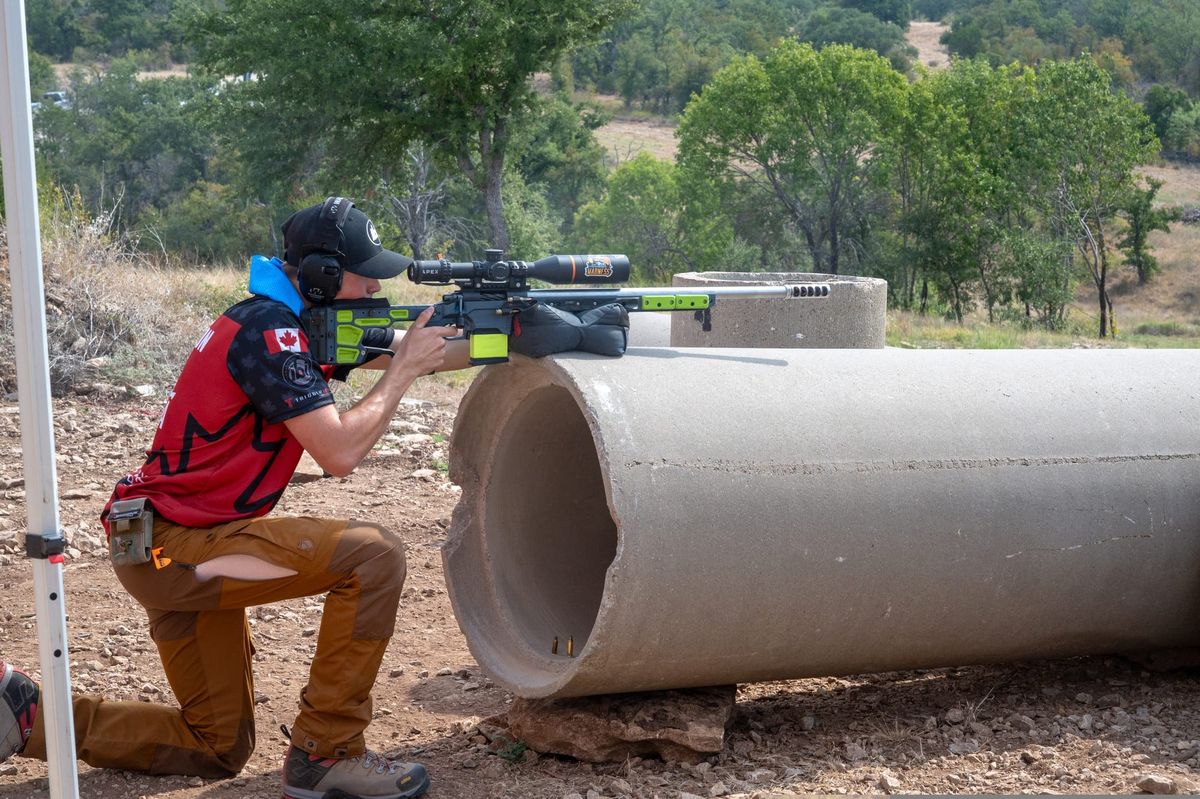
Luke Anderson finished second in the Junior division at the 2026 precision-rifle world championship in Texas, recording 180 impacts from a possible 200. The completed Junior scorecard puts the Canadian two impacts behind winner Dylan Bailey and two ahead of third-place Reagan Stahmer.
That is a strong Canadian result. It also takes one small change to the leaderboard to see it properly. Open the default results page and Anderson appears in 15th place. Select Junior and he moves to second. The same performance sits in two different comparisons.
The championship ran September 22-28 at Gravestone Precision Shooting in Lipan, Texas. Holdover covered Canada's roster before competition. Now the scoring service marks the match ended, and the results give those names something concrete to stand beside.
Canada's three Junior results
The Canadian Precision Rifle Association listed Anderson, Chase Beckley and Savanna Massong on its 2026 Junior roster. All three appear on the completed division scorecard, with all 20 stages recorded.
| Canadian competitor | Junior placing | Impacts out of 200 |
|---|---|---|
| Luke Anderson | 2nd | 180 |
| Chase Beckley | 5th | 169 |
| Savanna Massong | 16th | 124 |
Bailey led the division with 182. Stahmer and South Africa's Johan Nel each recorded 178, with the published ranking placing Stahmer third and Nel fourth. Beckley follows them in fifth. Those positions come from the scorecard's ranking, including its ordering of tied totals.
The front of the Junior field was close. Anderson was two impacts off the winning total across the whole match. That margin tells us how tightly the leaders finished across twenty stages.
Two rankings, two percentages
Impact Scoring's default view combines the divisions. Anderson's 180 puts him 15th in that combined list. The Junior filter compares him with the competitors in his own division and returns second place.
For anyone following a Canadian athlete, choosing the division is the useful first step. A national flag helps find a name; the category tells you which placing you are reading. A screenshot taken from the combined page can leave that second part out.
There is another distinction beside Anderson's name. With Junior selected, the row displays 90.00% success rate and 98.90% score. Both figures are correct, and they answer different questions.
The success rate comes from 180 divided by the 200 possible impacts. An impact is a recorded hit. Anderson collected 90% of the available total.
The score percentage compares his 180 with the Junior winner's 182. That calculation gives 98.90%. It expresses how close he finished to Bailey's total. Change back to all divisions and the comparison uses the overall leader's 192, producing 93.75% for Anderson.
The denominator changes with the view. The 180 impacts stay the same.
The progress field is separate again: Anderson's row shows 20 of 20 stages and 198 of 200 shots. Describing his result as 180 of 200 possible impacts keeps the available points clear without claiming that he fired all 200 rounds. The scorecard alone cannot explain the circumstances behind the two unshot rounds.
More Canadian names near the front
The Canadian results extend across the other divisions. Philippe Landry placed fourth in Factory with 172 impacts. Nelson Drolet placed fifth in Mil/LEO with 175. Nathan Wiggins placed fifth in Limited with 161. Each result belongs to its own division and can be checked through the filters on the championship results page.
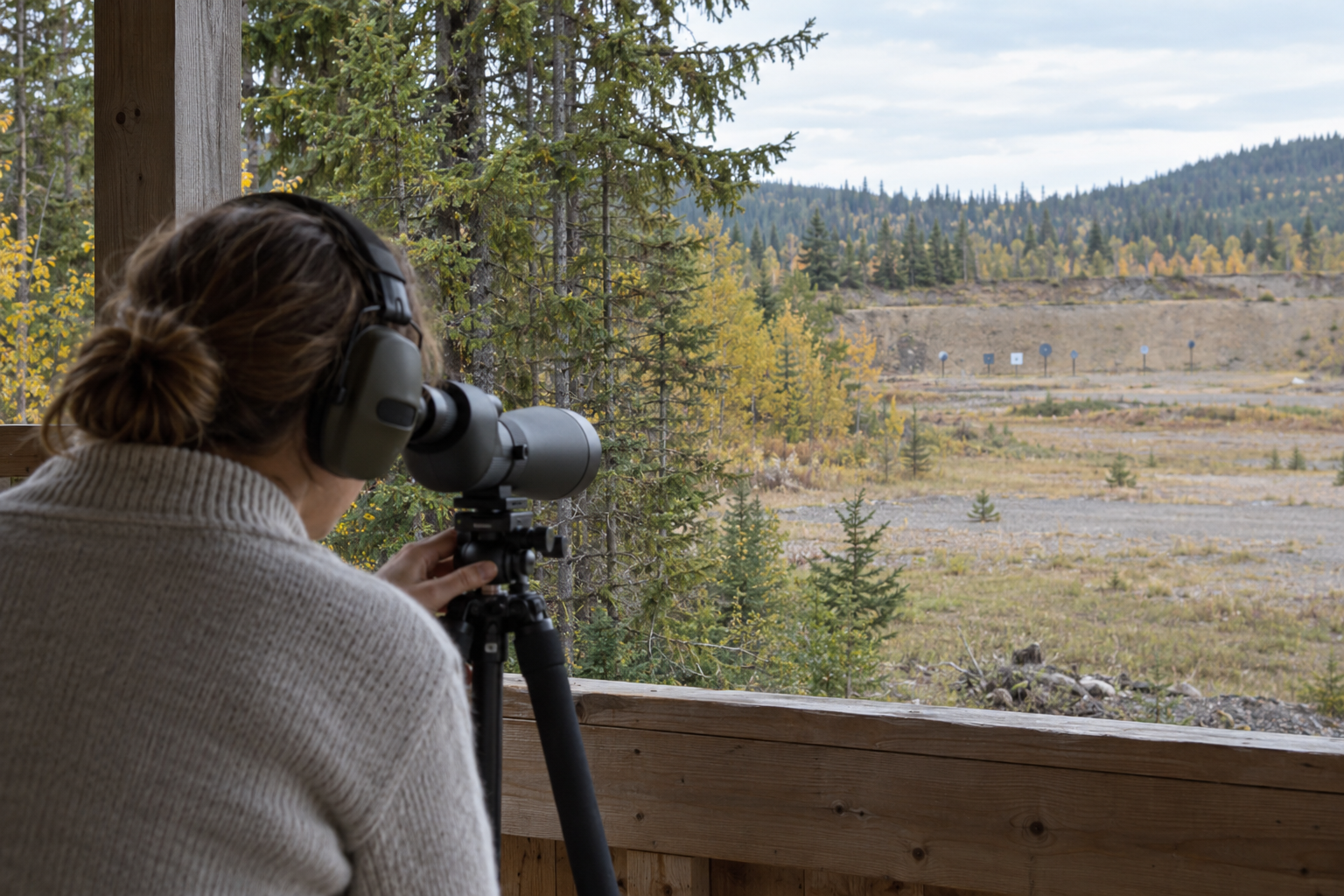
Anderson's individual stage card adds a more tangible picture of his own match. He recorded eight perfect 10-impact stages and seven nine-impact stages. The remaining five scores were three eights, a seven and a six. Together they total 180.
That is the scale of the performance: points accumulated across 20 separate stages, with full marks on eight of them. Fifteen of his twenty stages produced at least nine impacts each, leaving the other five to complete the total.
The organizer's schedule put Junior competition on September 24 and 26, with weather-permitting tie-break shoot-offs and the closing ceremony scheduled for September 28. The recorded stage scores give readers a way to look back through the match after the week has ended.
Opinion: give the achievement its name
Canadian firearms coverage spends plenty of time on programmes, prohibitions and court filings. Those stories deserve careful attention. I want the people who compete to get the same care.
A named result makes the sporting side of ownership visible in a way that broad claims about participation rarely manage. It gives another shooter somebody to follow, a club a result to recognize, and a curious reader an understandable entry into a discipline whose scoreboards can look dense at first glance.
The reporting can stay modest about what it knows. We have a completed competition, a Canadian athlete, a division placing and a recorded score. There is enough achievement in those facts to carry the story.
Second in Junior, with 180 impacts, is a result worth knowing by name.
Sources
- Impact Scoring: 2026 world-championship Junior results, checked September 29, 2026.
- Impact Scoring: all divisions and category filters, checked September 29, 2026.
- CAPRA: 2026 Team Canada roster.
- USPRA: championship schedule.
Follow Canadian shooting, ownership and policy in The Dispatch.
Keep the range notes worth reading later.
If this piece has you thinking about range time, keep the notes useful enough to read later.
Use the Holdover Range Bench Log Card to record rifle, optic, ammunition, distance, weather, zero, group notes, correction, and next test without turning a range trip into a memory test.
Safety note: the card is a note-taking worksheet, not shooting instruction, load data, legal advice, or a substitute for range rules, official guidance, manufacturer manuals, or qualified instruction.