During *Coaches Week*, shooting clubs have homework
National Coaches Week offers free learning today and shooting-specific training this week. Clubs can help volunteers turn a course into sustained coaching.

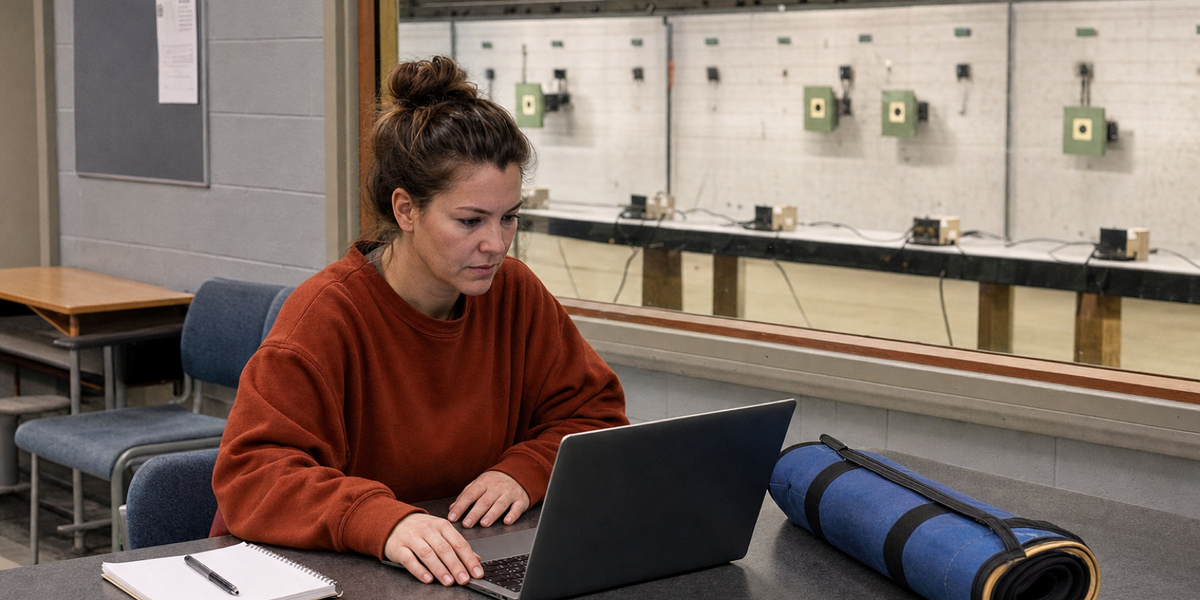
A coaching lesson that normally costs $15 is free on September 15. Canada's shooting clubs have a reason to put it in front of the person who keeps making time to help other members learn.
The Coaching Association of Canada opened National Coaches Week yesterday. Its September 14-20 programme includes a different free online module on each of four days. Today's offer covers Creating a Positive Sport Environment, part of the National Coaching Certification Program, or NCCP.
The Shooting Federation of Canada has its own coaching courses on this week's calendar. Together, those offers give a club something concrete to discuss: who wants to develop as a coach, and what support would help that person finish the work?
I have spent time looking for one-to-one coaching as well as buying gear. That gives me an interest in the person on the other side of the lesson. Researching a purchase can absorb an impressive amount of an owner's attention. Preparing someone to teach deserves a place in the budget too.
Today's lesson
CAC's current offer page lists the September 15 module with the code CPSE-45439-NCW, used through its Locker learning system. The code applies on the specified date. Readers arriving later should check the current offer rather than expect the discount to remain available.
The module description gives a useful sense of the material. It covers coaching centred on the participant, positive ways to support learning, and the misuse of a coach's authority, including how to respond to suspected maltreatment. CAC lists the usual price as $15. Coaches maintaining NCCP certification can earn five professional-development points on completion.
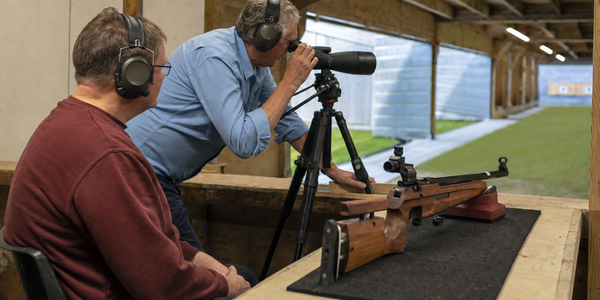
That scope has a place in a shooting club. Someone asking for help arrives with a particular level of knowledge, a reason for coming, and a willingness to admit what they have yet to learn. The instructor has to work with that person. A confident delivery and a large personal equipment collection provide only part of what the learner needs.
I would want a coach who can listen to a question without treating it as an interruption. I would also want room to ask it twice. There is a difference between having heard an explanation and having understood it, especially when the person asking feels pressure to look competent.
Those are expectations of teaching. The free module gives interested volunteers a defined place to examine them, with material they can discuss afterwards. A club could make that discussion part of an ordinary meeting and ask what, if anything, members would change about their own introductions to the sport.
Shooting-specific work this week
SFC lists a virtual Instructor-Beginner rifle workshop across September 14 and 15 at $75. It has already begun, and its listed ticket-offer period has ended. The current event shows coaching work underway this week; new readers should look for the next suitable opportunity.
The Instructor-Beginner pistol workshop is listed for September 19, from 8 a.m. to 1 p.m. Pacific, also at $75. Its detailed page requires membership. Anyone interested should check SFC's current registration and eligibility requirements promptly. The public listing alone cannot confirm a place for a particular applicant.
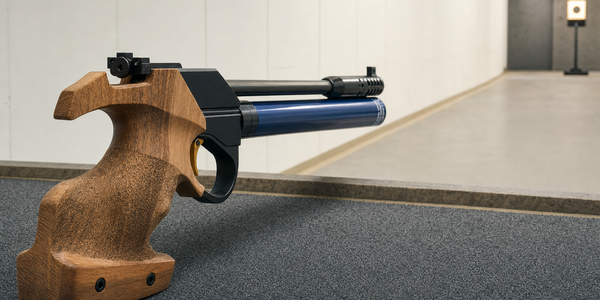
SFC describes Instructor-Beginner as a route for people beginning formal coaching with entry-level or non-competitive target shooters. Participants choose rifle, pistol, or shotgun. The work includes planning, learning theory, safety, and analyzing shooting skills.
For a club considering support, the sensible starting point is the intended role. A volunteer helping recreational participants needs training suited to those participants. A person preparing competitive athletes has a different development path. SFC publishes several stages, so the club and prospective coach have something specific to ask about.
The advertised $75 covers a workshop. A club planning its contribution should establish what membership, other modules, evaluation, and time commitments remain. That produces a useful budget and gives the volunteer a clearer commitment to accept.
After the course
SFC separates training from evaluation. Training addresses the relevant coaching outcomes; evaluation asks a candidate to demonstrate them against defined standards. The federation says the stage that finalizes certified status includes direct observation and feedback with a facilitator. It also requires completion of the chosen discipline's pathway before moving to the next one.
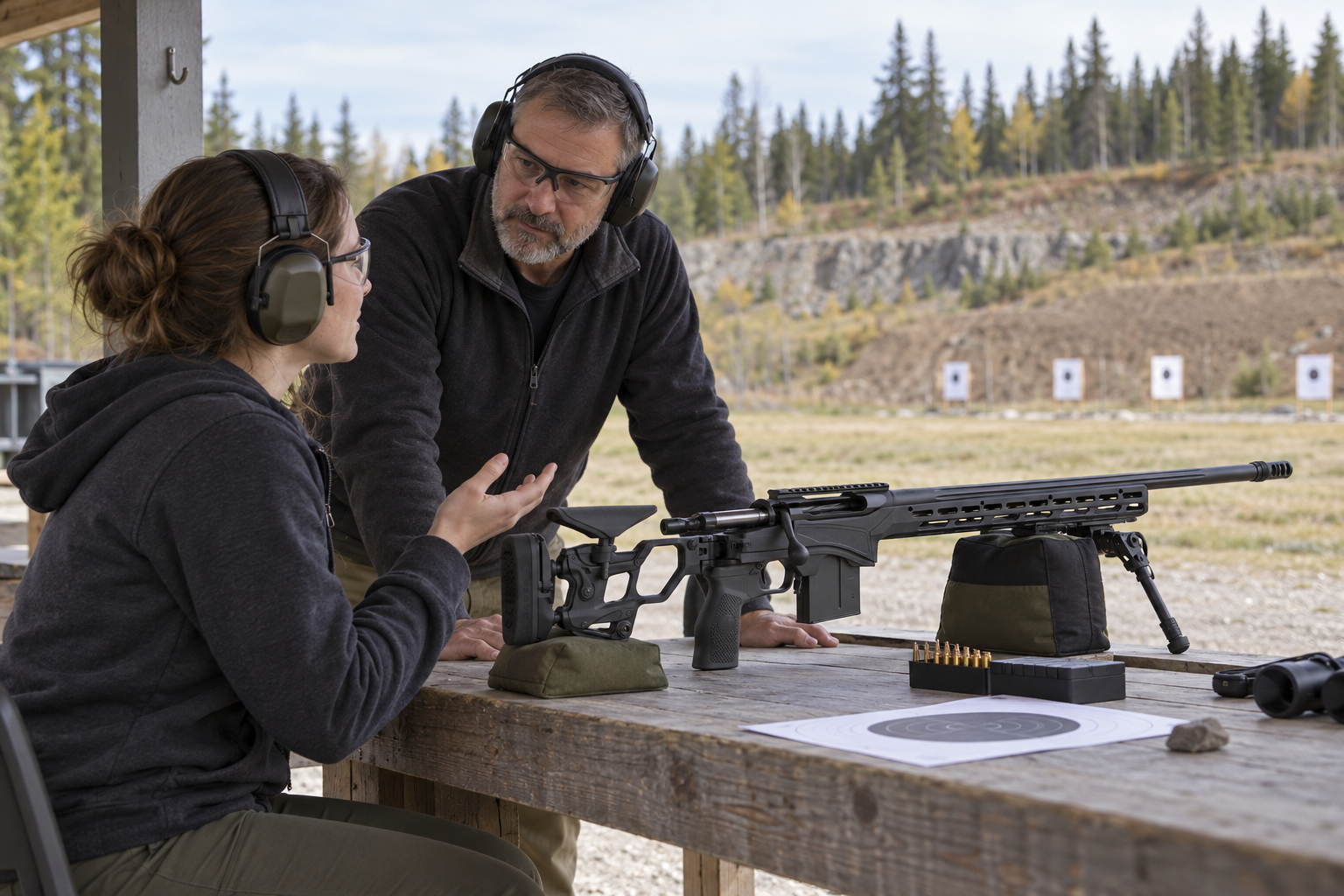
That distinction deserves plain language whenever a club describes a coach's qualifications. A completed module, workshop attendance, and certified status describe different milestones. Recording the actual milestone respects the work already done and makes the next step visible.
I would favour club support that extends through those later steps. Covering a fee can help. So can arranging time for the volunteer to prepare, finding someone who understands the pathway, and checking back after the workshop. The details belong in a conversation with the person doing the work.
The broader pro-ownership case includes making participation worthwhile. Clubs give people a place to practise their sport and meet others who take it seriously. Thoughtful instruction can make that experience easier to enter and more rewarding to continue. It deserves attention alongside the equipment and facilities.
Coaches Week supplies a date for starting that conversation. Today's module offers a small, accessible first commitment. A club can ask one willing volunteer what comes next, agree on the support, and put time for learning on the calendar.
Sources
- Coaching Association of Canada: September 14, 2026 announcement.
- CAC: current National Coaches Week offers and daily codes.
- CAC: Creating a Positive Sport Environment module.
- Shooting Federation of Canada: coach-development pathways.
- SFC: September 14-15 rifle workshop.
- SFC: September 19 pistol workshop.
Sources checked September 15, 2026. This is commentary on coach education and club support. Course listings establish scheduled offerings, with eligibility and registration subject to SFC's current requirements.
Keep the range notes worth reading later.
If this piece has you thinking about range time, keep the notes useful enough to read later.
Use the Holdover Range Bench Log Card to record rifle, optic, ammunition, distance, weather, zero, group notes, correction, and next test without turning a range trip into a memory test.
Safety note: the card is a note-taking worksheet, not shooting instruction, load data, legal advice, or a substitute for range rules, official guidance, manufacturer manuals, or qualified instruction.