CBSA lays *manufacturing charges* after Essex searches
CBSA reports manufacturing charges after an Essex investigation involving unregulated parts. The case raises separate questions about component rules and alleged conduct.


Opinion
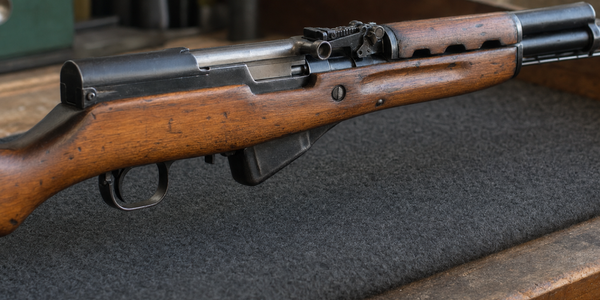
The words that caught my attention in CBSA's September 24 Essex County announcement were "unregulated firearm parts". Officers intercepted them at the Ambassador Bridge in May. The agency now reports charges involving alleged prohibited-firearm manufacture and conspiracy. CBSA's release leaves the specific intercepted parts unnamed.
A part's classification tells us which rules apply to the object. A manufacturing allegation concerns what someone is accused of doing. Both matter to a country trying to stop criminal supply while leaving lawful firearms ownership on clear, workable terms.
I buy rifle equipment, so the word "parts" makes me want a more useful noun. A stock, a barrel, and a receiver can all appear in an equipment conversation. The legal distinctions between them are substantial. I want the object identified before a broad description becomes a policy argument.
The investigation was already under way
According to CBSA, the Essex investigation grew from an earlier Windsor investigation that produced charges in September 2025. The May border interception came later. On July 15, CBSA investigators, working with RCMP and OPP teams, executed Essex County warrants and seized 53 firearms.
The agency's reported findings include six unlawfully possessed handguns and two unregistered sub-machine guns. It also lists 116 magazines, including 39 described as over capacity. A Cottam man faces manufacturing, conspiracy, possession, storage, and import-related allegations. CBSA lists November 16 as his next court appearance. These remain allegations requiring proof.
The sequence gives us a reason to pay attention to the investigative work between an initial lead and a search. Treating September's announcement as one dramatic border seizure would lose that sequence. The public account describes months of follow-up, with the border interception occurring within an investigation already in progress.
"Parts" covers several legal categories
CBSA's current import memorandum, dated June 25, divides firearm parts into five groups in paragraph 17. A frame or receiver is treated as a firearm in its own right. Barrels and handgun slides fall within a defined firearm-parts category, subject to an exception for parts designed exclusively for certain exempted firearms. Components designed exclusively for automatic firearms and items classified as prohibited devices occupy other categories.
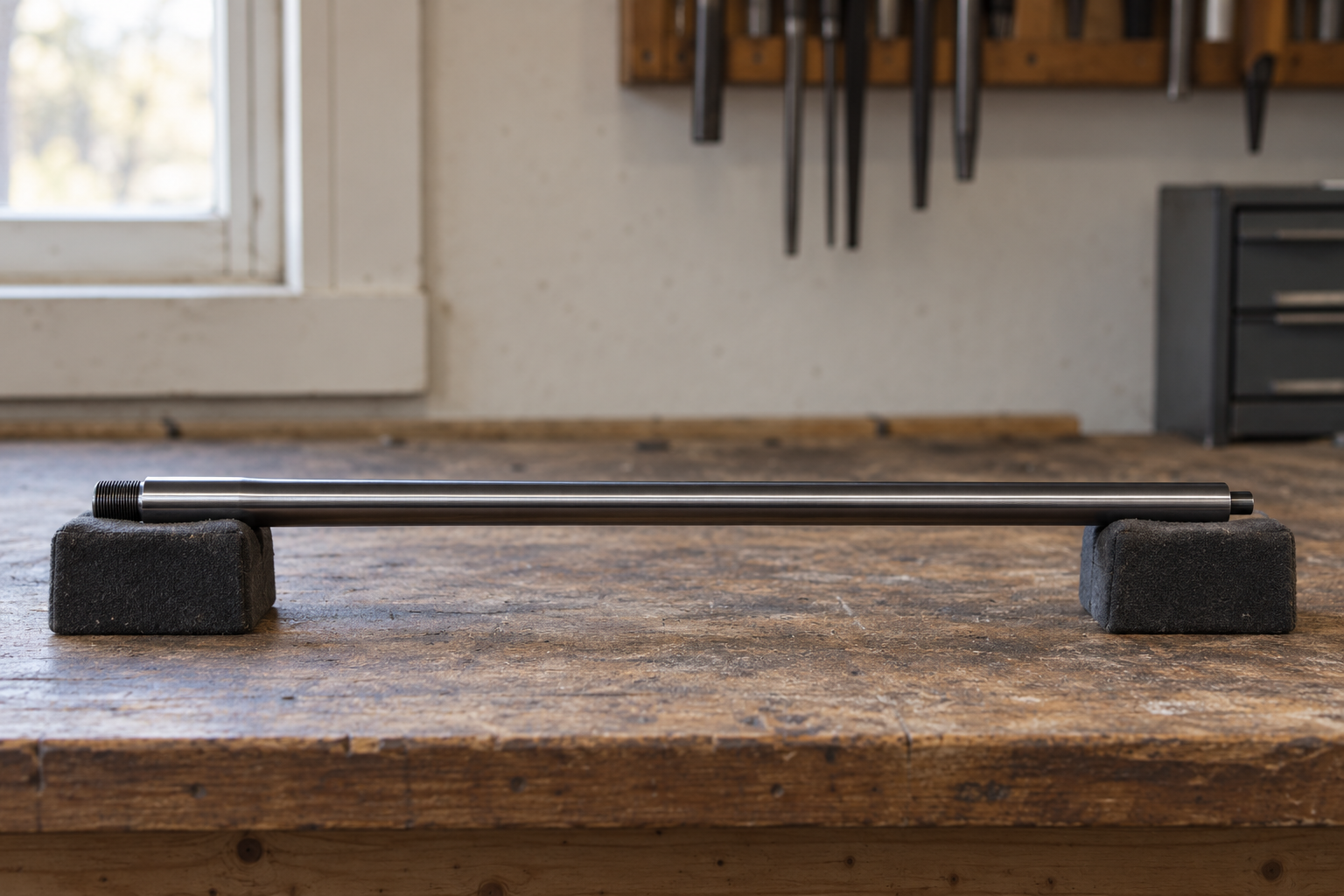
There is also a residual group for components outside those categories. The memorandum says these fall outside the cited Criminal Code and Firearms Act controls, while warning that import or export controls may still apply.
"Unregulated" has a scope. A description used for one set of controls cannot safely stand in for a complete answer about every rule that might apply to a border movement. The practical questions are what the object is, which law governs it, and what the person is doing with it.
The release's limited description gives readers too little information to classify the May items independently. It would be careless to fill that gap with a familiar component from a retailer's catalogue or a guess based on the later seizure photographs. Keep the unknown item unknown.
Manufacture brings a separate question
Section 99(1) of the Criminal Code addresses manufacturing, transferring or offering to do those things with specified firearms and related items, knowing that the person lacks the required authorization. Its reach includes prohibited, restricted and non-restricted firearms. The provision directs attention to the activity, the item involved, and the person's knowledge of their authorization.
That is why a component's classification alone cannot settle a manufacturing allegation. The prosecution would need to establish the offence charged on the evidence. A reader cannot work backwards from the presence of a component to a finding that unauthorized manufacture occurred.
The same discipline applies to conspiracy. Section 465 deals with agreements to commit offences. Reporting such a charge does not establish the alleged agreement. The public needs the eventual court record to learn what is admitted, contested, and proved.
For owners reading this as a warning about their own equipment, the useful distinction is equally specific. Ordinary purchases deserve rules expressed clearly enough to follow. An allegation about a manufacturing scheme requires its own evidence. Keeping those questions separate protects the quality of enforcement and the quality of the public debate around it.
Follow the case through
I support investigative resources aimed at alleged smuggling and unauthorized manufacture. This is a concrete use of border information: follow a lead, develop a case, obtain judicial authority and put the allegations before a court. Licensed owners have every reason to want that work done well.
People concerned about illicit manufacture have a serious question to ask about components crossing the border. The responsible answer requires information about the particular items and alleged conduct. Expanding suspicion to everyone buying replacement equipment would evade that work. Clear categories and targeted investigation can serve the same public-safety purpose.
The next useful reporting should explain what happened to the charges, what evidence supported them, and how the seized items were classified. A seizure count can draw attention to an investigation. Following its outcome is how we learn what the enforcement actually established.
Sources
- CBSA: Essex County investigation, September 24, 2026
- CBSA: Importing and exporting firearms, weapons and devices, paragraph 17
- Criminal Code, section 99
- Criminal Code, section 465
The amnesty file is still moving.
If this piece sent you back to government pages, do not wait for the next portal, Gazette, or court move to find you by accident.
The Dispatch follows Public Safety, RCMP, Canada Gazette, court, compensation, collection, and amnesty updates so the next change comes with the source that moved.
Safety note: the tracker is a worksheet for source hygiene, not legal advice or a substitute for current official guidance.