Before the handgun letter, get the *evidence checklist*
A New Brunswick question and Cornwall match guidance show why handgun-exemption applicants should obtain the issuer’s evidence checklist before planning their season.

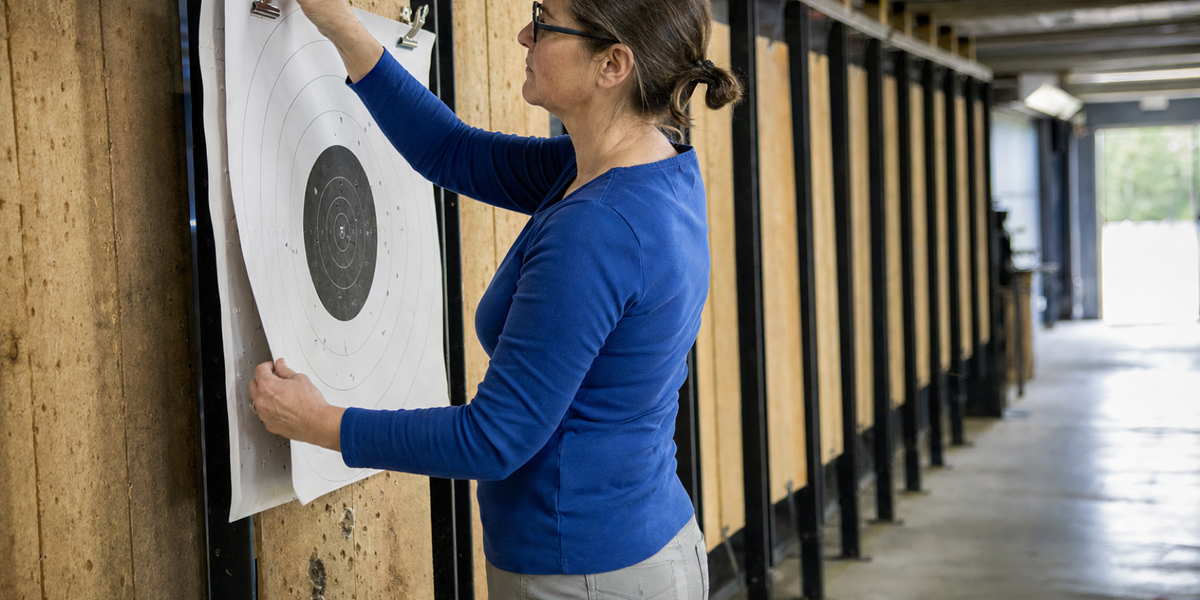
A New Brunswick shooter asked a useful question on September 26: how does someone actually work through Canada's handgun exemption? The replies offered membership advice, match counts, and a personal timetable. One Ontario participant described getting a letter after two months and two matches.
Cornwall Handgun Club’s listing for its September 26 match gave prospective applicants a different-looking instruction: collect at least three match results each year across at least two clubs. Shooting Federation of Canada's public exemption page describes documented participation and sends applicants to its membership office for submission details.
Those accounts concern different parts of the process. Before arranging a season around somebody else's successful application, get the current evidence requirements from the organization that would issue your letter. That is the practical lesson in this week's New Brunswick discussion.
Start with the annual obligation
The federal starting point is restrictive. Section 12.2 of the Firearms Act prohibits issuing a handgun registration certificate to an individual. Section 97.1 provides exceptions, including a sport route with specific conditions.
For that route, the person must meet the prescribed criteria and provide their provincial chief firearms officer with a letter every year from a provincial or national sport-shooting governing body. The letter must identify that they train, compete, or coach in a handgun discipline on the Olympic or Paralympic programme, name their disciplines, and state that the handgun sought is necessary for that participation.
The annual requirement deserves attention at the planning stage. An applicant needs to think beyond obtaining the first letter. What records will support the next one? Which organization will assess them? When will it need the submission?
SFC's public page says a CFO may require an annual letter. The Act itself makes annual provision part of this sport exception. I would plan around the statutory requirement and obtain the issuer's current instructions for fulfilling it.
What SFC puts on its public page
SFC's exemption-letter page, dated July 10, lists membership in good standing, a valid RPAL, membership in a shooting club, and documentation substantiating training, competition, or coaching in a qualifying discipline. It retains discretion over issuing letters and directs people to [email protected] for the process and submission requirements.
The public text supplies no universal two-month training period, two-match threshold, entitlement to three handguns, or guaranteed transfer time. The discussion mixes one applicant’s experience with broader claims and processing estimates. A useful lead can still need checking before it becomes the basis of someone else's calendar or purchase.
For a New Brunswick reader, the sources reviewed here also leave provincial administration questions open. They establish no special New Brunswick shortcut or published provincial timetable. The national body's requirements and the relevant CFO's process both need to be understood for the particular application.
Cornwall makes the planning question concrete
The Cornwall event listing for September 26 told prospective exemption applicants to accumulate at least three match results annually across two or more clubs. It also said new competitors should join SFC before starting. The organizer presented this advice alongside an Olympic-style rimfire pistol event with guest participation and club-pistol rental available.
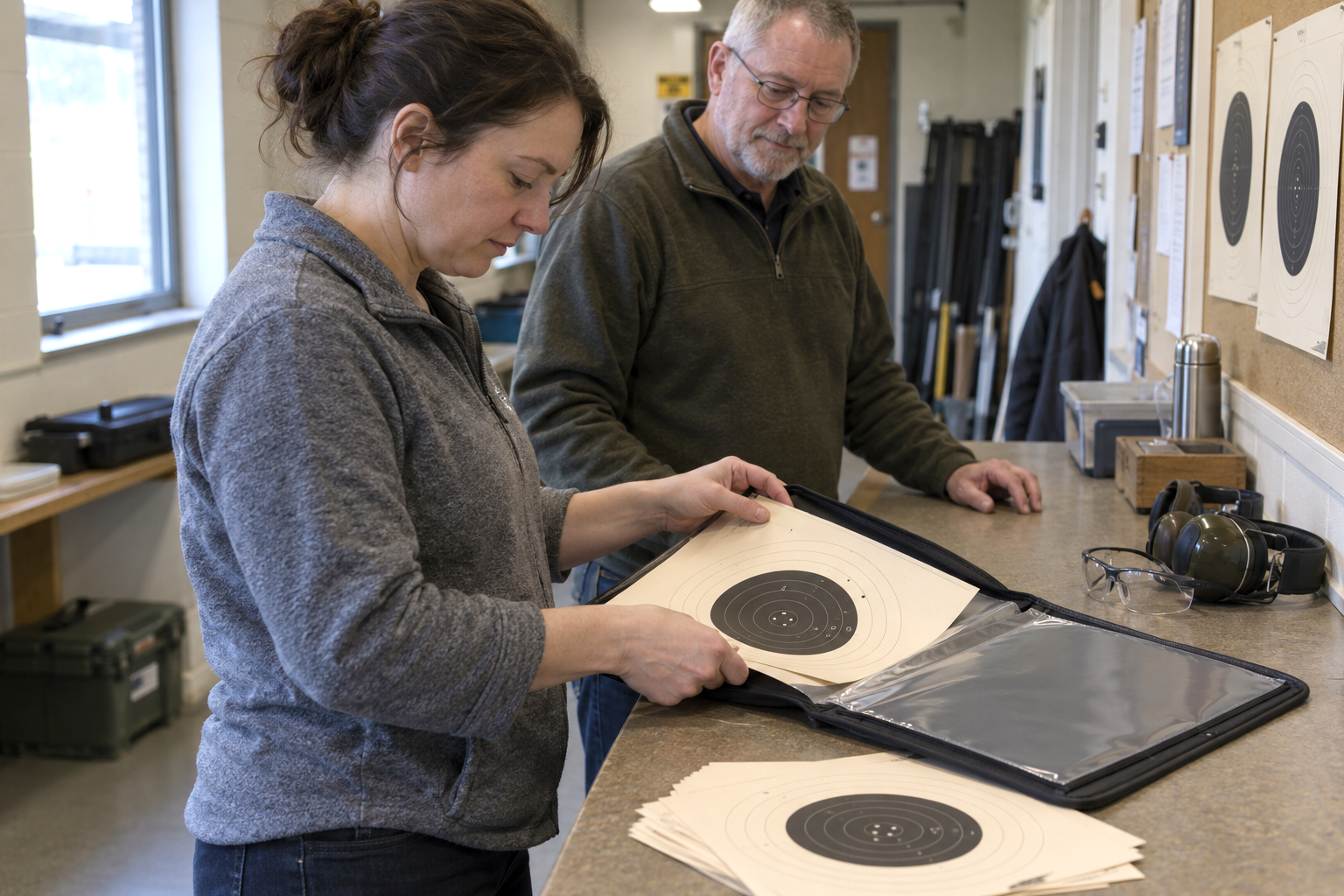
That is valuable information from a club trying to help people enter the sport. It also carries a clear source boundary: these are Cornwall's published instructions. The SFC public page reviewed for this article does not independently establish that exact match formula as a nationwide rule.
The event page describes its course of fire as ISSF 25-metre standard pistol. A club's use of “Olympic-style” in an event title leaves a further question for the letter issuer: which actual discipline and participation records will it accept for this application? The legal test refers to disciplines on the Olympic or Paralympic programme. A familiar sporting label alone cannot establish that a particular result satisfies the test.
September 26 has passed, so this listing serves as a dated example of club guidance. Its useful contribution is showing how documentation advice can affect membership timing, travel, and match selection.
Ask before booking the season
Arranging my own range time has made me attentive to the ordinary logistics of shooting. Dates, travel, and preparation all need room in the week. A requirement involving a second club could change that planning considerably.
For someone pursuing a letter, I would put four questions to the issuing body before committing to a schedule:
- Which handgun discipline should the application identify, and what participation in it will you accept?
- Which training or match records do you need, including any dates, club details, or verification?
- When must membership begin, and what evidence is needed for subsequent annual letters?
- What information about the proposed handgun is required to assess its necessity?
Keep the response with the records you collect. A calendar of sessions and saved results may make an application easier to assemble, but the issuer decides whether the evidence meets its requirements. Ask how to document training if that is your route; avoid assuming every practice session or score will be accepted.
Leave room for the transfer decision
The letter is one step in a separate regulated transfer process. The RCMP's transfer guidance describes CFO review and approval. For restricted firearms, the seller retains the firearm until the transfer is approved and a new registration certificate has been issued.
That makes another applicant's processing estimate a poor promise to build a purchase around. The sources checked for this article establish neither a guaranteed turnaround nor automatic approval following an SFC letter.
There is a legitimate route for qualifying training, competition, and coaching in the legislation. Clear instructions make that route easier to understand and administer. For the prospective participant, the first useful document is the issuer's current checklist: something concrete enough to guide the next club visit, the next saved result, and the following year's application.
Sources
- September 26 New Brunswick community question
- Cornwall Handgun Club, September 26 event listing
- SFC, Exemption Letters
- Firearms Act, section 12.2
- Firearms Act, section 97.1
- RCMP, buying and transferring firearms
The amnesty file is still moving.
If this piece sent you back to government pages, do not wait for the next portal, Gazette, or court move to find you by accident.
The Dispatch follows Public Safety, RCMP, Canada Gazette, court, compensation, collection, and amnesty updates so the next change comes with the source that moved.
Safety note: the tracker is a worksheet for source hygiene, not legal advice or a substitute for current official guidance.