Heatwave: Sunstroke puts *weather* in the notebook
SAPRL's Heatwave: Sunstroke rimfire match is a useful current Canadian precision lesson. The weather is not background. It belongs in the notebook beside the zero, hold, stage plan, and result.

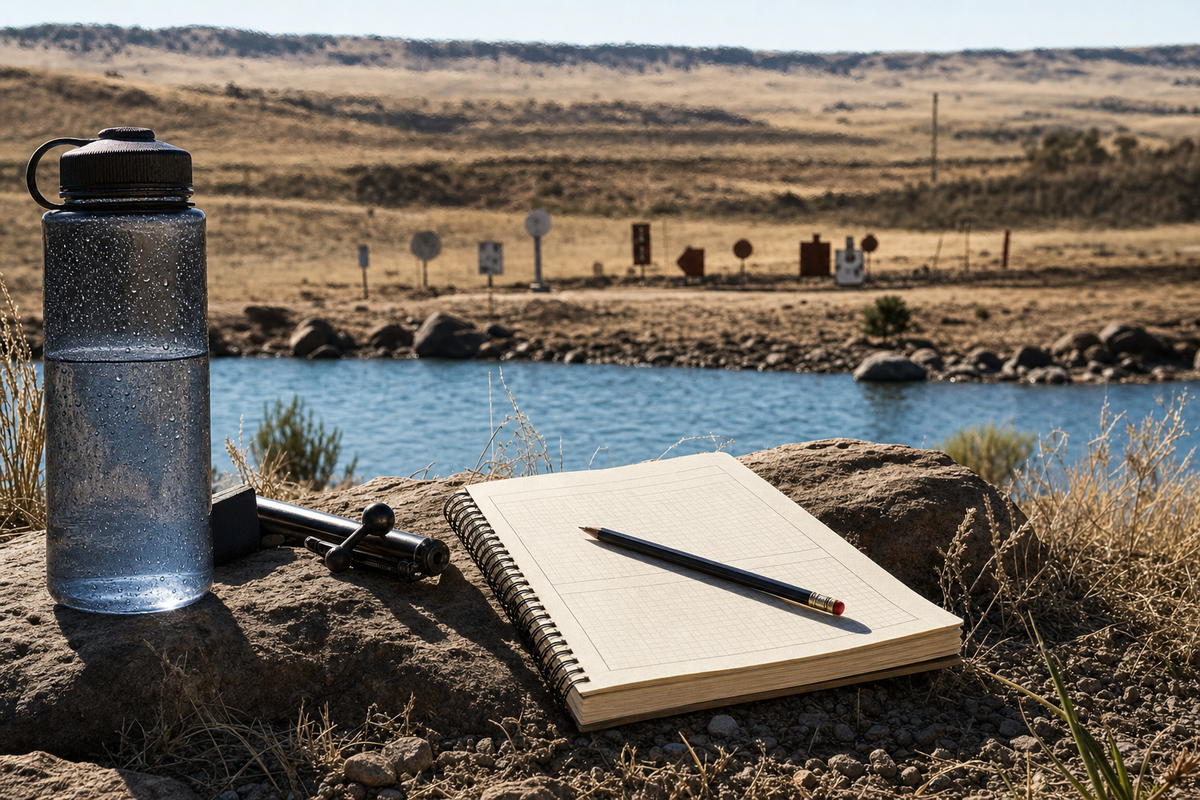
Opinion. A match called Heatwave: Sunstroke has already done half the editorial work before anyone breaks a shot.
SAPRL's Heatwave: Sunstroke PRS Rimfire Foothills Regional is listed for July 4 in the Medicine Hat area. The Precision Rifle Series page describes it as Day 1 of a two-day rimfire weekend, with Heatwave: Afterburn following on Sunday. The public Medicine Hat event listing also has it on the calendar today.
That is current enough to be news. It is also specific enough to be useful.
The easy version of this article would be another reminder that 22 LR precision is approachable, cheaper than centre-fire, and good for newer shooters. That is true. It is also a lane Holdover has already driven down more than once.
The better lesson is in the name.
Heatwave: Sunstroke is a notebook problem.
The condition is part of the course
PRS describes the weekend as 22 LR only, with each day treated as its own match. The page says competitors had a Friday zero day with steel available to proof and test data to distance, and it lists an expected 100-120 rounds per match.
That detail matters because a zero day can sound like administration. It is not. It is the match asking whether the numbers in the notebook still belong to the day in front of the shooter.
Rimfire makes this plain because the bullet is honest in public. A little wind, a little bad position, a little rushed stage planning, a little heat, and suddenly the note that looked clean at home starts needing context. The problem may not be the rifle. It may not be the ammunition. It may be that the shooter wrote down the number and forgot to write down the day.
That is not a mystical precision lesson. It is a practical one. A useful note says what the hold was, what the result was, and what the condition was when the result happened.
If the page only says "good at 100," future Steve has to guess what that meant.
Future Steve is a poor witness.
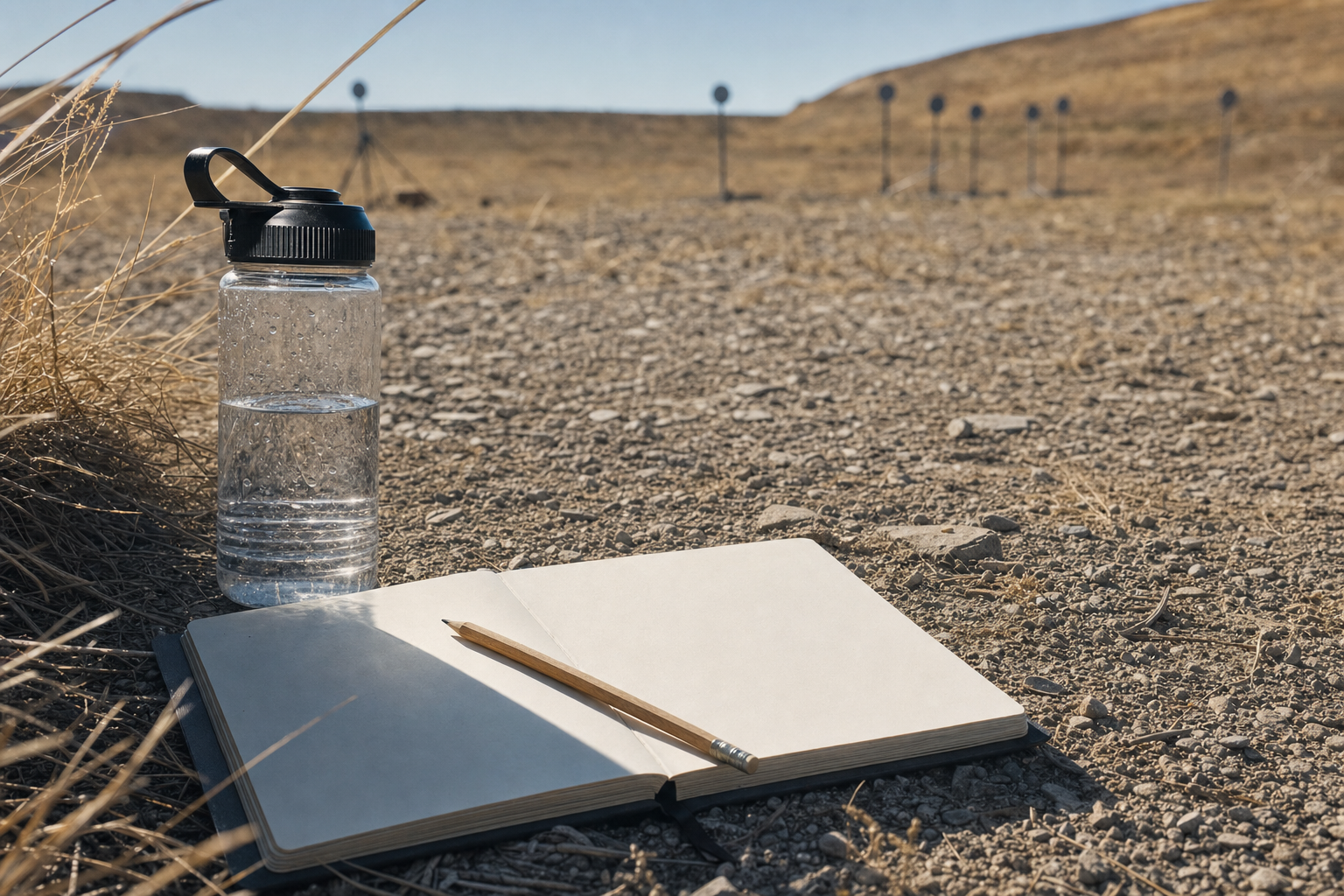
I have written range notes on ordinary Ottawa mornings that looked more useful at home than they were under the roof. The embarrassing part was not the miss. It was realizing I had written down the tidy number and skipped the useful sentence: light changed, wind moved, shooter got impatient, water was still in the bag. That is the difference between a record and a souvenir.
Do not turn data into scripture
Data is seductive because it looks more mature than memory. It has numbers in it. It might be in a tidy little book. It might have a date, a distance, a zero, a velocity note, or a stage plan that made perfect sense before the timer and the sun got involved.
The trap is treating that note like scripture.
The better use of a data book is less impressive and more durable. Record the number, then record the conditions that made the number true. Light, wind, temperature shift, mirage, position, stress, the state of the shooter, and the stage detail that made the correction necessary. That does not need a printed template. It needs a shooter willing to write one plain sentence before walking away.
"Held left edge at 150, still missed right in shimmer" is better than a clean blank page with a nicer pen.
This is where a hot match earns its keep for people who are not in Alberta today. It gives the rest of us a usable question. When you leave your next range session, could another competent shooter understand what the day did to the shot, or did you only write down what the rifle did in theory?
The rifle does not remember weather. The notebook has to.
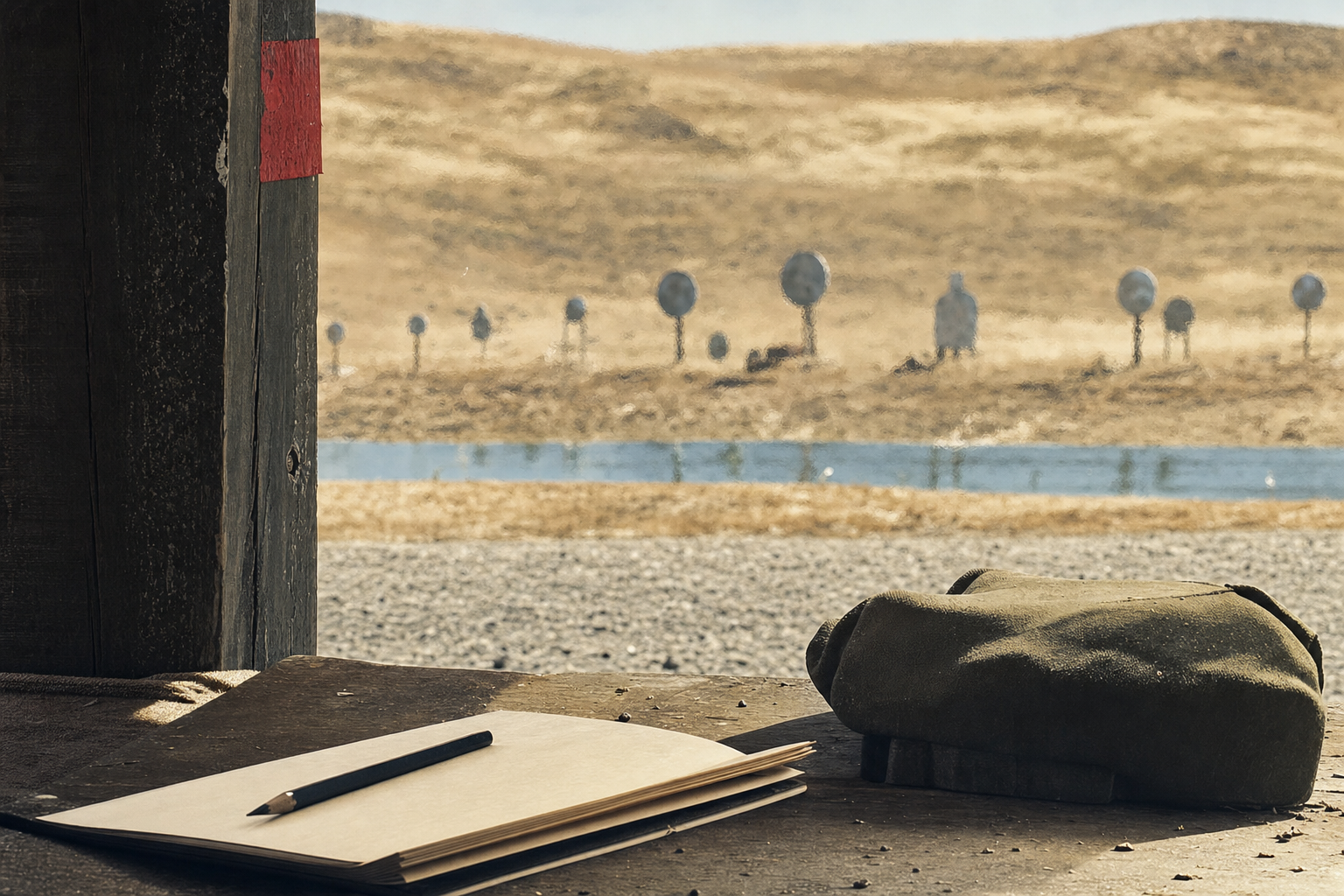
Why rimfire makes the lesson cheaper
The current Canadian rimfire scene is good for this because the format gives newer shooters a lower-cost way into serious habits. NRL22 Canada frames precision rimfire as a national club-and-shooter community. The Canadian Rimfire Precision Series says its events are built to help Canadians develop shooting skills with 22 LR rifles, with matches across the country and beginner-friendly support.
That accessibility is the point. A newer PAL holder can learn the habit without pretending to be a sponsored centre-fire shooter. The stage can be shorter. The ammunition can be less punishing. The rifle can be modest. The lesson is still real.
Do not mistake approachable for unserious. Timed positional rimfire will expose sloppy notes quickly. The target is smaller than the ego wants it to be. The bullet is slower than the shooter wants it to be. The wind has more personality than anyone invited. Add heat, walking, squad timing, and the pressure of not wasting everyone else's morning, and the sport starts separating tidy range-table fantasies from working habits.
The working habit is simple: write the conditions beside the result.
Not later. Later is where useful information goes to become confidence theatre.
The Canadian lesson
There is a quiet public-policy point in all of this, but it does not need to wear a costume.
Canadian firearms owners are often discussed as abstractions: licence holders, affected owners, buyback participants, compliance problems, consultation stakeholders. Meanwhile, a local Alberta precision league is running a rimfire weekend with registration, zero time, match briefs, round-count expectations, junior pricing, water, performance drinks, volunteers, and enough structure to bring people back next season.
That is what lawful culture looks like when it is not being flattened into a briefing note.
For the newer shooter, the lesson is even smaller and more useful. Show up with a notebook that expects the day to change. Put the weather beside the zero. Put the wind beside the result. Put the water bottle where it gets used before the headache. Put the correction in plain language while it still has a pulse.
Then, at the next match or ordinary Saturday range morning, believe the note only as much as the conditions allow.
Heatwave: Sunstroke is a current Alberta event. Most Holdover readers will not shoot it. That is fine. A good match can still teach from a distance when it points at the right habit.
The zero is a number.
The day is the context that decides whether the number behaves.
Put the weather in the notebook. Otherwise the notebook is just yesterday pretending to be data.
Sources
- Precision Rifle Series,
SAPRL - Heatwave: Sunstroke - PRS Rimfire Foothills Regional: https://www.precisionrifleseries.com/m/8206/saprl-heatwave-sunstroke-prs/ - There's Nothing To Do In Medicine Hat,
SAPRL 2026 - Heatwave: Sunstroke - PRS Rimfire Foothills Regional: https://www.theresnothingtodoinmedicinehat.ca/events/saprl-2026-heatwave-sunstroke-prs-rimfire-foothills-regional-2026-07-04 - NRL22 Canada, home page: https://nrl22canada.ca/
- Canadian Rimfire Precision Series, home page: https://rimfireprecision.ca/
Keep the range notes worth reading later.
If this piece has you thinking about range time, keep the notes useful enough to read later.
Use the Holdover Range Bench Log Card to record rifle, optic, ammunition, distance, weather, zero, group notes, correction, and next test without turning a range trip into a memory test.
Safety note: the card is a note-taking worksheet, not shooting instruction, load data, legal advice, or a substitute for range rules, official guidance, manufacturer manuals, or qualified instruction.