Four days of trap, *1,000 targets* in Kamloops
Kamloops has 1,000 trap targets scheduled over four days. The Western Canadian programme separates a 400-target championship aggregate from the full 1,000-target total.

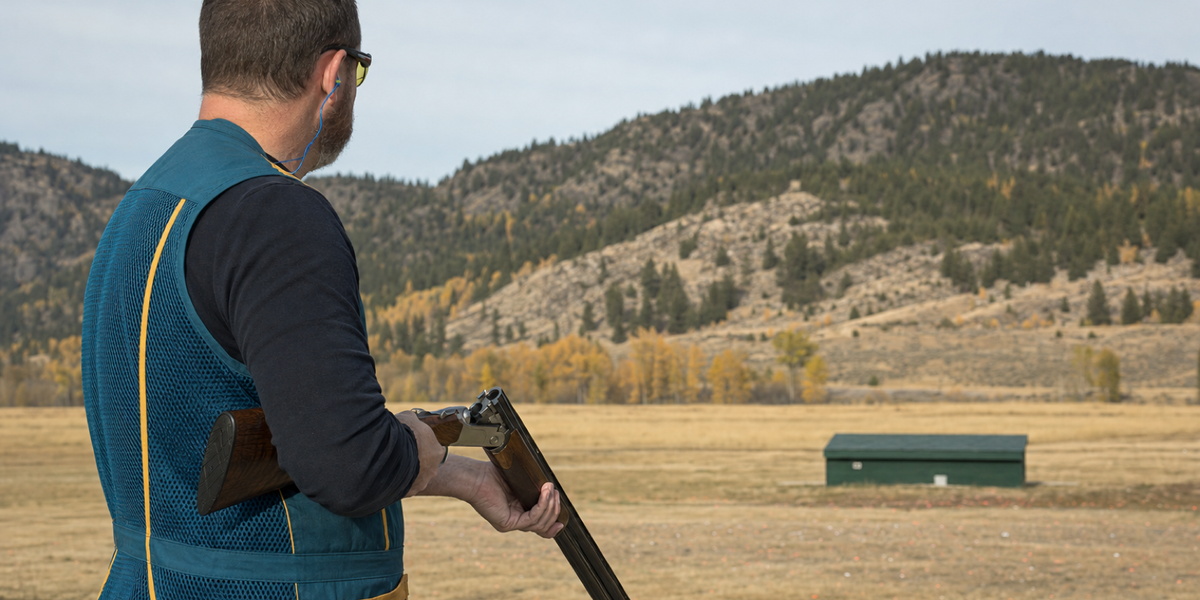
Kamloops Shotgun Sports has 1,000 competition targets scheduled from today through Sunday. The Western Canadian Trapshooting Championship runs September 24 to 27, with singles, doubles, and handicap spread across four days. For anyone following from home, the useful detail is which targets feed which score: the full programme and the championship weekend have separate aggregates.
The club's calendar includes September 23 because the Kamloops 300 precedes the main event. Its championship notice and the BC Trapshooting Association calendar agree on September 24 to 27 for the Western Canadians. Those are scheduled dates. The schedule is public; this preview makes no claim about results.
I tend to think about ammunition in rifle groups and handloading strings. A thousand targets changes the scale of that thinking. Even before considering a score, I see four days that someone has made room for. Canadian shooting deserves coverage of that commitment, including the less glamorous question of what a competitor must keep doing after the first good hundred.
Two ways to count the weekend
The organizer's linked SOS Clays programme lists ten 100-target entries. Thursday carries doubles, singles, and handicap. Friday repeats those disciplines in a different order. Saturday's two entries form the 200-target singles championship. Sunday brings 100 doubles targets, shot as 50 pairs, followed by the 100-target handicap championship.
High All Around, or HAA, combines the four entries on Saturday and Sunday: 400 targets. High Over All, or HOA, uses all ten entries: 1,000 targets. That distinction lets readers follow the weekend championship aggregate and the longer performance across the programme without mixing the two.
The Pacific International Trapshooting Association's current rulebook supplies the broader framework. It lists the Western Canadian among its Major Tournaments and defines the usual HAA around 200 singles targets, 100 handicap targets, and 50 pairs of doubles. The Kamloops schedule fits that structure.
A shooter can have a particularly strong discipline while the combined score tells a more uneven story. That is part of the interest in following an aggregate. As results appear, I would look at the individual championship and the combined total together. The useful comparison includes both the size of the score and the events behind it.
A small break still counts
Trap gives the observer a direct outcome. As BCTA explains the sport, a hit counts whether the shooter breaks a piece off the target or shatters it. The spectacular-looking break and the modest chip can produce the same mark on the scorecard.
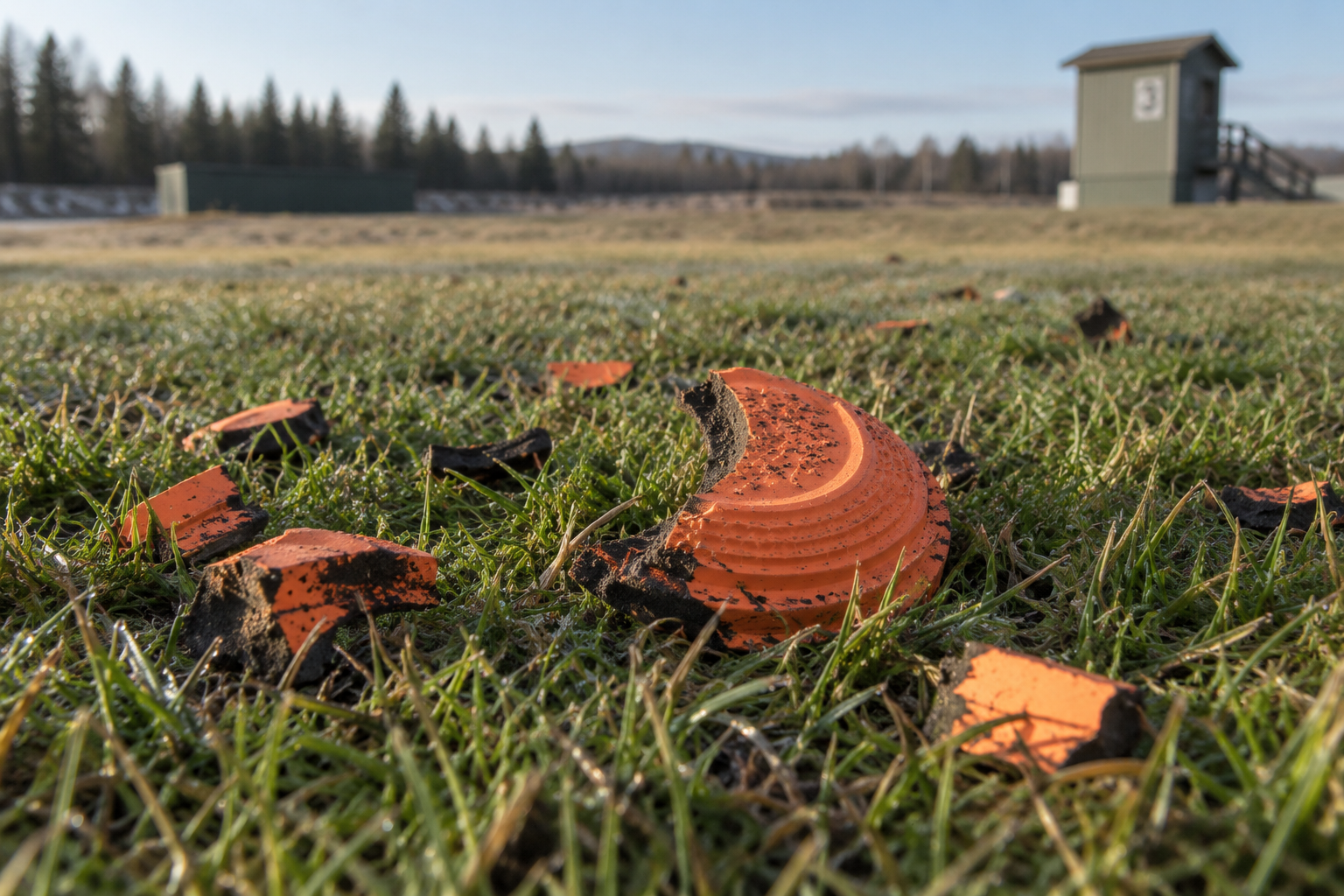
That economy appeals to the rifle shooter in me. We can spend an extraordinary amount of time discussing what a good shot ought to look like. A scoring rule gives the discussion somewhere to land. In trap, a run of successful targets rewards repetition, while the lost target stays in the arithmetic.
Across a long programme, I would expect the most revealing story to involve how competitors sustain that repetition. Early form gives readers a reason to follow someone. The later events give them a reason to keep watching. A final aggregate can also reward a competitor whose name attracted less attention in the first event.
There is room for the equipment discussion, of course. Shotgun fit and personal preference matter to shooters. This week's public record can give us something more useful than guesses about another person's gun: scores attached to named events, with the number of targets made clear. That is where I would start any account of the championship once the results are available.
Entry deserves its own check
The club sends readers to SOS Clays and a manual form from its championship page. A shooter considering any remaining part of the programme should confirm availability and arrangements with the organizer. A public schedule alone cannot establish that a squad has room.
PITA requires membership when entering a registered shoot, along with the applicable association fees. Its rulebook also requires shooters to present their current average card at entry. Those details deserve attention before someone treats a championship visit like an ordinary club round. The club's getting-started guidance covers its regular shooting and membership arrangements; the event programme governs this particular competition.
The published fee information differs between the manual form and the online listing, so I would confirm the amount directly rather than build a trip budget from either figure. The same approach applies to entry questions that the public pages leave unanswered. There is little pleasure in discovering an administrative problem after the drive.
For the rest of us, Kamloops offers a straightforward Canadian sporting story to follow over the next four days. Start with the event scores as they appear. Keep Saturday's singles and Sunday's doubles and handicap together for HAA, then look at the longer HOA record. A thousand targets gives the competitors ample work. Reading the right total gives that work its due.
Sources
- Kamloops Shotgun Sports: 2026 events, including the September 23-27 overall window and September 24-27 championship notice.
- Kamloops Shotgun Sports: Western Canadian Championship, organizer poster and registration links.
- SOS Clays: 2026 Western Canadian Championships, event sequence and aggregate definitions.
- BC Trapshooting Association: 2026 shoot dates, provincial schedule confirmation.
- PITA: rulebook, current 2025-2027 rules, registration and Major Tournament aggregates.
- BCTA: the sport, scoring explanation.
- Kamloops Shotgun Sports: getting started, ordinary club arrangements.
Sources checked September 24, 2026. Scheduled-event commentary; no match result, actual attendance, or on-site reporting is claimed.
Keep the range notes worth reading later.
If this piece has you thinking about range time, keep the notes useful enough to read later.
Use the Holdover Range Bench Log Card to record rifle, optic, ammunition, distance, weather, zero, group notes, correction, and next test without turning a range trip into a memory test.
Safety note: the card is a note-taking worksheet, not shooting instruction, load data, legal advice, or a substitute for range rules, official guidance, manufacturer manuals, or qualified instruction.