A buyback date in Dubbo, an *estimate* in Ontario
NSW has named buyback stations and opening dates. Ontario’s public window remains approximate, and Public Safety’s progress page still lacks completed individual outcomes. The payment promises also need a careful reading.

Opinion and analysis. Dubbo has a published start date for buyback surrender appointments. Ontario still has an approximate provincial collection window running from June to October. Reading those documents together, I want Public Safety Canada to give owners a current public account of the individual programme's completed steps.
The new trigger comes from New South Wales. Its October 26 announcement opened bookings and named police stations that will begin accepting surrenders on November 2. Canada already has collection instructions, a payment process, and a progress page. The useful comparison concerns how clearly those public records describe the route ahead and the work completed.
As a licensed owner, I pay attention to the part where someone gives up property and then waits for money. A published payment promise should make its starting point obvious. So should the public report used to judge how the programme is running. Those are basic expectations for the people required to deal with the policy.
A published place and opening date
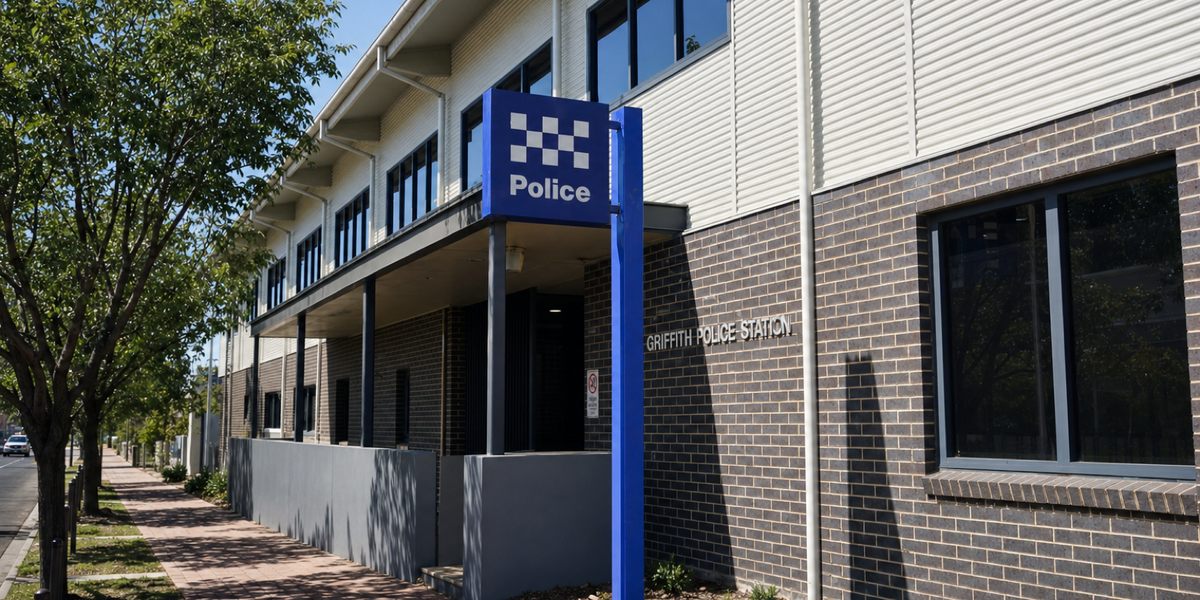
The NSW announcement names Dubbo and Penrith among the first participating stations, with further stations joining in stages. The police roster gives places and their opening dates. Owners book through Gun Safe.
That gives someone checking the programme a concrete location and a date to work from. It also gives the public a schedule against which later changes can be explained. An opening date establishes what officials plan to offer at that station; a completed appointment will establish something further.
Surrenders have yet to begin under this rollout. The launch documents supply a schedule and programme projections. The first completed collections and payments will need their own reporting once the scheme reaches those stages.
The NSW Government describes its purpose as reducing firearms in circulation and the risk of guns reaching the wrong hands. Police Minister Yasmin Catley's argument is direct: “Fewer guns in the community mean a safer community.” I disagree with policies that make licensed owners surrender lawfully acquired firearms. I still expect the administration of such a policy to be clear enough for the people bearing its consequences to inspect.
The payment clocks start after verification
Even the Australian paperwork needs a closer read. The NSW Government's programme page says eligible payment will be processed up to 10 days after the surrender is verified. The NSW Police FAQ describes eligible payments as generally processed within 10 business days after validation.
Those pages use different day-count wording. Officials should give participants one clear account of the processing target. Until then, a Canadian comparison should preserve both descriptions and their verification step.
Public Safety Canada says payment will be issued within 45 business days after firearm validation is complete. That wording starts the clock after validation and describes issuance. Time spent reaching validation, and the eventual arrival of a cheque or deposit, belong to the owner's overall experience as well.
I would want those stages spelled out beside any payment headline. The Australian pages describe processing; Canada describes issuance. A useful public report could show how long each stage actually takes once cases move through it. The advertised horizons alone leave that practical question open.
Ontario's estimate and the owner's appointment
Canada's collection timeline still lists Ontario's estimated period as June to October 2026. The page warns that all dates are approximate and may change. As October nears its end, a dated public update would tell readers whether that estimate remains useful.
An individual owner may already have more precise information. Public Safety's collection instructions say collection locations are assigned from the account's postal code. The local window, location, and available appointments can be found through the programme account or contact centre.
These are different levels of information: a province-wide estimate and a particular owner's route through the programme. The public table cannot tell us whether an individual has received an appointment. It also deserves maintenance while officials continue directing owners to it.
NSW's roster offers a useful example of public detail. Canadian officials can explain local availability and changed estimates while keeping owners' appointments and personal information private.
The completed steps belong on the progress page
Public Safety's progress page displays business claims and compensation results. Its individual-owner section says collection is underway and links to the estimated timeline and the provincial declaration table.
On that page, readers still cannot see totals for completed individual collections, validations, or payments. That is where I expect to find a dated account of completed individual work.
Declarations establish what owners submitted to the programme. Collections, validation, and payment describe later steps. Keeping those measures separate would let readers see where individual claims have reached and how the published timetable relates to completed work.
I would start with a dated provincial breakdown and clear definitions beside each measure. A payment count should say what has been paid or issued; a collected-firearm count should identify its reporting period. Revised estimates should carry the date and reason for the change. Owners could then check a public account of progress alongside their own claim information.
Canada prices the individual model
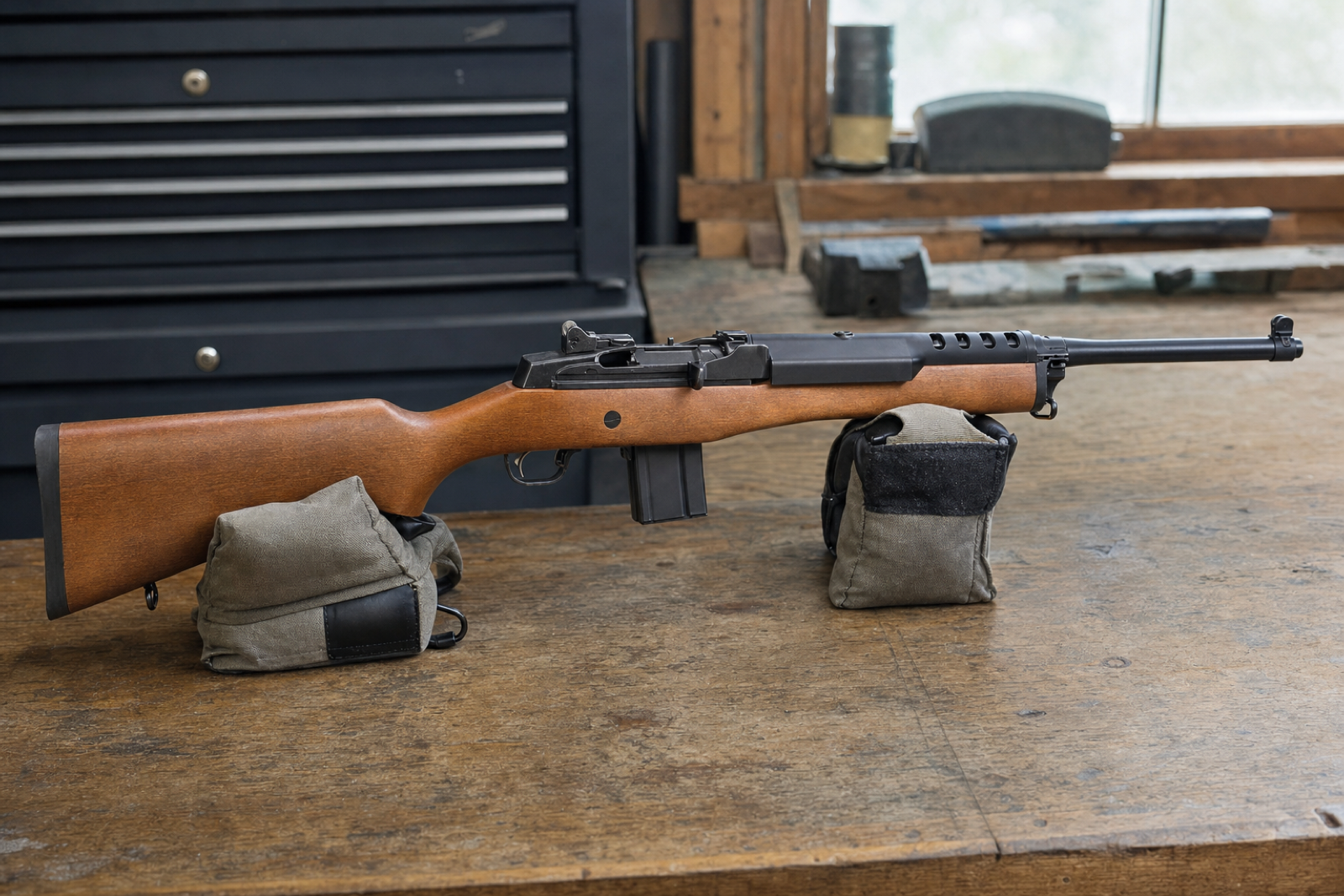
Canada also makes a choice I prefer within a compensation programme: its pricing method uses average retail research by make and model. NSW's initial schedule groups eligible firearms by class. I prefer accounting for the particular model, although individual Canadian amounts remain open to criticism.
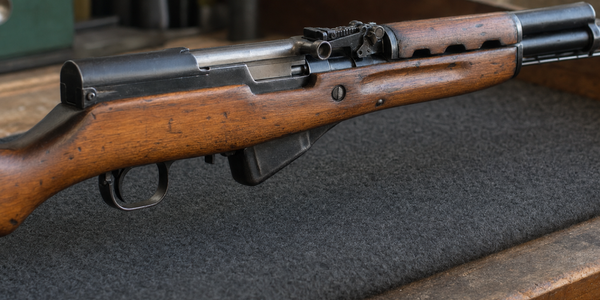
Public Safety's list for individuals includes a Ruger Mini-14 entry. The useful next check is that the claim describes the particular firearm's make and model. Public Safety's collection instructions say identity discrepancies found during validation may affect the compensation estimated in the Funding Agreement.
The larger judgement concerns what owners can verify. NSW has published a station roster ahead of collections. Canada gives individual instructions and a provincial estimate, while its progress page still needs completed individual outcomes. A current estimate and a dated set of those results would give Canadian owners something useful to check when they next open the page.
Sources
- NSW Government: October 26 buyback announcement and station rollout
- NSW Government: programme and processing wording
- NSW Police: station roster and payment FAQ
- Public Safety Canada: compensation process
- Public Safety Canada: estimated collection timeline
- Public Safety Canada: collection instructions
- Public Safety Canada: individual declaration table
- Public Safety Canada: programme progress page
- Public Safety Canada: list of firearms for individuals
- Public Safety Canada: compensation model
The amnesty file is still moving.
If this piece sent you back to government pages, do not wait for the next portal, Gazette, or court move to find you by accident.
The Dispatch follows Public Safety, RCMP, Canada Gazette, court, compensation, collection, and amnesty updates so the next change comes with the source that moved.
Safety note: the tracker is a worksheet for source hygiene, not legal advice or a substitute for current official guidance.