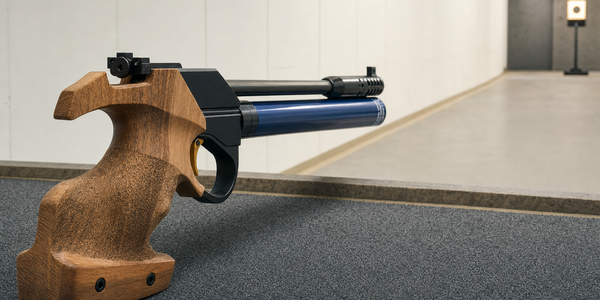
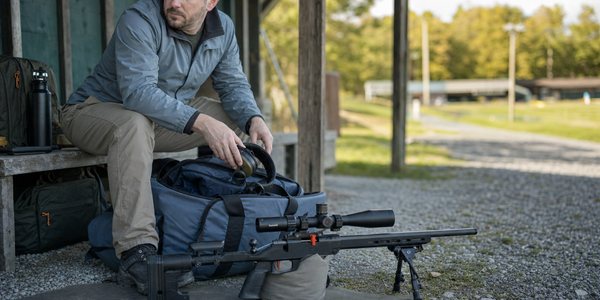
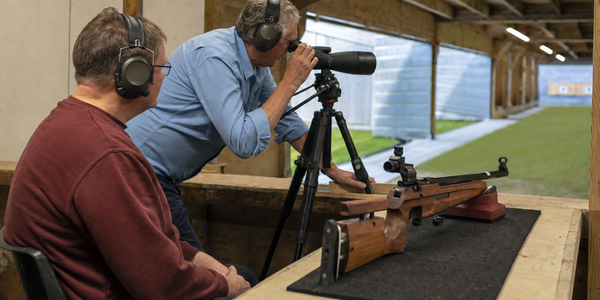
In *Stealth*, the shooting position can change
The Stealth division permits adjusted positions, sequences and reasonable extra time in rimfire competition. A September event listing makes the option concrete, while scoring deserves a question of its own.

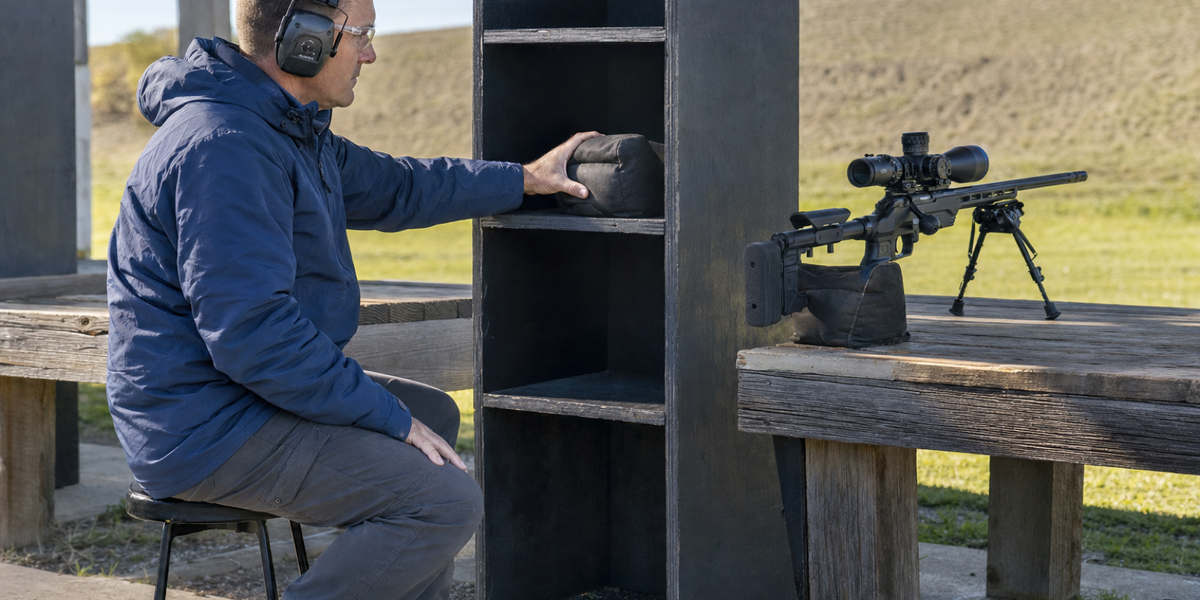
Eagle Lake Gun Club's September 20 rimfire match listing included a useful detail for anyone wondering whether a positional competition would fit them. Under Stealth, competitors could ask for changes to the shooting position or sequence, and for reasonable extra time. The listing named limited range of motion and the needs of new competitors as reasons for an altered course.
That is a practical invitation. A shooter can take a specific concern to the match director and point to an option the organizer has already put in writing. The September listing at the Sundridge, Ontario, club provides the immediate reason to look at it. This is a reading of the published offer; I have no report establishing who used it at that event or how their entry was handled.
The Canadian Rimfire Precision Series' current website carries the same Stealth provision. There is enough agreement to discuss the option without presenting it as a new rule introduced this weekend.
The course asks something of the body
September's Outlaw Rimfire Precision Series course of fire uses a barricade, a tank trap, a barrel, a ladder, and tires. Its five stages each have a two-minute limit. One stage includes both a prone position and support from the top of a barrel. Read together, those pages make the physical part of the match apparent: different heights and transitions are part of the scheduled challenge.
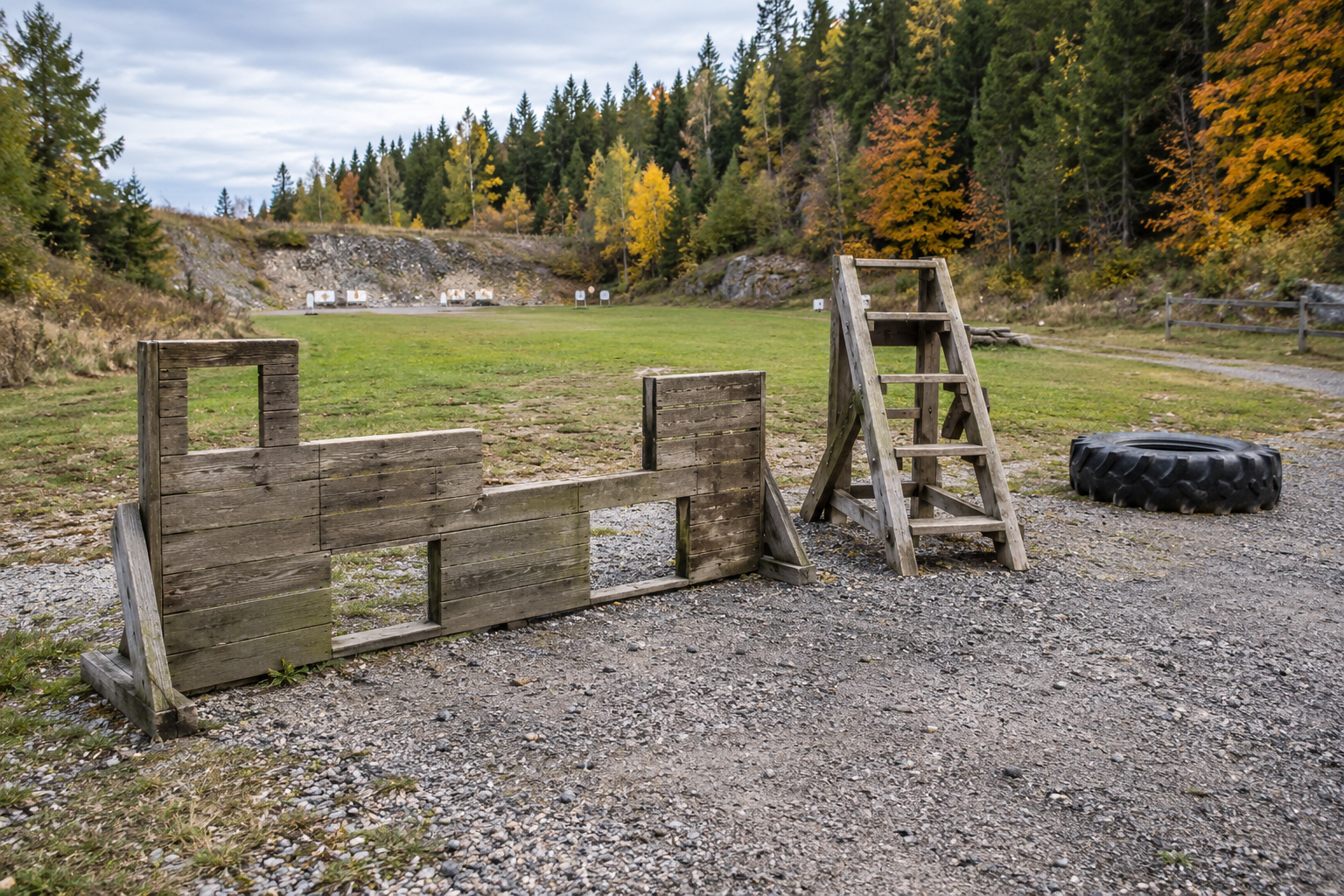
I can spend plenty of time thinking about a rifle and optic. That comes naturally to a precision shooter and handloader. A match booklet deserves a place in the same planning session. It shows what the day will ask of the person who bought the equipment, including things a group on paper cannot tell you.
There is pleasure in that variety. Plenty of competitors want the unfamiliar support, the time pressure, and the need to settle into a different position. A club should be able to offer that challenge with confidence. It should also be able to explain the options to someone who can take part with a change.
For me, the value of naming a division is that the conversation has somewhere to begin. A broad welcome on a club website is pleasant. Position, sequence, and time give the reader something concrete to discuss. They also give the organizer a clearer request to consider than a worried message asking whether the match will be too difficult.
A category answers a different question
The series places Stealth among its divisions and lists Ladies, Senior, and Youth separately as categories. Its description includes both competitors with range-of-motion constraints and newcomers who need additional coaching or assistance. Those are the boundaries the published wording establishes.
Age, experience, and the position someone can use are different questions. A birth year will tell an organizer which age category applies. It says very little about whether that person wants a standard course, needs a particular adjustment, or has been competing longer than the match director. Likewise, a newcomer may be comfortable with the positions and still need help understanding the event.
I would rather see clubs ask about the actual need. That leaves room for an experienced shooter to identify a physical constraint without being treated as a novice, and for a novice to ask for help without inventing an equipment problem to explain their hesitation.
The site's broader offer includes mentorship and loaner equipment. Those possibilities are useful to ask about separately. Having a suitable rifle available and agreeing on an altered course solve different parts of attending a match. A reader should confirm the arrangements at the particular event rather than assume every advertised form of support will be waiting on the same morning.
Agree on the score as well
There is a question I would settle early: how will the adjusted entry be scored and recorded?
The two current pages describe Stealth as a division, but neither explains enough to promise ordinary points, medals, or placement for a modified course. They also give me no basis to call it unranked. That gap is worth a conversation with the match director before anyone commits to the drive.
My preference is for the organizer and competitor to agree on both the requested change and its scoring treatment ahead of the match. It avoids leaving the competitor to negotiate under the attention of a waiting squad. It also gives the officials a chance to explain what they can offer and what remains outside the event's arrangements.
A short message can cover the essentials: the event you want to attend, the part of the published course you need to discuss, and whether Stealth can accommodate it. Ask how the entry appears in the results. The reply should give you enough information to decide whether that particular day is worth booking.
Clubs can make this easier by putting a plain-language explanation beside registration. I would like to see the adjusted-course option, a contact route, and the scoring answer close enough together that a prospective competitor can find them without knowing the right person first.
Eagle Lake's listing gives that conversation a concrete starting point. For the next event, the useful answer will come from the person running it: an agreed position, a clear expectation, and a competitor who knows what they have signed up for.
Sources
- Eagle Lake Gun Club: September 20, 2026 ORPS event listing. Published participation terms; event outcomes unverified.
- Canadian Rimfire Precision Series: divisions, categories, and participation support. Current page checked September 21, 2026.
- ORPS: September 2026 course of fire downloads. September v1 PDF, pages 5-9 in the nine-page file, establishes the positional demands discussed here.
Keep the range notes worth reading later.
If this piece has you thinking about range time, keep the notes useful enough to read later.
Use the Holdover Range Bench Log Card to record rifle, optic, ammunition, distance, weather, zero, group notes, correction, and next test without turning a range trip into a memory test.
Safety note: the card is a note-taking worksheet, not shooting instruction, load data, legal advice, or a substitute for range rules, official guidance, manufacturer manuals, or qualified instruction.