At OSA's Field Hunt, support comes *lane by lane*
OSA's Field championship is scheduled for September 13. Its published format asks rifle owners to work with the support available at each lane.

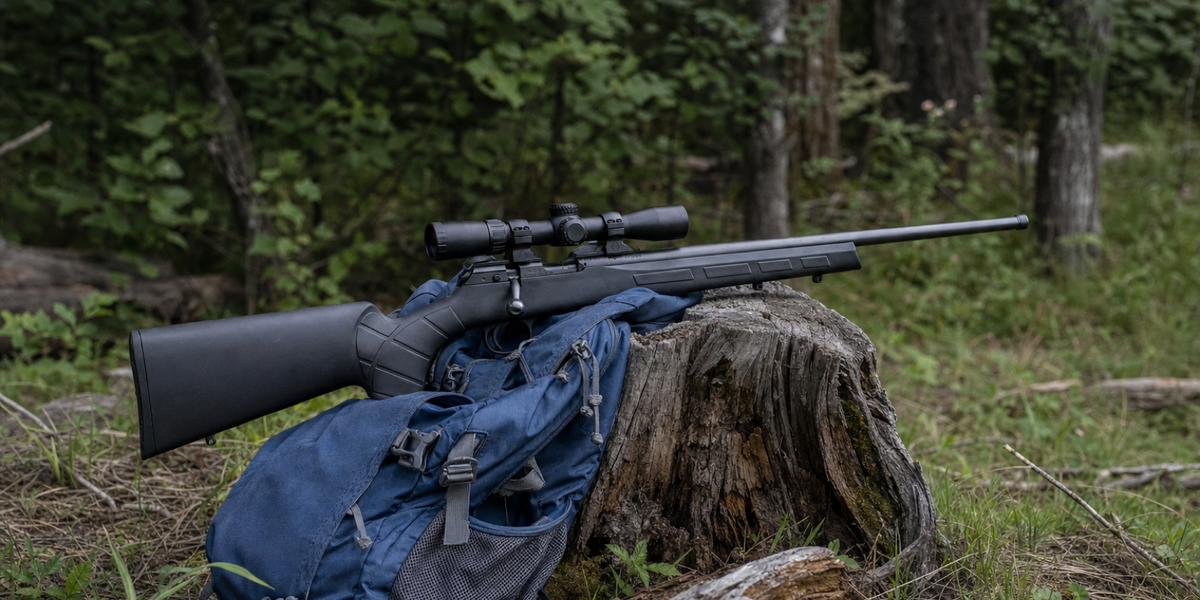
The Operational Shooting Association has scheduled its 22LR Field championship for today, September 13, at MilCun. Reading the published format, I keep coming back to the supports: shooting sticks, a stump, and stretches where the shooter has to manage without either. A familiar rifle could feel quite different over the course of that day.
MilCun's current homepage and its August 3 calendar both list today's championship. The detailed description still linked from OSA's events page carries a May 22, 2025 date. Those are the published arrangements available this morning; the individual lanes and any changes for this year's championship remain with the organizer.
That older document contains a useful idea for a Canadian rifle owner: practise with equipment suited to hunting, in conditions that ask something of the person carrying it. I like the room that leaves for a rifle whose owner already knows it well.
A familiar rifle has more to teach
I've spent enough of my own range time trying to slow down. Bringing fewer rifles helped me pay more attention to breathing, rifle level, and the pace of each shot. It also gave me a better chance of noticing when I was rushing. There is plenty to occupy me in that small part of the process.
A field course adds a reason to examine the rest of it. The position changes. The object providing support changes. I would want to know whether the familiarity I feel behind a rifle follows me through those changes, and which parts of the routine still require thought.
There is an equipment temptation here. I can read a new kind of match and start considering a rifle for it before giving much attention to what the match actually asks. That is an easy way to turn interest in shooting into another evening of shopping.
For me, the more appealing starting point is a familiar rifle and a course that gives it a different job. Familiarity would leave fewer equipment questions competing for attention. I could spend more of the day discovering what I had assumed about my own comfort behind it.
That is a reason to value a format built around practical field equipment. An owner can take an interest in competition without immediately treating the existing rifle as something to replace.
Support depends on the lane
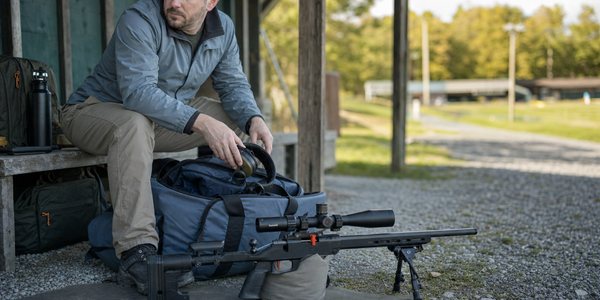
The 2025 Field Hunt description covers hunting-suitable .22 LR and air rifles. Its lane examples include supported and unsupported positions, with travel on foot through wooded ground. A field bipod or day pack can provide support where the lane instructions permit it. Competitors must make two hits on each target; time and penalties determine the lane score.
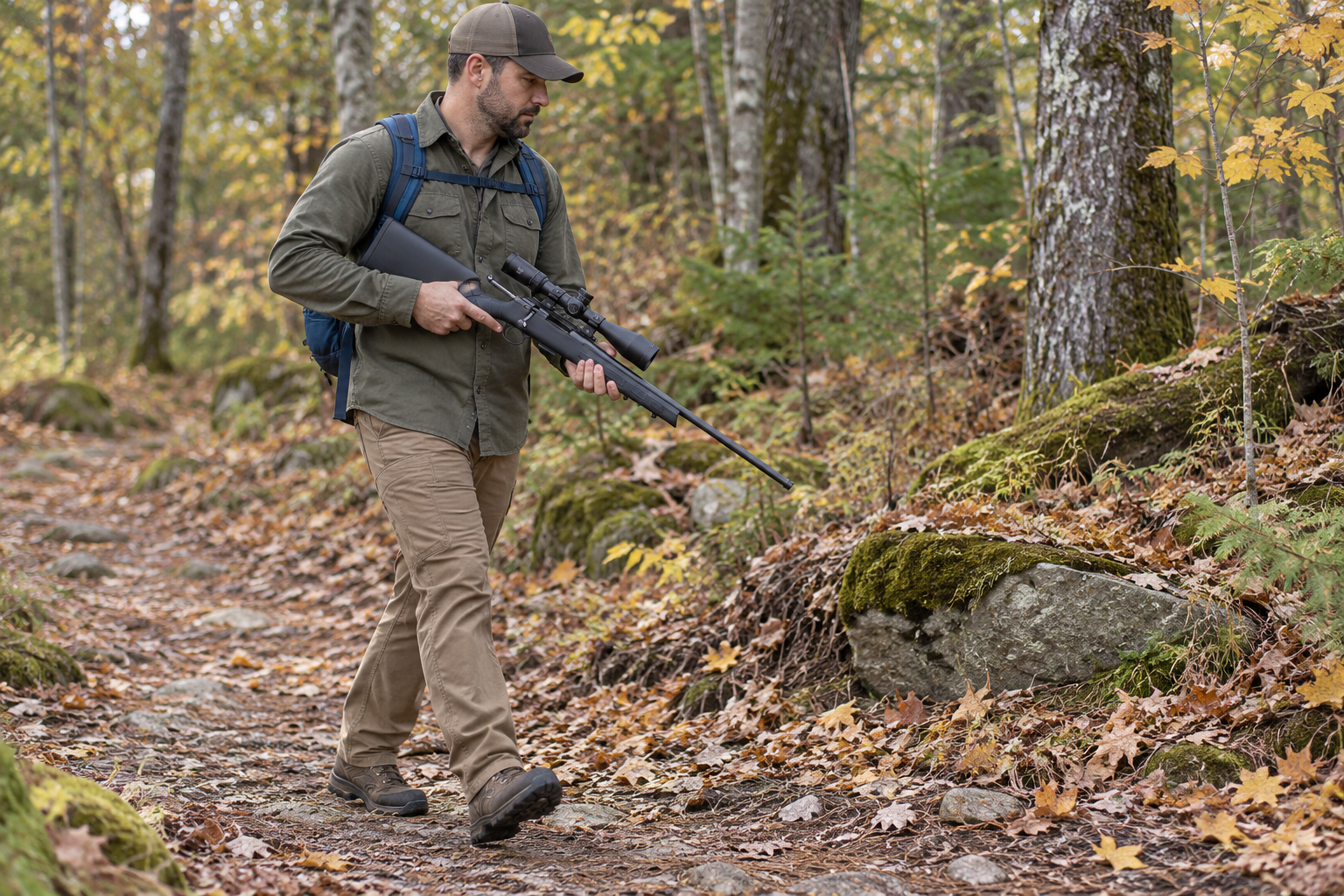
The support restrictions are the part I find most interesting. They give the owner a reason to think about the connection between a rifle and the position available to the shooter. A pack belongs to the day as something carried, with the possibility of a second use. It has to make sense in that setting.
I would expect to arrive with preferences. Most of us have conditions we like, even if we rarely name them. A particular seat height, room for an elbow, or enough time to settle can become part of feeling ready. Change one of those things and I would want to see what happens to the routine I thought I knew.
That curiosity seems worth an afternoon with a rifle. It also gives the following range session a purpose. I would have something specific to revisit, rather than another general intention to shoot better.
A match leaves room for judgement
The clock needs a boundary in this discussion. Timed practice can make an owner aware of hesitation or a position that takes work. Hunting brings other decisions, including whether to take a shot at all. A competition result establishes performance under that competition's conditions. I would be careful about carrying more authority home with it.
I still see value in having a defined task. At the range, I can spend a lot of time pursuing a better result without deciding exactly what I want to learn from the session. A prescribed course gives the day a shape. Afterwards, I can consider how I handled that shape and whether my preparation matched it.
Canadian owners should have places to do this with ordinary sporting equipment. I support clubs making room for different kinds of rifle practice, including formats that connect familiar firearms with field use. The variety gives owners more reasons to spend time learning what they already have.
Today's schedule puts the OSA championship in that conversation. I have no results or account from the course to report. What I can take from its published format is a useful question about my own shooting: how comfortable would I remain as the available support changed?
I'd want to come home from a day like that with a clearer answer, and a reason to take the same rifle out again.
Sources
- MilCun: current event listings, accessed September 13, 2026.
- MilCun/OSA 2026 calendar, August 3 edition, accessed September 13, 2026.
- OSA: events and current document links, accessed September 13, 2026.
- OSA 22LR Field Hunting Challenge description, May 22, 2025, accessed September 13, 2026.
Keep the range notes worth reading later.
If this piece has you thinking about range time, keep the notes useful enough to read later.
Use the Holdover Range Bench Log Card to record rifle, optic, ammunition, distance, weather, zero, group notes, correction, and next test without turning a range trip into a memory test.
Safety note: the card is a note-taking worksheet, not shooting instruction, load data, legal advice, or a substitute for range rules, official guidance, manufacturer manuals, or qualified instruction.