Peel's PAL applications doubled. Clubs see a *new crowd*
RCMP data supplied to CBC shows PAL applications up 110% in Peel since 2016. Ontario clubs say the newcomers are younger, more diverse, and increasingly women.

Opinion. Peel Region recorded 110 per cent more firearms licence applications in 2025 than it did in 2016.
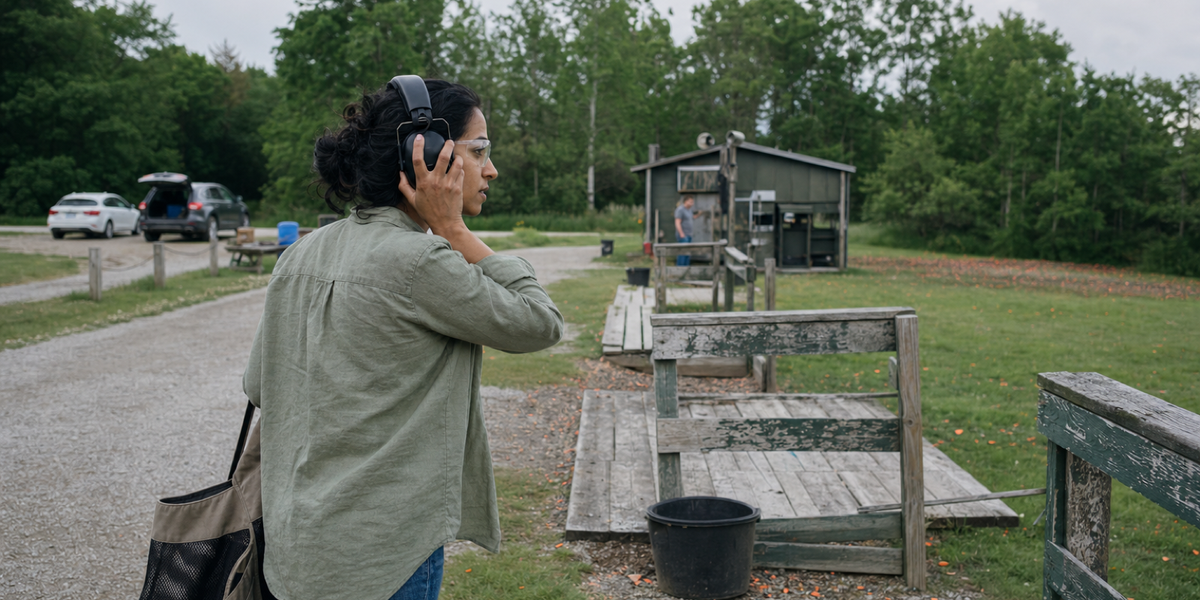
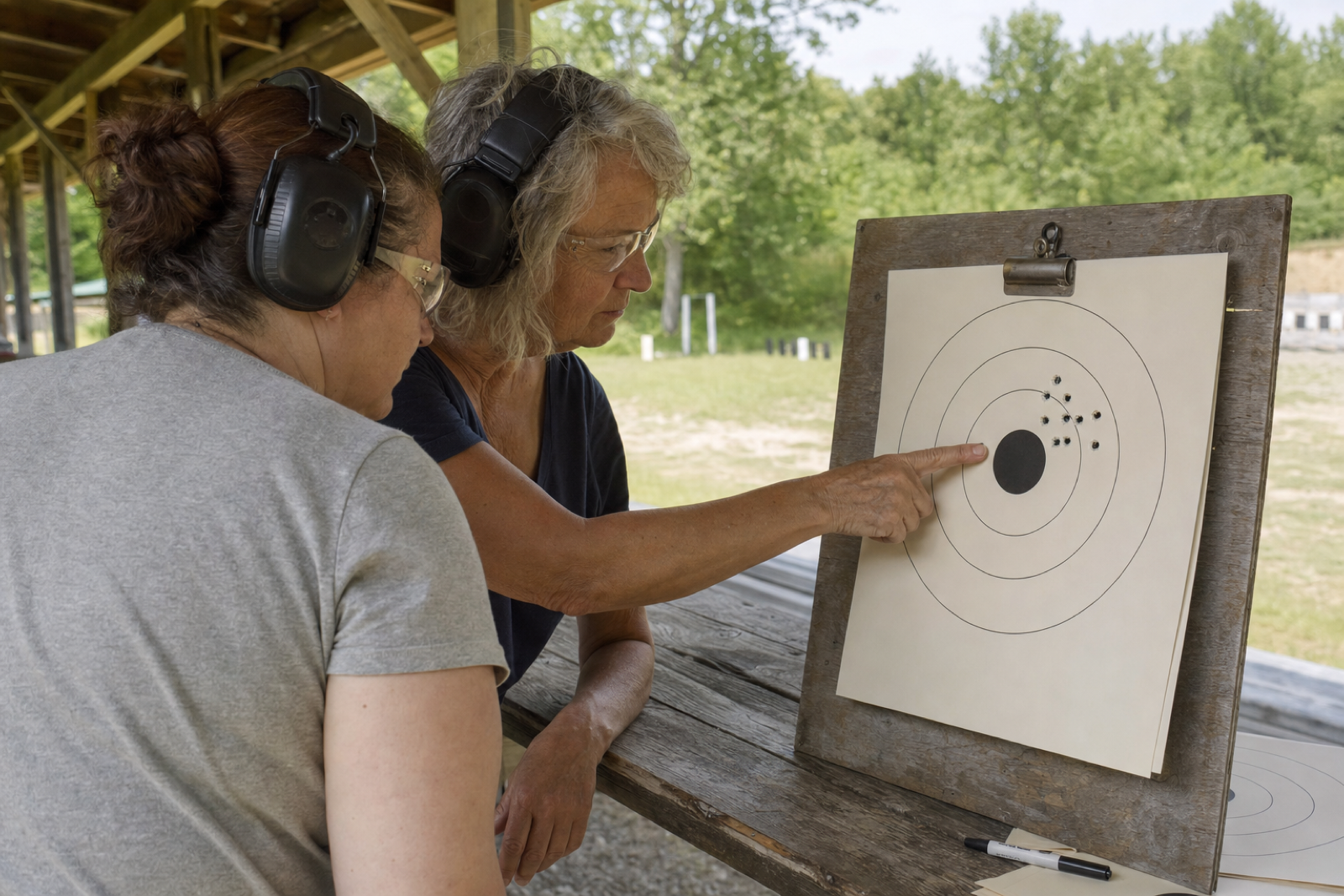
Original generated editorial photograph. The people and club pictured are fictional and do not depict anyone or any venue in the CBC report.
Across the Greater Toronto and Hamilton Area, applications rose 49 per cent over the same decade, according to RCMP data supplied to CBC. Toronto alone recorded 4,297 applications in 2025.
Those numbers deserve a closer look because the people behind them do not match the owner picture Canadian politics keeps reusing.
CBC found Jim Lee at an indoor range near his Mississauga home. He received his licence last year, took up target shooting as a retirement hobby, and now goes a few times a week. At Uxbridge Clays, director Brian Yee said the club has been adding more than 100 brand-new PAL holders each year, three or four times the count from a decade ago.
Yee also described a membership change he could see from the field. Women made up one or two per cent of the club when he joined roughly 40 years ago. Today they account for about 15 per cent.
The application table measures interest in the licensed path. The club line shows who has begun walking it.
A surge with limits on the explanation
The regional data needs careful handling. A PAL application does not ask why a person wants the licence. RCMP spokesperson Robin Percival told CBC the Canadian Firearms Program could not speculate about causes or outside factors behind a local trend.
David Wall, executive director of the Firearms Safety and Education Service of Ontario, offered firsthand course-room observations instead. His instructors are seeing more women, younger adults, and newcomers. Most express an interest in shooting sports. Wall suggested pandemic free time, immigration, and population growth as possible contributors, while making clear that the form cannot prove any one explanation.
The national report provides useful scale. Canada had 2,473,661 firearms licence holders at the end of 2025, including 711,267 in Ontario. The RCMP approved 40,325 new Ontario PALs during the year. More than half of new applications arrived through the online service.
Applications, approvals, and total licence holders measure different things. Together they show a large regulated system receiving a substantial new cohort. The GTHA series tells us where one part of that cohort lives.
The old owner picture no longer fits Peel
The familiar political image is rural, inherited, male, and tied to hunting. All of those owners remain part of the Canadian firearms community. They no longer describe the whole line.
CBC profiled Leigh Bianco, 57, who received her PAL in 2024 and joined Uxbridge Clays about a year later. She had no family connection to hunting or shooting. A woman she followed on Instagram prompted her interest, and she now practises skeet twice a week.
Yee sees younger people and couples walking the fields together. Wall sees newcomers choosing the safety course as the start of a sport. Lee found a weekday community at a Mississauga range after retirement.
These are individual stories, not a demographic census. They give the regional increase a human shape without pretending to explain every application.
A licence is the first infrastructure question
I know how much friction the GTHA can put between an interest and a first range day. You need a course date, the licence process, a club with room, and enough time in traffic to reach it. A person without a parent, friend, or old club connection has to solve each step from scratch.
That makes 100 new PAL holders at one club in a year a serious operating signal. Instructors need course capacity. Clubs need a plain visitor path, lessons that do not assume prior knowledge, and members willing to make the first conversation easy. Experienced shooters need to remember how many rules, small purchases, and unfamiliar routines sit between a licence envelope and a comfortable Saturday.
Uxbridge Clays currently advertises 2026 memberships, lessons, visitor appointments, and several clay disciplines. That public path matters as much as a promotional post. A new licence holder can see where to start.
The strongest recruitment tool in Canadian shooting remains a good first day with somebody who explains the line and leaves the newcomer wanting to return.
Policy keeps talking past the people in line
Federal firearms debates often describe licensed owners as a fixed group whose numbers and habits belong to an older Canada. Peel's result puts that assumption under pressure.
These applicants live in Mississauga, Brampton, Caledon, Toronto, Hamilton, and the surrounding municipalities. They pass the course, submit identifying information, enter background screening, and remain subject to continuous eligibility checks after a licence is issued. Many are choosing target sports without an inherited connection to them.
A government can still argue for its policy. It should argue in front of the population that exists. An urban region that more than doubled its application count has created a constituency, a service demand, and a club-access question that cannot be waved away as a rural holdover.
The shooting community has its own obligation. If the new cohort is younger, more female, and more diverse, the first range day has to feel like it was built for the person who arrived, rather than the member a club remembers from 1986.
Make the next Saturday worth the drive
The RCMP cannot tell us why Peel's applications rose 110 per cent. The course room and club field can tell us what some of those applicants do next.
They learn a new sport. They bring a partner. They join after retirement or at 57 without a family tradition. They practise twice a week. They become the person who helps the next newcomer with a vest, a station, or the first missed clay.
Peel's applicants have raised their hands. Canadian clubs should make the next Saturday worth the drive.
Sources
- CBC News, Gun licence applications have surged in the Toronto area since 2016, July 15, 2026. Yahoo mirror.
- Royal Canadian Mounted Police, 2025 Commissioner of Firearms Report, accessed July 16, 2026.
- Royal Canadian Mounted Police, 2024-25 Departmental Results Report, accessed July 16, 2026.
- Uxbridge Clays Target Sports, club overview and 2026 programs, accessed July 16, 2026.
Keep the first PAL steps in order.
If this piece has you mapping the licence process, keep the official steps and follow-up notes together.
Use the Holdover PAL/RPAL First-Steps Checklist to keep the official forms, course booking, references, photo, fees, and follow-up notes in one place while you work through the process.
Safety note: the checklist is an orientation aid, not legal advice or a substitute for current RCMP/CFP/CFO guidance or instructor direction.