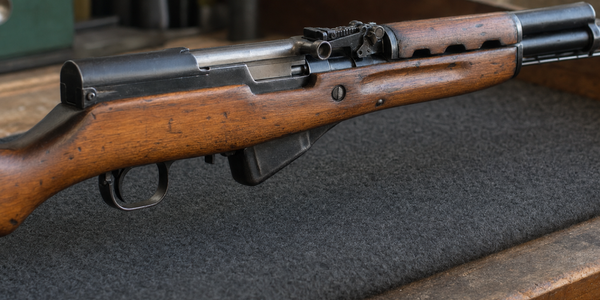
For *15 of 23* seized guns, Peel reports U.S. origins
Peel reports U.S. origins for 15 of 23 firearms seized in Project Red Zone. The result supports focused trafficking work, with clear limits on the national claims it can carry.

Opinion
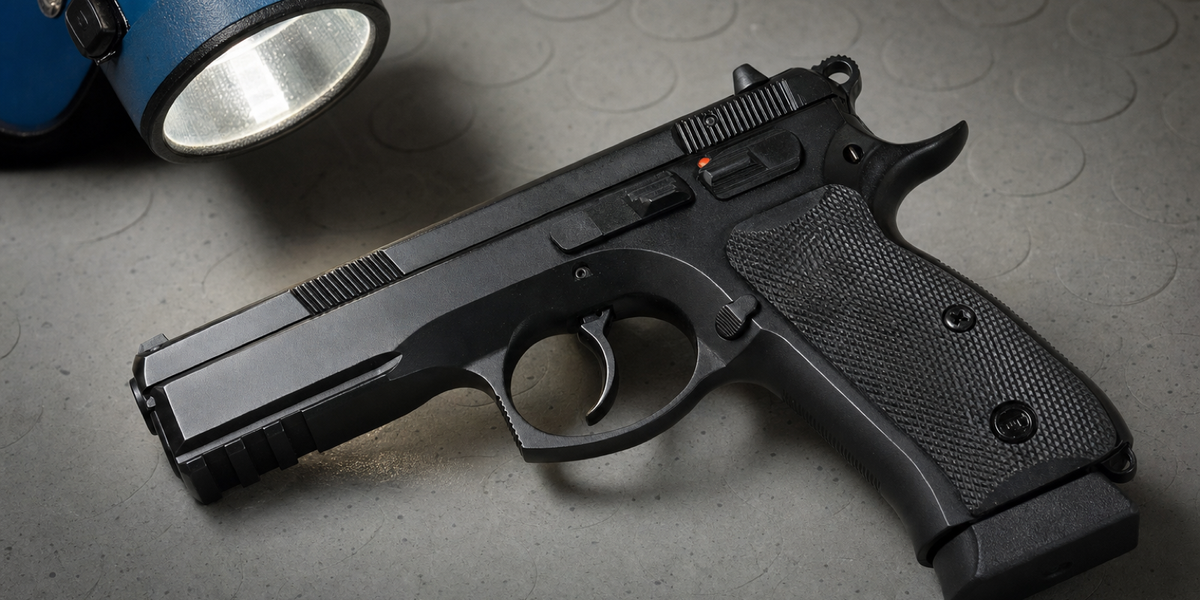
Fifteen of the 23 firearms seized in Project Red Zone originated in the United States, Peel Regional Police said on September 22. Police also reported a connection between one recovered firearm and a March 2024 Mississauga homicide that killed one person and seriously injured another.
Those findings deserve attention. They give investigators a supply question to pursue and a connection to violence already committed. They also give the rest of us a responsibility: keep the numbers attached to the investigation that produced them.
For licensed owners making the case for better firearms policy, precision helps. Red Zone supports focused work against trafficking. Its 23 recovered firearms tell us about this operation. A national argument needs evidence collected on a national basis, with its gaps visible.
Fifteen origins within one investigation
Peel says its Specialized Enforcement Bureau worked with U.S. Homeland Security and Criminal Intelligence Service Ontario during an undercover investigation running from October 2025 through July 2026. Police announced four arrests and charges. Those allegations remain to be tested in court.
The public release identifies a U.S. origin for 15 firearms. It does not give an origin for each of the remaining eight. Calling those eight Canadian would add information the police have not supplied. Calling them untraceable would make a different unsupported claim.
Even an accurate calculation needs that restraint. Fifteen divided by 23 is about 65 per cent. The useful description remains the share of firearms in this particular seizure that police say originated in the United States. Readers cannot carry that percentage across the border of this case and apply it to every criminal firearm in Canada.
A trace follows the history
The RCMP's 2025 Commissioner of Firearms Report describes tracing as following a firearm from manufacture or import through wholesalers and retailers to its last known owner or business. Investigators can use that history to develop leads, identify trafficking patterns, and connect a suspect with a firearm.
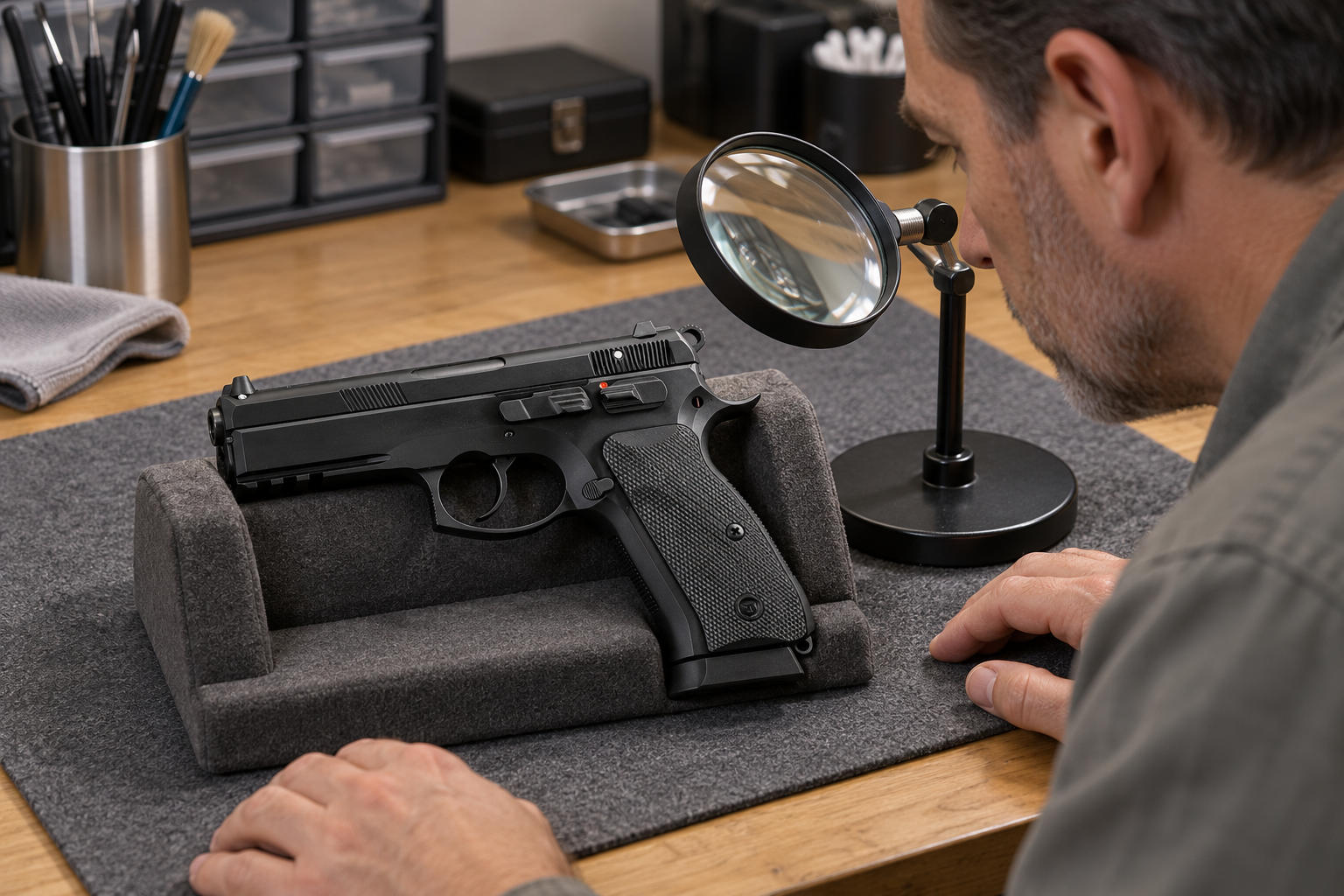
That work helps explain why the origin count matters. Investigators need to establish how firearms move into criminal possession. A place of origin offers a starting point; subsequent transfers and people involved still require evidence.
The U.S. Bureau of Alcohol, Tobacco, Firearms and Explosives makes a related caution in its Canadian trace-data publication. Police choose firearms for tracing for investigative reasons. That selection produces a group that cannot represent all firearms used in crime. A recorded source also leaves questions about the subsequent route through which a criminal acquired a firearm.
Peel's release does not identify which agency completed each trace. The general methods explain what such work can contribute, without filling in the unpublished details of Red Zone.
Canada's homicide table has a smaller group
Statistics Canada's latest analysis of firearms and violent crime, covering 2024, gives readers another reason to keep track of the group behind a percentage.
For recovered firearms used to cause death, 77 were sent for tracing. Investigators established origins for 34. Among those 34, 74 per cent came from Canada and 24 per cent from the United States. Statistics Canada cautions that the available information covers a minority of incidents and firearms.
Those figures deserve the same honest treatment as Peel's. The Canadian-origin share belongs to the 34 firearms with known origins in that homicide dataset. It cannot describe every firearm used in a Canadian homicide, much less every firearm-related crime.
The two sources cover different groups. One concerns a particular trafficking investigation. The other describes a limited group of recovered homicide firearms from a different period. Treating either as a complete national inventory asks the evidence to answer a question its collection never settled.
For an owner, that is a useful habit beyond this week's news. Read the count underneath the percentage. Check whose firearms the researchers could examine and how many remain outside the known group.
Owners can ask for a stronger policy case
As a licensed owner, I want the figures used to justify firearms policy to survive a second read. I also want police to have the capacity to pursue the people supplying criminal markets. Those expectations belong together.
Ottawa presents its prohibition of more than 2,500 makes and models since May 2020 as part of tackling gun violence. Public Safety Canada describes the compensation program as a way for eligible owners to comply with the law, with compensation subject to available funds.
The strongest case for that approach is preventive: reducing access to specified firearms could reduce future harm. A serious assessment has to consider that claim. It also has to show how the intervention reaches the risk being discussed and what results justify the burden placed on owners.
Red Zone cannot settle that entire policy debate. It does offer a concrete standard for useful reporting: identify the firearms, establish their histories, and explain their connections to violent events. That gives the public something more informative than a count of objects alone.
I would put sustained investigative capacity high on the spending list. Evaluating that choice means following the cases beyond the announcement, including what prosecutors establish and what investigators learn about supply.
Peel has given the public a specific result worth following. Publish what happens to the cases, the trafficking leads, and the firearms. Let owners and the wider public judge those results.
Sources
- Peel Regional Police, Project Red Zone: Undercover Operation Seizes 23 Firearms, Including One Linked to Mississauga Homicide, September 22, 2026.
- RCMP, 2025 Commissioner of Firearms Report, Canadian National Firearms Tracing Centre section.
- Statistics Canada, Firearms and violent crime in Canada, 2024, April 21, 2026.
- ATF, Firearms Trace Data: Canada 2019-2024, updated June 10, 2025. Methods and limitations only.
- Public Safety Canada, Assault-Style Firearms Compensation Program, accessed September 23, 2026.
The amnesty file is still moving.
If this piece sent you back to government pages, do not wait for the next portal, Gazette, or court move to find you by accident.
The Dispatch follows Public Safety, RCMP, Canada Gazette, court, compensation, collection, and amnesty updates so the next change comes with the source that moved.
Safety note: the tracker is a worksheet for source hygiene, not legal advice or a substitute for current official guidance.