*Ballistic testing* has a $1.55-million line in Saskatchewan's budget
Saskatchewan budgets $1.551 million for its ballistics lab. A fresh Prince Albert police account gives readers a reason to ask how quickly the service delivers.
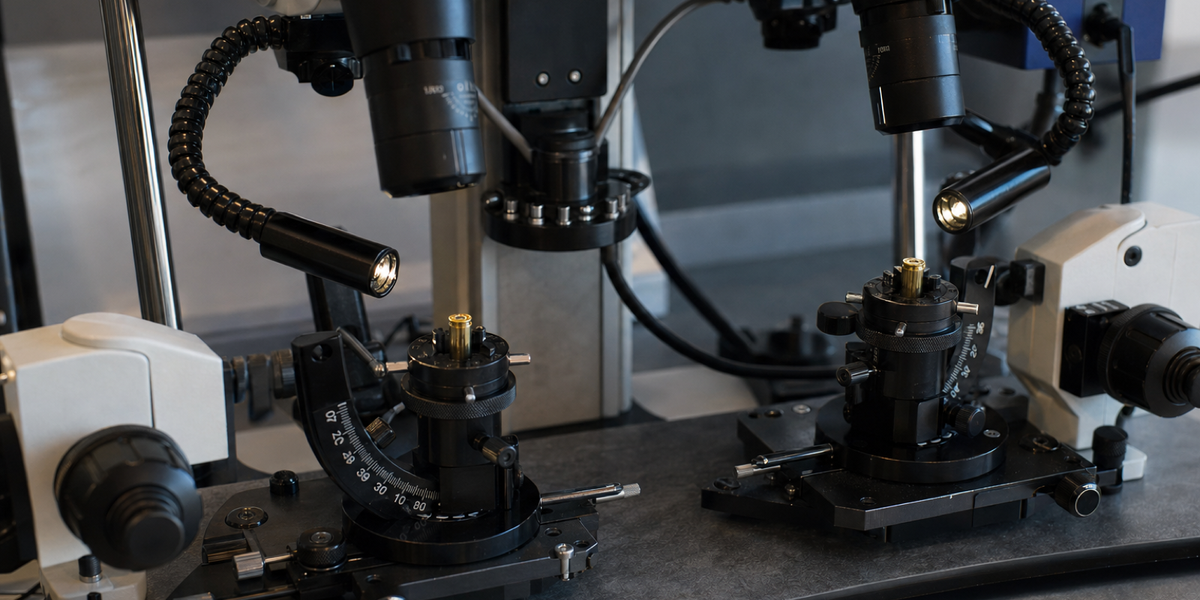
Saskatchewan has budgeted $1.551 million for its ballistics laboratory in 2026–27. A newly reported Prince Albert investigation gives that line in the Estimates some practical meaning: testing can help police connect evidence collected in different cities. How quickly those findings reach investigators deserves regular public attention.
In a September 24 report by the Prince Albert Daily Herald, Chief Patrick Nogier described cartridge cases recovered after a June drive-by shooting at a local business. According to his account, evidence submitted through the provincial laboratory was linked to a firearm later recovered in Surrey, with connections also reported to shootings in other jurisdictions.
That is the chief's reported account. The underlying laboratory report and any eventual court outcome remain outside that account. The reported connection gives readers a reason to look closely at the service behind the investigation.
I own firearms and spend time at the handloading bench. I want police to have useful evidence about shootings while they can still act on it. I also want to understand what the public is paying for. A laboratory has a fairly concrete promise to explain: receive evidence, examine it properly and get a useful result back to the people investigating the case.
A provincial testing service
The province opened its temporary laboratory in May 2024, within Saskatoon Police Service headquarters. At the time, Saskatchewan said police had been relying on RCMP testing facilities in Ottawa and Surrey and described delays in receiving some results. Local capacity was intended to shorten that wait.
The permanent laboratory opened in October 2025. The province reported investing nearly $3.35 million in its development. Its equipment included a comparison microscope and a BrassTrax imaging system.
In that release, the government said the laboratory had delivered more than 900 firearm examinations and services since operations began. It also said testing waits had fallen from months to days. Those were encouraging claims to make at an opening. They were published in October 2025, and the combined examinations-and-services total gives us a broad measure of activity.
A reader still needs the period, type of work and actual waiting times to judge today's service. Different examinations can require different work. A single total leaves those differences folded together, while a phrase such as months to days leaves the typical and longest waits unspecified.
That is a reporting question worth pursuing without assuming the answer will be disappointing. A well-performing laboratory should benefit from a clear account of its work. A strained one should have evidence with which to explain the pressure.
What the budget purchases
The current Saskatchewan Estimates, on printed page 65, assign $1.551 million to the Saskatchewan Ballistics Laboratory under subvote FS03. That matches the comparative 2025–26 estimate. Of the 2026–27 amount, $1.096 million is allocated to salaries and $455,000 to goods and services.
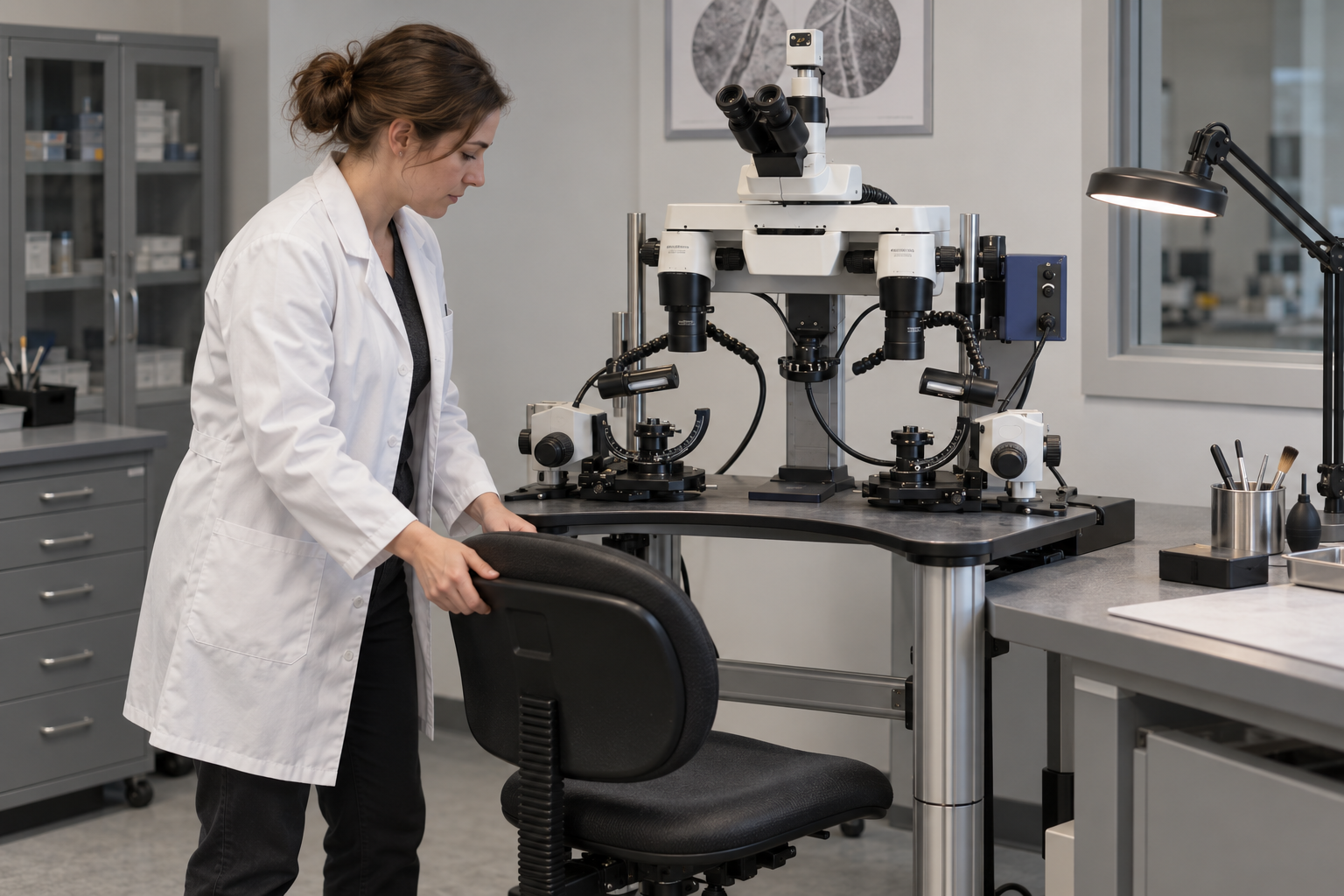
These are budget allocations. The figures alone tell us little about spending to date or the quality of a completed examination. They do show an identifiable annual service that citizens can follow from one budget to the next. The earlier development investment belongs to a separate historical account.
The laboratory's stated work includes analysing and cataloguing ballistic characteristics and serial numbers, supporting investigations and determining firearm and accessory classifications. For the public, the next useful layer would connect that mandate to the work arriving at the laboratory and the time it takes to complete.
I would start with routine and urgent turnaround reported separately. Then I would want the number of submissions waiting, with an explanation of what counts as one submission. A rising total could reflect increased demand, expanded service or a growing delay. Publishing the measure with its definition would let readers distinguish those possibilities.
Following a possible connection
Ontario's Centre of Forensic Sciences describes how comparisons of fired bullets and cartridge cases can help link crime scenes and evidence. Its work with the Canadian Integrated Ballistics Identification Network gives that search a reach beyond one local investigation.
There is a useful distinction in the American ATF's explanation of its NIBIN system. Comparing digital images can produce a potential lead. A firearms examiner can then examine the physical evidence under a microscope to confirm a match when required for court or other purposes.
That is the American agency's terminology. It illustrates why reports should identify the stage reached; it does not establish which examinations were completed in the Prince Albert case. A possible connection can be valuable to an investigator while further work remains necessary.
The same care should carry into public performance reporting. Counts of examinations, investigative leads and confirmed comparisons each answer a different question. Case outcomes introduce further work by police, prosecutors and courts. Credit should follow evidence of the laboratory's contribution, with room to acknowledge the other work involved.
The sources cited here do not provide a current Saskatchewan backlog or a current median turnaround. They give us a funded service, a dated account of faster testing and a fresh police example worth following. That is enough to ask for a clearer service picture and to support the investigative purpose behind it.
Canadian firearm owners have every reason to want shootings investigated thoroughly. I would welcome a regular report showing what reached this laboratory, what came back and how long it took. Give the laboratory the capacity to do the work, and give the public a clear account of how promptly that work reaches investigators.
For further verified developments in Canadian firearm policy and ownership, follow The Dispatch.
Sources
- Prince Albert Daily Herald: Police Chief details firearm strategy at annual luncheon, September 24, 2026. Attributed account of the chief's remarks.
- Saskatchewan: Ballistics Laboratory opens in Saskatoon, May 13, 2024.
- Saskatchewan: permanent laboratory opening, October 20, 2025.
- Saskatchewan 2026–27 Estimates, printed page 65, subvote FS03; amounts stated in thousands of dollars.
- Ontario Centre of Forensic Sciences: Physical Sciences, firearm examination and CIBIN context.
- ATF: National Integrated Ballistic Information Network, updated June 10, 2026; American terminology for leads and confirmed hits.
Sources checked September 27, 2026. Research and commentary; no laboratory visit or independent examination of the Prince Albert evidence is claimed.
The amnesty file is still moving.
If this piece sent you back to government pages, do not wait for the next portal, Gazette, or court move to find you by accident.
The Dispatch follows Public Safety, RCMP, Canada Gazette, court, compensation, collection, and amnesty updates so the next change comes with the source that moved.
Safety note: the tracker is a worksheet for source hygiene, not legal advice or a substitute for current official guidance.