A spare barrel and the seller's *licence check*
Canada's spare-barrel transfer rule puts a licence duty on private sellers. The law and official guidance explain its scope, verification examples and recordkeeping limits.

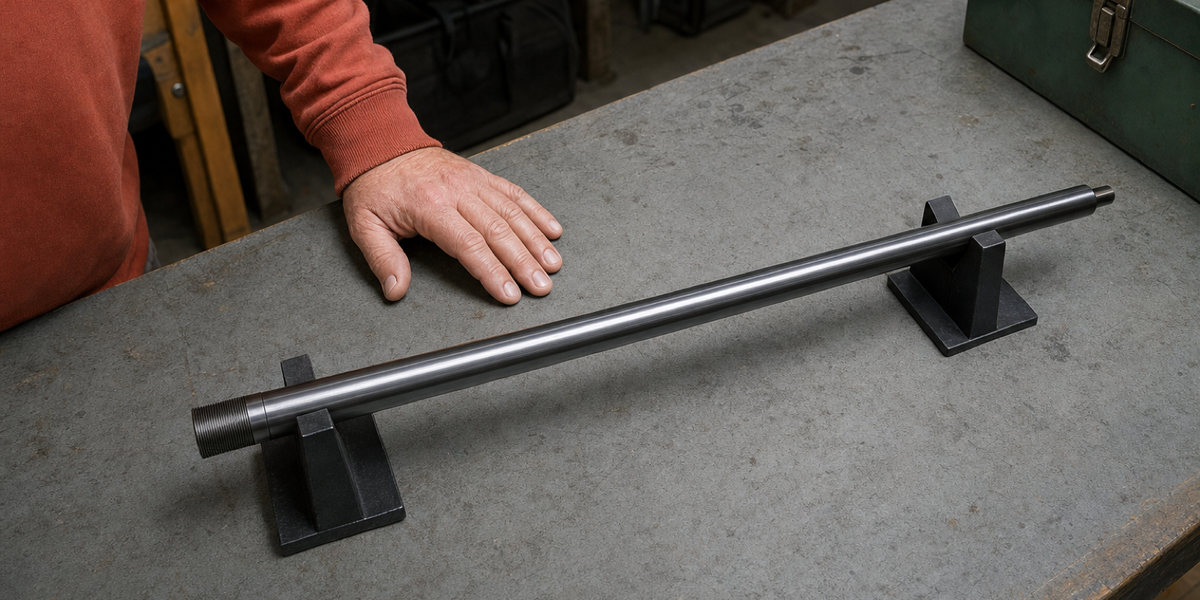
A spare rifle barrel offered for sale carries a question beyond its chambering, condition and price: does the buyer hold the required firearms licence? Since September 1, 2024, Canada's parts-transfer rule has put that question in front of private sellers as well as businesses.
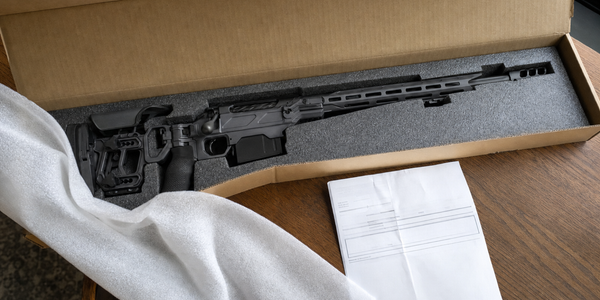
My own Cadex R7 barrel-action project sits in an MDT ACC Elite chassis. Choosing components is part of the appeal of precision shooting. It also makes the distinction between a rifle and the parts around it feel practical. An owner can spend a happy evening thinking about a barrel and discover that Parliament has been thinking about it too.
The useful starting point is section 25.1 of the Firearms Act. A person may transfer a firearm part to an individual only when that individual holds a licence authorizing firearm possession. There is a specific exception for a non-resident aged 18 or older with a valid declaration confirmed under the provisions named in the section. The ordinary domestic private sale falls under the licence rule.
Opinion / Canadian ownership
The part has its own rule
The legal definition deserves a look before anyone applies the word "parts" to an entire shopping basket. The Criminal Code definition covers a firearm barrel or a handgun slide, along with anything else prescribed as a firearm part. Unless otherwise prescribed, it excludes a barrel or slide designed exclusively for a firearm deemed not to be a firearm under subsection 84(3). The Firearms Act imports the Criminal Code definitions through section 2.
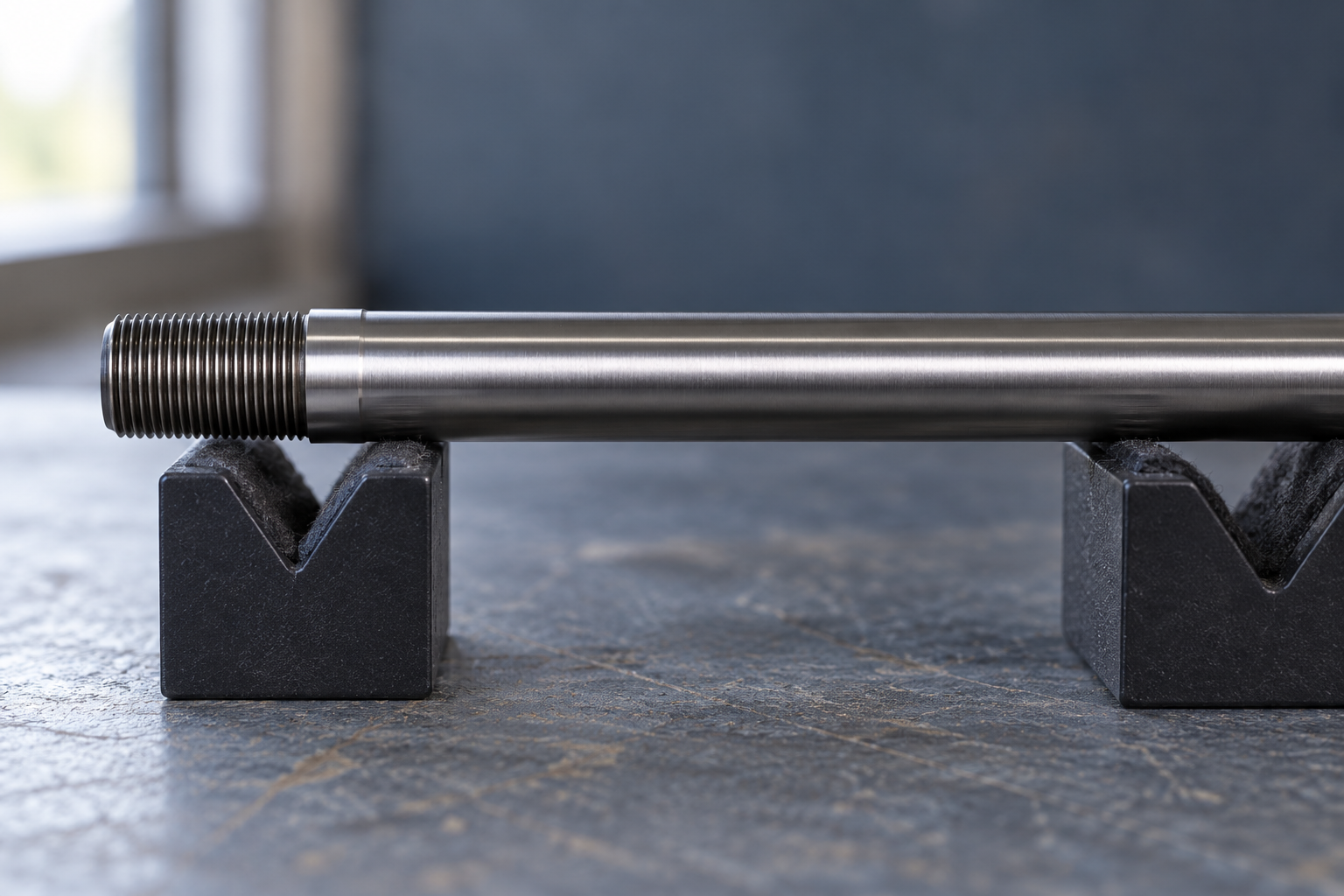
That is narrower than the everyday meaning of a rifle part. In its current public guidance, the RCMP says these import and transfer requirements apply to barrels and handgun slides, and do not extend to other parts. That statement concerns this particular measure. Other classification, import or transaction rules can still matter to a particular item.
For an owner selling an ordinary take-off rifle barrel, the immediate consequence is clear: a private sale brings the buyer's licence into the transaction. The federal duty follows the kind of component being transferred. A seller's lack of a retail counter changes very little about that question.
What the seller can check
The RCMP leaves the business or individual to determine an effective way to establish that the buyer holds a valid licence. Read on its own, that instruction is spare.
The 2024 commencement order's explanatory note gives more detail. It describes inspecting the buyer's licence card, or similar verification for online sales, as possible approaches. Those examples give a private seller somewhere to start.
The remaining difficulty is the distance between a general example and a seller's particular transaction. An image of a card, a name in a message and confidence in a familiar club member each supply different information. The seller still has to establish that this buyer holds a valid licence. I would want the government's public instructions to make that responsibility easy to understand.
For comparison, section 23 sets out the conditions for transferring a non-restricted firearm. They include the recipient's appropriate licence, a reference number issued by the Registrar at the transferor's request, and that number remaining valid. Section 25.1 does not reproduce that reference-number condition for firearm parts.
Someone familiar with selling a complete rifle can therefore arrive at a barrel sale with the wrong procedure in mind. Reading the relevant section is less satisfying than shopping for a new chambering, but considerably more useful at this point.
A check without a new transaction file
The RCMP says businesses do not have to retain barrel-and-slide transfer records or report those transactions to the Canadian Firearms Program. The 2024 Gazette explanation also describes the absence of a CFP reporting or business-record requirement for individuals and businesses under the measures.
That limits the administration attached to the rule. A seller may still retain a receipt, and evidence of a particular transaction may exist elsewhere. The distinction matters to owners who want to understand both their obligations and the information a sale might leave behind.
The policy's stated purpose also matters. The 2024 explanation connects the licensing measures to the risks of illicit firearm manufacture. Keeping access to certain components within the licensing system is an intelligible objective. Owners can understand that rationale while asking whether the published instructions give a private seller enough help to carry the responsibility.
My preference is for clear, limited obligations that an ordinary licensed owner can carry out. Creating a larger personal-information collection habit would need an argument of its own.
Ottawa's separate marking timetable
A separate federal file concerns the Firearms Marking Regulations. Their current commencement provision schedules them for December 1, 2027.
The 2025 deferral explanation says planned engagement with affected businesses after the previous delay did not occur. Planned awareness activities also went undone. That is a concrete administrative failure worth questioning. The same document recognises existing industry markings and describes the deferred regime as a way to strengthen Canada's tracing capabilities.
The two measures do different jobs. A barrel buyer's eligibility and markings used in tracing call for separate assessments of their costs and results. Putting them beside each other chiefly raises a question about the quality of government's own implementation work.
The private seller has a present duty. Ottawa owes that seller instructions that are easy to find, precise about the component covered, and useful when a real buyer answers the ad. That is a modest expectation for the person trying to move one spare barrel along.
Sources
- Firearms Act, section 25.1: firearm-part transfers
- Firearms Act, section 2: interpretation
- Criminal Code, section 84: firearm-part definition
- RCMP: barrel and handgun-slide requirements
- Canada Gazette, SI/2024-28: commencement and explanatory note
- Firearms Act, section 23: non-restricted firearm transfers
- Firearms Marking Regulations, section 6
- Canada Gazette, SOR/2025-227: marking deferral
Keep the first PAL steps in order.
If this piece has you mapping the licence process, keep the official steps and follow-up notes together.
Use the Holdover PAL/RPAL First-Steps Checklist to keep the official forms, course booking, references, photo, fees, and follow-up notes in one place while you work through the process.
Safety note: the checklist is an orientation aid, not legal advice or a substitute for current RCMP/CFP/CFO guidance or instructor direction.