Thirty-four entries put *mounted shooting* on Alberta's clock
Outlaws Paradise begins in Sturgeon County with 34 entries and five stages. That is enough to show that Alberta mounted shooting is a scored sport with real structure behind it.

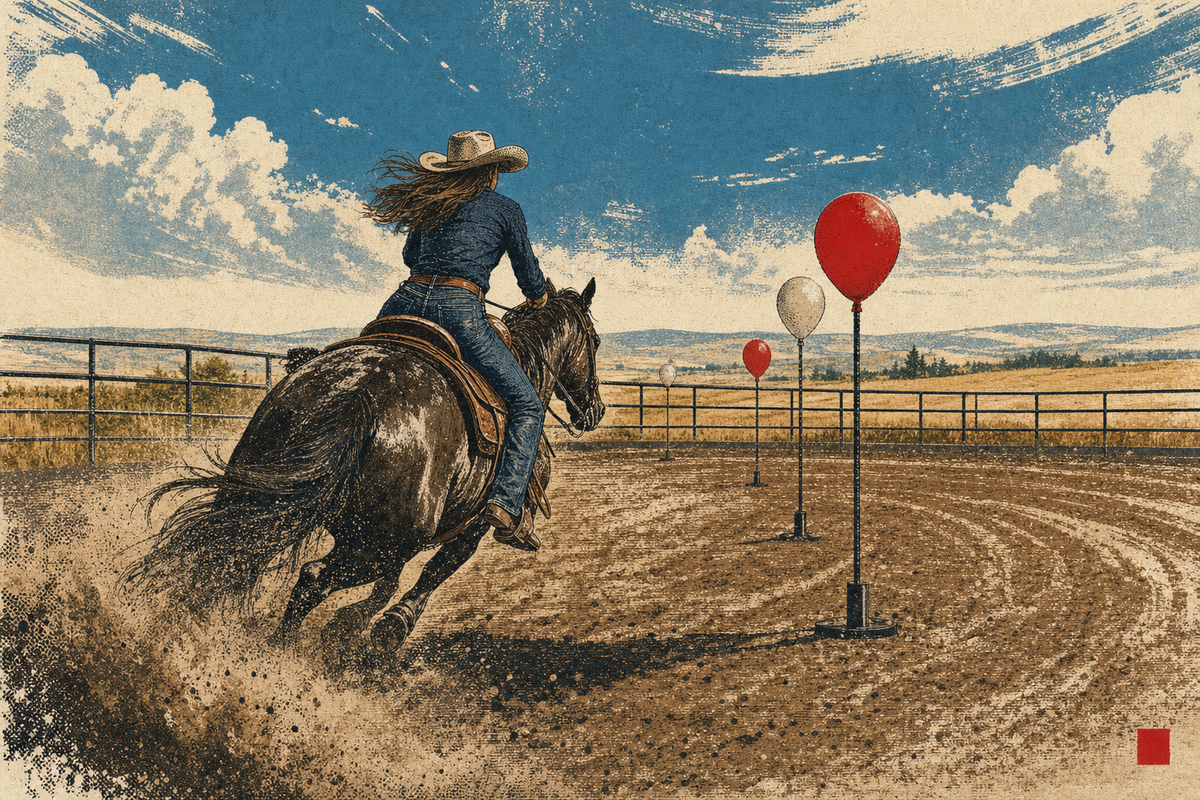
Opinion. Thirty-four riders entered a Sturgeon County event this weekend, which is enough to make a cowboy hat a poor substitute for a scorecard.
The Outlaws Paradise State Shoot runs July 11-12 at Paradise Acres Ranch. When I checked the official event page this morning, it listed 34 complete entries, a five-stage main match, and separate rifle and shotgun stages. It also listed current CMSA, Alberta Equestrian Federation, RPAL, and club membership as part of the entry requirement. That is a lot of structure for anyone still treating mounted shooting as a decorative cousin of the serious disciplines.
I do not compete from a saddle. My own range life is much more likely to put a rifle on a bench and a pencil mark beside a group. But I know a real sport when the score has enough teeth to correct the story a participant was hoping to tell about a good run. Mounted shooting has that kind of score.
Five stages make a claim
The live event record is useful because it gives this weekend's Alberta match a shape. Five main stages are not a vague promise of action. They are five chances for a course, a clock, and a competitor to disagree about how clean the run felt.
CMSA describes its competition as a timed event where riders are scored on time and accuracy. Its published FAQ lists penalties for missed balloons, a dropped gun, an incorrect course, and a fall. The specific penalties matter less here than the principle: a score that contains consequences is doing more than keeping spectators awake.
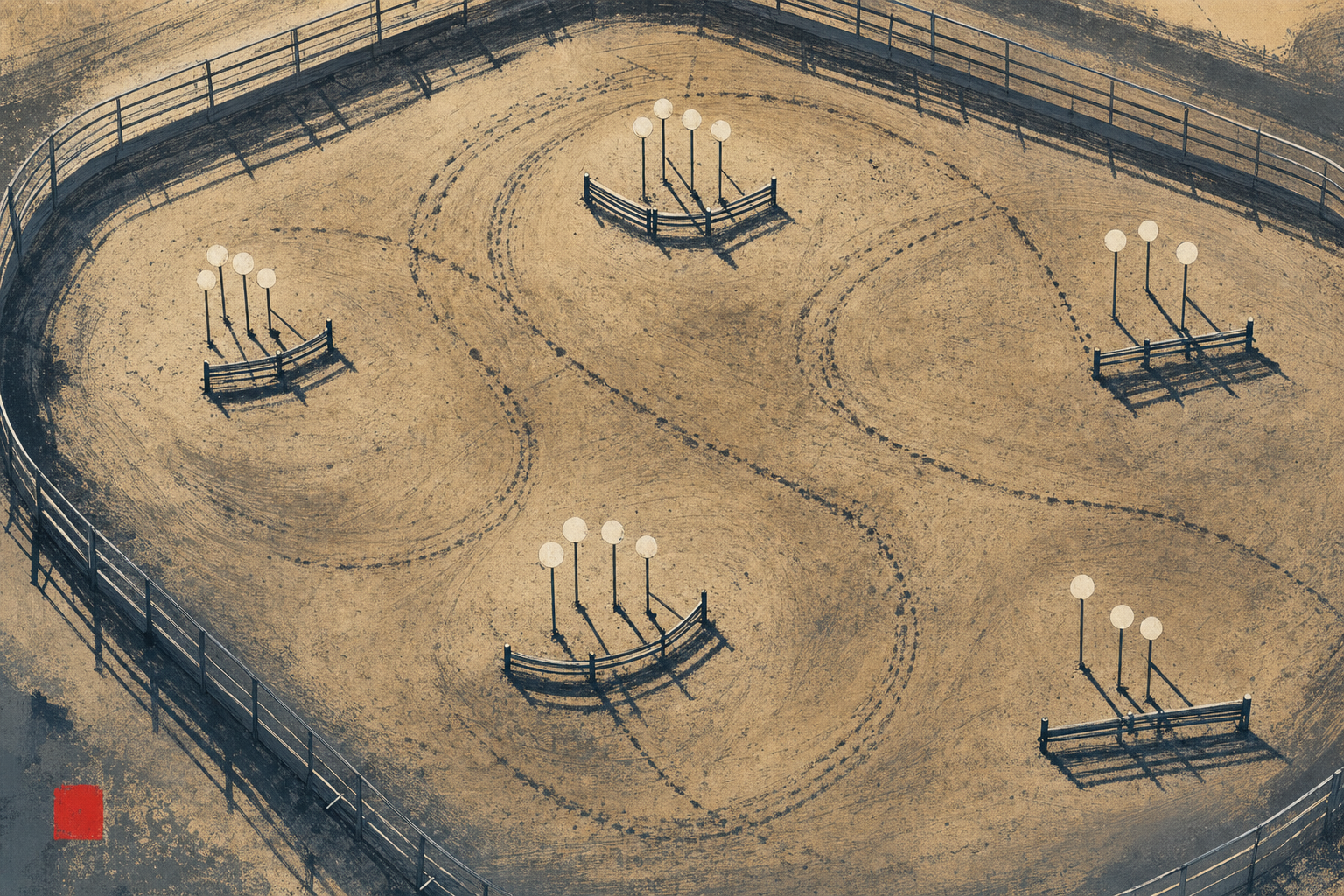
That is why the sport belongs in a Holdover conversation about precision. Precision is not confined to the rifle bench or a row of steel plates at distance. It is the discipline of making a task repeatable enough that a result can be compared, argued over, and improved. At Outlaws Paradise, the clock is part of that argument. So is the course. So is the rider's ability to bring a horse through it without making the event look easier than it is.
The event page also lists separate rifle and shotgun stages. That should stop the lazy assumption that mounted shooting is simply a western costume with some noise attached. The competitive form has more moving parts than its surface suggests, and the structure is plainly visible before anyone takes a result home.
The horse changes the work
The horse does not make the score more forgiving. It makes the work less familiar to people who only know static firing points or a conventional action bay.
CMSA's own explanation is refreshingly blunt about the relationship between speed and accuracy. A typical pattern moves quickly enough that a five-second miss matters. The rider is reading a course, managing a horse, and keeping the score intact at the same time. That is a different physical problem from any precision-rifle stage I have shot, but it is not a lesser one.
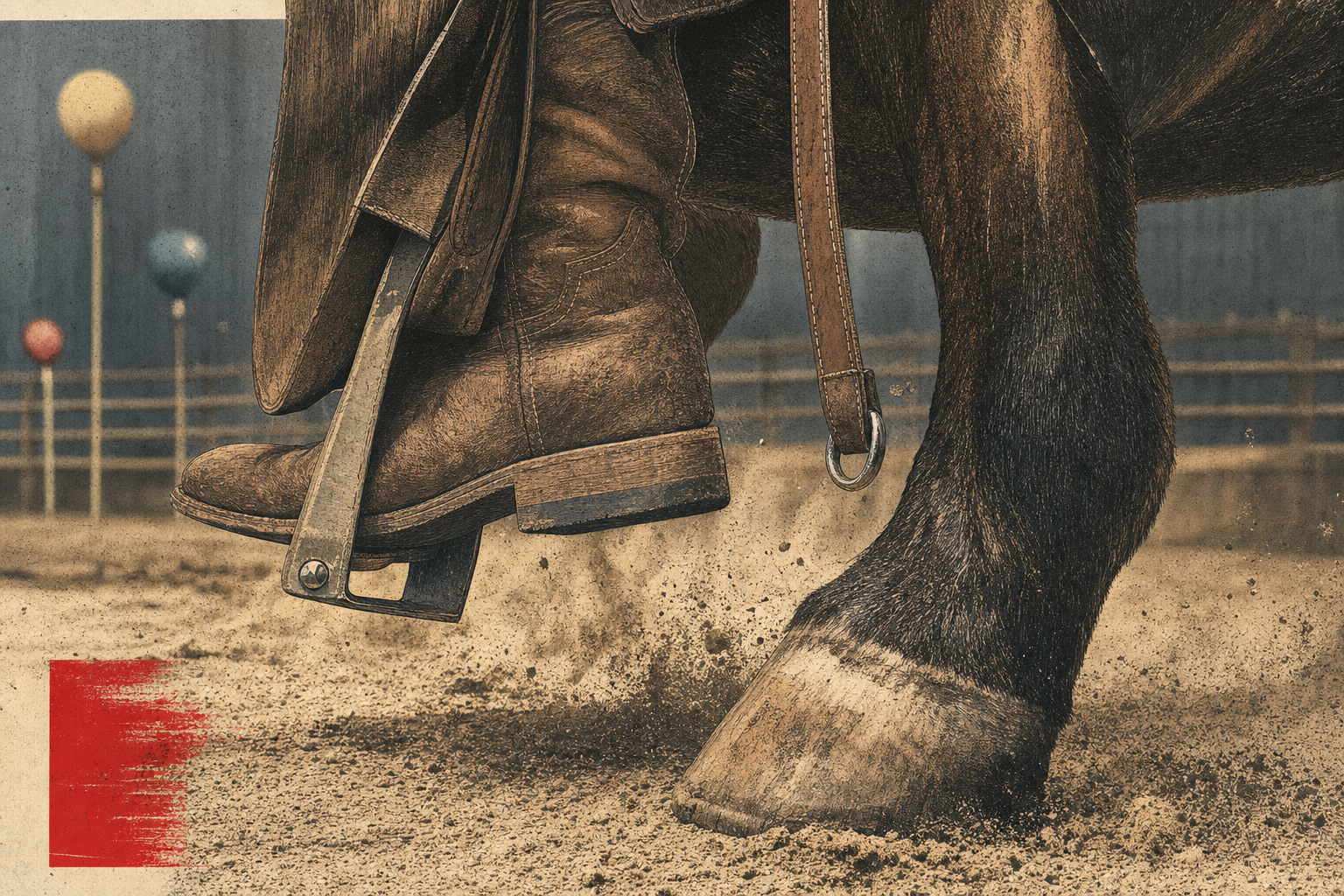
There is a useful Canadian lesson in that. Shooting sports get flattened too easily into a list of objects and restrictions. People who care about them know the real picture is wider: clubs, match directors, rule books, facilities, riders, shooters, volunteers, horses, and the unglamorous administration that lets a local event happen on a Saturday.
Outlaws Paradise makes that infrastructure unusually visible. The current entry list is not enormous by a stadium standard. It is more meaningful than a stadium number because each entry sits inside an actual local system: a host association, an arena, a weekend schedule, a points structure, and people who have decided the sport is worth organizing.
The local calendar has to carry it
The Alberta Mounted Shooters Association's 2026 schedule gives Outlaws Paradise some context. It sits after early-July events in Leduc County and before August shoots and a September Canadian Finals date in Stavely. That is what a living sport looks like at the provincial level: not one gala date, but a calendar with enough continuity that participants can improve, clubs can plan, and newcomers can see a path into something more substantial than one novelty afternoon.
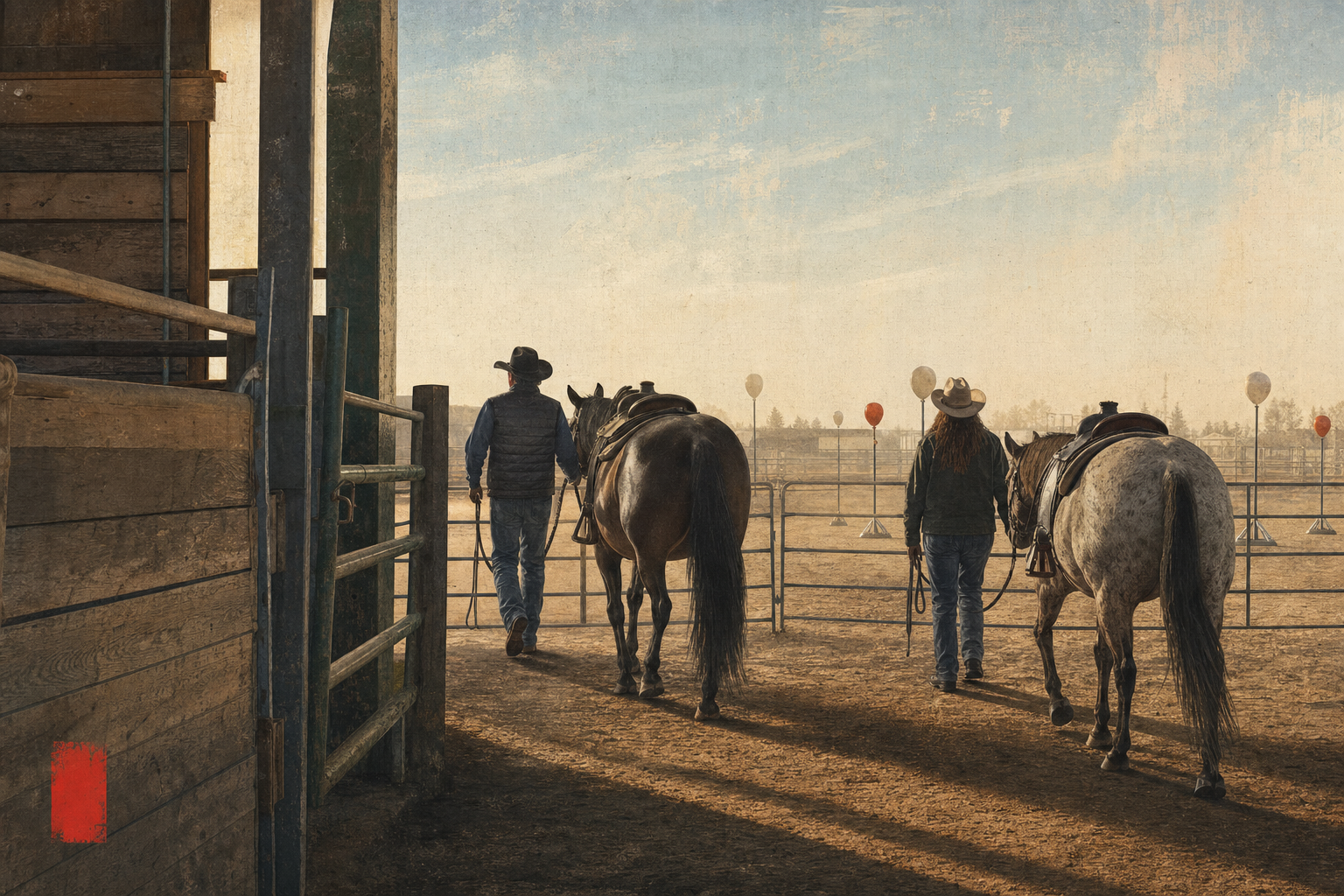
This is where a small discipline earns a little respect from the rest of us. Not because every shooter needs to buy a horse or develop an appetite for western shirts, but because the sport has done the harder work of making itself legible. The rules are there. The score is there. The Alberta schedule is there. So is the cost of a missed balloon, a bad turn, or a course run that looked better in memory than it did on the timer.
Western dress is part of mounted shooting's visual language. The important thing underneath it is a real competitive standard. Thirty-four entries and five stages are modest numbers, perhaps, but they are the right kind of modest. They belong to an Alberta club calendar, an actual arena, and a score that has no interest in whether the sport looks familiar from the next range bay.
Sources
- Cowboy Mounted Shooting Association, Outlaws Paradise State Shoot, live event page checked July 11, 2026.
- Alberta Mounted Shooters Association, 2026 schedule, checked July 11, 2026.
- Cowboy Mounted Shooting Association, CMSA FAQ: format, scoring, and safety, checked July 11, 2026.
- Cowboy Mounted Shooting Association, 2025-2026 Rules, checked July 11, 2026.
Keep the range notes worth reading later.
If this piece has you thinking about range time, keep the notes useful enough to read later.
Use the Holdover Range Bench Log Card to record rifle, optic, ammunition, distance, weather, zero, group notes, correction, and next test without turning a range trip into a memory test.
Safety note: the card is a note-taking worksheet, not shooting instruction, load data, legal advice, or a substitute for range rules, official guidance, manufacturer manuals, or qualified instruction.