Bringing a rifle or borrowing one *changes the paperwork*
A visiting shooter bringing a rifle needs a different plan from a guest borrowing one here. Current RCMP and CBSA guidance separates the declaration, PAL, and supervised-borrowing routes.

Opinion
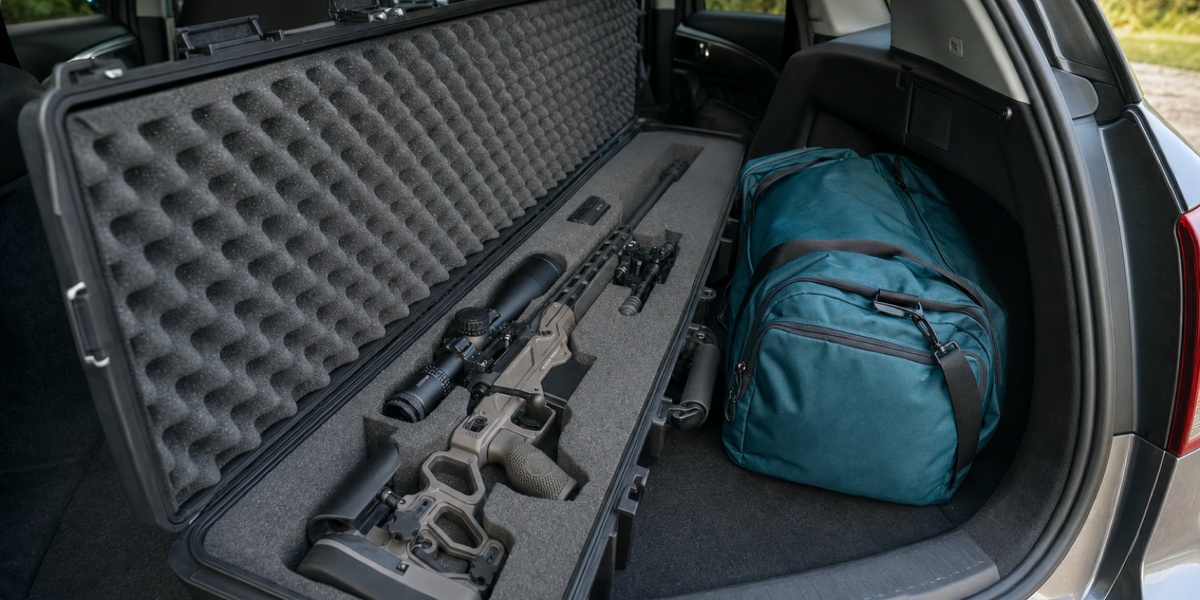
American travellers lost undeclared firearms at Ontario border crossings in August, according to a September 22 CTV News report. Charles Fisher, the CBSA's Northwestern Ontario district director, told the broadcaster that officers found the firearms during secondary vehicle examinations. The reported seizures included handguns and at least one rifle.
For a Canadian shooter inviting someone north for a match or a range visit, that report raises a useful planning question: whose rifle will the visitor use? Bringing one across the border and borrowing one after arrival involve different requirements. The answer belongs near the start of the invitation, alongside the date and the place to stay.
I tend to think about a shooting trip through the equipment first. Rifle, ammunition, the small things that are irritating to discover missing after the drive. Reading the visitor rules changes that order. Before discussing equipment, I would want to know whether the guest has a Canadian firearms licence and whether they intend to bring their own rifle. Those two answers determine much of the preparation.
One declaration, particular firearms
For an adult visitor bringing an eligible non-restricted firearm without a Canadian firearms licence, the entry document is the Non-Resident Firearm Declaration, RCMP 5589. The RCMP tells visitors to complete it ahead of arrival and leave the signature for the border officer to witness. The confirmation fee is C$25; the confirmed declaration acts as a temporary licence for up to 60 days.
That document covers the person who signs it and the firearms listed. The RCMP also says it allows ammunition purchases for those firearms. A visitor bringing more than two firearms needs continuation sheet RCMP 5590. A visitor who already has a valid Canadian PAL still has to declare the firearm, although the RCMP says the declaration form is unnecessary in that case. The current RCMP guidance sets out both routes.
The form itself rewards a little time at home. Its fields ask for the firearm's make, serial number, and gauge or calibre, alongside the visitor's identification and the place where the firearm will be located in Canada. The current version also asks about ammunition, separate cartridge magazines, and firearm parts. Having a rifle in the case does not answer those additional questions. The official form and information sheet show what the traveller must account for.
Eligibility comes ahead of the fee
CBSA lists competition and hunting during the applicable season among valid purposes for importing firearms. Its visitor guidance distinguishes non-restricted, restricted, and prohibited firearms. Visitors cannot import prohibited firearms, devices, or weapons. A rifle's familiar appearance or its availability at an American shop gives a Canadian host very little to work with when checking its Canadian status.
For an adult visitor bringing an eligible non-restricted sporting firearm, these are the entry requirements. Restricted firearms involve additional requirements, including an authorization to transport, and handgun imports have further restrictions. A guest planning to bring either needs to resolve that specific case through the current CBSA requirements.
Paying C$25 therefore comes after checking the actual firearm and the reason for bringing it. I would be comfortable helping a guest find the official information. I would be much less comfortable promising that a familiar model name settles the question. The useful host supplies a source link and enough time to act on it.
Borrowing changes the arrangement
A guest using a Canadian host's firearm has a different starting point. The RCMP says no licence is required for borrowing under the direct and immediate supervision of a licensed adult. Outside that arrangement, the visitor needs a PAL or a confirmed Non-resident Temporary Borrowing Licence for Non-restricted Firearms.
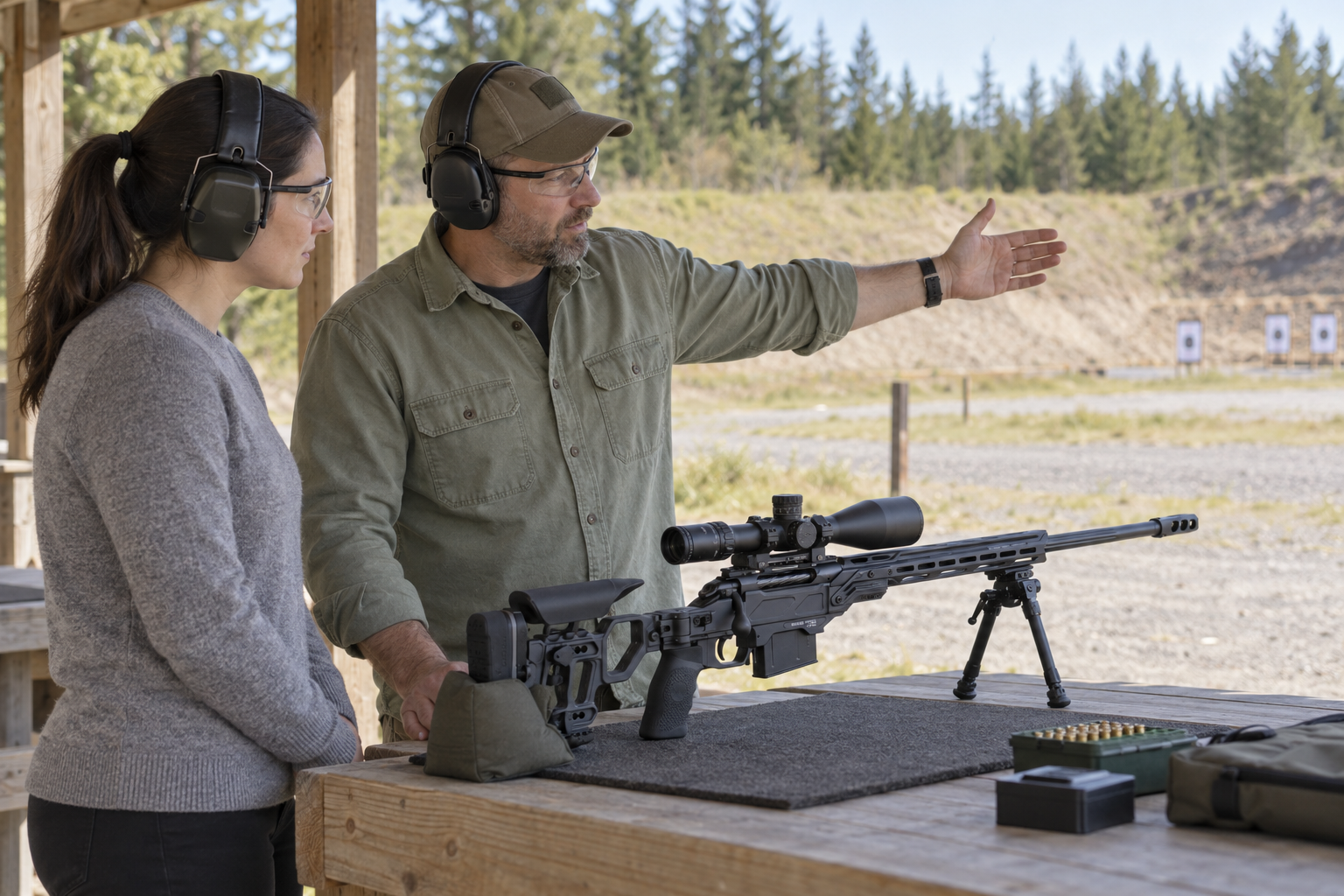
The temporary borrowing licence costs C$30, lasts 60 days, and requires a sponsor connected to the intended activity. The Non-Resident Firearm Declaration does not authorize borrowing. These distinctions appear together in the RCMP's borrowing guidance.
That gives a host and guest a concrete conversation to have. They can settle whose firearm is involved, who will be present, and what possession arrangement the visit requires. A casual offer to lend equipment leaves too much unstated. The useful detail is whether the host will provide the direct and immediate supervision described by the RCMP, or whether the visitor needs their own applicable licence.
At the booth
Fisher's interview describes travellers who declared firearms they could not bring in and were given an opportunity to take them back. CBSA's written policy preserves discretion: depending on the circumstances and available services, an officer may allow re-export or detain a declared firearm while the traveller supplies the correct documents. Undeclared firearms can be seized, with possible charges or monetary penalties.
That distinction matters when passing the advice along. Declaring the firearm gives the officer accurate information to work with. The eventual outcome still depends on the equipment, documents, and circumstances. A host should resist turning an officer's account of some encounters into a promise about the next one.
I want lawful visiting shooters to be able to take part in Canadian shooting sports without discovering the important distinction at a border booth. Sending the entry requirements with the invitation is a small, useful piece of hosting. Settle the firearm and the borrowing arrangement while everyone is still at home, with the actual documents open and time to correct the plan.
Sources
- CTV News Northern Ontario: Border agents seize guns from Americans at northern Ont. border crossings, September 22, 2026; accessed September 23.
- RCMP: Non-residents, current visitor and borrowing guidance, accessed September 23, 2026.
- RCMP: Non-Resident Firearm Declaration, form 5589, current form and information sheet, accessed September 23, 2026.
- CBSA: Firearms and weapons, Canadian border requirements, accessed September 23, 2026.
Keep the first PAL steps in order.
If this piece has you mapping the licence process, keep the official steps and follow-up notes together.
Use the Holdover PAL/RPAL First-Steps Checklist to keep the official forms, course booking, references, photo, fees, and follow-up notes in one place while you work through the process.
Safety note: the checklist is an orientation aid, not legal advice or a substitute for current RCMP/CFP/CFO guidance or instructor direction.