Your .22 barrel gets a *vote*
A current Canadian rimfire thread and a fresh PRS-rimfire push point to the same lesson for newer shooters: test the ammunition before blaming the rifle.

Opinion. Canadian rimfire precision is having the sort of moment that should make new shooters careful with their first upgrade money.
The current signals are not hard to find. A Canadian retailer blog was pushing a fresh PRS Rimfire explainer this week. A Canadian Gun Nutz thread on 2026 rimfire PRS had a newer shooter asking where to start. NRL22 Canada is built around monthly local matches, and the Canadian Rimfire Precision Series describes beginner-friendly events with mentors, loaner equipment, and club-level support.
That is the good news. The door is open.
The trap is that a new shooter can walk through it with a researched rifle, a scope that already stretched the budget, and a brick of whatever .22 LR looked convenient at the counter. Then the groups wander, the shooter blames the wind, the rifle, the optic, and finally himself.
Sometimes the missing test is simpler than that. The barrel gets a vote.
The rimfire door is open
This is why rimfire is such a useful Canadian precision lane. It lowers the cost of being wrong.
Centre-fire precision can turn every mistake into powder, barrel life, travel, and a slightly haunted credit card statement. Rimfire still costs money, but it lets a shooter learn position, wind, follow-through, data, and humility without making every lesson feel like a mortgage clause.
I like centre-fire rifles enough to know the temptation. The big rifle feels like the serious answer. The better optic feels like the adult answer. The next bag, bipod, rail, trigger, tuner, or widget feels like the thing that will finally make the target stop being rude.
The target is usually ruder than that.
In rimfire, the cheap variable can be the important one. Not cheap as in worthless. Cheap as in accessible enough that a new shooter can test it before buying another piece of hardware.
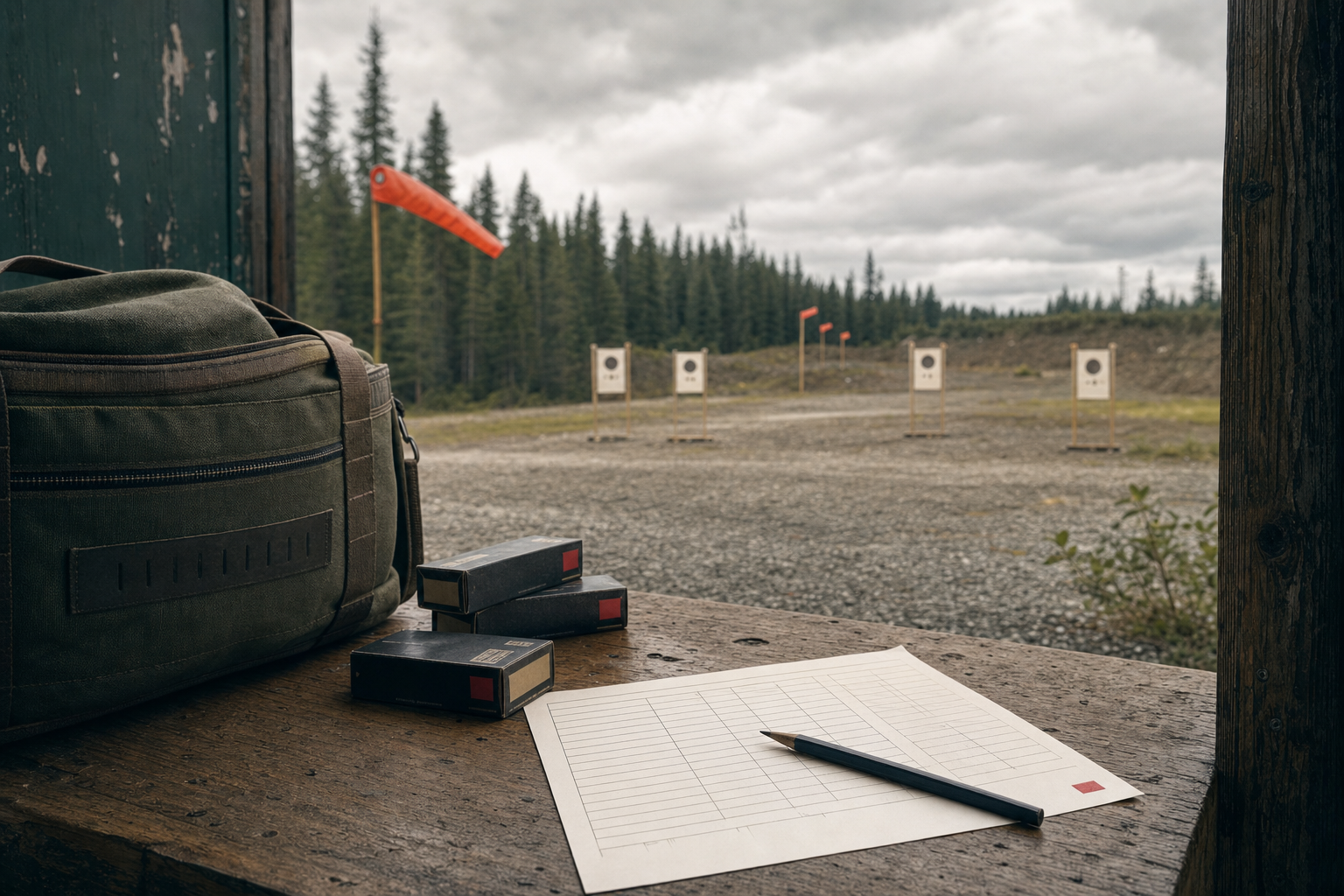
The barrel is the buyer
.22 LR is not handloading. That is the first useful boundary.
With a centre-fire cartridge, a handloader can change a long list of variables. Bullet. Powder charge. Seating depth. Case prep. Primer. Neck tension. The list gets long enough to make a normal person understand golf.
Rimfire does not give you that menu. The priming compound, case, bullet, powder, and assembly are fixed at the factory. Once the box is on the shelf, the shooter is not tuning the load. The shooter is choosing which finished load to feed the barrel.
That choice matters.
Lapua's own rimfire test-shooting process makes the point without folklore. Their service mounts a barreled action in a fixture, compares multiple lots, retests promising ones, and uses the results to pick a lot for that rifle. ELEY's lot analyser is built around the same basic reality: batch and lot performance are measurable, and every barrel has its preferences.
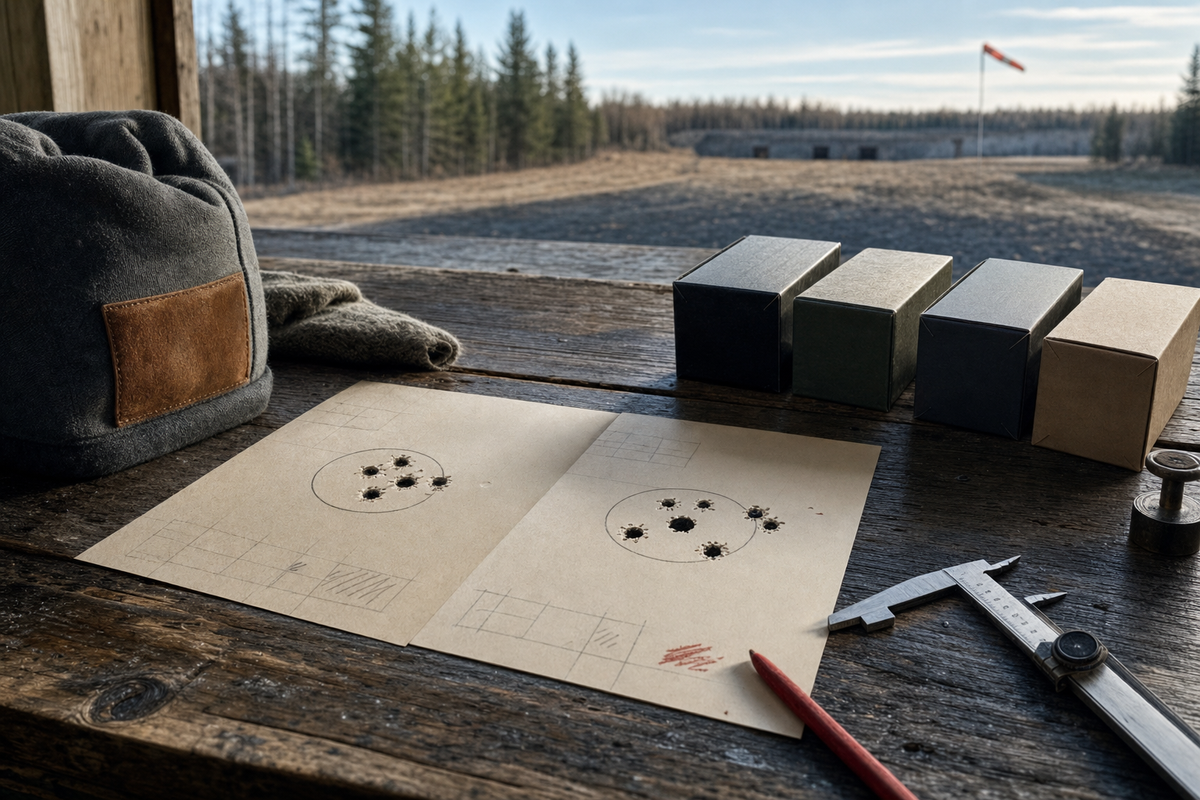
Most Canadian shooters are not shipping a barreled action to a test tunnel. That is fine. The lesson still lands at club level. Two boxes that look nearly identical on a retailer shelf can behave differently on paper. If one cuts the group and another opens it, the rifle just told you something useful.
Do not worship the miracle group
A sensible lot test does not need mysticism. It needs consistency and enough honesty to ignore the best fluke.
Pick a small spread of plausible ammunition. Include the affordable stuff you actually might practise with, a mid-tier option, and a true match line if the budget allows. Shoot them from the same position, on the same day, on paper, with the same rifle and the same shooter.
Then judge the average, not the tiny group you will emotionally carry around for three years.
Every shooter has a miracle group in him. The target should not get to vote only when it flatters us. If one lot repeatedly holds together and another repeatedly opens up, that is the information. Write down the lot number. If it clearly wins, buy more of that lot before it disappears into the Canadian retail weather.
This is not a brand religion. Lapua, ELEY, SK, CCI, Norma, RWS, and the rest all have rifles that love them and rifles that shrug. The useful answer is not "best .22 ammo." The useful answer is "best .22 ammo in this barrel."
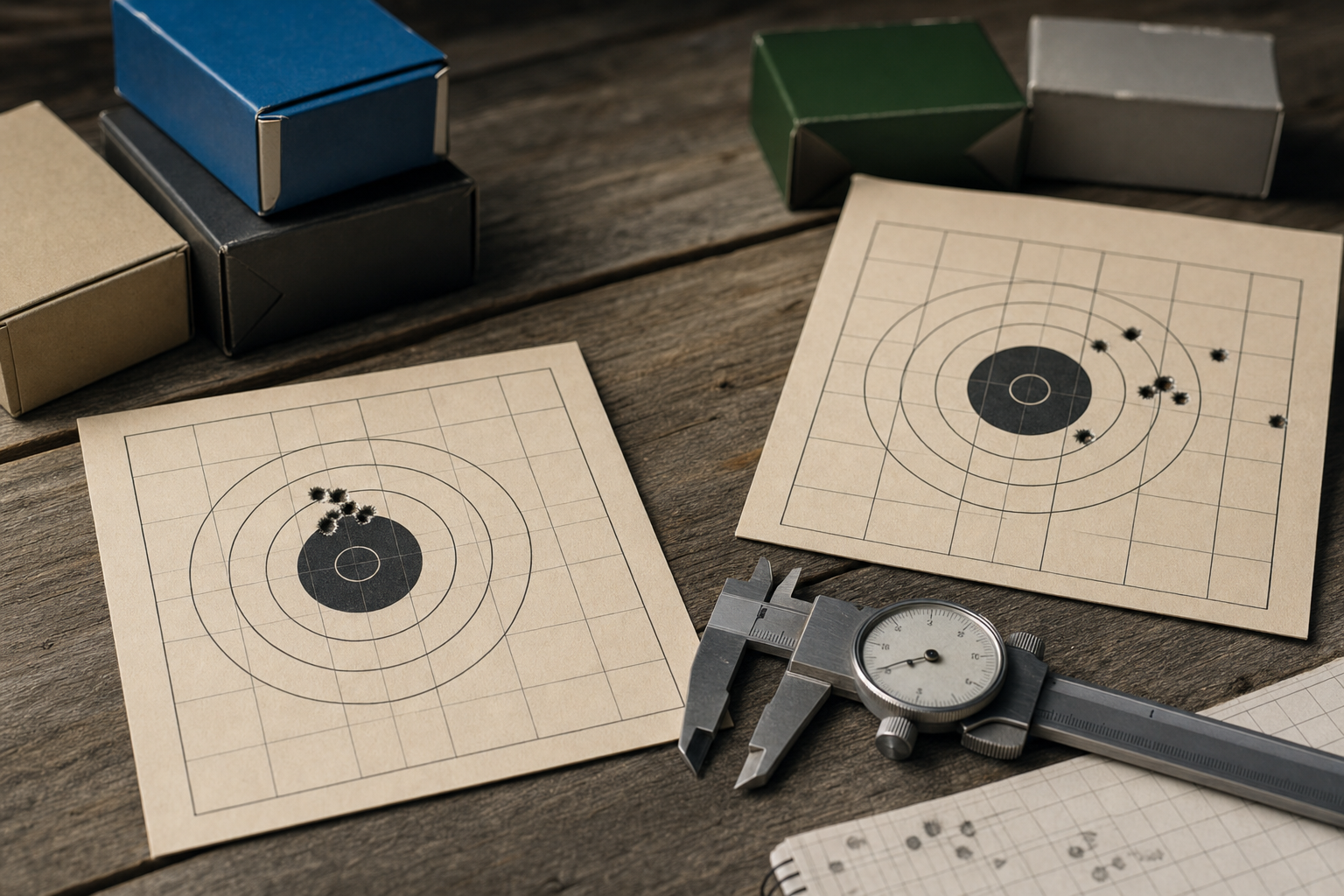
The upgrade can wait
New shooters often want the problem to be hardware because hardware gives the problem a receipt.
I understand that. A better rifle feels like progress. A better optic feels like commitment. Gear is easier to buy than patience, and it arrives in a box.
But if the rifle is basically sound, the scope holds zero, the mounts are tight, and the shooter is doing reasonable work, ammunition should get tested before the next upgrade goes into the cart. A modest rimfire rifle fed a lot it likes can embarrass a more expensive rifle fed whatever was convenient.
The barrel does not know what you paid. It knows what you put through it.
That is especially important for the newer Canadian shooter looking at NRL22, CRPS, ORPS, club rimfire steel, or a local paper match. Early progress comes from removing excuses. Pick a match. Show up. Keep notes. Test ammunition. Learn the wind. Let the rifle be ordinary long enough for the shooter to become less ordinary.
There is a quiet cultural point in that. Canadian firearms ownership is often discussed as if the object is the whole story. Rimfire precision shows the opposite. The serious part is not the drama of possession. It is the disciplined, repeatable habit of finding out what is true on paper.
Let the barrel answer
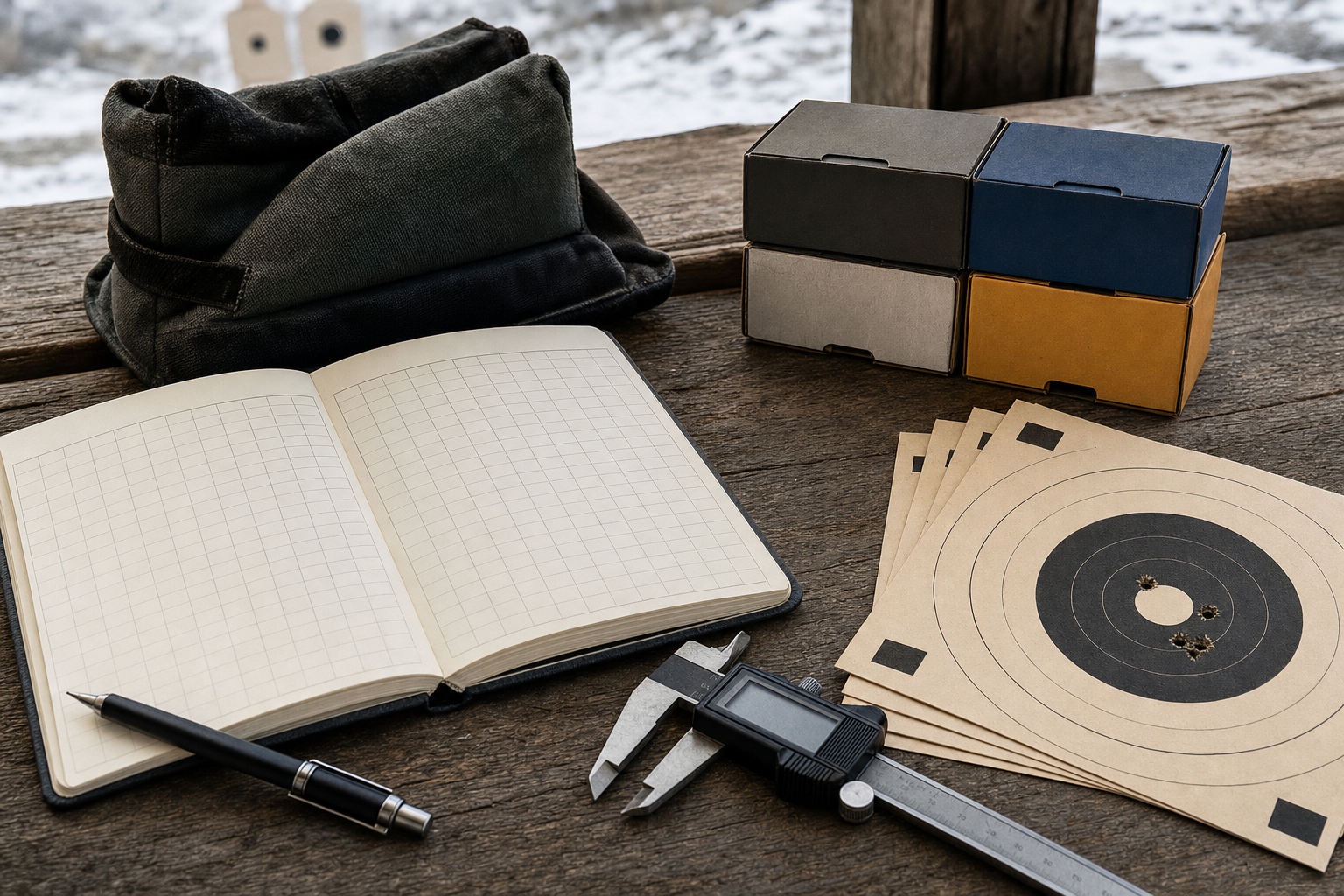
The first rimfire precision upgrade might be four boxes of ammunition and a notebook.
That is not as glamorous as a new rifle. It is also less likely to leave you blaming the wrong thing.
Let the barrel vote. Write down the result. Buy the lot that proved itself. Spend the saved money on match fees, fuel, and another morning where the target has fewer places to hide.
The target will tell you. It usually does.
Sources
- Victory Ridge Sports, current Canadian retailer blog index checked June 24, 2026: https://victoryridgesports.ca/
- Canadian Gun Nutz,
2026 Rimfire PRS - where to start: https://www.canadiangunnutz.com/forum/threads/2026-rimfire-prs-where-to-start.2578628/ - NRL22 Canada: https://nrl22canada.ca/
- Canadian Rimfire Precision Series: https://rimfireprecision.ca/
- Lapua,
Rimfire test shooting: https://www.lapua.com/support/rimfire-test-shooting/ - Lapua,
Rimfire ammunition: https://www.lapua.com/products/rimfire-ammunition/ - ELEY,
Find the perfect batch with ELEY's lot analyser: https://eley.co.uk/find-the-perfect-batch-with-eleys-lot-analyser/ - The Outdoor Wire,
ELEY Relaunches Industry-Leading Lot Analyser: https://theoutdoorwire.com/releases/af43be98-56e7-4556-835d-2f6d48548643/
Keep the range notes worth reading later.
If this piece has you thinking about range time, keep the notes useful enough to read later.
Use the Holdover Range Bench Log Card to record rifle, optic, ammunition, distance, weather, zero, group notes, correction, and next test without turning a range trip into a memory test.
Safety note: the card is a note-taking worksheet, not shooting instruction, load data, legal advice, or a substitute for range rules, official guidance, manufacturer manuals, or qualified instruction.