A reloading order needs a *calendar*
A current Canadian reloading supplier update is a useful beginner lesson: the bench starts before the press, with hours, proof, shipping, payment, and a plan.

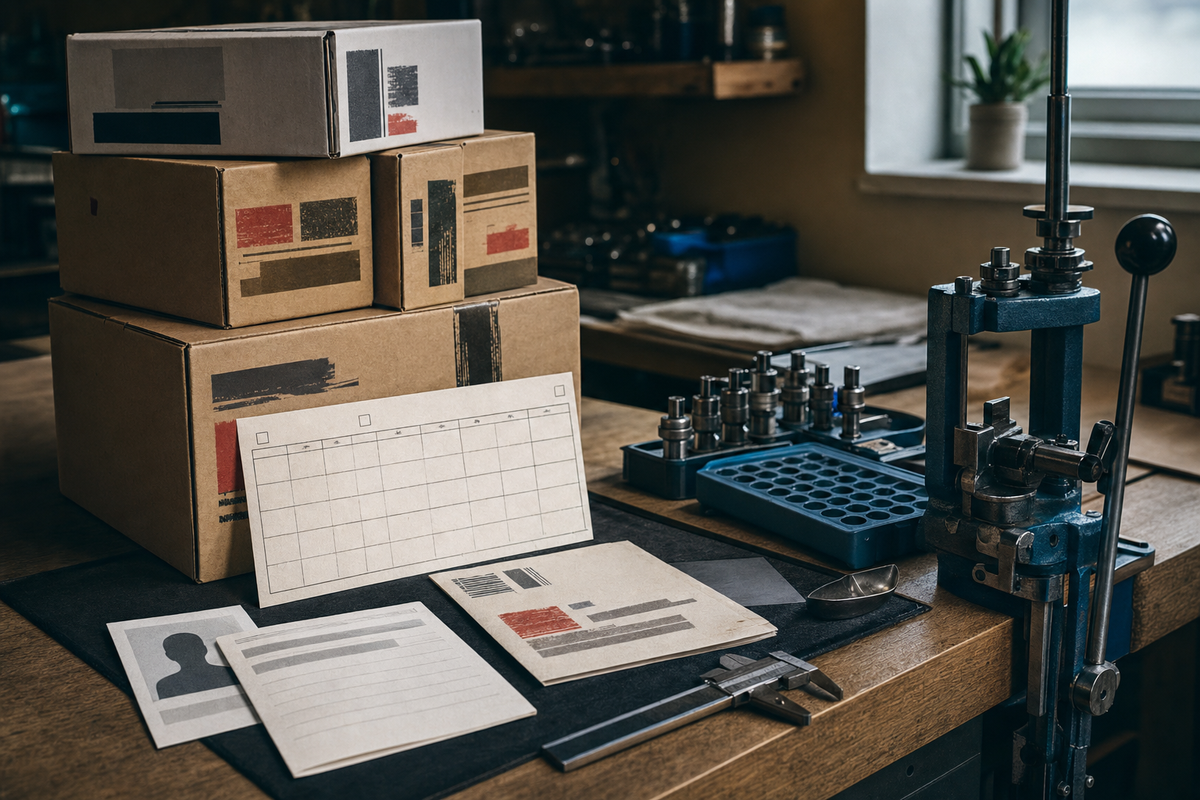
Opinion. The most useful Canadian reloading update this morning was not a miracle powder, a new press, or a forum argument with chronograph energy.
It was a small B.C. supplier reminding customers that summer has hours.
Budget Shooter Supply's home page carried a July 1 notice when I checked it: phone and pickup hours were reduced for summer, pickup outside those hours needed an appointment, the website stayed open, and special orders were closed for the season. The same site now lists Visa, Mastercard, and American Express as accepted payment options.
That may sound like retail housekeeping. For a new handloader, it is actually the lesson.
Reloading in Canada is not just a bench skill. It is a supply skill. The press, dies, scale, brass, bullets, powder, primers, manuals, proof, payment, shipping, and pickup window all have to live in the same plan.
The order has moving parts
The tempting version of handloading begins at the press. Bolt the thing down, pour the coffee, make ammunition, become the careful person who can say "case prep" without wincing.
The real version starts earlier and is much less romantic.
It starts with the supplier's stock. It starts with whether the product is regular inventory or a special order. It starts with payment, proof, shipping, and whether someone will be home to sign.
Budget's FAQ is a useful Canadian snapshot. It says the store does not ship to the United States because reloading components run into import and export restrictions. It says ammunition and smokeless-powder purchases need a valid PAL number and birthdate, or an account ID scan. It says shipping and handling depend on contents, weight, carrier, and location. It also says signature-required shipping is the store's blanket policy because many orders include things like powder or primers.
That is not a complaint. That is the operating environment.
If you are new, the mistake is thinking the order is finished when the cart looks right. In Canada, the cart is only one object in the room. The calendar, proof step, carrier, and bench all get a vote.
Ignore one and the press can sit there looking expensive and unemployed.

The shelf is not the system
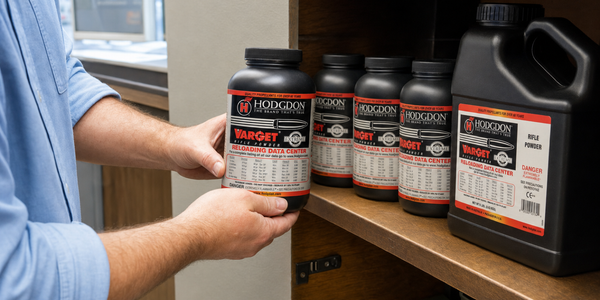
The Budget category pages show the normal reloading world: new brass, primers, rifle bullets, smokeless powder, precision-rifle components, tools, and the thousand small objects that make a bench feel both disciplined and unreasonable.
That is the part everyone likes to browse. I understand. Component shelves have a gravitational field.
The shelf is only one part of the system. A listed product does not solve a season. A powder existing somewhere on a website may not arrive before the weekend. A primer sleeve in stock today may be gone after two days of debating the shipping cost.
This is where newer handloaders can save themselves a lot of frustration. Stop treating components as one-off trophies. Treat them as continuity.
What cartridge are you actually supporting this year? What do you shoot often enough to justify keeping it fed? Which bullet, powder, brass, and primer combination is realistic in Canada, not merely popular in an American forum thread?
The smaller the plan, the better it gets. One cartridge with components, notes, labels, manuals, and enough supply to test honestly is more useful than six ambitions and one lonely primer box.
The shipping label matters
Canadian shooters already know paperwork is part of the hobby. Handloading adds another version of the same truth: logistics belong to the bench.
If a package needs a signature, the shipping label is part of the load plan. If the retailer's phone window is shorter for summer, the calendar is part of the plan. If special orders are paused, the wish list is not a plan. If a PAL number and birthdate are needed, the account setup is part of the plan.
This is not a call to panic-buy. Panic is just bad bookkeeping with a louder pulse.
It is a call to build a bench calendar. Put the unglamorous steps on it. Order before the last sleeve is gone. Leave room for shipping. Assume the store is a real small business with hours, staff, inventory controls, and more customers than just you. Keep the order record. Label the incoming components.
None of that is as satisfying as buying another tool. It is also the part that keeps the tool useful.
Small suppliers are infrastructure
The bigger lesson is cultural.
Canadian firearms owners often talk about law, bans, classification, and politics because those things keep kicking the door. Fair enough. But lawful shooting culture also depends on quieter infrastructure: clubs, instructors, gunsmiths, component suppliers, shipping counters, volunteer match directors, and the small retailers who keep odd shelves alive.
A supplier posting reduced summer admin hours is not a national drama. It is a reminder that the system is human-sized.
That matters. A new handloader sees the big objects first: press, powder measure, tumbler, trimmer, dies, brass. The hidden object is the chain that puts components on the bench without turning every range plan into an emergency. That chain includes people answering phones, packing orders, checking proof, managing carrier rules, and saying no to special orders for a season because small shops have limits.
The mature response is to plan earlier.
That is also good advocacy, although it does not look like advocacy from a distance. Responsible ownership is partly visible in how people buy, store, track, and use what they are allowed to buy. A handloader who knows what is in the cart, why it is there, where it is going, and what record follows it is an adult operating inside a regulated system.
Canada could stand to notice the difference more often.
Build the bench calendar
Here is the practical version for the newer handloader.
Pick one cartridge to support properly. Keep current manuals beside the bench. Decide what components are actually part of that cartridge's plan. Set reorder points that are boring, not heroic. Keep the retailer account clean. Have the proof ready where the retailer asks for it. Order with enough time for ordinary shipping. Be home for the signature or choose a pickup plan that does not depend on wishful thinking.
Then label everything when it arrives.
Labels help a future version of you avoid becoming a forum cautionary tale. Calendar notes keep the bench useful when summer hours, carrier rules, backorders, and special-order windows all decide to become part of the sport.
The press is still important. The dies still matter. The scale, calipers, trimmer, brass, bullets, powder, and primers all matter.
But a Canadian reloading order starts before the handle moves.
It starts with a supplier's real hours, a realistic cart, proof ready to go, shipping that will actually work, and a bench plan that knows what the order is for.
A reloading order needs a calendar before it needs another browser tab.
Sources
- Budget Shooter Supply, home page: https://budgetshootersupply.ca/
- Budget Shooter Supply, FAQ: https://budgetshootersupply.ca/faqs/
- Budget Shooter Supply, Rifle/Pistol Reloading Components: https://budgetshootersupply.ca/product-category/rifle-pistol-reloading-components/
- Canadian Gun Nutz, current forum index used for source-pool scan: https://www.canadiangunnutz.com/forum/
Set up the bench before the first mistake.
If this piece has you thinking about a first reloading bench, slow the buying part down and make the safety/process part visible.
Use the Holdover Reloading Bench Setup Checklist to track manuals, press, dies, scale, calipers, case prep, labels, storage, bench layout, safety routine, and what still needs an experienced second look.
Safety note: the checklist does not provide load data, recommend charge weights, teach reloading, or replace current published manuals, manufacturer instructions, qualified instruction, or applicable law.