April 2027: *registration* for powder shops without explosives licences
From April 1, 2027, powder retailers without an explosives licence need an NRCan registration number. The new rules also change buyer checks and packaging duties.

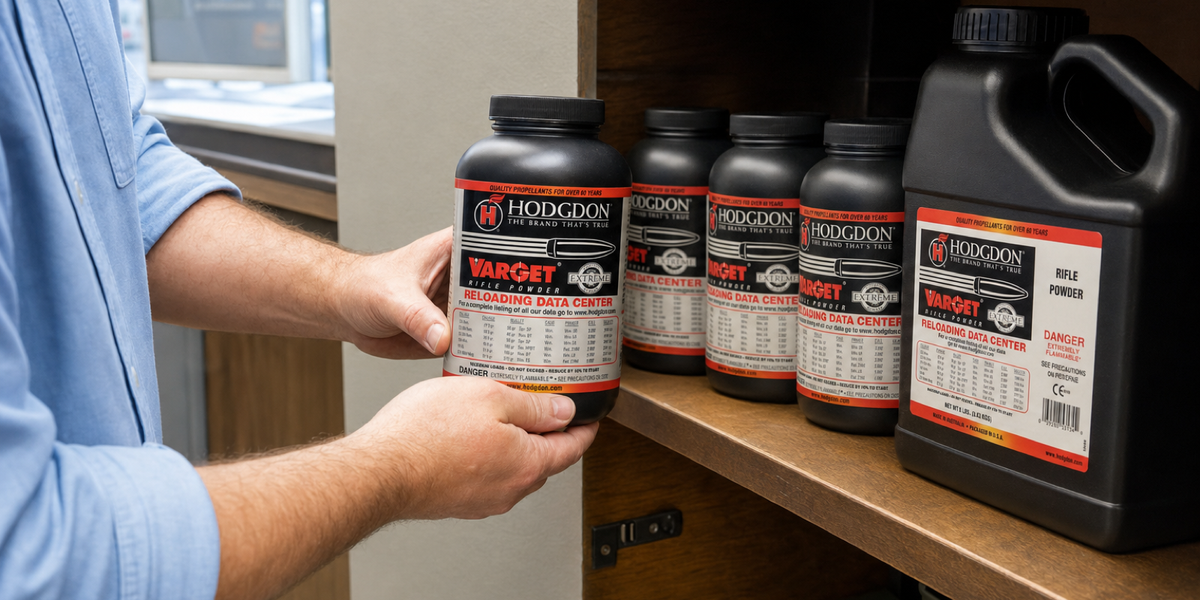
Powder shops that operate without an explosives licence have a new deadline: April 1, 2027. From that date, they need a registration number from Natural Resources Canada to acquire, store and sell propellant powder. That is the part of Ottawa's latest explosives rewrite I would ask my retailer about.
The final regulations, SOR/2026-206, appeared in the Canada Gazette on October 21. They cover a large stretch of the explosives business, from blasting to rocket motors. For handloaders, the useful reading is narrower: the shop's registration, the buyer's credential check, and the container on the bench. Each has its own timetable.
My handloading setup includes dedicated humidity-controlled storage for powder and primers. Keeping components organized is part of the work. So is understanding how they reach the shop in the first place. A new step between distributor and retailer deserves attention before anyone discovers it while trying to replenish stock.
The number belongs to the retailer
Under the existing section 290, a retailer without an explosives licence must send the Chief Inspector of Explosives a written notice before starting powder sales. The replacement section substitutes registration. The application identifies the retailer, each storage or sales location, and a contact for each location.
The number remains valid while the retailer stores and sells powder. A retailer that stops selling must notify the Chief Inspector so the registration can be cancelled. The text provides continuity rather than an annual application cycle. It also distinguishes a shop's explosives licence from the firearms credentials its staff or business may hold.
NRCan's accompanying analysis explains why it wants a different system: compliance with the old notice requirement has been low despite outreach. The department wants the distributor relationship to help close that gap. It describes registration as a small change from the existing notice duty, designed to avoid excessive fees and yearly applications. That explanation supplies the government's rationale; the regulation supplies the actual obligations.
The implementation should accommodate small shops. Seventeen commenters raised concerns about electronic enrolment. NRCan's response says people unable to access a computer can still mail information for staff to enter into the system. A retailer should be able to establish its route well ahead of April.
What the distributor has to check
From April 1, 2027, new section 294.1 sets out the credentials a distributor must obtain before selling powder to a retailer. Its alternatives include a pyrotechnician certificate, a firearms business licence, a PAL issued to someone at least 18, or a registration number for an unlicensed retailer. Read those alternatives alongside section 290's specific registration duty for retailers without an explosives licence.
From April 1, new section 295.1 also requires distributors to retain retailer-sale records for at least two years. The record identifies the applicable licence or certificate, an unlicensed retailer's registration number, the powder type and product name, quantity, and sale date.
These provisions concern the shop's acquisition of stock. Retail buyers should understand whose number is being discussed when the April change comes up at the counter.
The buyer's April change
Today's section 294 combines the listed buying credential with identity-document requirements and a photograph comparison when photographic identification is provided. Its replacement takes effect on April 1. For a user buying powder, it lists a valid licence under the Firearms Act or a valid pyrotechnician certificate. It separately covers purchases for public service agencies.
The replacement omits the current identity-document paragraphs. The published analysis gives no explanation for that deletion. I would keep the reading that narrow: the statutory wording changes in April. It does not establish how every shop handles identification today.
Retailers still keep the powder-sale record required by section 295 for two years. That includes the buyer's name and credential number, product, container size, quantity, and date. October's reorganization of the credential-number paragraph leaves that basic record in place. Our earlier eight-pound-jug article covers the separate household quantity question.
The container rule already in force
New section 305.1 applies to users from October 21. It sets conditions for reusing packaging or containers that held primers, black powder or smokeless powder: unchanged transport classification, contents arranged to minimize movement during transport, closure for transport in the same manner as first use, no increase over the original contents' mass, and sound packaging without damage, contamination or reduced strength.
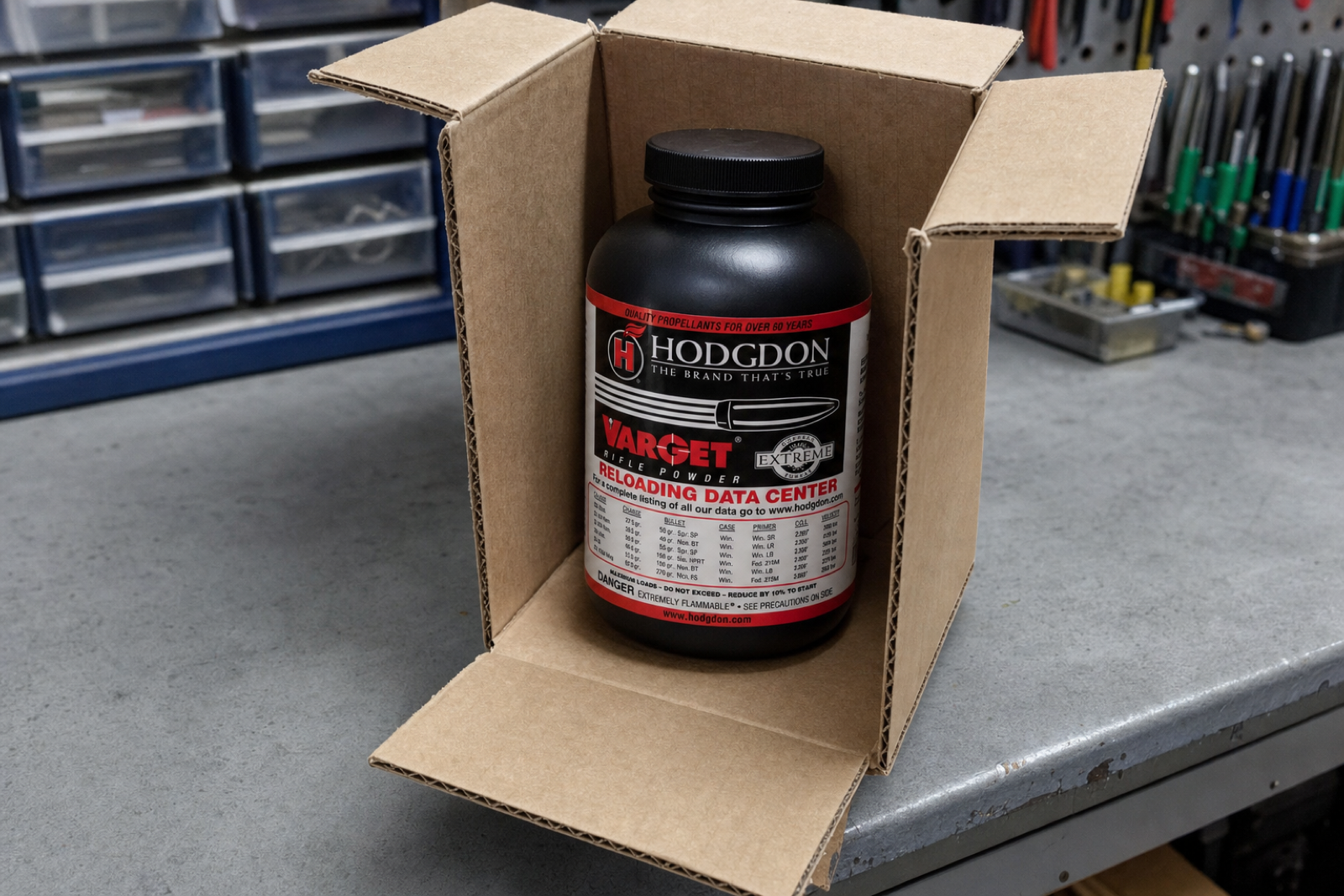
Read that alongside section 299, which continues to require smokeless powder in its original container or in loaded cartridges, and primers in their original packaging. The new reuse conditions leave those storage duties in place. Section 302's dwelling limits also continue. The practical distinction is between a new packaging obligation and the existing rules governing the components you store.
Where I land
Opinion. A registration tied to the duration of a retailer's powder business is a manageable design on paper. NRCan also has a reasonable interest in knowing where powder is sold. Its own account of low notice compliance makes clear communication the immediate job.
Licensed owners depend on a functioning legal supply chain. Small retailers deserve instructions they can act on, and distributors need a clear way to confirm accounts before the deadline. NRCan's smokeless-powder guidance, checked for this article, still describes the written-notice route. That remains useful context for today's rule; the final Gazette establishes April's change.
I would ask my powder shop how it plans to handle the new registration and distributor checks. The sensible time for that conversation is while there is still time to sort out the paperwork.
Keep the component side of your bench organized with the Reloading Bench Setup Checklist, available through The Dispatch.
Sources
- Canada Gazette, Part II: SOR/2026-206, published October 21, 2026, including amendments 91-95, commencement and the Regulatory Impact Analysis Statement
- Explosives Regulations, 2013: Justice consolidation, current to September 30, 2026, read as the pre-amendment baseline
- NRCan: buying, selling and storing smokeless powder, current posted guidance checked October 22
- Canada Gazette, Part II: October 21, 2026 table of contents
- Holdover: In an apartment, an eight-pound jug leaves three pounds