5.56 Commercial: a *public standard* with a precise boundary
SAAMI has accepted 5.56 Commercial. Its pressure and velocity figures come with chamber limits that Canadian .223 owners still need to read.

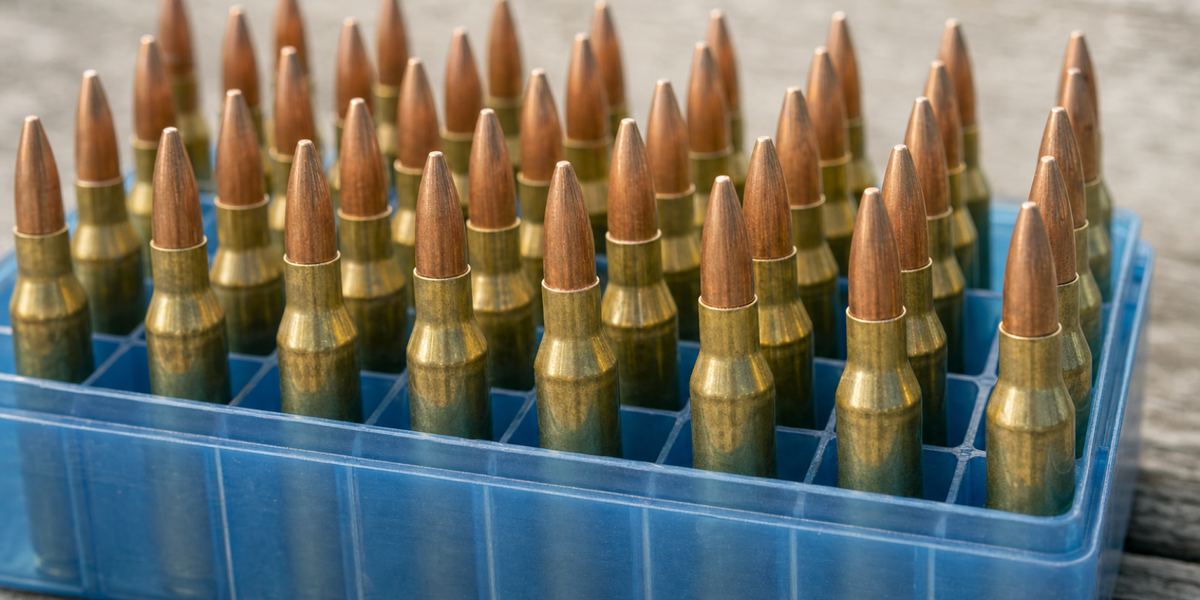
SAAMI announced a new 5.56 Commercial standard on October 12, with a 55-grain bullet at 3,400 fps and a Maximum Average Pressure of 62,000 psi. Canadian shooters now have another designation to recognize when they read an ammunition listing or ask about a rifle's chamber.
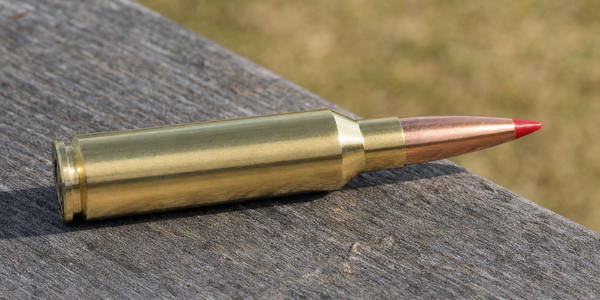
The useful part is how carefully SAAMI defines the scope. Hornady introduced the cartridge for standardization. SAAMI published a commercial chamber and ammunition specification, accompanied by an explicit reminder that a rifle marked only .223 Remington retains its existing ammunition restriction.
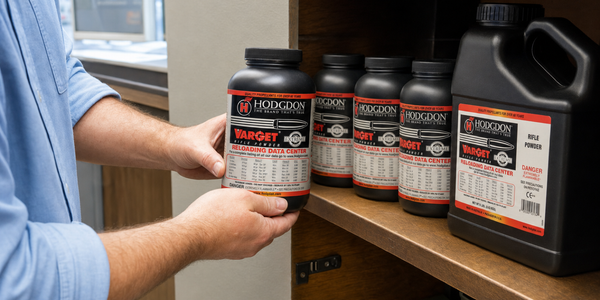
I keep .223 Remington and 5.56 NATO factory ammunition alongside a rather more involved handloading habit. Familiar names can make the small print feel optional. Handloading cures some of that confidence: a cartridge designation belongs with the information that supports it, however similar the brass looks across the bench.
This announcement deserves that same reading. The standard gives manufacturers a public reference and owners a more precise question to ask. It also describes the limits of the answer.
A public specification for commercial use
The full name is 5.56 Commercial; the accepted abbreviation is 5.56 COMM. SAAMI says the specification uses the procedures and equipment in its Z299.4 centre-fire rifle standard.
That gives manufacturers a common description of the cartridge, chamber and testing arrangement. Consistent technical information helps the company making ammunition and the company making the firearm work from the same reference. A buyer can then follow a claim back to a published specification rather than trying to settle it through a photograph of two rounds.
SAAMI's new-drawings index lists 5.56 Commercial among accepted designs awaiting incorporation into the next revision of the relevant standard. There are three pages in the introduction package: a compatibility notice, a cartridge-and-chamber drawing, and a velocity-and-pressure test-barrel drawing.
The dates tell a small part of the story. The cover says June 22, 2026; the drawings say June 9. October 12 is the announcement date. Reading an older date on the drawing therefore does not invalidate the new announcement, and reading the announcement does not make every technical page an October document.
The numbers belong to a test specification
The package lists 62,000 psi as Maximum Average Pressure, usually shortened to MAP. That is the standard's pressure limit under its specified test procedures. The 55-grain, 3,400-fps figure is an instrumental-velocity specification. The drawn test barrel is 20 inches long.
Those details give the headline number somewhere to stand. They tell a reader which test procedures and barrel define the reference, rather than promising a chronograph result from whichever barrel happens to be in the range bag.
For a Canadian handloader, the useful response is to keep each number attached to its purpose. SAAMI's standards page explains that its information serves commercial manufacturers and directs loading-specific questions to reloading manuals, propellant manufacturers and other specialists. The introduction supplies no powder-charge recipe.
I want a clear source beside a velocity claim. A large number without its test conditions leaves me doing the manufacturer's homework, which is an odd perk to include with an ammunition purchase.
The answer stays with the chamber
SAAMI leaves the .223 Remington-only boundary explicit: use .223 Remington ammunition in a firearm chambered and marked only for .223 Remington. Its notice includes 5.56 Commercial in the 5.56 ammunition combinations it describes as producing increased pressure and being unsafe in that chamber.
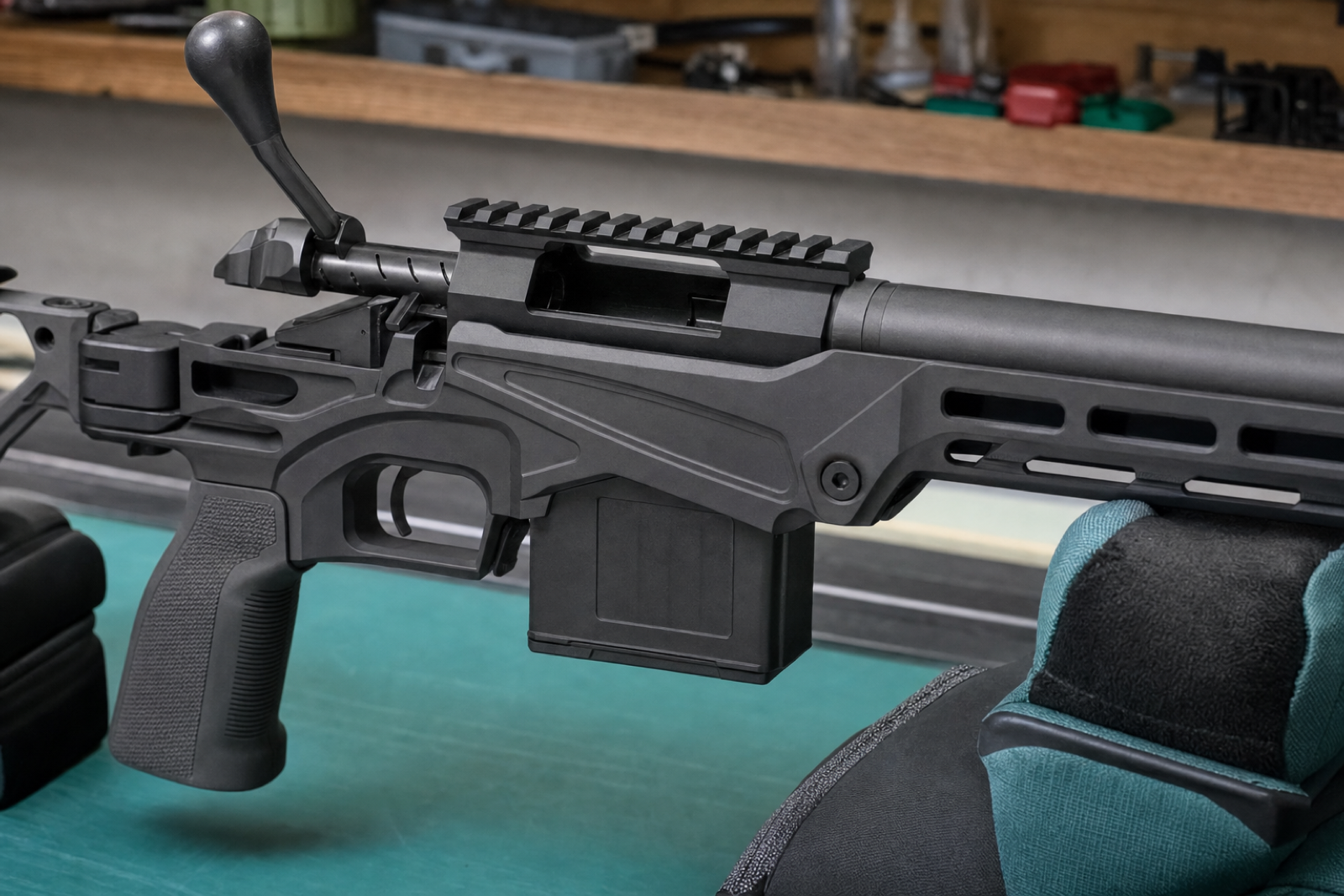
The existing SAAMI FAQ gives the mechanical reason for the longstanding .223/5.56 distinction: a .223 chamber has a shorter throat into the rifling. A similar cartridge outline cannot establish that the chamber has the clearance or specification required for another designation.
The FAQ also addresses .223 ammunition in a military-specification 5.56 chamber, while recommending manufacturer guidance for the many other 5.56 chamber geometries. The new commercial notice adds its own qualification: conformity to 5.56 COMM does not establish conformity to a military or NATO specification. SAAMI directs compatibility questions involving other firearm or ammunition markings to the relevant manufacturer.
A Canadian listing headed 5.56 NATO should therefore be read on its own terms. The new name gives you a document to include in the question; the maker still needs to answer for the firearm and ammunition you mean.
A Canadian listing proves a narrower fact
There is already a Canadian market for rifles sold under a 5.56 NATO designation. Our current source check found G4C's listing for Ruger American Rifle Generation II model 46919; Ruger's own model page also specifies 5.56 NATO. The dealer showed that particular listing out of stock when checked.
That example establishes how a familiar designation appears in Canadian buying research. Neither of those pages supplies a 5.56 Commercial compatibility statement. A catalogue entry for a NATO-marked rifle cannot do the work of the manufacturer's answer to this new specification.
SAAMI also makes the new marking voluntary. Firearm makers may use 5.56 Commercial or 5.56 COMM as a roll mark, and ammunition makers may use the designation on a headstamp, but acceptance does not require either practice. Owners will still need the product information behind the marking.
The announcement identifies Hornady's role in introducing the standard. It establishes no Canadian retail price or delivery date for a consumer product carrying the new designation. A new specification can precede the buying decision by quite a while.
The practical gain today is a better reference. Keep the complete cartridge name, read the chamber information and ask the manufacturer the specific compatibility question. I would rather carry one more document to the bench than borrow certainty from a familiar-looking piece of brass.
For further Canadian technical reporting and ownership context, The Dispatch is Holdover's free weekly roundup.
Sources
- SAAMI, acceptance announcement, October 12, 2026; checked October 14.
- SAAMI, 5.56 Commercial public introduction, cover June 22, drawings June 9, 2026; checked October 14.
- SAAMI, new and revised cartridge/chamber drawings, checked October 14.
- SAAMI FAQ, .223 Remington and 5.56 compatibility, checked October 14.
- SAAMI standards and handloading-information scope, checked October 14.
- G4C, Ruger American Gen II model 46919 Canadian listing, checked October 14.
- Ruger, model 46919 specification, checked October 14.
Set up the bench before the first mistake.
If this piece has you thinking about a first reloading bench, slow the buying part down and make the safety/process part visible.
Use the Holdover Reloading Bench Setup Checklist to track manuals, press, dies, scale, calipers, case prep, labels, storage, bench layout, safety routine, and what still needs an experienced second look.
Safety note: the checklist does not provide load data, recommend charge weights, teach reloading, or replace current published manuals, manufacturer instructions, qualified instruction, or applicable law.