After a grizzly killing, Alberta's *four-business-day clock*
Alberta's current grizzly investigations make one duty worth reading closely: a personal report and skull-and-skin delivery by the Service's fourth business day. The circumstances of a killing still require investigation.

Opinion
The grizzly found near Deep Valley Road on October 1 had been shot, dragged off the trail and left without its four paws. A day earlier, another bear had been found shot beside a road north of Swan Hills. Alberta Fish and Wildlife Enforcement Services is investigating both cases, according to its public appeals for Swan Hills and Deep Valley Road.
On October 11, the province told CBC News that officers were investigating four illegal grizzly killings at three locations, including two bears near Sundre in June. That is the province's account of ongoing investigations. The circumstances of the recent deaths still need establishing.
For hunters sharing that country this fall, one part of the law is already available to read. Alberta's Wildlife Regulation requires a person who kills a grizzly to report it and deliver its skull and skin. The deadline runs on the Service's business days, and the obligation reaches beyond somebody hunting under a grizzly management authorization.
I own a Cadex in .338 Lapua and a Browning in .300 Win Mag. I can lose a respectable amount of time comparing cartridges. The provincial authority to kill wildlife deserves at least as much attention as the cartridge capable of doing it. I write from Ottawa, with no Alberta bear encounter to offer. The useful contribution here is reading the clause people may need after a very bad day.
The Service's fourth business day
Section 130(4.1) of the current Wildlife Regulation places two duties on the person who killed the bear: personally submit a report to the Service and deliver the skull and skin to an appointed officer or wildlife guardian. Both are due by the end of the Service's fourth business day after the day of the killing.
Those business days matter. The wording gives a defined reporting deadline; it does not translate into a simple 96-hour countdown. Section 130(1) also excludes specified possession permits from the section. For an ordinary hunter, the relevant starting point is the duty just described, with arrangements made through the wildlife service.
A PAL, a suitable rifle and an ordinary hunting licence each answer their own question. Alberta's Wildlife Management Responder Network provides a separate, directed role for eligible people dealing with designated problem wildlife. Grizzly management authorizations have their own statutory conditions under section 53.1. Readers should keep that narrow authority distinct from their usual hunting permissions.
Reporting leaves the circumstances open
A report gives officers information and preserves access to the animal. Officers still have to establish what happened. Following the reporting clause does not settle whether the killing was justified or authorized, and the clause itself cannot answer a claim that somebody faced an immediate threat.
The same discipline belongs in coverage of the current investigations. Missing paws are a material fact reported about one bear. They give investigators something to examine. The published record cannot establish the killer's motive or an eventual trafficking charge from that detail alone.
The Wildlife Act provides serious consequences for offences involving the hunting of a grizzly: up to $100,000, two years' imprisonment, or both, under section 92. Those are maximum penalties after conviction. Section 101 separately specifies automatic recreational-licence cancellation and suspension for listed convictions; its table sets three years for hunting an endangered animal out of season. The applicable offence and circumstances matter throughout.
Licensed hunters have good reason to want a careful account of these files. An abandoned animal draws attention to everyone who carries a rifle in that country. Precision about what officers have found, and what remains an allegation, serves both wildlife protection and owners who follow the rules.
A camp can start the problem
An older Alberta file shows how a hunting camp can become part of the investigation. In November 2018 near Indian Graves, a grizzly fed at a meat pole holding deer carcasses. It returned later that evening, and two men shot it, according to the wildlife-enforcement account reported by The Canadian Press in November 2020.
They told other campers they had fired a warning shot. A witness later found the dead bear and gathered photographs and trail-camera evidence. Officers reported finding no grounds for self-defence. The case ended in combined fines of $22,000, conditional sentences and three-year hunting suspensions. Those were findings in that particular file, following an investigation.
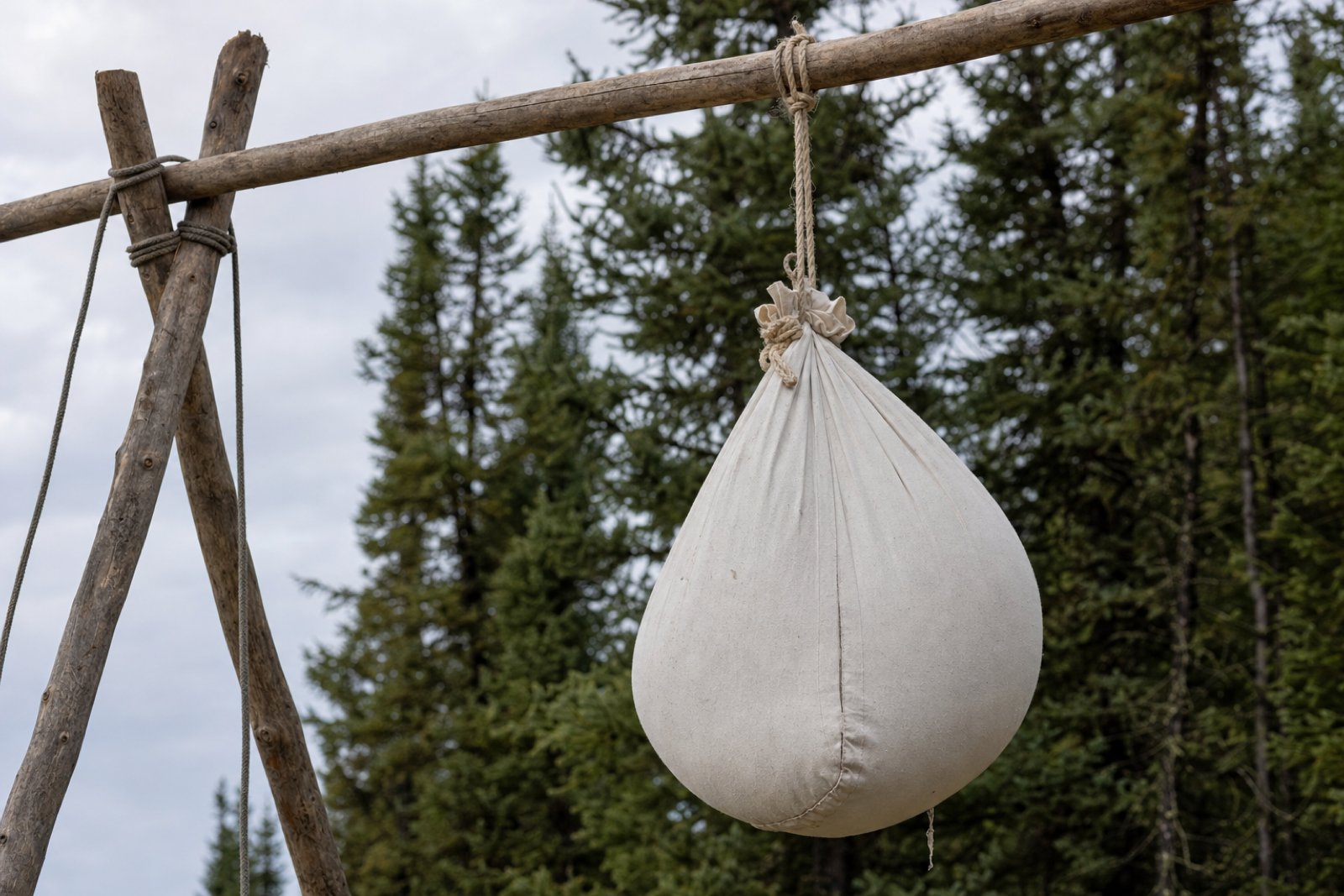
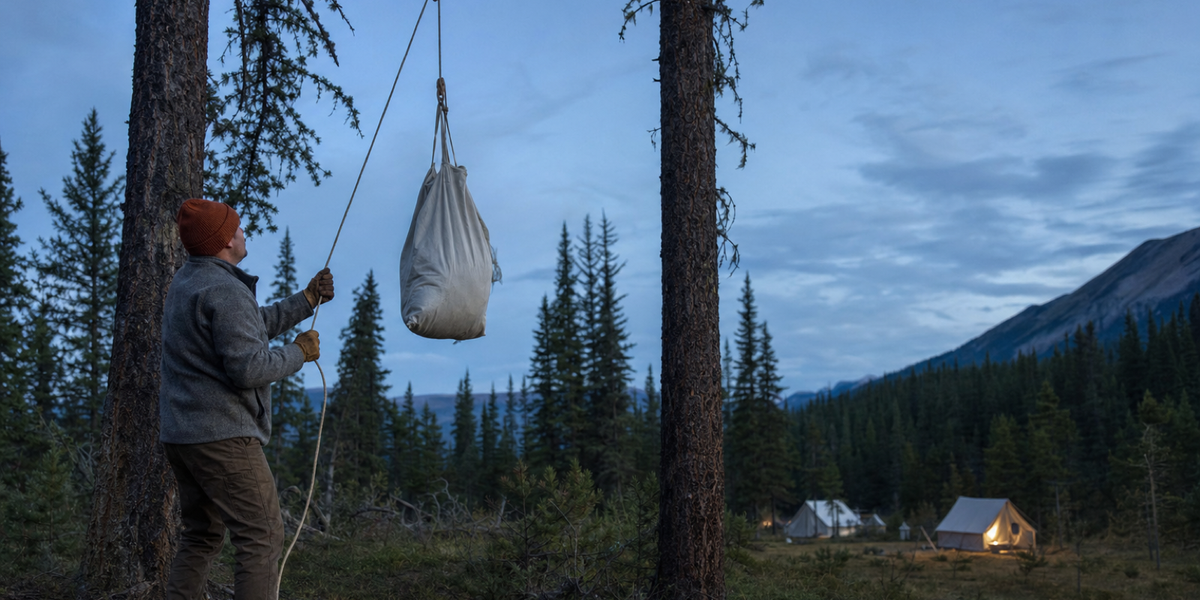
Alberta's current guidance for hunters recommends storing harvested animals at least 100 metres from camp. It also addresses food storage and the attraction of carcasses and gut piles. That guidance belongs in the same planning conversation as tent placement and getting meat out of the bush. A camp's attractants become part of its encounter risk long before anybody has a reporting deadline.
Hunters can supply the missing record
Hunters, outfitters and campers use the roads and clearings where an abandoned animal may turn up. Alberta's Report-A-Poacher service accepts anonymous reports, operates a 24-hour telephone line at 1-800-642-3800 and provides an online reporting route. A report may qualify for a reward; payment is conditional.
That gives a person with useful information a place to put it. It also gives clubs and hunter-education instructors a specific source to share when the latest headline leaves people guessing about obligations. For continuing Canadian ownership reporting, The Dispatch follows these practical questions alongside the policy files.
The current investigations need witnesses and evidence. If a grizzly dies at your hand, the reporting clause supplies a deadline and a delivery duty while the circumstances receive their own examination. A hunter who sees something on the drive out can start with the time, place and observation, and let officers build the rest of the record.
Sources
- Alberta Fish and Wildlife Enforcement Services, Swan Hills public appeal, independently read October 13, 2026.
- Alberta Fish and Wildlife Enforcement Services, Deep Valley Road public appeal, independently read October 13, 2026.
- Alberta Wildlife Regulation, AR 143/97, current consolidation, sections 130 and 53.1, checked October 13, 2026.
- Alberta Wildlife Act, RSA 2000, c W-10, current consolidation, sections 92 and 101, checked October 13, 2026.
- Government of Alberta, Wildlife Management Responder Network, checked October 13, 2026.
- Government of Alberta, Bears and hunters, checked October 13, 2026.
- Government of Alberta, Report-A-Poacher, checked October 13, 2026.
- CFWE, Alberta Fish and Wildlife investigating suspicious grizzly bear deaths, October 8, 2026.
- CBC News, Multiple grizzly bear poaching incidents under investigation in Alberta, October 11, 2026; original recovered and checked October 13.
- The Canadian Press via CBC, Two hunters fined $22,000 in an Alberta hunting-camp grizzly case, November 24, 2020.
Shortlist the rifle before the checkout page.
If this piece helped you narrow the rifle question, keep the tradeoffs visible before the next tab becomes a shopping cart.
Use the Holdover Rifle Cartridge Shortlist Card to compare use case, distance, recoil, ammunition availability, rifle fit, optics plan, budget, and what you will actually practice.
Safety note: the card is a planning worksheet, not buying advice, legal advice, hunting guidance, load data, or a substitute for current manufacturer, range, provincial, federal, or qualified-instructor guidance.