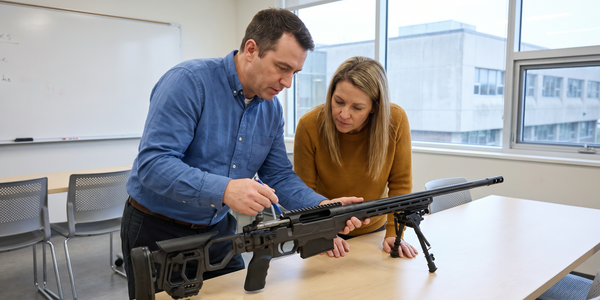
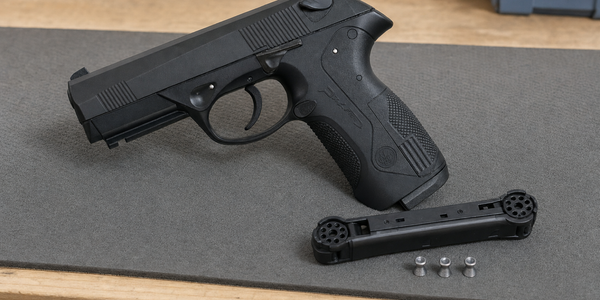
For a printed magazine, the *original design matters*
A Tumbler Ridge report describes a printed 35-round magazine. Canadian law already addresses prohibited magazines and manufacturing data, with conditions the debate needs to preserve.

Opinion
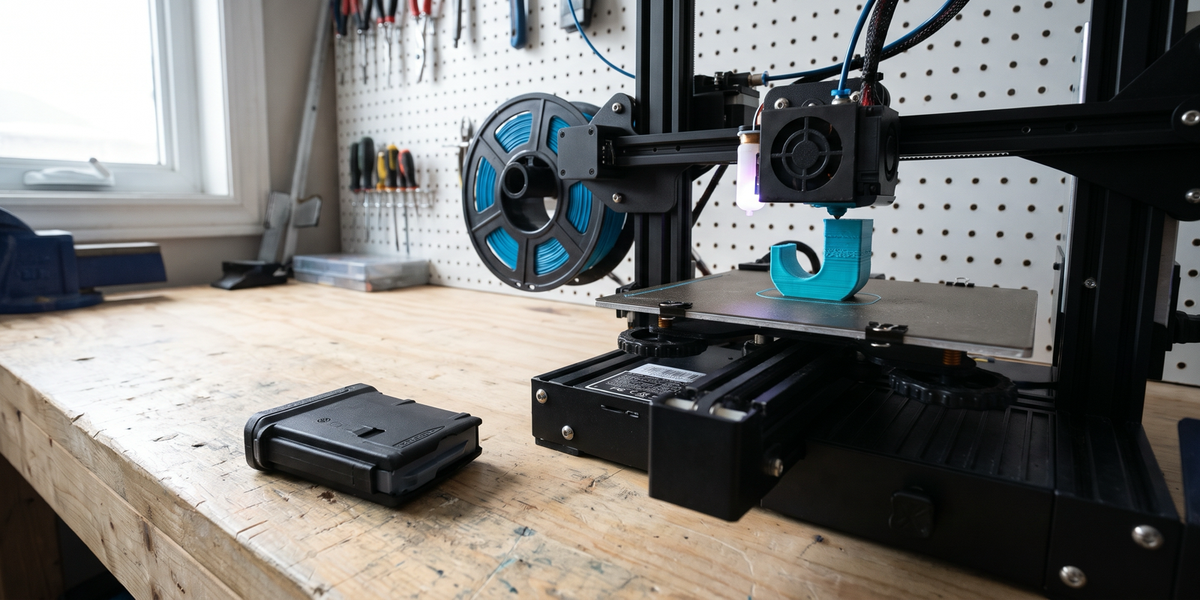
A Mother Jones investigation published November 19 describes the Tumbler Ridge shooter using ChatGPT while making a magazine with a 3D printer. Reporter Mark Follman says the shooter uploaded a photograph, claimed it held 35 rounds, and later sought help with a malfunction.
That account raises questions about AI companies and violence prevention. It also raises a more specific question for Canadian owners: how does existing law treat a printed magazine and the data used to manufacture it?
Parliament has already written offences for prohibited devices, unlawful manufacturing data, and magazine alteration. Their conditions deserve a careful reading before anyone treats a printer as a gap in the law. I want Ottawa to explain what additional intervention would accomplish, with evidence about the powers already available.
The report leaves important facts open
Follman attributes his account to chat-history material he reviewed and sources familiar with the matter. Holdover has not authenticated those records. His article also records OpenAI's denial of responsibility for violence by users and its stated commitment to public safety.
The account does not establish which firearm the reported magazine was designed for, its cartridge type, its working capacity, or whether anyone used it in the attack. Those facts matter to classification and to any assessment of what happened.
The political response needs the same precision. The Canadian Press reported on November 19 that departing B.C. attorney general Niki Sharma renewed her call for stronger AI regulation and AI-related Criminal Code changes. That is a demand for corporate accountability. A proposal to restrict ordinary printers would need its own justification.
A magazine's design comes before the headline number
Part 4, section 3 of the federal regulations sets the magazine rules. Broadly, most magazines designed for semi-automatic centre-fire long guns become prohibited devices above five cartridges of the type for which they were originally designed. For most magazines designed for semi-automatic handguns commonly available in Canada, the threshold is ten.
The regulation contains exceptions, including a rimfire exception to the five-round provision and specified historic designs. Handgun design can still matter to a rimfire magazine. The RCMP's current guidance explains that original design and ammunition type determine the limit; putting a magazine into a different firearm does not change its permitted capacity.
I own a surplus SKS with a magazine adapter. That makes the design distinction useful to me: the rifle accepting a magazine tells only part of the story. The magazine's own design remains relevant.
A reported 35-round capacity therefore needs context. A magazine exceeding the applicable limit for its design and cartridge type can be a prohibited device whether someone prints it or uses conventional manufacturing. The manufacturing method supplies no exemption. Determining the status of the particular object in this report still requires its actual characteristics.
The data offence reaches earlier than the finished object
Criminal Code section 102.1 addresses computer data capable of use with a 3D printer, metal milling machine, or similar system. Its subject is data relating to a firearm covered by the provision or a prohibited device.
For possession or access, the offence requires the purpose of manufacturing or trafficking the resulting firearm or prohibited device without lawful authority. The distribution provision addresses publishing, distributing, or making the data available while knowing it is intended for that unauthorized purpose.
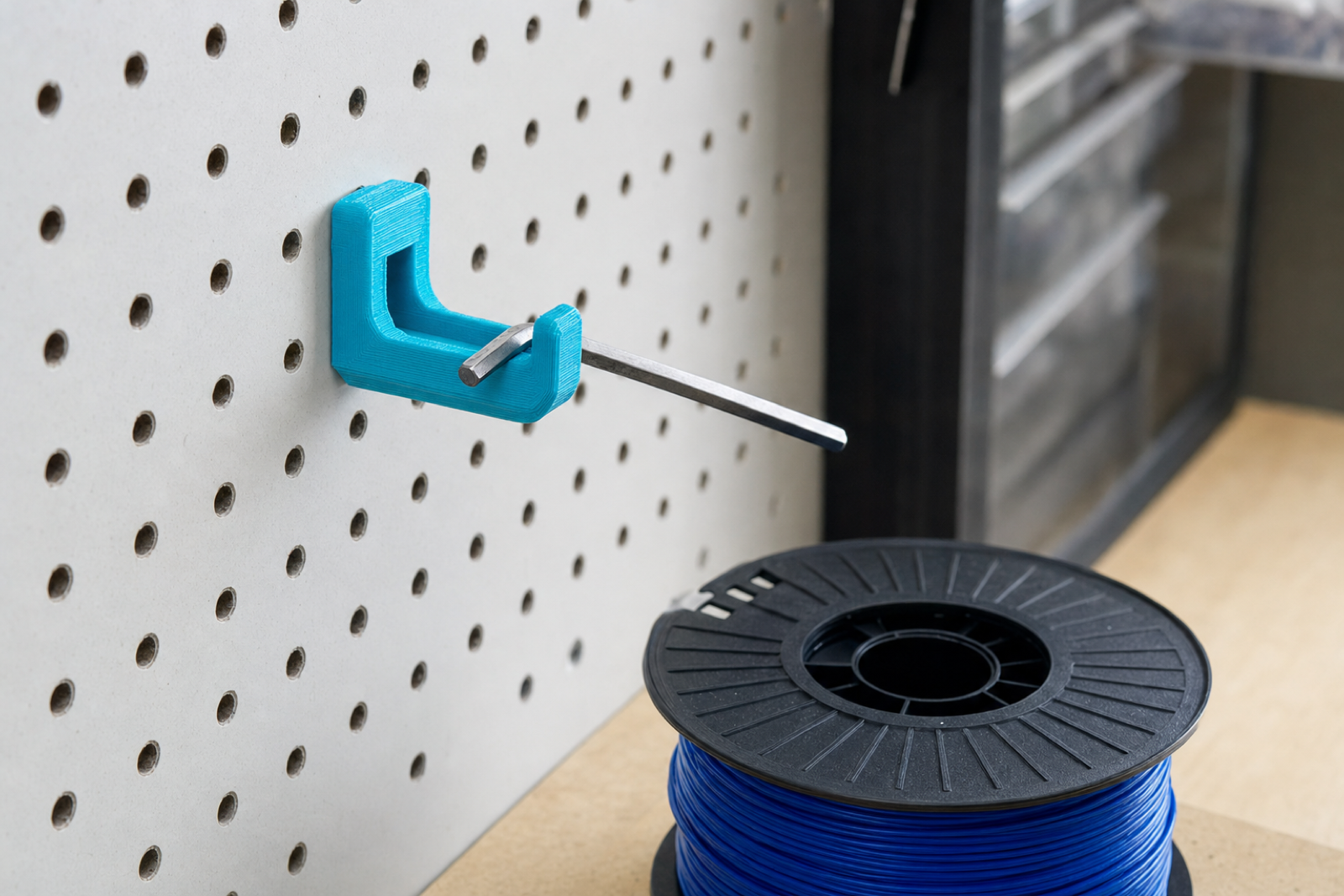
Those elements matter. The Crown would have to establish the relevant data, purpose, or knowledge, along with the other requirements of the applicable offence. A file for a simple workshop hook lacks the firearm or prohibited-device subject specified here. A firearm-related file still raises the purpose and knowledge requirements. Parliament chose to reach preparation before a finished object exists, while retaining conditions about the data and their intended use.
Other provisions address different conduct. Section 99 includes manufacturing a prohibited device while knowing the person lacks authority. Section 92(2) addresses knowing unauthorized possession, subject to its statutory exceptions. Section 104.1 makes it an offence, without lawful excuse, to alter a lawful cartridge magazine so it becomes a prohibited device.
Printing a new object and altering an existing magazine engage different factual questions. A serious discussion should identify the conduct and the provision rather than count possible offences from a headline.
Ask what an additional restriction would change
The strongest argument for further intervention is practical: files can spread, and home manufacturing can occur beyond conventional retail and import controls. Supporters can reasonably ask whether authorities need a better opportunity to intervene before someone produces an unlawful device. Existing prohibitions alone establish little about their effectiveness in preventing harm.
That argument deserves an answer grounded in how the current provisions work. Ottawa should publish offence-specific information about charges, outcomes, and enforcement difficulties under sections 102.1 and 104.1, with the period and limits of the data stated. Investigators can explain relevant findings when doing so respects active proceedings. Neither request requires anyone to guess how this particular magazine functioned.
If Ottawa proposes broader controls on printers or files, it should identify the conduct the current law fails to reach, explain how the proposal would address that gap, and show what it would require of lawful owners and hobbyists. A general promise of greater safety leaves those questions unanswered.
Holdover's earlier reading of the Seattle filing examined allegations about firearm access. This report adds a reason to examine another part of the law: the rules for manufacturing data and magazines. Both questions call for precise facts.
Lawful owners have good reason to support effective intervention against dangerous conduct. We also have good reason to ask legislators to demonstrate what another restriction would achieve before adding it to the rules we already follow.
Sources
- Mother Jones, November 19 investigation.
- The Canadian Press, November 19 response from Niki Sharma.
- Magazine regulations, Part 4, section 3.
- RCMP, maximum permitted magazine capacity.
- Criminal Code, section 102.1, section 104.1, section 99, and section 92.
The amnesty file is still moving.
If this piece sent you back to government pages, do not wait for the next portal, Gazette, or court move to find you by accident.
The Dispatch follows Public Safety, RCMP, Canada Gazette, court, compensation, collection, and amnesty updates so the next change comes with the source that moved.
Safety note: the tracker is a worksheet for source hygiene, not legal advice or a substitute for current official guidance.