Victoria told B.C. campuses they can refuse PAL courses *without reasons*
B.C. requires written approval for campus firearm safety courses. Its ministry told institutions they need neither approve nor explain. Organizers deserve a clear process.

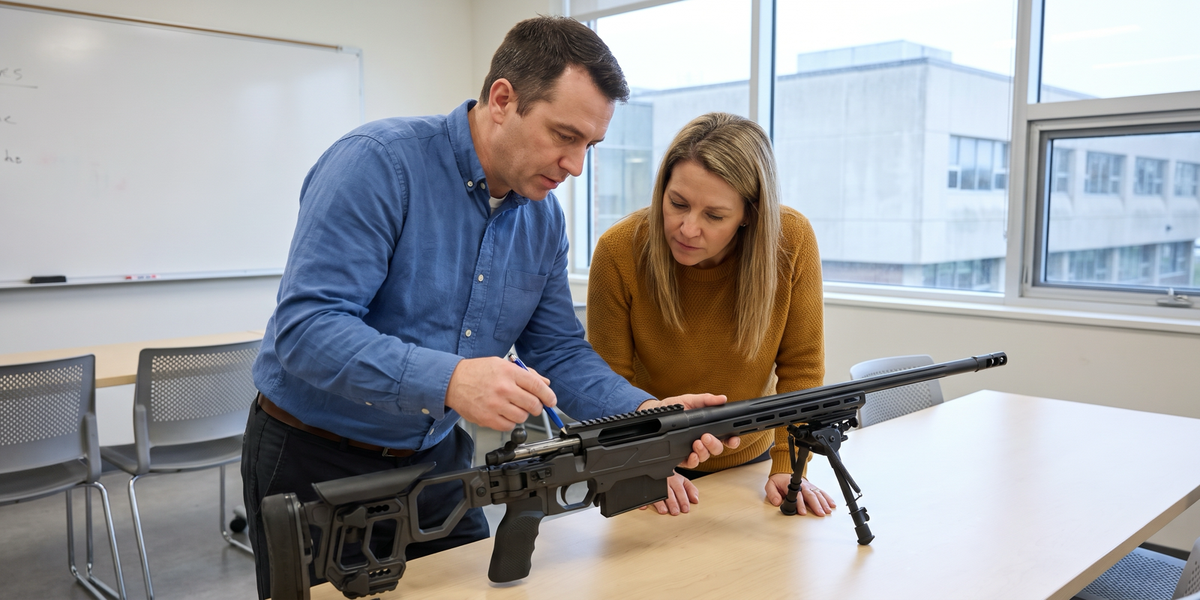
British Columbia requires written campus approval for the provincial exemption that lets an instructor bring firearms into a safety course. In July, its public-safety ministry told post-secondary institutions they could refuse that approval without explaining why.
Course access has now reached the new government's doorstep. In a November 20 account of a Vancouver firearms panel, Rebel News reported that BC Firearms Academy owner Eric Beer wanted action on provincial rules he said made campus courses harder to teach, including at UBC.
That report identifies an instructor's concern. It supplies no specific UBC booking request or refusal. The province's own documents do establish an approval system that leaves a practical question unanswered: how does a course organizer get a timely, explained decision?
What the course exemption requires
The Firearm Violence Prevention Act prohibits firearm and imitation-firearm possession on designated post-secondary property. Section 23 can extend that definition across an entire campus, rather than just the room where instruction happens. These provisions took effect October 1.
Sections 17 to 20 of the Designated Property Regulation provide an exemption for people providing or participating in a course respecting firearm safety or maintenance. A course required under the federal Firearms Act must have a chief-firearms-officer-designated instructor. Firearms must be unloaded, and any applicable federal licence, permit, or authorization requirements still apply.
The rules distinguish teaching from transport and storage. Transporting firearms on the property requires a locked, opaque container without ammunition. The course provisions prohibit carrying ammunition on the property. Storage is limited to the course provider and needs approval to store, along with the prescribed secure container arrangements.
For this exemption, section 17 also requires the institution's approval. Sections 5 and 6 make that approval written, allow an authorized employee or agent to give it, and permit stricter conditions that remain consistent with the legislation. An instructor can satisfy the course requirements and still need the campus's agreement.
The ministry's advice to campuses
The Ministry of Public Safety and Solicitor General spelled out its expectation in a July 23 notification letter, preserved on the College of Veterinarians of B.C. website. It names firearm training among the activities the exemptions accommodate. Then it says:
A post-secondary institution is under no obligation to approve or provide a rationale for its decision.
The letter encourages institutions to establish protocols for exemption requests. The regulation sets no response deadline or requirement to give reasons for a refusal under this course-approval route. That leaves an organizer dependent on whatever process the institution supplies.
A prospective student can understand a course date, a fee, and an exam. An instructor choosing a venue also needs to know where to send the application, what the campus needs to assess it, and when an answer should arrive. Publishing those details would help both sides handle the request.
Published courses, older policies
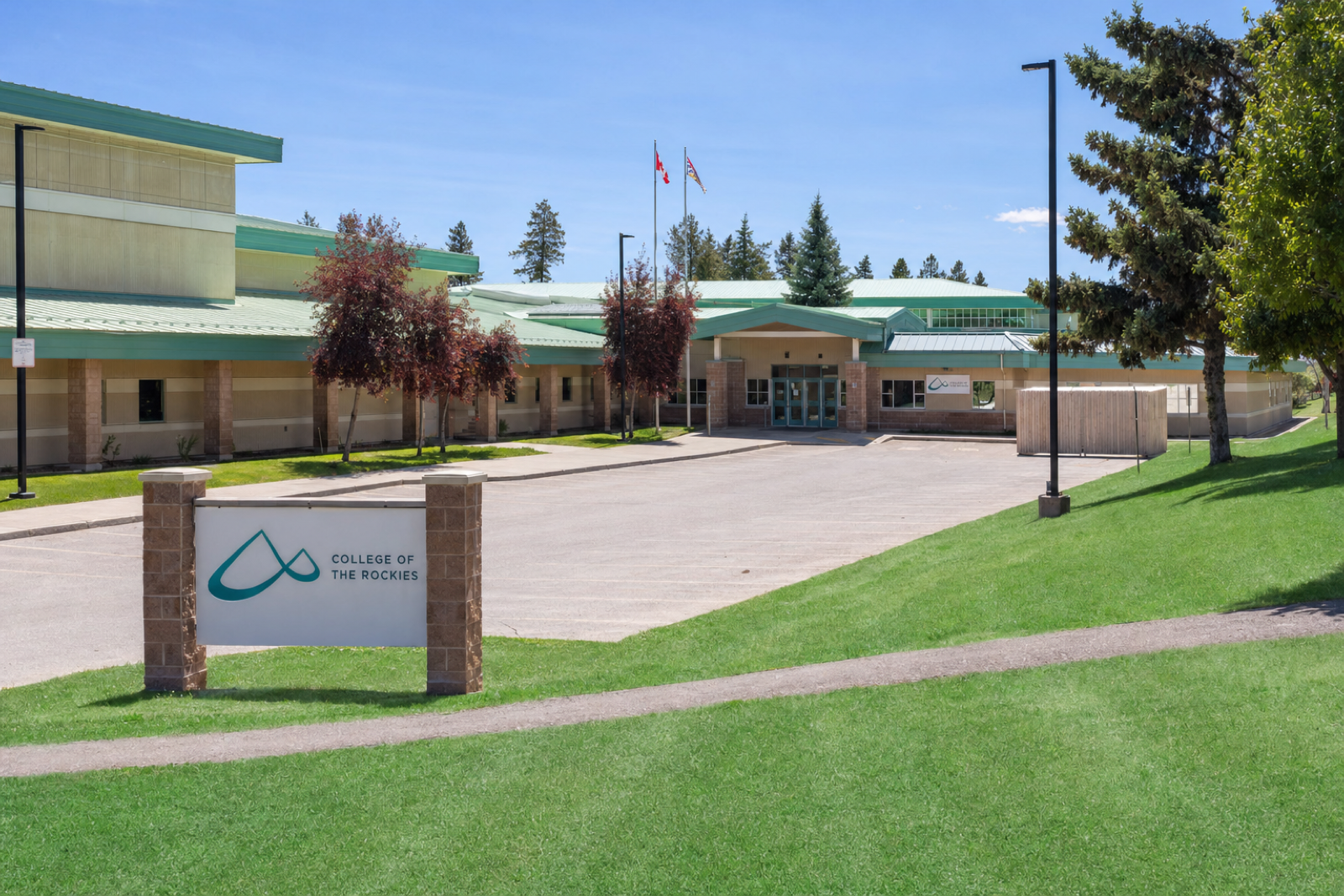
Campus courses remain on offer. College of the Rockies lists Canadian Firearms Safety Course sessions in Invermere and Fernie on December 5 and 6, at $179 plus GST. The listing establishes the advertised courses. It does not show the underlying provincial exemption approvals or establish that a future class will take place.
Two published campus policies show the older rules an organizer may also encounter. Thompson Rivers University's 2019 firearms policy requires written authorization from its Director, Risk and Safety Services. Douglas College's policy revised in January 2024 allows written exceptions for teaching, research, and other approved purposes; the linked authorization procedure remains marked as being in development.
Both documents predate the provincial law's commencement. Neither names the FVPA. Those two PDFs cannot establish the full current process at either institution, much less at UBC. They show why campuses should publish a clear route for this particular exemption alongside their existing weapons policies.
Victoria's guidance still describes a proposal
The province's FVPA information page, checked November 21, carries a September 22 update date. It still describes regulatory exemptions as being considered and lists firearm safety courses as an intended example.
The exemption has been in force since October 1. Holdover flagged that guidance problem before commencement. The July letter also promised more practical information on the page. An instructor following the ministry's link today should find the rule already in force, the approval requirement, and the appropriate next step.
Opinion: give organizers an answer they can plan around
I took my PAL/RPAL course in summer 2024 and received my licence in May 2025, after roughly ten months from sending the application. Training and vetting are reasonable obligations. I also expect government to make the administrative steps understandable to the people expected to complete them.
Campus administrators have a legitimate interest in controlling access, knowing what equipment enters a building, and setting appropriate conditions. The province designed this exemption around institutional permission. A written decision with reasons would preserve that role while making its exercise intelligible to an instructor and prospective students.
Premier Lorne Doerkson's cabinet was sworn in November 20. Here is a specific task for it: amend the course-approval rules to require a decision within a stated period and written reasons for refusal. Require institutions to publish their application route. Correct the provincial guidance page at the same time.
A campus could still decline a course or require additional conditions. The organizer would receive an explanation and know when to expect it. B.C. already recognizes firearm safety training in its exemption; the government should give the people arranging it a usable process.
Follow verified Canadian firearms-policy developments in the weekly Dispatch.
Sources
- Rebel News, Vancouver firearms-panel report, November 20, 2026
- Firearm Violence Prevention Act, current consolidation to November 17, 2026
- B.C. Reg. 63/2026, commencement
- B.C. Reg. 65/2026, Designated Property Regulation
- Ministry of Public Safety and Solicitor General, July 23, 2026 letter
- Government of B.C., FVPA information page
- College of the Rockies, Canadian Firearms Safety Course listing
- Thompson Rivers University, firearms policy ADM 30-0
- Douglas College, weapons policy A67
- Government of B.C., new cabinet sworn in, November 20, 2026