B.C. Conservatives put a *buyback review* in writing
B.C. Conservatives promised a review of the federal buyback and policing priorities. Its scope, owner consequences, and public findings deserve a clear answer.

Opinion and public-record analysis.
British Columbia's incoming Conservative government has a specific firearms promise to answer for. In its response to the B.C. Wildlife Federation, the party committed to reviewing the federal buyback's implications for the province and working with law enforcement on policing priorities. That gives owners a concrete undertaking to follow.
The distinction matters because the federation asked for something stronger: opposition to the programme and a commitment to keep provincial and municipal police resources out of its administration. The party answered with a review. Licensed owners should expect that review to produce findings they can read, with an explanation of what the province will do about them.
The commitment, with its limits
The BCWF questionnaire puts the parties' positions beside the same question. The outgoing NDP encouraged police participation, pointing to harm from semi-automatic rifles in B.C. communities. The Conservatives emphasized illegal firearms, trafficking, organized crime, and repeat violent offenders, then undertook to examine the federal programme's provincial implications.
The Conservative response supplies no timetable, named reviewer, or commitment to publish the findings. It also gives no express undertaking to refuse participation. Those are limits of the document. Calling it a provincial opt-out would promise owners a decision the party has yet to make in that response.
There is room for a useful review here. The party should explain which choices the review will examine, the work each option involves, and how it will judge the result. I would rather read that assessment than another round of sympathetic language addressed to people who already know the government has their mailing address.
What the review should measure
The federal programme's collection instructions show the work behind the word participation. For an owner choosing collection, an accepted declaration leads to a funding agreement and an appointment. The programme assigns a collection location by postal code, sends a transportation kit, and requires the firearm to match its declaration number. An authorized officer verifies the firearm and issues a receipt. Further validation and destruction follow, either at a programme facility or on site at a secure mobile unit.
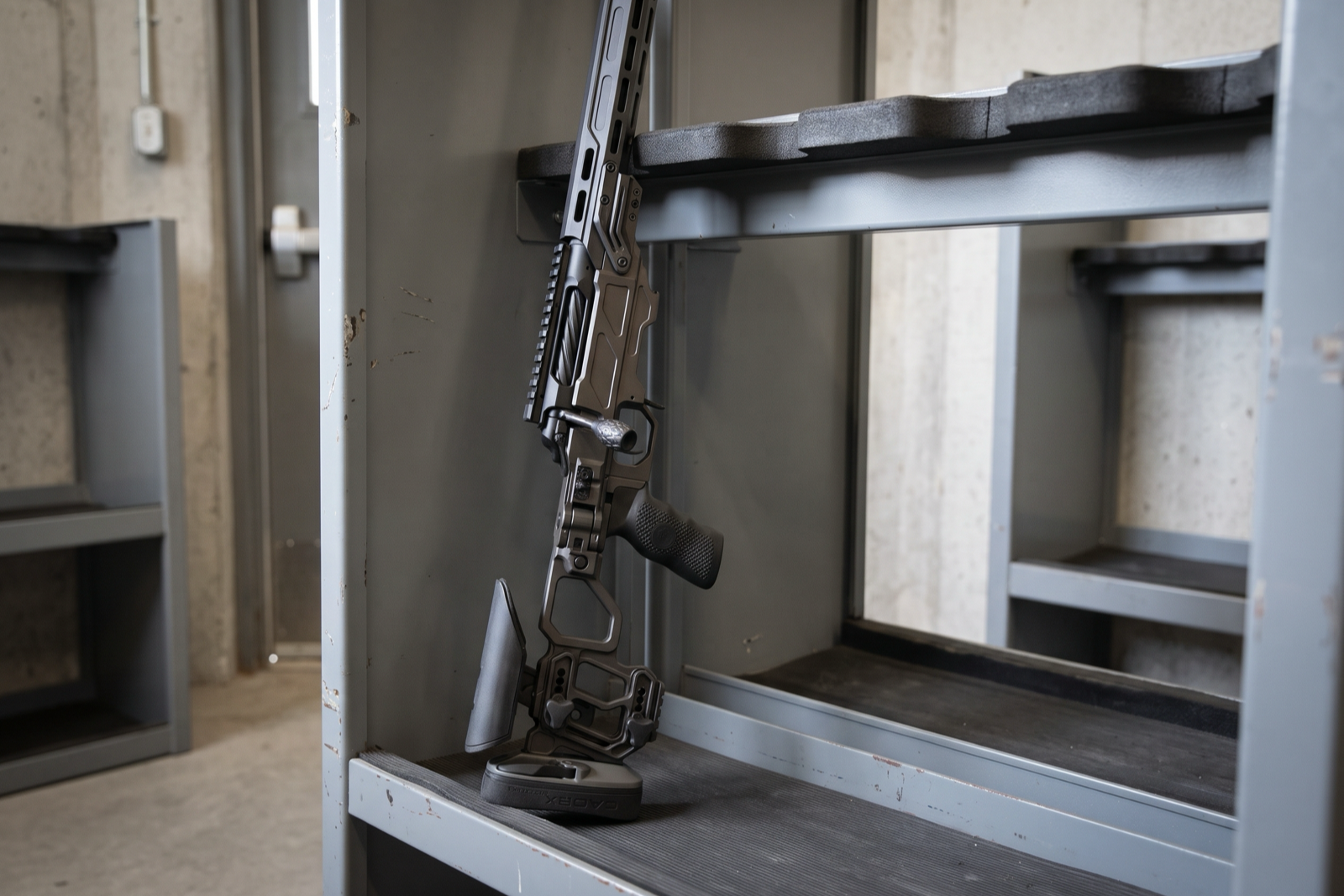
That process creates questions a provincial review should answer. Who performs each task? How much staff time goes into booking, handling, verification, transport, and secure storage? Which costs does Ottawa cover, and which duties remain with the participating service? The assessment should distinguish sworn-officer work from administrative work and identify the effect on other policing.
The published federal instructions describe a process. They establish neither the hours a B.C. service has spent on it nor the public-safety work displaced. A credible provincial assessment would obtain those records. If dedicated funding and separate staff can cover the workload, the government should show that. If participation would draw officers away from other priorities, it should identify the work and the consequence.
Owners belong in the evidence
A review conducted entirely between government offices and police services would miss the person at the other end of the appointment. An affected owner has to understand the instructions, prepare the firearm, arrange transport, and keep the resulting records. The federal page expressly puts packaging and transportation responsibility on the owner and says collection arrangements can vary by region.
BCWF and its clubs have a practical contribution to make: identify instructions members struggle to follow, travel burdens they can document, and unanswered questions that affect a handover. Those accounts should be checked against the actual programme records. They can establish a problem to investigate without becoming a claim about every participant.
I own firearms in Canada, and I want public decisions to account for the person carrying them out. A review should explain the consequences of its recommendation for owners as carefully as it explains the consequences for a police budget. Fair treatment needs that much substance.
Holdover recently examined property receipts and destruction records. This is an earlier decision in the same chain: whether, and on what terms, provincial resources join the collection process. A legible receipt remains useful. A clear provincial policy should precede it.
Take the public-safety case seriously
The argument for participating deserves a proper answer. Public Safety Canada describes compensation as a route for eligible owners to comply with the prohibitions. The NDP's BCWF response supports police participation because of the harm those firearms can cause. Governments can argue that removing prohibited firearms and pursuing criminal supply are compatible objectives.
The provincial review should test that case against actual resources and outcomes. Counting collected property alone would leave the policing question unanswered. The government should explain what safety benefit it expects, the evidence supporting that expectation, and the tradeoffs involved. Owners should be able to challenge those assumptions using the same published material.
My position is straightforward: licensed owners deserve an evidence-backed account of why their property is the chosen public-safety task and what that choice costs. The Conservative response's emphasis on criminal firearms supplies a reasonable standard against which to judge its eventual decision.
A result owners can read
The government should identify who leads the review, publish its scope, and set a reporting date. The result should explain the participation decision, police-resource implications, and consequences for affected owners. If the assessment takes longer, publish an interim account of the questions still open.
Those are Holdover's recommendations, rather than extra commitments hidden in the campaign response. The promise already exists. B.C. owners now have a specific piece of work to follow and a fair expectation that the government will show its findings.
To follow the next verified development and its consequence for Canadian owners, The Dispatch arrives weekly.
Sources
- Conservative Party of BC: response to the B.C. Wildlife Federation, 2026 election, section 4
- B.C. Wildlife Federation: 2026 provincial election questionnaire and party responses
- Public Safety Canada: collection and other disposal options
- Public Safety Canada: Assault-Style Firearms Compensation Program
- Emily Joveski, Vista Radio / My Bulkley Lakes Now: Premier-designate Lorne Doerkson will not hold fall legislative session, November 16, 2026
The amnesty file is still moving.
If this piece sent you back to government pages, do not wait for the next portal, Gazette, or court move to find you by accident.
The Dispatch follows Public Safety, RCMP, Canada Gazette, court, compensation, collection, and amnesty updates so the next change comes with the source that moved.
Safety note: the tracker is a worksheet for source hygiene, not legal advice or a substitute for current official guidance.