Ottawa's buyback batch: *$58.4 million*, no owner count
Public Safety lists $58,361,966 in an individual-stream buyback batch. The record leaves the recipient total and completed-payment period unstated.


Opinion
Public Safety Canada's current grants disclosure lists $58,361,966 for the individual firearms-compensation stream, in one entry called Batch Report. The record dates the agreement September 29–30, 2026. It leaves the number of recipients unstated.
That gives owners following the buyback a substantial new figure to examine. It also leaves them with a familiar practical question: how many people have completed the process, and what stage does this money represent?
Rebel News reported the entry on November 2. Reading the government's record alongside its reporting guidance supports a careful description: Public Safety has disclosed a $58.4-million batch agreement value for individuals. The settled-payment period, recipient total, and relationship to its earlier payment advance still need explaining.
The field beside the amount
The portal identifies the entry as a grant under the Assault-Style Firearms Compensation Program. Its additional-information field labels it batch reporting for individuals. The description covers eligible individuals who possess prohibited firearms and devices and participate in the programme.
The useful words beside the dollar figure are Agreement Value.
Treasury Board's reporting guidelines call for disclosure of the signed award amount when an agreement is signed. Appendix C allows departments to combine awards in a batch and report their cumulative value.
The guidance also allows a batch's start date to identify when the first recipient was paid or will be paid. The published agreement dates therefore need an explanation of their relationship to completed payments.
September 29–30 tells us what Public Safety entered in those date fields. Establishing how much reached owners' accounts, and over which period, needs a stated payment measure. That definition would let readers compare the disclosure with other programme reports without guessing.
An aggregate value, and the owners behind it
My work in digital services has made me look for the status beside the amount. An application can be accepted, an award approved, and a payment issued at different stages. As a licensed owner reading this record, I want to know which completed step the department is counting.
The individual-stream label matters. So does the missing recipient total. A dollar aggregate gives readers one dimension of compensation; a headcount would show how many people the batch covers. A firearm count would answer another question again, because one owner can have more than one eligible item.
The batch supplies none of those counts. Dividing its value by a price from the compensation schedule would produce an estimate built on an assumed mix of property and payments. Readers deserve the department's count, with its definition attached.
Treasury Board's batch guidance calls for recipient-count information in the additional-information field. It allows an anticipated number that can be amended later. This entry instead identifies the individual programme. Asking Public Safety to publish the total follows that guidance without requiring it to expose personal recipient details.
Protecting names and reporting the size of the batch can coexist. Owners should be able to inspect public programme results while keeping individual files private.
Three records, three different questions
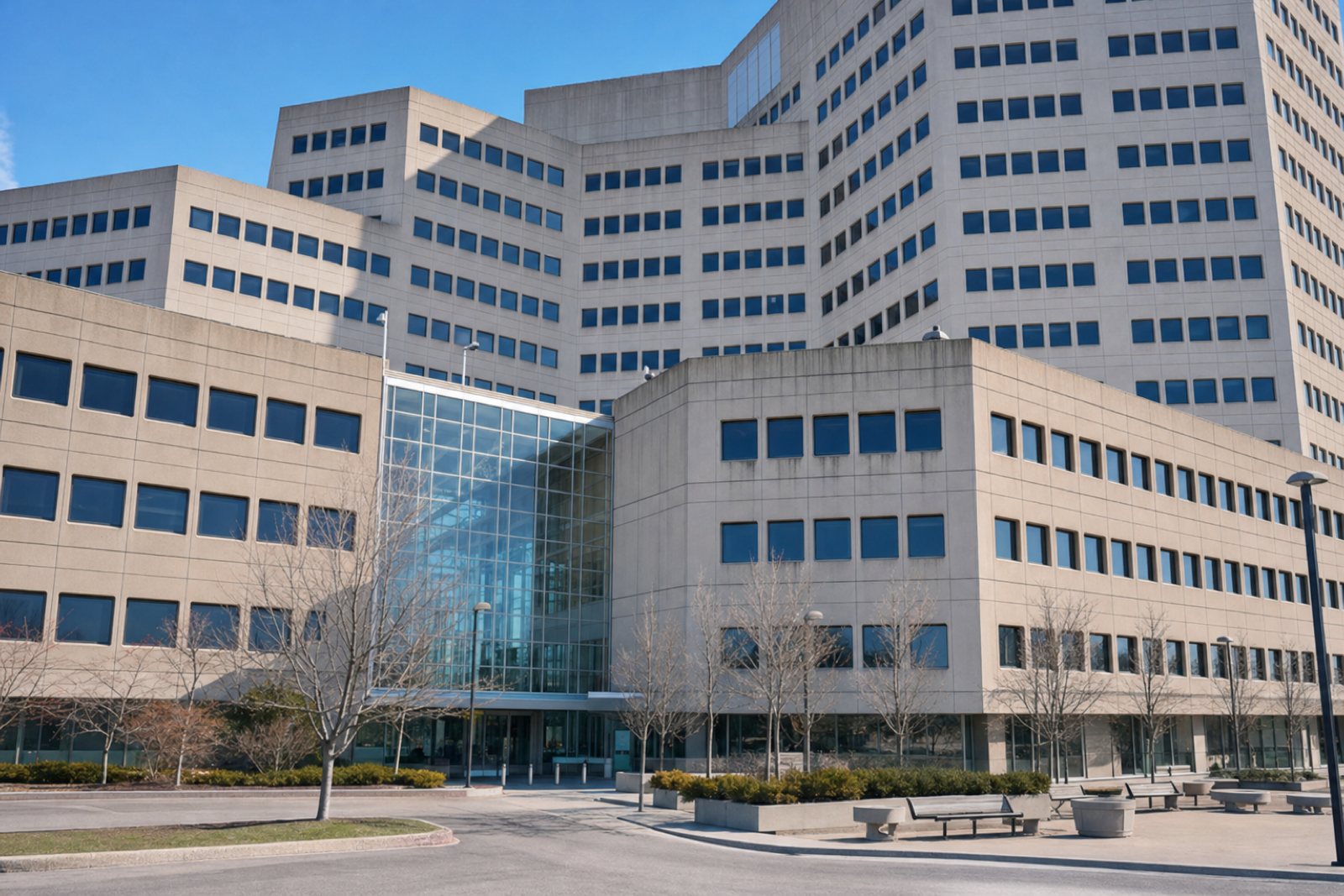
Holdover's earlier reporting on the $90.3-million ESDC advance followed Public Safety's quarterly financial report for June 30. That primary report, modified August 31, identifies ESDC as responsible for issuing compensation payments to individuals. It describes the advance and the later transfer-payment expense treatment when the underlying expenditures occur.
The new batch adds a separate record to that picture. Matching its $58,361,966 with the earlier advance would require an explanation of their coverage, timing, and accounting relationship. Subtracting one from the other would assume that explanation into existence.
Public Safety also maintains a programme progress page. Its business results, dated June 8, list 74,073 firearms claimed and $96.1 million paid after firearms, parts, and components were fully processed. Its individual-owner section describes collection and compensation activity without a matching completed-payment amount or recipient total.
Those published measures deserve their own labels. The advance describes funds sent to the payment department. The batch gives an individual-stream agreement value. The progress table reports business claims and payments at an earlier date. A useful update would connect the individual figures through a common period and a clear account of completed transactions.
A usable update for owners
The new disclosure deserves attention on its own terms. Public Safety has put a material individual-stream amount on the record. Careful qualification lets readers recognize that development while keeping the remaining questions visible.
The department could make its next update much easier to read by publishing the batch's recipient total, the payment period it covers, and a reconciliation to the ESDC advance. It should distinguish approved awards from completed payments wherever those stages differ, and attach an as-of date to each outcome count.
Owners following the programme have several dates, records, and administrative stages to keep straight. Public reporting should make the sequence understandable from the outside. Expecting owners to reconstruct the results from several administrative sources sets the burden in the wrong place.
A larger disclosed figure gives readers something new to work with. The next useful step is a dated account of the owners and completed payments behind it. Public Safety has the programme responsibility to explain that connection; an individual trying to follow the file should be able to read it in one place.
Sources
- Public Safety Canada, individual-stream batch, reference 088-2026-2027-Q2-00138, current portal read November 3, 2026; agreement dates September 29–30.
- Treasury Board of Canada Secretariat, Guidelines on the Reporting of Grants and Contributions Awards, section 5.1.2 and Appendix C; current official text read November 3, 2026.
- Public Safety Canada, Quarterly Financial Report for the quarter ended June 30, 2026, modified August 31, 2026; footnotes 2 and 5.
- Public Safety Canada, Progress update of the Assault-Style Firearms Compensation Program, modified June 9, 2026; business results as of June 8.
- Rebel News, Public Safety Canada lists $58.4 million in buyback payouts to gun owners, November 2, 2026. Reporting lead; the official record and Treasury Board definitions govern this article's narrower reading.
- Public Safety Canada, Contact us, current postal address read November 3, 2026.
- Employment and Social Development Canada, Accessibility feedback process, current departmental address read November 3, 2026.
- Parks Canada, Place du Portage, Phase IV, federal building identity and address; current record read November 3, 2026.
The amnesty file is still moving.
If this piece sent you back to government pages, do not wait for the next portal, Gazette, or court move to find you by accident.
The Dispatch follows Public Safety, RCMP, Canada Gazette, court, compensation, collection, and amnesty updates so the next change comes with the source that moved.
Safety note: the tracker is a worksheet for source hygiene, not legal advice or a substitute for current official guidance.