Regina's empty gun cases deserve a *clearer answer*
Federal rules give licensed museums a display route with written CFO approval. The RCMP Heritage Centre's move toward national status deserves a clearer account of the requirements keeping its firearms in storage.

Opinion
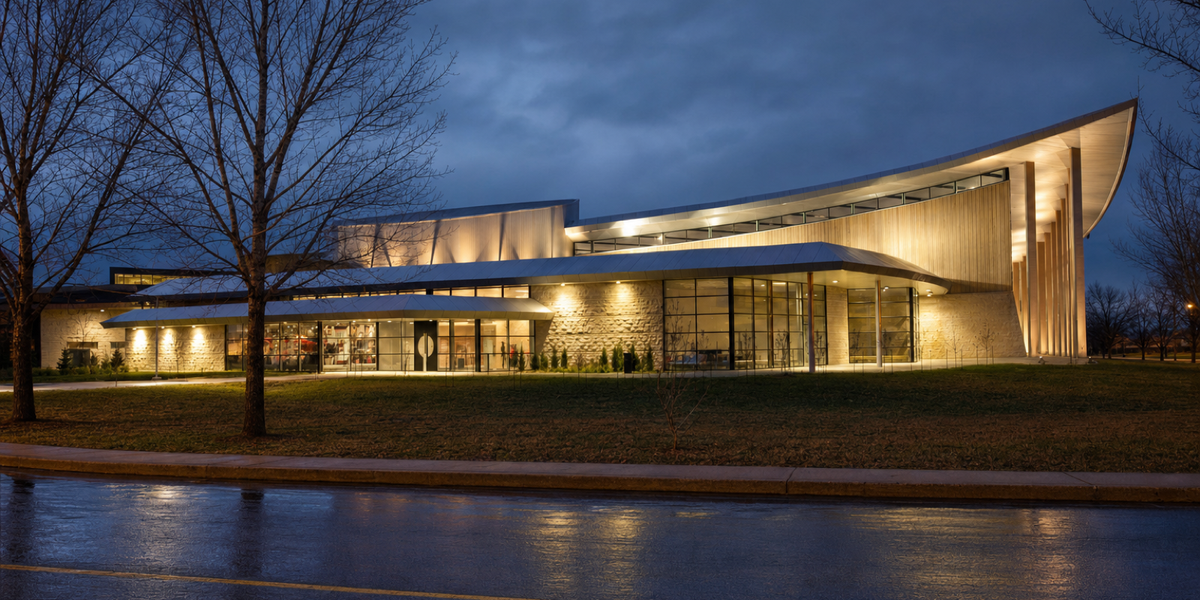
Sam Steele's rifle is in storage at Regina's RCMP Heritage Centre. The Canadian Press reported on November 20 that the centre removed its displayed firearms about a year ago. Its CEO says displaying them would require alterations the RCMP, their owner, opposes.
I would like to see the actual decision behind that outcome. The federal regulations contain a museum display route with written provincial approval. Anyone explaining the empty cases should explain what happened to that route.
A national museum is still a proposal
Budget 2026 commits to national designation and access to $3 million annually up to 2029-30 for the transition. The Heritage Centre's own announcement says legislative and other steps remain before formal designation. The commitment gives Ottawa a reason to ask about the collection it intends to help present.
The centre describes its future role as telling the RCMP's inspiring stories alongside difficult chapters and reconciliation. Original firearms belong in that discussion. A carbine can help visitors examine how police exercised authority, what equipment they carried, and whose lives they affected. Displaying an object leaves room for an uncomfortable interpretation of its history.
A replica may help explain form or operation. If a museum displays a replica, curators should be able to explain why the original remains elsewhere. The distinction matters when a museum asks the public to trust its account of the past.
The published explanations leave a gap
CP reports that the RCMP cited a Saskatchewan Firearms Office decision and federal legislation. The Premier's office said provincial rules add no requirements and suggested museum-association standards. The association said it recommends rather than regulates.
Those attributed answers leave the operative conditions unclear. Holdover has not obtained the cited decision, the centre's licence conditions, or an application for museum display approval. The public record checked for this article establishes neither an improper refusal nor a completed attempt to satisfy the regulator. It leaves a reasonable question about which requirement prevented continued display.
That question deserves a document and a responsible office. An institution can protect sensitive security details while identifying the provision it applied, the decision-maker, and the work needed to restore an exhibit. Publishing those essentials would let visitors distinguish an equipment problem, a licence condition, and an owner's conservation choice.
Museums have their own display sections
The Firearms Act's definition of a business includes a museum. The federal business storage and display regulations then distinguish museums from other businesses.
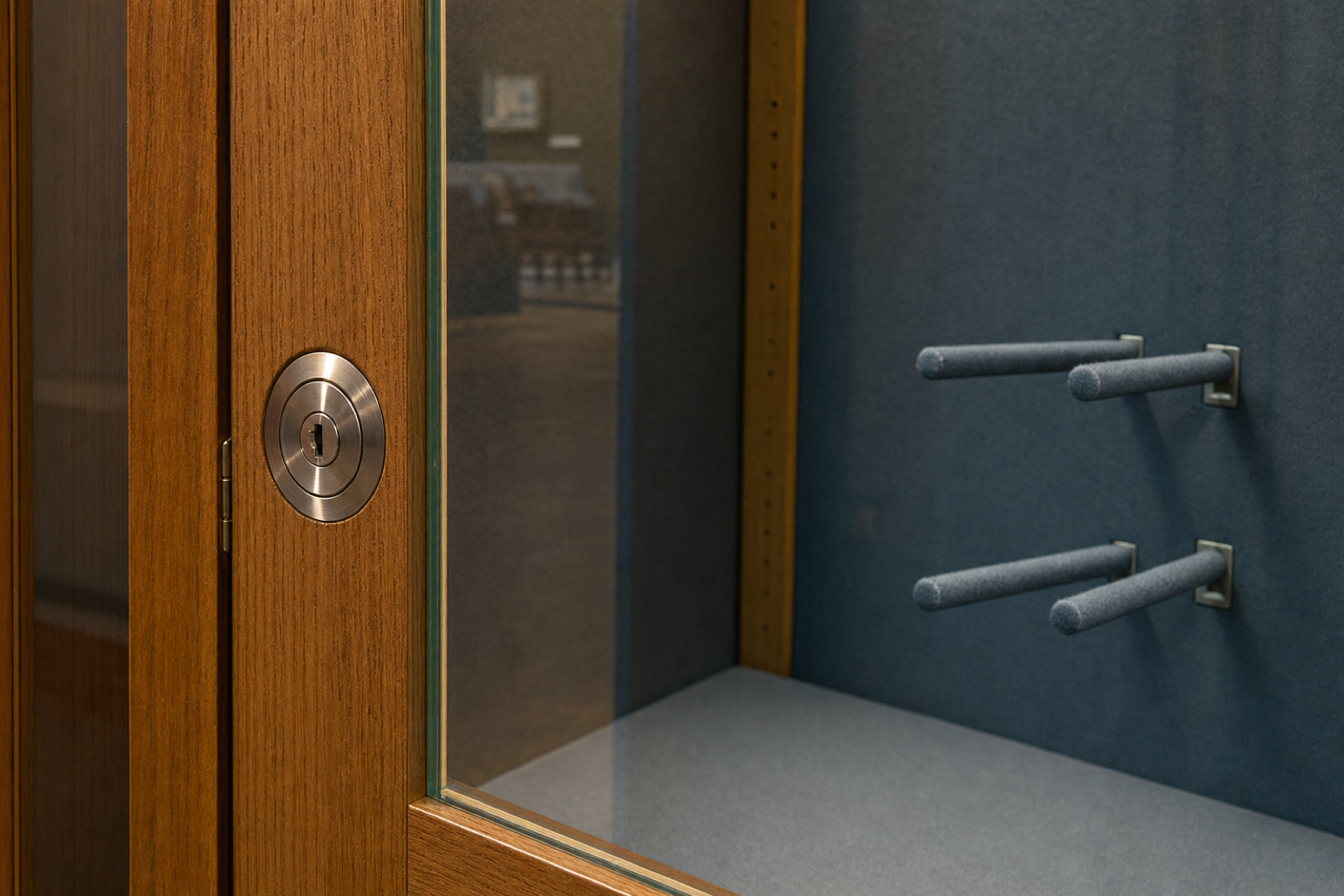
Under section 9(2), a museum's non-restricted firearm must be unloaded, with security equal or superior to the measures in subsection 9(1), approved in writing by the province's chief firearms officer. Section 10(2) provides a corresponding route for restricted and prohibited firearms, with the relevant security comparisons, including staff-only accessibility for prohibited firearms other than prohibited handguns.
These provisions specify security and written approval without expressly requiring permanent deactivation. They also require the security comparison to succeed. A signature cannot make an inadequate display comply.
The Firearms Licences Regulations add another part of the picture. Section 20 sets museum eligibility conditions, including nonprofit incorporation, regular public access, and museum-association membership for the museum or curator. Section 22(h) recognizes museum display, preservation, restoration, and storage among prescribed purposes for prohibited firearms. The federal framework makes room for collecting and exhibiting firearms under controls.
Applying it to this collection requires facts about the institution, its authorizations, and the individual objects. The report's description of an old firearm supplies too little information to determine its legal classification. The RCMP's ownership and loan conditions also need an explanation from the parties. Readers should expect them to show how the relevant requirements fit together.
Security and conservation both need an answer
CP records museum-association executive director Emma Morris's concern about theft and liability, alongside the owner's opposition to alterations. Curators need to take both concerns seriously.
A useful response would assess the proposed display against those concerns. If a mounting method would damage an artefact, explain the conservation objection. If a security measure falls short, identify the standard and what a suitable alternative would need to achieve. An honest explanation could establish a difficult or costly problem. It would also give the museum a problem it could budget and plan around.
The Saskatchewan Firearms Office says it administers federal firearms legislation in the province and issues firearms business licences. Its role makes it an obvious participant in that explanation, alongside the RCMP and the centre. Ottawa's transition funding creates an opportunity to put the display question into the institution's plans; the budget commitment alone establishes no solution or money already received.
As a licensed owner, I want a clear account of how an institution can preserve firearms and let the public examine their history. The museum provisions give that expectation a basis in the published rules. They warrant a serious attempt to find an acceptable display arrangement, followed by reasons if it cannot be achieved.
The RCMP and Saskatchewan should identify the decision and explain its legal basis. The centre should state whether it sought written approval under the museum provisions and describe the answer. Before formal national designation, Ottawa should ask what visitors will be able to see and what work remains. That is a practical request for the people preparing Canada's next national museum.
Follow the rules that shape Canadian firearms ownership, and the decisions behind them, in The Dispatch.
Sources
- Jeremy Simes, The Canadian Press: Historic guns locked away as RCMP centre set to become next national museum, November 20, 2026.
- Budget 2026, Chapter 4, RCMP Heritage Centre transition commitment.
- RCMP Heritage Centre: National Museum Project, checked November 20, 2026.
- Firearms Act, section 2.
- Storage, Display and Transportation of Firearms and Other Weapons by Businesses Regulations, sections 9 and 10.
- Firearms Licences Regulations, sections 20 and 22(h).
- Saskatchewan Firearms Office, checked November 20, 2026.