Inside TriggerTech's *winter paperwork gap*
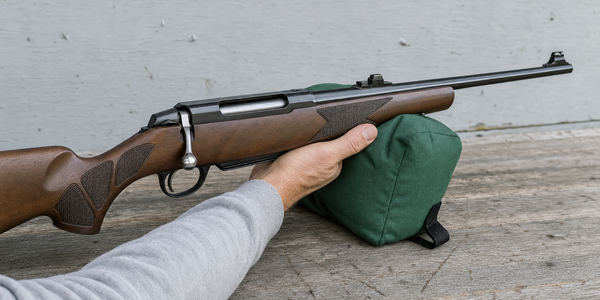
TriggerTech's Tikka Special page links a cold-weather guide whose figures exceed the model's advertised range. The company has room to explain how the documents fit together.

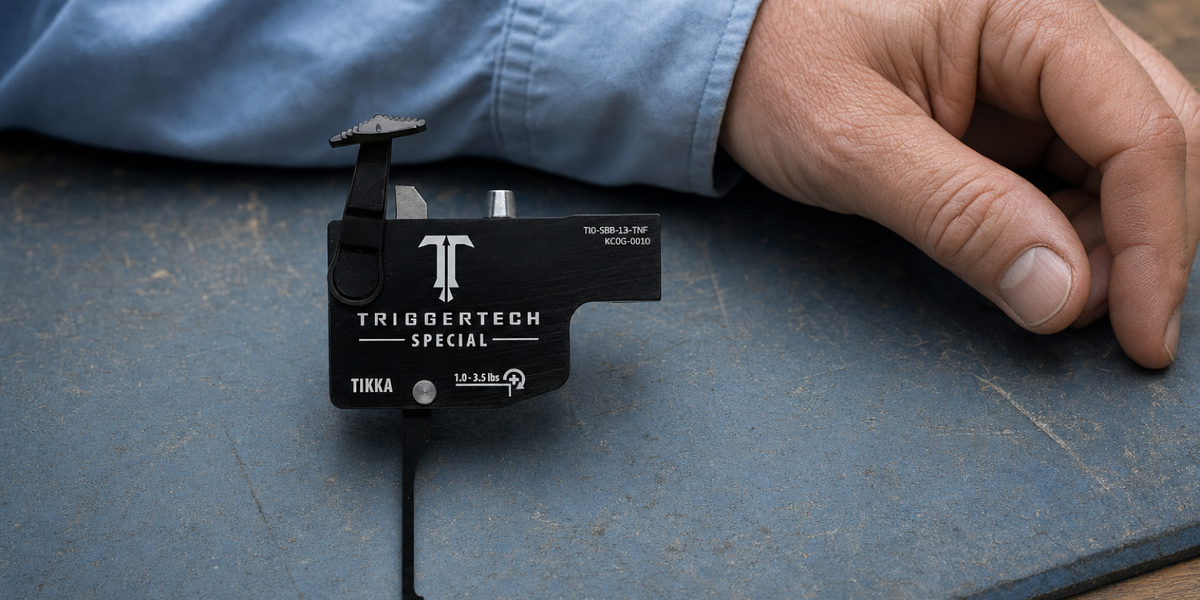
TriggerTech's Canadian page for the Tikka Special advertises an upper pull-weight limit of 3.5 pounds. Follow its link to the Tikka instructions and the general bolt-action guide starts its cold-weather row at 4.5 pounds. An owner can reach both figures through the same product page and still need an explanation of how they fit together.
That gap deserves a clear answer from the Canadian company. The published numbers establish a documentation question. They leave the product's suitability for a particular person and use unresolved.
As a designer and rifle owner, I care about the point where someone has read the information and still cannot tell what applies to them. My working life involves making that next step understandable. With equipment documentation, I want the company that supplies the numbers to explain their scope. The owner has already done the reading.
A product range and a general guide
The Tikka Special page, checked September 11, gives the model's advertised range and links its instruction sheet. The page also says measurements are approximate and affected by the rifle's firing-pin spring. That qualification does not supply a different published upper limit or explain the cold-weather row.
On page 17 of the linked PDF, TriggerTech calls the table its Bolt Action Pull Weight Guide. The final row combines “Cold weather / home defense” and gives a range entirely above the Special's advertised maximum. The table covers several uses across bolt-action shooting. It carries a broader heading than the product page.
Those different scopes matter. A general guide can cover uses beyond one model's advertised range. The missing piece is an explicit explanation of what the reader should conclude when the general row and the named product do not overlap.
The instruction sheet includes cautions about individual circumstances. It tells readers that suitability depends on the firearm, the person and its use. Those cautions deserve to remain attached to any account of the chart. Quoting one row as a universal prescription for a Canadian autumn would give the document a certainty it does not provide.
A Canadian company can make this clearer
TriggerTech describes itself on its Canadian careers page as a company that designs and manufactures triggers for global markets. Its company history traces the business to engineers Mats Lipowski and Greg Baniak and a crossbow prototype developed in 2012. Canadian owners are part of the audience that depends on its documentation. Clear guidance matters as much at home as it does in an export market.
The company publishes detailed product information. An explanation beside the chart could spare the reader a second search: which products does this row cover, and how should an owner interpret it alongside a narrower model specification?
I would welcome that addition. It could be a short note. Clear scope belongs beside a number, where someone encounters it, especially when the number appears in safety-related material. Asking the reader to assemble the answer from separate pages leaves the final interpretation with the person least equipped to speak for the manufacturer.
This comparison establishes no mechanical fault, recall or unsafe-product finding. Holdover has conducted no product test and has not contacted TriggerTech for this piece. The documents were available in this form when checked; their presence today does not establish when the wording first appeared or whether it has changed.
The useful next piece of reporting would be TriggerTech's explanation of the chart's applicability to this model. Until then, the question can stay as narrow as the evidence: the linked documents publish ranges with different scopes, and the connection needs stating. A clear model-specific answer would give Canadian owners something more useful than another confident interpretation from outside the company.
Sources
- TriggerTech Canada, Tikka Special product information, checked September 11, 2026. Cited for the published specification and linked document, not as a purchasing recommendation.
- TriggerTech, Tikka instructions and general bolt-action guide, page 17, checked September 11, 2026.
- TriggerTech Canada, Careers and company description, checked September 11, 2026.
- TriggerTech, Company history, checked September 11, 2026.
Keep the range notes worth reading later.
If this piece has you thinking about range time, keep the notes useful enough to read later.
Use the Holdover Range Bench Log Card to record rifle, optic, ammunition, distance, weather, zero, group notes, correction, and next test without turning a range trip into a memory test.
Safety note: the card is a note-taking worksheet, not shooting instruction, load data, legal advice, or a substitute for range rules, official guidance, manufacturer manuals, or qualified instruction.