Left-handed, and buying a rifle to *keep*
A BC buyer tried a left-handed Tikka for the first time while weighing a Bergara. Handedness, fit and the exact Canadian configuration deserve their own comparison.

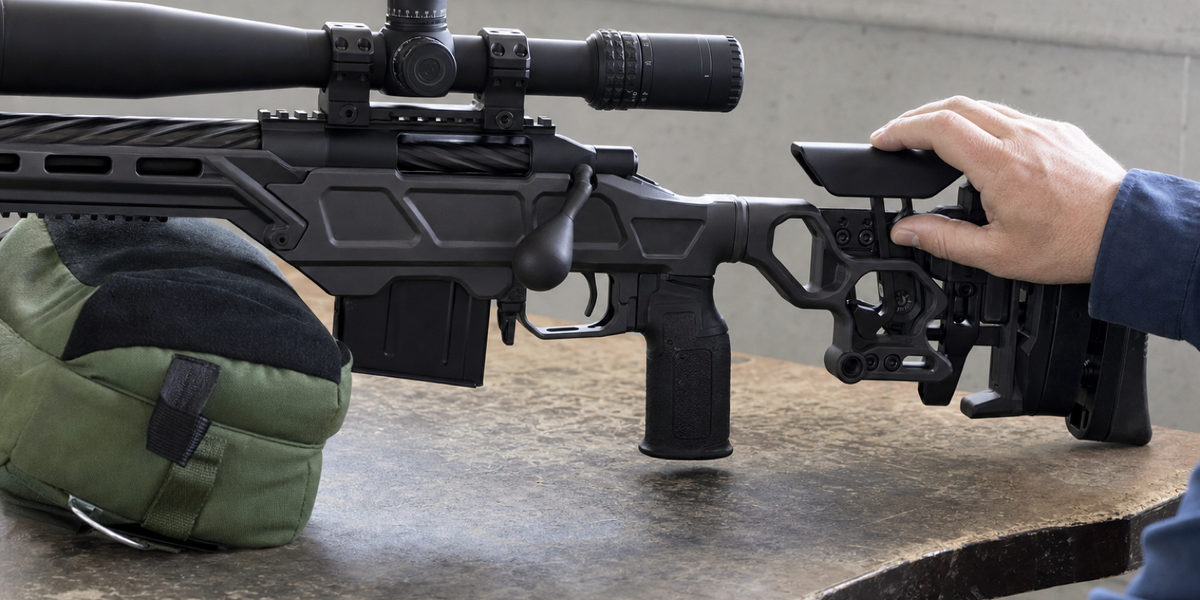
A shooter in British Columbia went looking for a Bergara and ended up holding a left-handed Tikka for the first time. That part of the weekend's rifle-buying question caught my attention.
The shortlist was a Tikka T3x Ace Game or a Bergara B-14 Wilderness Carbon, both in .308. The buyer wanted to hunt in B.C., spend time at the range, and keep the rifle for years. The shop had no Bergara to handle. An employee suggested the left-handed Tikka, which felt good, though the buyer still preferred the more traditional appearance of the Bergara.
That first experience with a left-handed rifle deserves some weight. The buyer had gone into the shop comparing two names and come out with a new piece of information about what felt comfortable in their hands.
I have made a smaller version of that adjustment in my own range routine. Bringing fewer rifles gave me more time to pay attention to breathing, level, and shot pacing. Once I stopped trying to get through so much equipment, I could notice more about using it. For someone choosing a rifle they intend to keep, that attention belongs at the counter too.
Start with the side you shoot from
The poster says they shoot left-handed. That gives the comparison a useful starting point: ask to handle suitable left-handed rifles.
Plenty of shooters develop preferences around equipment they already own. This buyer is making a first purchase and has just discovered how a left-handed rifle feels. I would be reluctant to dismiss that experience because another stock looks better in a photograph. I would also be reluctant to declare the Tikka the winner while the other candidate remained untried.
The exact Bergara needs a name. Its current Wilderness family page includes carbon versions of the Sierra, HMR and Thumbhole. Those names identify different configurations. "B-14 Wilderness Carbon" leaves enough room for people answering the question to picture different rifles.
Bergara does offer left-handed choices. Its current US FAQ names the B-14 HMR, Timber, Wilderness Sierra and B-14r rimfire trainer. That list gives the buyer somewhere to start with a dealer. It establishes neither the exact carbon model they have in mind nor what a Canadian shop can supply in .308 today.
The full model name, handedness, and part number belong together in the dealer request. Otherwise, a useful conversation about one rifle can quietly become a recommendation for another version with the same family name.
A range rifle still has to be carried
The Ace Game makes sense on a hunting-and-range shortlist. Tikka describes its medium-contour fluted barrel and modular chassis as a combination for both uses. The stock offers adjustment for length of pull, cheek support, and the recoil pad. Length of pull is the stock's shoulder-to-trigger fit. The grip's angle and position also adjust.
Those are things worth trying in person. Adjustment gives you options; handling tells you whether those options suit you. A left-handed bolt and an ambidextrous thumb rest also describe separate features, so the order still needs to identify the action you want.
Tikka's listed .308 configurations weigh about 3.9 to 4 kilograms. That is the advertised rifle weight, before the particular scope and other equipment a buyer chooses. A complete setup, or a close shop equivalent, would give the buyer a more useful comparison against a hunting rifle.
The question says both hunting and range shooting, but leaves the balance open. A rifle carried much of the day asks something different of its owner than one spending most of a session on a rest. Someone expecting a few hunting trips and regular range visits may accept a different compromise from someone buying for long days on foot.
Which kind of day does the buyer expect to have most often? A clear answer makes the weight conversation useful. It also keeps the word "carbon" from doing all the decision-making. The complete rifle, its configuration and the way it feels still deserve the comparison.
Ask a Canadian dealer for the exact version
There is Canadian evidence for the left-handed Ace Game beyond this weekend's account. Toronto dealer Al Flaherty's advertised one in March. The announcement confirms a Canadian dealer has offered the left-handed version. Its March date matters: the buyer still needs today's stock and delivery information for the exact configuration they want.
The useful next conversation is specific: can the shop supply this left-handed model in .308, and can the buyer handle it before committing? If the preferred Bergara version cannot be tried locally, ask which left-handed alternative the dealer can bring in or show. Then compare its actual weight and stock arrangement against the Tikka already held.
Liking a traditional rifle is a perfectly good preference. So is liking a chassis. There is room for both while the buyer works out what fits. They can keep their preferred appearance on the list without apologizing for it.
The .308 choice can stay steady for this conversation too. The buyer already has enough to resolve without restarting the cartridge debate or adding a shelf of accessories to a rifle they have yet to choose.
For a purchase intended to last, another visit to the shop seems reasonable. Get the exact left-handed versions on the list, find out which can be handled, and compare them from the side you actually shoot. Then the decision can include the rifle you like looking at and the experience of holding it.
Sources
- The September 6 Canadian buyer's question.
- Tikka T3x Ace Game specifications and configurations.
- Bergara's left-handed offerings FAQ and Wilderness model family.
- Al Flaherty's March 11, 2026 left-handed Ace Game announcement.
Shortlist the rifle before the checkout page.
If this piece helped you narrow the rifle question, keep the tradeoffs visible before the next tab becomes a shopping cart.
Use the Holdover Rifle Cartridge Shortlist Card to compare use case, distance, recoil, ammunition availability, rifle fit, optics plan, budget, and what you will actually practice.
Safety note: the card is a planning worksheet, not buying advice, legal advice, hunting guidance, load data, or a substitute for current manufacturer, range, provincial, federal, or qualified-instructor guidance.