DND promises *tighter counts* after Toronto's ammunition seizure
Toronto police allege 2,500 recovered rounds were stolen from the Canadian Armed Forces. DND promises inventory changes this fall; the public still needs the loss and reconciliation timeline.

Opinion
Toronto police say approximately 2,500 rounds recovered in an abduction investigation were stolen from the Canadian Armed Forces. Their October 14 update identified seven accused, three CAF members and 82 charges. The full ammunition seizure exceeded 2,700 rounds.
DND now promises stronger stock checks and ammunition-management changes this fall, according to its statement reported by CP24. That undertaking deserves a public follow-up: when did the military first recognize the loss, and what will the new checks do differently?
Licensed owners have a reason to care about ammunition escaping institutional control. A useful answer would show how the system identified this discrepancy and how the department expects to identify the next one.
What the police account establishes
The investigation began after the alleged July 25 abduction of a cryptocurrency exchange owner near Finch Avenue East and Bayview Avenue. Police say the victim was taken at gunpoint and assaulted as suspects sought access to cryptocurrency assets. The charges remain allegations, and the investigation continues.
The police companion account attributes approximately 2,500 rounds and five over-capacity magazines to stolen CAF property. The Canadian Press reports that about half the rounds were blanks. CP also reports police saying the ammunition had not been reported stolen to Toronto police before officers seized it.
That leaves the military's internal timeline open. The public accounts reviewed here do not establish when the stock was removed, when an internal discrepancy was first noticed or which records documented it. Reporting to Toronto police and recording a shortage within the military are separate events; the available account gives us the former's limit.
DND's promised changes
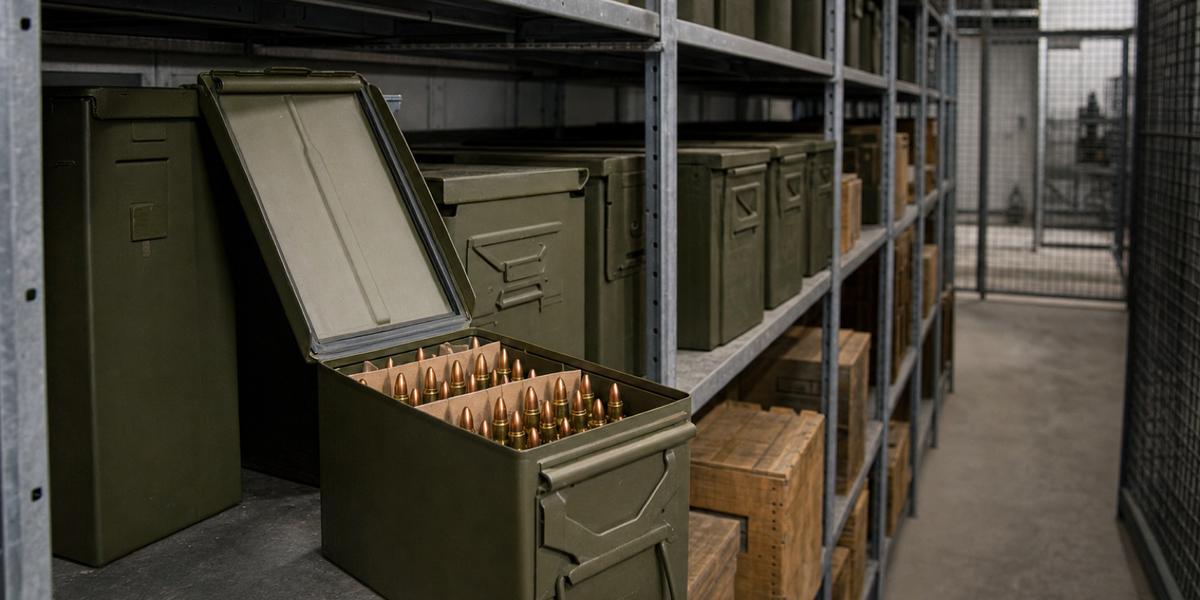
CP24 reports that DND is strengthening verification and oversight of ammunition holdings, including inventory validation and stock-count requirements. The department says modernization steps this fall will improve accuracy, traceability and accountability. It also describes existing requirements for receipt, storage, use, return and accounting, including inspections and physical security. Those requirements apply to Regular and Reserve Force units.
The department has a substantial operation to manage. Ammunition moves between storage, training and returns, and a sound account has to reconcile those movements. DND deserves the opportunity to explain what its existing checks found in this case. Military police are investigating, according to the departmental statement reported by CP.
An allegation of theft can warrant both a criminal investigation and an institutional review. The first asks who did what. The second should establish how the stock was accounted for and how quickly a discrepancy could be recognized. Owners should expect a clear answer to that second question from an institution entrusted with ammunition.
What the 2018 audit measured
DND's May 2018 ammunition and explosives audit provides relevant history. Auditors found inventory-control processes generally well managed, alongside incomplete and inaccurate information in two inventory systems.
Their comparison used 2015-16 data from four depots and three large warehouses. Only 64 per cent of ammunition and explosives stock numbers had records in both systems. Of that shared group, 83 per cent had matching quantities. A stock number identifies an inventory item; these percentages describe record coverage and agreement. They cannot tell us how many rounds were missing in 2026.
The auditors identified manual reconciliation and access-control weaknesses. Physical-security effectiveness was outside scope. The published action plan carried correction targets extending to 2020; the material reviewed here does not establish their eventual completion or connect those findings to the Toronto case.
The audit gives DND a documented earlier problem to explain alongside its new undertaking. It supplies no finding about who removed this ammunition or whether a particular count should have caught the loss. Any claim about today's controls needs current evidence.
The owner's side of the count
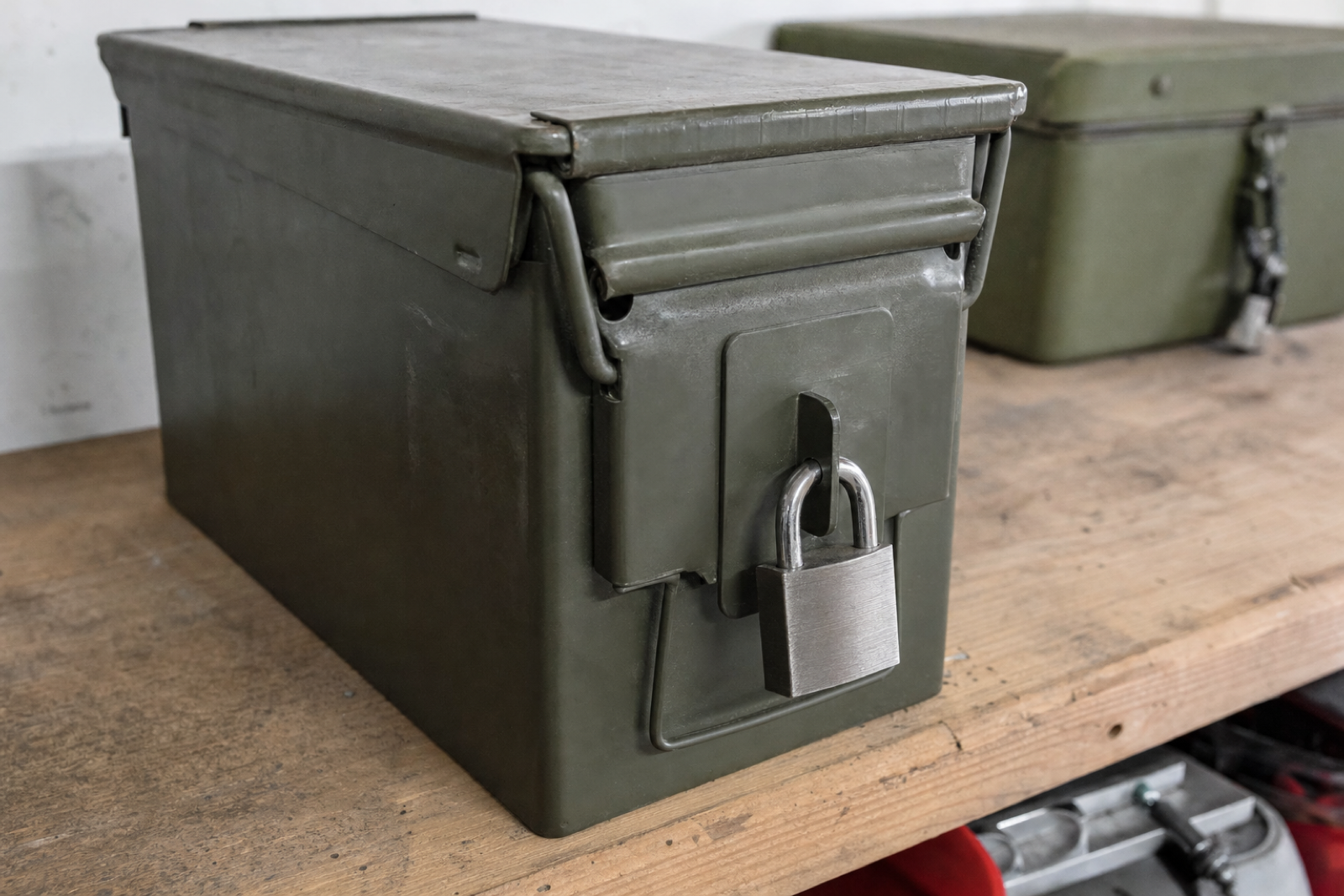
My own ammunition sits in locked, humidity-controlled boxes. Buying components and loading for the range makes stock feel tangible: every box represents money and time I would rather spend shooting. Keeping ammunition secure is ordinary ownership work, with a recurring bill for whatever replaces what I have used.
The Criminal Code's carelessness provision expressly includes ammunition. The police charge list in this case includes ammunition-carelessness charges. That legal duty deserves precise reporting, without turning it into an invented requirement for every civilian to maintain an exact round-count ledger.
Holdover's NWT tracing analysis examined another record question: what violation totals and civilian sales records can establish. Here the relevant trail begins inside an institution. Pro-ownership scrutiny should include the sources of ammunition that enter criminal investigations, with the same attention to evidence that owners expect when their own conduct is discussed.
The follow-up worth publishing
DND could start with a dated account of this discrepancy: the last reconciled holding, the first recorded shortage, the steps taken after discovery and the eventual reconciliation with the recovered ammunition. Operational or investigative limits may restrict particular details. The department can explain those limits while providing a useful chronology.
For the promised fall changes, it should name the checks introduced and how it will assess whether discrepancies are recognized sooner. A later public report could then show what improved. Holdover's advocacy coverage will follow that public record: what DND found, followed by evidence of what it changed.
Follow verified developments and their consequences for Canadian owners through the free weekly Dispatch.
Sources
- Toronto Police Service: October 14 release, case 2026-1542526, checked October 15, 2026.
- Toronto Police Service: Kidnapping case leads to cache of weapons, October 14, checked October 15, 2026.
- The Canadian Press via battlefordsNOW: military ammunition recovered in Toronto abduction probe, October 14, checked October 15, 2026.
- CP24: Toronto abduction investigation and DND's response, October 14, checked October 15, 2026.
- DND: Audit of Ammunition and Explosives Management, May 2018, section 2.3.1 and footnote 11, checked October 15, 2026.
- Criminal Code, section 86, current displayed consolidation checked October 15, 2026.