Ten pages, and sport shooters face a *record objection*
Canada's October 6 Supreme Court reply challenges new sport-use evidence, argues owners can identify unnamed variants, and separates prohibition from compensation.

Opinion
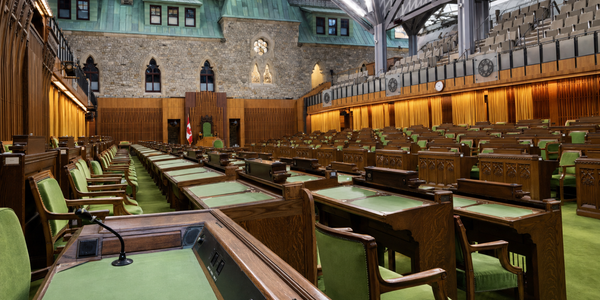
On October 6, lawyers for the Attorney General of Canada filed a reply to the organizations intervening in the Supreme Court firearms appeals. The argument runs ten pages. It challenges new sport-use evidence, says owners can identify unnamed variants, and separates prohibition from compensation. Owners following the November hearing have some pointed reading ahead.
The document is Canada's factum in reply to interveners: a written argument answering groups permitted to assist the Court. It covers the four joined challenges to the May 2020 regulations, files 41858 to 41861. The August 13 order allowed one reply of up to ten pages answering all interveners. The docket marked Canada's filing complete on October 9. The hearing is scheduled for November 9 and 10.
What Ottawa says about the range
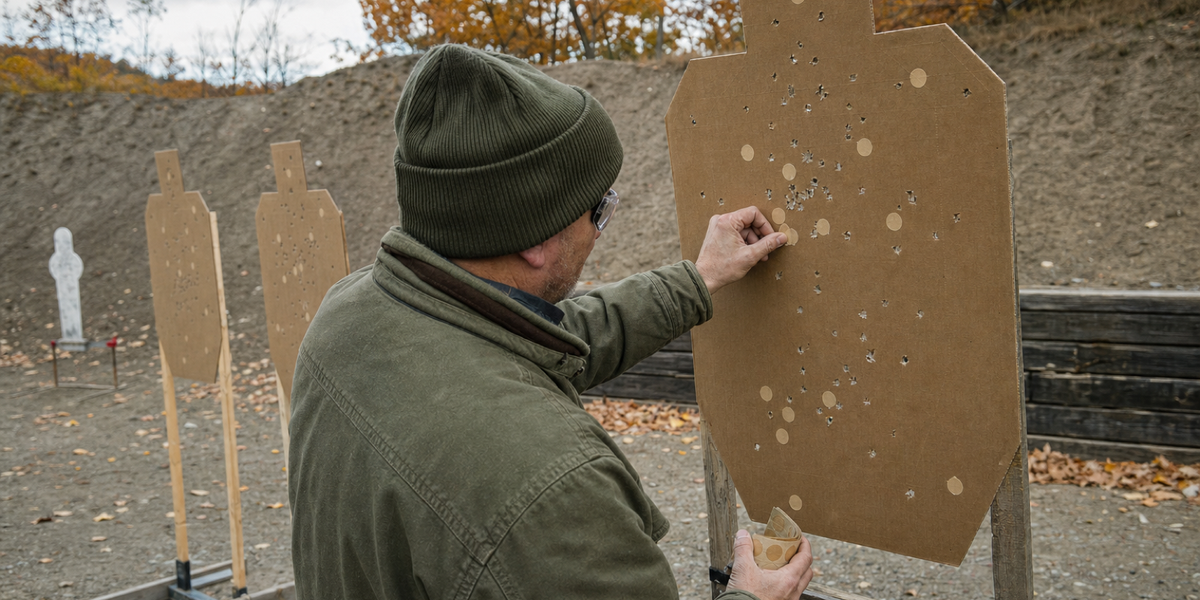
IPSC Canada, the Ontario Rifle Association and Safari Club International described sporting and hunting uses in their submissions. Paragraph 19 of Canada's reply objects to specified factual material from those briefs as new evidence outside the appeal record. It also calls references to preferred firearms for particular activities an "outdated 'common use' argument."
Canada has a fair procedural point. The August 13 order expressly bars interveners from adding evidence or supplementing the parties' record. Their role is to help the Court decide the appeal on the record developed below. Facts about a particular discipline belong in that evidentiary process, where the other side can test them.
The objection's scope matters. Canada's reply seeks to exclude new factual material identified in its footnotes. The organizations' legal arguments remain before the Court, alongside evidence already in the record. Owners reading paragraph 19 should keep that distinction in view.
There is also a statutory question. Section 117.15(2) of the Criminal Code limits Cabinet's power to prescribe a firearm as prohibited or restricted when, in Cabinet's opinion, it is "reasonable for use in Canada for hunting or sporting purposes." Canada says Cabinet must balance those uses against public safety. Paragraph 11 denies a guarantee that hunters' and sport shooters' firearms can never be prohibited for public safety. The dispute concerns the strength of the statutory limit and how Cabinet applied it.
The CCFR appellants' separate reply answers the Canadian Coalition for Gun Control's intervention. In paragraph 9, the appellants say Canada's hunting affiant, Chris Baldwin, accepted that the calibres and gauges an applicant used would be satisfactory for hunting. They rely on that affidavit to argue that actual hunting use needs an assessment. That is their reading of evidence already filed, and an argument worth watching at the hearing.
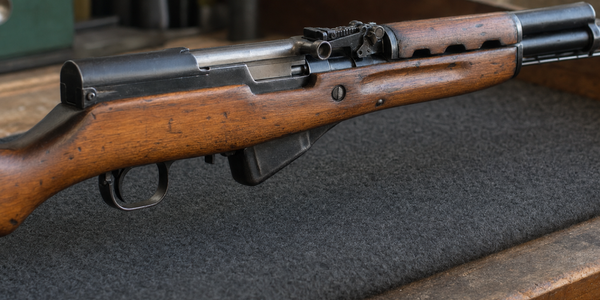
One correction favours Ottawa. Safari Club International's factum describes the SKS as "illegal under the Regulations." Canada's reply correctly identifies the error: the May 2020 regulations did not prohibit the SKS. An ordinary, compliant SKS in its original configuration remains non-restricted; Public Safety's briefing confirms its exclusion from the three cited prohibitions. As an SKS owner, I would have liked the owners' side to get that line right in a brief to the Supreme Court.
The variant paragraph
Paragraph 17 is the one I keep returning to. Canada argues that owners can find out whether a firearm is a variant of a named model. Those who owned one before May 2020 have had years of amnesty protection to check. Those who acquired one afterward, it says, had notice and an opportunity to investigate before acquiring it.
Canada concludes that an owner could not reasonably possess an unnamed variant unwittingly. "The scope of risk is known," the reply says.
This answers Ontario's request for a clearer boundary around variant. Canada says the existing Charter doctrine on vague laws addresses precision, and relies on the Federal Court's finding that the term was precise enough.
The appellants press the owner's question in their own reply: what intelligible standard lets an ordinary person identify an unnamed variant? Their paragraphs 14 to 19 challenge the gun-control coalition's account of notice, lineage and technical characteristics. They argue that owners must be able to establish the prohibited conduct in advance.
That is the question I want the hearing to resolve. Telling an owner to check is useful only when the check supplies a dependable answer. The government's confidence in paragraph 17 leaves little room for the careful owner who still needs a clear explanation of the boundary.
Compensation, says Canada, is a choice
The closing section answers Saskatchewan. Canada argues that the Canadian Bill of Rights supplies no compensation guarantee for these prohibitions. It describes the compensation program as a voluntary exercise of federal spending power, with prohibition and payment "not legally linked." It also attributes the program's obstruction in Saskatchewan and Alberta to provincial legislation.
For owners following the buyback tracker, that distinction deserves attention. In my view, a payment defended as discretionary federal spending carries a different planning risk from an enforceable entitlement. A future government would still face political and practical obligations, but Canada's own argument asks the Court to treat payment separately from the validity of the ban.
What to watch on November 9
The hearing is scheduled across two days. The intervention order allows private interveners up to five minutes of oral argument. Safari Club International has since told the Court it will rely on its written factum and forgo oral argument. The live docket is the place to check later scheduling changes, condensed books and webcast access.
One comparison may travel further than the technical argument. Canada's reply associates Alberta's criminal-misuse argument with the National Rifle Association slogan "guns don't kill people, people kill people." Some Canadian hunters will find that an ambitious stretch of geography. The judges' questions about Parliament's actual words should tell us more.
For the next verified development, follow Holdover Dispatch.
These filings show what each party is asking the Court to accept. Owners have four weeks to read the arguments before the hearing starts.
Sources
- Supreme Court of Canada, file 41859 docket and August 13 intervention order, checked October 12, 2026.
- Supreme Court of Canada, file 41861 docket, hearing and appearance records, checked October 12, 2026.
- Attorney General of Canada, October 6 reply to interveners, especially paragraphs 10-22.
- CCFR et al., October 6 reply to interveners, paragraphs 9 and 14-19.
- Safari Club International, intervener factum, paragraph 22.
- Criminal Code, section 117.15.
The amnesty file is still moving.
If this piece sent you back to government pages, do not wait for the next portal, Gazette, or court move to find you by accident.
The Dispatch follows Public Safety, RCMP, Canada Gazette, court, compensation, collection, and amnesty updates so the next change comes with the source that moved.
Safety note: the tracker is a worksheet for source hygiene, not legal advice or a substitute for current official guidance.