RCMP includes *ear shadows* in its PAL photo rules
RCMP photo instructions exclude ear and shoulder shadows. A fresh original and the right first-application or renewal steps can avoid a replacement request.

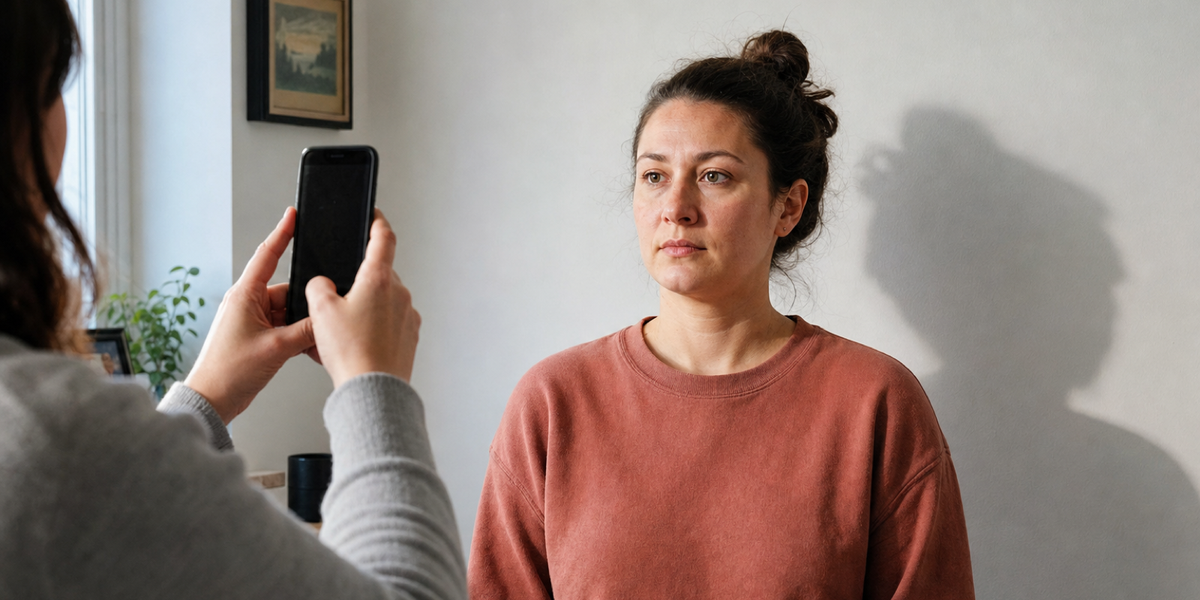
The RCMP's firearms-licence photo instructions name shadows around your ears, behind your head, and across your shoulders among the things it will reject. If you're looking at a faint shadow and wondering whether to risk it, the published answer favours another photograph.
A November 15 question on r/canadaguns put that small frustration plainly: could a shadow behind a left ear and shoulder really matter on a PAL application? Several replies offered reassurance based on photos people said had passed. Those accounts establish neither what the Canadian Firearms Program will accept today nor what happened to this applicant. I have not assessed the posted photograph.
The useful answer sits in the RCMP's current checklist. Take a clear original under even light, then follow the instructions for the application you're actually sending. A replacement-photo request adds an avoidable job to a process you already want finished.
What the RCMP actually asks for
The photo-guidance page says lighting must be uniform, with no shadows, glare, or flash reflections. It specifically identifies shadows around the ears, in the background, and across the face or shoulders. It also warns that a photo failing its requirements will need a new submission, delaying the application.
There is no published measurement for how faint an ear shadow can be on that page. It gives applicants examples of acceptable lighting and a list of excluded conditions. Predicting how a particular reviewer might handle a borderline image would add certainty the source cannot provide.
Section 14 of the Firearms Licences Regulations supplies the underlying photograph requirements: a full front view of the head and shoulders, a plain background, an unobscured face, and a head image at least 30 mm long, alongside its signature provisions. The RCMP's application instructions provide the more detailed lighting and submission checklist.
Those identity requirements have a legitimate purpose. The RCMP links its neutral-expression instruction to confirming identity and preventing fraud. A clear face against an even background is a reasonable thing to request. Applicants should also be able to meet that request without guessing which imperfections somebody else's reviewer overlooked.
Retake the light, keep the original
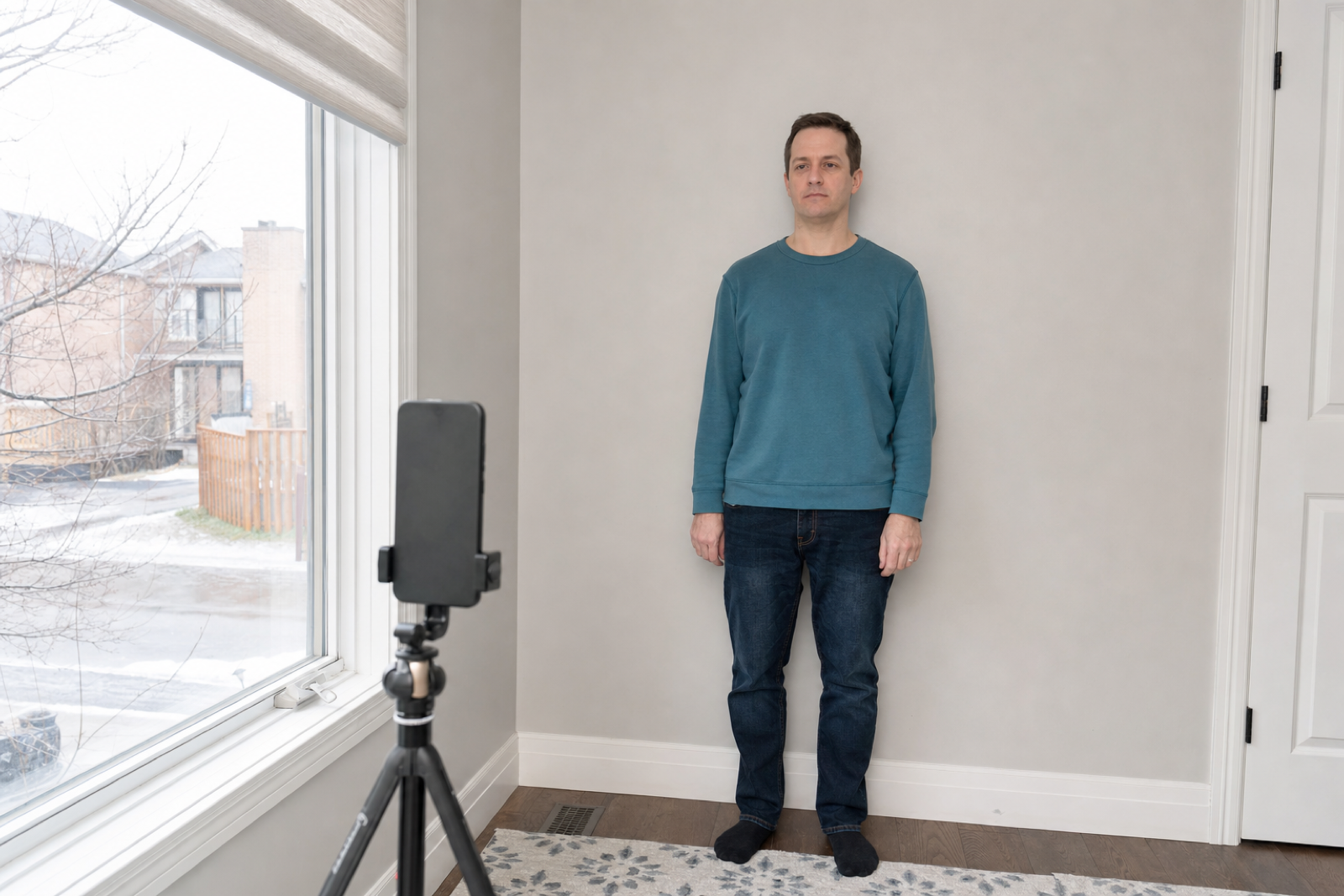
The October 2026 editions of the first adult application and renewal forms offer a concrete starting point: natural sunlight and half a metre between you and the background, to avoid shadows on your face or behind you. Both call for a plain, light-coloured background without texture or patterns.
Use that separation and inspect the result. If the light leaves a visible shadow, change the position or light and take another photograph. Keep your head and shoulders square to the camera, your eyes visible, and the image sharp. The current photo page illustrates the difference between even lighting and a shadow behind the head.
The tempting shortcut is to erase the shadow in an editing app. Both forms require an unaltered photograph. Removing an unwanted part of the image would work against that instruction. Taking a better original avoids the argument altogether.
The forms also exclude a photograph of another photograph or a piece of government identification. Start with a fresh photograph of yourself rather than photographing the portrait on a licence or passport. The photo must be less than 12 months old.
First application, renewal, paper, or upload
The file and guarantor steps deserve a separate check. The RCMP's photo webpage has different selections for online and paper applications. An applicant skimming text copied out of that page could easily mix the two.
For an online submission, it specifies a portrait JPG or JPEG between 200 KB and 6 MB. Its paper forms set a maximum photo size of 45 by 57 mm, with a head image at least 30 mm high. Digitally produced paper photographs must be printed on photo-quality paper. Use the instructions displayed for your chosen route rather than treating a digital upload and a mailed print as interchangeable.
A first adult paper application, form 5592, requires a photo guarantor who has known you for at least one year and is at least 18. That person confirms the photograph identifies you. The form directs the applicant and guarantor to complete the photo sticker, including the guarantor's signature, and attach it to the back.
Eligible first-time applicants can use MyCFP online. The current application page requires a digital licence photo and, for an adult applicant, a valid email address for the photo guarantor. Going online therefore still involves that person.
Renewal follows a different path: Individual Web Services or paper form 5614. The RCMP says a photo-guarantor signature is unnecessary for a renewal. The paper renewal label asks for the applicant's name; it does not repeat the first application's guarantor step. An online renewal still needs a digital photo.
Those differences explain why advice from someone who renewed a licence can miss a step for someone applying for the first time. Match the advice to the form.
The RCMP's detailed photo page dates from September 2025; this week's question exposes an older requirement. No newly announced shadow rule is involved. My preference is straightforward: a licensing photo should be an easy identity check, and applicants should have clear instructions they can follow. While preparing yours, spend the extra few minutes on a fresh, evenly lit original and check the actual submission route before sending it.
For useful Canadian ownership guidance and the next verified rule changes, follow The Dispatch.
Sources
- RCMP: photo requirements for a firearms licence, modified September 4, 2025; checked November 15, 2026.
- Firearms Licences Regulations, section 14, current displayed consolidation checked November 15, 2026.
- RCMP 5592: first adult application and photo instructions, October 2026 edition.
- RCMP 5614: renewal application and photo instructions, October 2026 edition.
- RCMP: apply for a firearms licence and licence renewal for individuals, checked November 15, 2026.
- November 15 applicant question, reporting trigger only; no photo assessment or application outcome verified.