Pre-order season needs a *cooler head*
The CSR18 buzz is real. So are deposits, ETAs, refund terms, FRT questions, and the old Canadian habit of letting scarcity write the purchase decision.

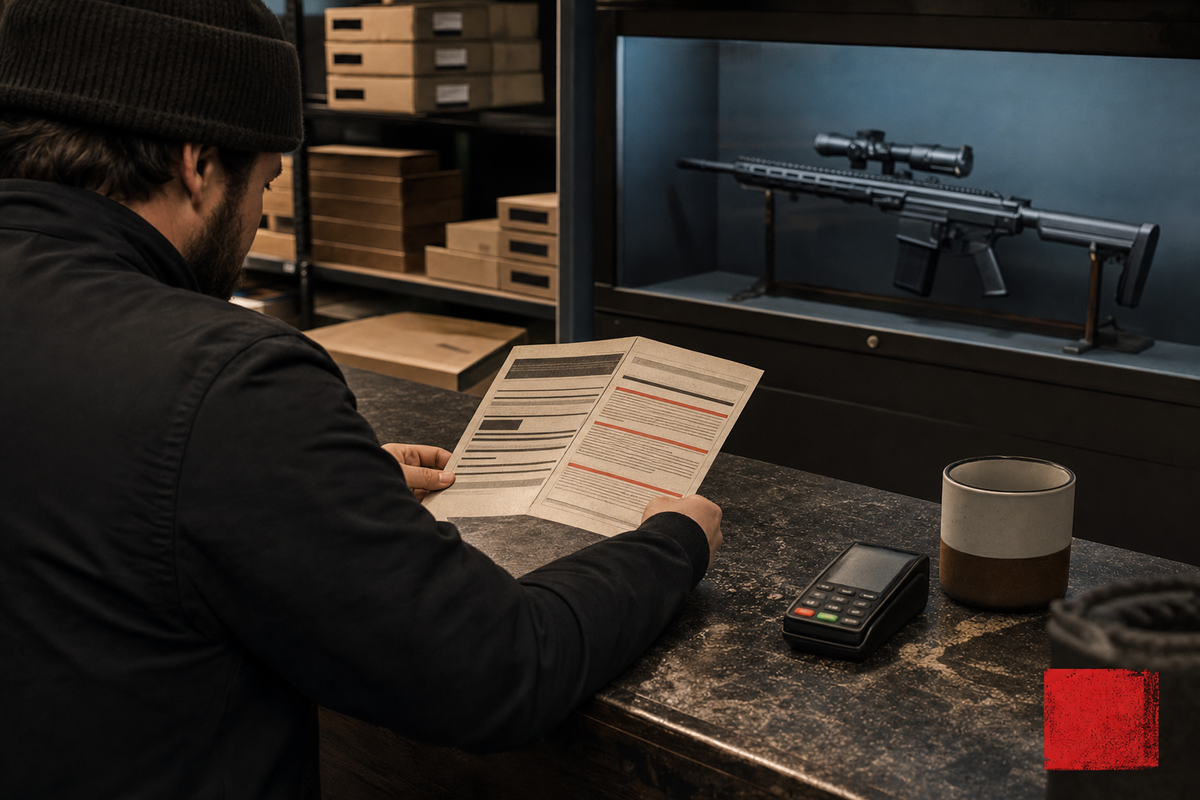
Opinion. The fastest way to make a new rifle expensive is to treat the deposit like a decision.
The Canadian semi-auto mood is awake again. The current r/canadaguns thread about manufacturers crawling out of the woodwork with tempting rifles has the whole file in one place: excitement, suspicion, wallet pain, FRT questions, OIC fatigue, and the familiar sense that if something interesting appears, you had better move before Ottawa or the market does.
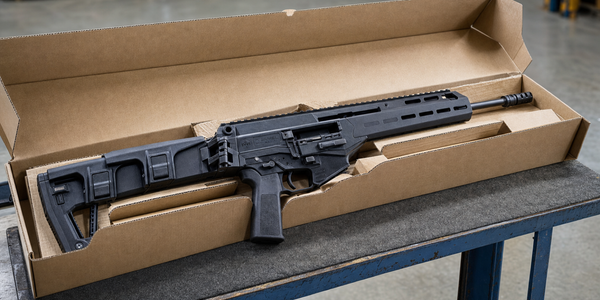
The IWI Carmel CSR18 is the current spark. Canadian retailers are showing pre-orders around $2,499, with an 18.6-inch barrel, 5.56 NATO / .223 Remington chambering, five-round magazine language, non-restricted marketing, and delivery windows clustered around August, end of summer, or early September 2026.
That is interesting. It is also easy to confuse with evidence.
Treat this as market commentary, not a rifle verdict, and keep the checkout page out of emergency-room mode.
The thread is really about trust
The comments under the current thread are less about one rifle than about the last six years landing on the same shopping cart. People want modern, reliable semi-autos that take common magazines, accept useful optics and slings, and feel like tools instead of apologies. They also remember losing access to platforms they bought lawfully.
That is why enthusiasm and distrust now arrive together. Someone asks whether the FRT is out. Someone else assumes a price listing means the importer has something useful in hand. Another shooter says they lost rifles before and is not sure they can go through it again.
That is not irrational. That is Canadian market memory.
The problem is what memory does at the checkout: scarcity becomes pressure, and pressure becomes a deposit before the buyer has read the terms.
I buy enough firearms and gear online to know the feeling. A clean product page can make a rifle feel half-owned before anyone has asked the boring questions. The photos look tidy, the specs line up, and the tab stays open long enough that the purchase starts to feel inevitable.
That is exactly when the cooler head has to show up.

Read the listing like an owner
The same rifle can be a very different financial decision depending on the listing.
Bullseye North's CSR18 page says the ETA is subject to change, delivery date, price, or quantity may move, and pre-orders may be cancelled for a full refund before the rifles arrive. It lists early September or earlier 2026 as the current ETA.
Reliable Gun's listing is much harder edged. It describes a $500 deposit, a $2,499 full price plus tax and shipping, an estimated end-of-summer 2026 delivery, and no refunds for any reason, with cancelled pre-orders issued as store credit.
G4C lists the rifle as sold out, expected August 2026, with the 18.6-inch Canadian configuration shown as non-restricted.
None of that tells you whether the rifle will be good. It tells you what kind of bet you are making.
A refundable deposit and a store-credit-only deposit are different bets. "Expected August" is an estimate. "Non-restricted" on a retailer page is useful context, but it does not become a lifetime warranty against a future government decision.
Before a newer shooter hits pay, they should know which of those sentences they are signing up for.
FRT confidence is not legal certainty
The RCMP's public Firearms Reference Table page is worth reading because it says the quiet part plainly. The FRT is an administrative document, not a legal instrument, and the Act and regulations are the prevailing legal authority.
That does not make the FRT irrelevant. It shapes what importers, retailers, police, border officials, and owners are willing to do. A useful entry and a credible importer matter.
It still does not make classification risk disappear.
The RCMP's classification page also notes that information can arise after import or inspection that affects classification. Model details, importer information, and design changes can matter. So can the exact retailer language.
Canadian firearms owners deserve better than this. A lawful buyer should not have to read like a customs broker before deciding whether a rifle is worth a deposit. The last six years trained people to do it anyway.
So do it well.
Check the listing. Save the receipt. Confirm the model. Ask what happens if the ETA slips, the shipment changes, the classification discussion changes, or you cancel before arrival. Do not let a forum screenshot answer questions a retailer should answer in writing.
The rifle still has to earn range time
The other cooler-head question is not legal at all.
Will the rifle actually solve a problem in your shooting life?
A 5.56 semi-auto can be useful, fun, and culturally satisfying. It can also become a very expensive safe queen if the buyer is really chasing relief from six years of bad policy. That motive is human. It still is not a range plan.
The rifle has to compete with ammunition cost, optic cost, magazines, sling, spare parts, training time, range rules, and the fact that a rifle bought in June may not arrive until late summer. By then, first owners may already be reporting how the trigger, gas system, weight, and Canadian configuration behave.
That information is worth something.
If you can afford to be an early adopter, understand that you are buying uncertainty on purpose. If you cannot, there is no shame in waiting for range reports. Let the importer answer the first wave of questions. Let the rifle become an object on Canadian benches, not only a product-page promise.

Let it be exciting without being urgent
Holdover has no CSR18 range time. Pretending otherwise would be fake confidence.
The argument is against panic buying dressed up as community optimism.
Canadian shooters are allowed to be excited when the market gets a modern rifle option. They are allowed to be angry that policy has made normal gear decisions feel like legal-risk triage. Wanting something more interesting than another compromise is normal.
But excitement is not urgency.
Urgency is what the last six years did to the hobby: deadlines, amnesties, lists, and risk calculations. Urgency is exactly the mood that makes a buyer skip the boring line about no refunds.
The right answer is not cynicism. Cynicism leaves every good rifle on the shelf and calls that wisdom.
The right answer is disciplined enthusiasm.
Read the terms. Verify the exact source. Understand the deposit. Budget the ammunition. Wait for early owner data if the money matters. Be honest about whether this rifle fills a real slot in your range life or just patches a political bruise.
Then decide.
The rifle can still be exciting after the credit card cools.
Sources
- r/canadaguns, Is this the time all the manufacturers crawl outta the woodwork with all these tempting rifles?, accessed June 11, 2026.
- r/canadaguns, IWI BACK IN CANADA: CSR18 IWI Carmel 5.56 NATO 18.6" Barrel Non-Restricted, accessed June 11, 2026.
- Bullseye North, PRE-ORDER: IWI Carmel CSR18 Semi-Auto Rifle, 5.56 NATO, 18.6" Barrel, Black, Non-Restricted, accessed June 11, 2026.
- Reliable Gun, PRE-ORDER DEPOSIT For CSR18 IWI CARMEL Semi-Automatic Rifle, accessed June 11, 2026.
- G4C Gun Store Canada, IWI CSR18 Carmel 5.56 NATO 18.6" Black Non-Restricted, accessed June 11, 2026.
- BC Firearms Academy, IWI Carmel CSR18 Coming to Canada? What We Know So Far, accessed June 11, 2026.
- Royal Canadian Mounted Police, Firearms Reference Table, accessed June 11, 2026.
- Royal Canadian Mounted Police, Classifying and re-classifying firearms, accessed June 11, 2026.
- Public Safety Canada, Firearms compensation program for businesses closes - Amnesty period extended due to the Supreme Court of Canada process, June 9, 2026.
- IWI US, Carmel 5.56 Semi-Auto Fully Ambidextrous Rifle, accessed June 11, 2026.
Shortlist the rifle before the checkout page.
If this piece helped you narrow the rifle question, keep the tradeoffs visible before the next tab becomes a shopping cart.
Use the Holdover Rifle Cartridge Shortlist Card to compare use case, distance, recoil, ammunition availability, rifle fit, optics plan, budget, and what you will actually practice.
Safety note: the card is a planning worksheet, not buying advice, legal advice, hunting guidance, load data, or a substitute for current manufacturer, range, provincial, federal, or qualified-instructor guidance.