Price the *shells* before the shotgun
A current Canadian ammo thread gives new shotgun buyers a better first question: which gauge they can actually afford to feed.

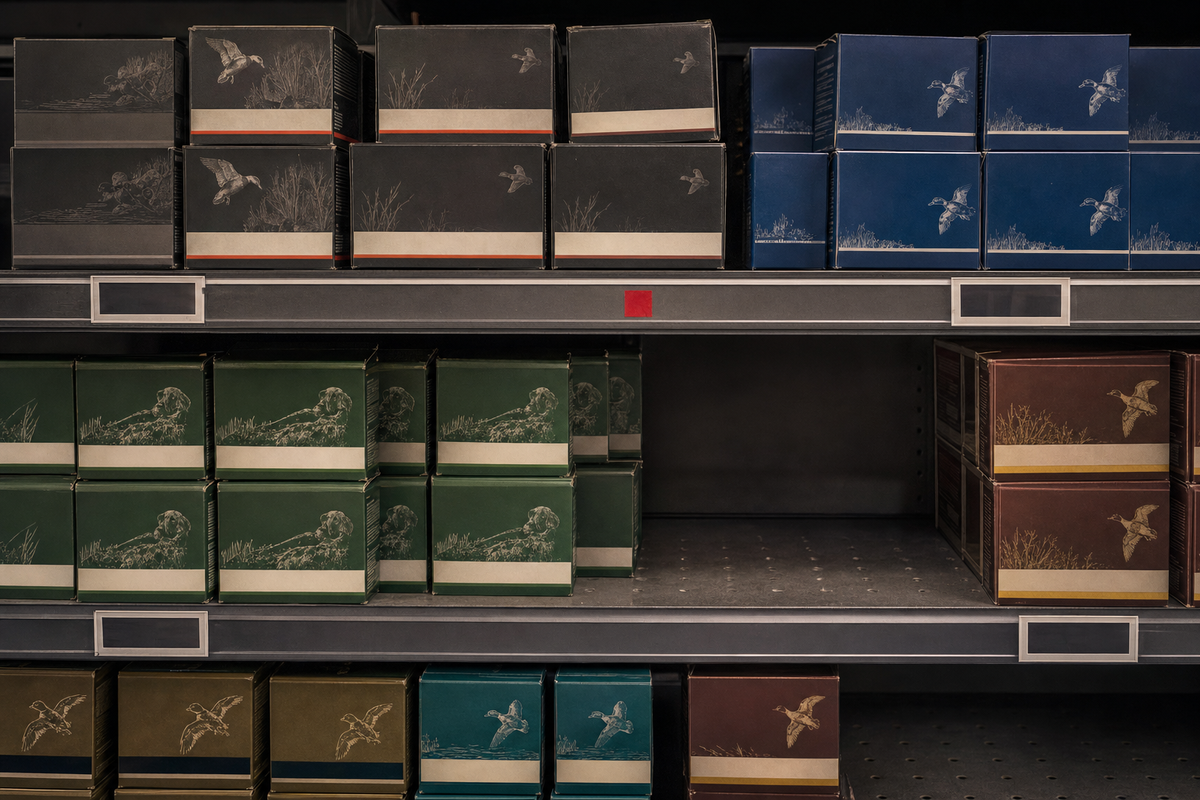
Opinion. A Canadian shooter asked the more useful first-shotgun question this week.
On r/canadaguns, a current Buying Ammo thread asked where to find shotgun ammunition in 12, 20, and 28 gauge, and whether AmmoBin is a good way to compare Canadian prices. That plain question deserves more weight than another dream-build thread. It skips glamour and goes straight to repeatability: can the shooter feed the gun?
That is the first shotgun decision hiding behind the fun one. The gun counter makes the shotgun feel like the main event: pump, semi, over-under, barrel length, furniture, finish, bead, rib, choke, case, sale tag. Shells decide whether range days become repeatable.
I own enough 12-gauge shotguns to have stopped pretending the gun is the whole decision. The shotgun is the dramatic purchase. The shells are the subscription.
The shell shelf is part of the gun
AmmoBin is useful here because it makes the Canadian shelf visible in a way a single store counter cannot. Its home page describes the site as a place to view online ammunition prices across Canada, and its About page says it retrieves public ammo prices daily from Canadian online retailers, updates throughout the day, and links to retailer product pages rather than selling ammunition itself.
Price scraping can be wrong, shipping changes the math, and a local club regular may know more than a search page on a particular Tuesday. As a first smell test, though, it is exactly the kind of boring tool that keeps a new shooter honest.
At the time I checked, AmmoBin's 12 GA page showed 49 pages of results. The 20 GA page showed 12. The 28 GA page showed 3. A page count is only a rough inventory signal, and it still tells a story. The common gauge has a deep shelf. Smaller gauges can be perfectly valid, but they live in a thinner market.
The price shape said the same thing. First-page 12-gauge target loads mostly clustered around the low 50 cents per shell range. The 20-gauge page started in similar territory but quickly showed more entries around 60 to 68 cents. The 28-gauge page moved into a different mood, with common first-page entries around 80 cents, a dollar, and higher.
The numbers will change. The lesson should not.
Before you fall in love with the shotgun, price a month of shooting it.
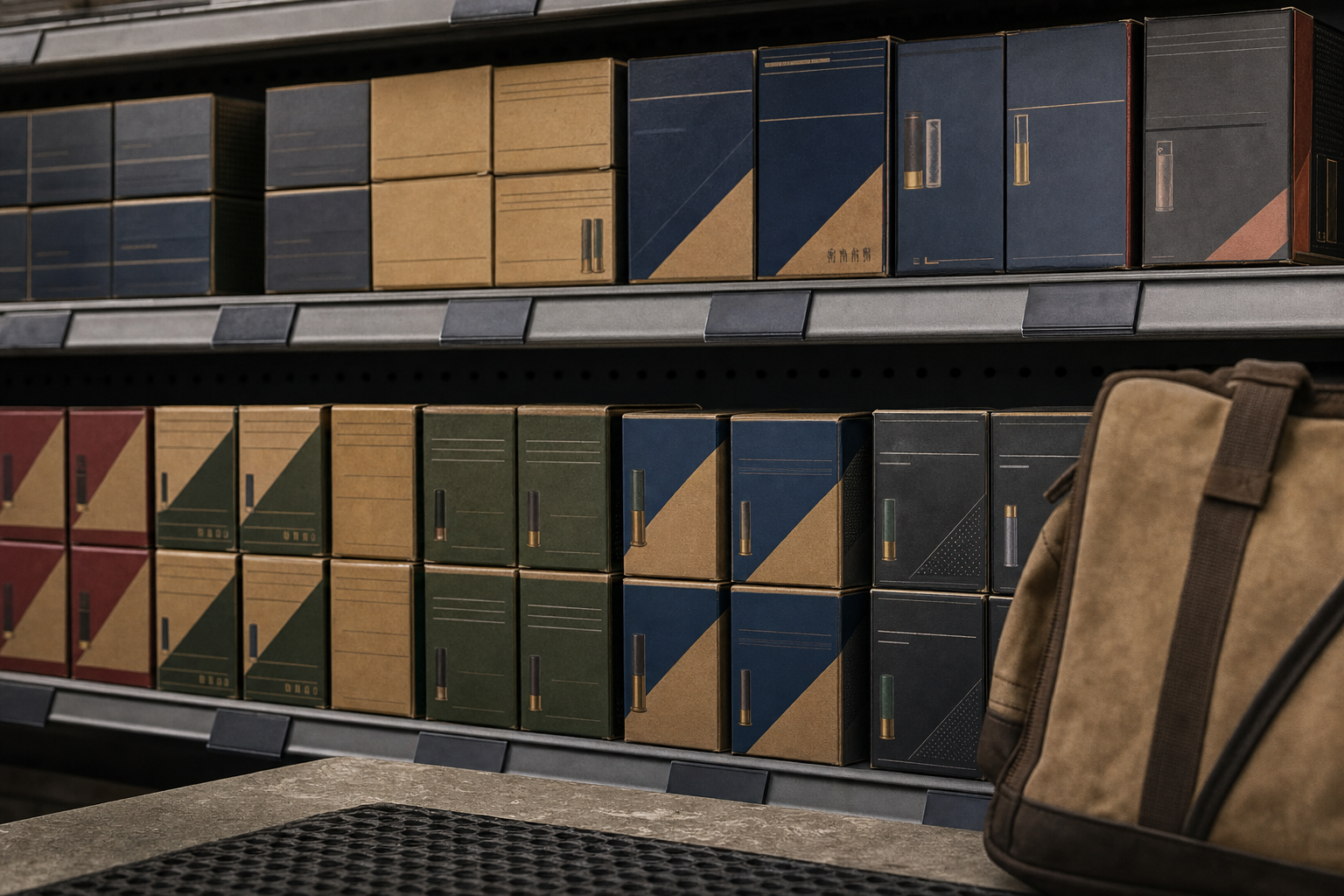
Twelve gauge has a boring advantage
New shooters sometimes treat 12 gauge as the brute-force default and 20 gauge as the sensible adult compromise. Sometimes that is fair. Sometimes it is inherited counter talk.
Twelve gauge has a real advantage that has nothing to do with ego: it is everywhere. Target loads, game loads, slugs, buckshot, clay-sports flats, bulk cases, Canadian retailer specials, and club-house habits all tend to be deepest in 12. That availability can make the gauge easier to live with even if the shotgun itself kicks harder than the daydream version.
It also gives a new shooter more room to make ordinary mistakes. If the first load you buy is too punchy for a long clay day, there are usually lighter target options to try. If you want to shoot trap with a club, 12 is the language everyone already speaks.
That does not mean everyone should buy 12. It means the gauge has earned its boring reputation. Boring is not an insult when you are trying to practise.
Twenty gauge can be lovely: lighter, friendlier to carry, and excellent in the right shotgun. It can also be less forgiving on price and local availability. Price the actual shells.
The same rule applies to every attractive oddity in the shotgun rack. If the gun is cheaper because the gauge is less common, the receipt may be delayed.
Twenty eight gauge charges rent
Twenty eight gauge has a charm tax.
It can be elegant, light, and more capable than its size suggests in skilled hands. That is all true, and none of it cancels the shelf problem for a new shooter.
If 28 gauge is your second or third shotgun, and you understand the cost, enjoy yourself. If it is your first shotgun because the gun felt wonderful in the shop, slow down.
The shotgun is a one-time decision. Shells are a habit.
A 28-gauge gun that sits at home because every practice flat feels like a luxury purchase is no bargain. A plain 12-gauge or 20-gauge shotgun you can shoot twice a month will teach more than a beautiful little gun you ration like imported coffee.
This is where the broader Canadian context matters. Licensing, range rules, classification anxiety, transfer delays, political theatre, and the long shadow of Liberal gun-control policy all sit around lawful owners before the first shot. Ottawa keeps treating the object as the whole story. Shooters know the sport lives or dies in smaller things: shells, range time, mentors, weather, gas money, and whether the local shelf has what you need.
That ordinary reality is worth defending. The sport is kept alive by people who can afford to show up again next month.
Ask the club before the counter
The best first-shotgun research is a range question.
Ask what people shoot at your club. Ask what loads the trap or skeet regulars buy by the flat. Ask what is normally on the local shelf. Ask whether the used shotgun you are eyeing has a practical supply of chokes, parts, and advice around it.
Then do the math as a month, not a box.
One box can lie to you. A season of learning does not. If you want to shoot clays often enough to get better, think in cases, range fees, gas, and time. That makes the joy repeatable.
The same thinking helps avoid the panic purchases Canadian shooters know. Scarcity can make any available gun feel urgent. The last few years have trained people to watch bans, backorders, import gaps, and retailer emails like weather radar. That is how a person buys a gun for the shelf instead of a gun for the range.
The better question is not, "Can I buy it today?"
The better question is, "Can I keep shooting it after today?"
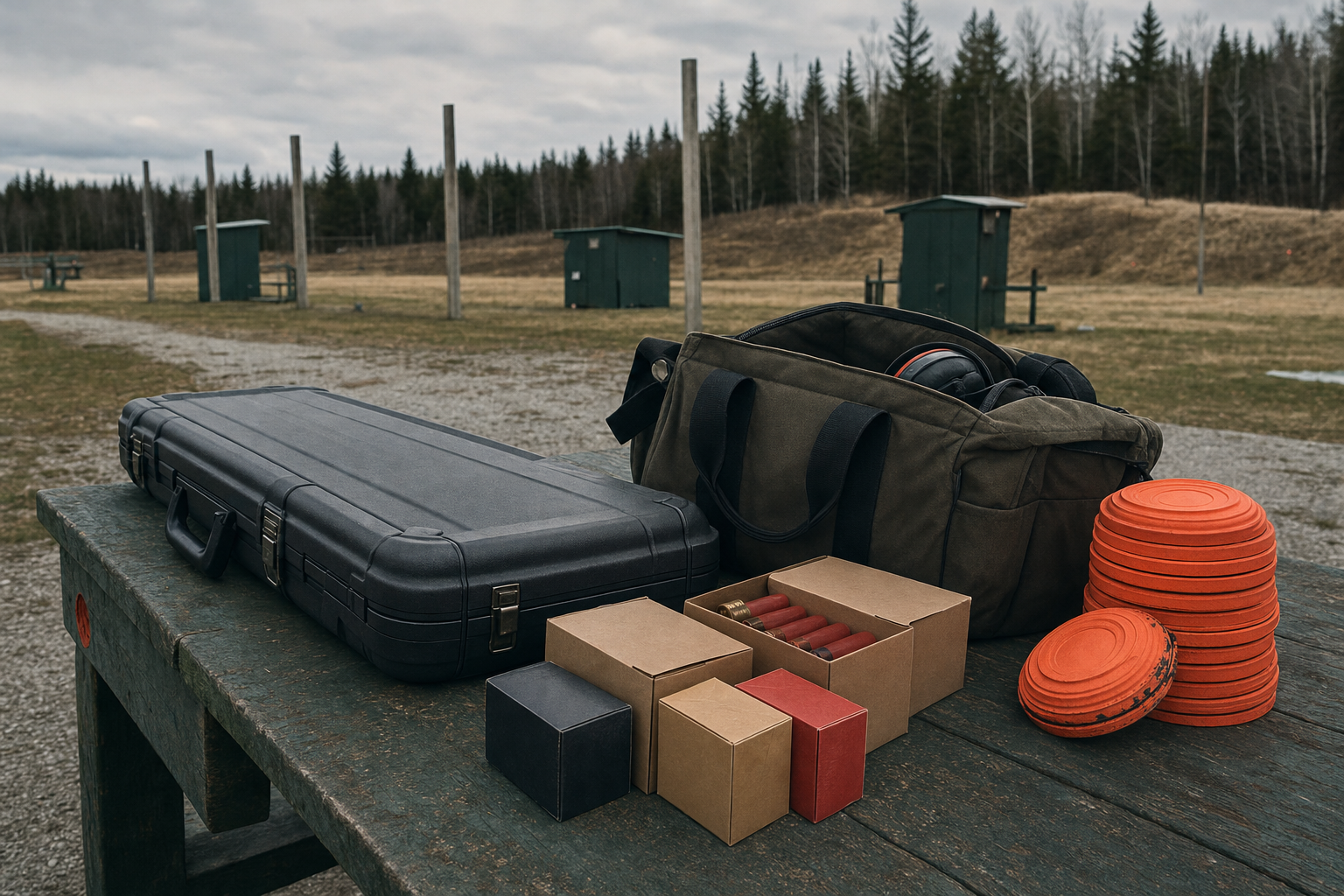
Buy the gauge you can feed
But the first shotgun should be judged by its second month. Can you find shells locally? Can you afford enough practice to stop flinching, stop guessing, and start learning? Can a mentor or club regular help you without translating every decision from an obscure gauge? Can you bring the gun out on a boring Saturday without doing financial theatre in your head?
If the answer is yes, buy with confidence.
If the answer is no, the gun may still be beautiful, legal, clever, rare, soft-shooting, lightweight, or charming. It may be the wrong first teacher.
For newer Canadian shooters, the plain advice is the best advice: choose the gauge you can actually feed. The shotgun will make more sense after that.
Sources
- r/canadaguns,
Top today, including the currentBuying Ammothread: https://www.reddit.com/r/canadaguns/top/?t=day - AmmoBin, home page: https://ammobin.ca/en/
- AmmoBin, About: https://ammobin.ca/en/about
- AmmoBin, Shotgun category: https://ammobin.ca/en/shotgun
- AmmoBin, 12 GA price page: https://ammobin.ca/en/shotgun/12%20GA
- AmmoBin, 20 GA price page: https://ammobin.ca/en/shotgun/20%20GA
- AmmoBin, 28 GA price page: https://ammobin.ca/en/shotgun/28%20GA
Keep the range notes worth reading later.
If this piece has you thinking about range time, keep the notes useful enough to read later.
Use the Holdover Range Bench Log Card to record rifle, optic, ammunition, distance, weather, zero, group notes, correction, and next test without turning a range trip into a memory test.
Safety note: the card is a note-taking worksheet, not shooting instruction, load data, legal advice, or a substitute for range rules, official guidance, manufacturer manuals, or qualified instruction.